Sicilian petitgrain
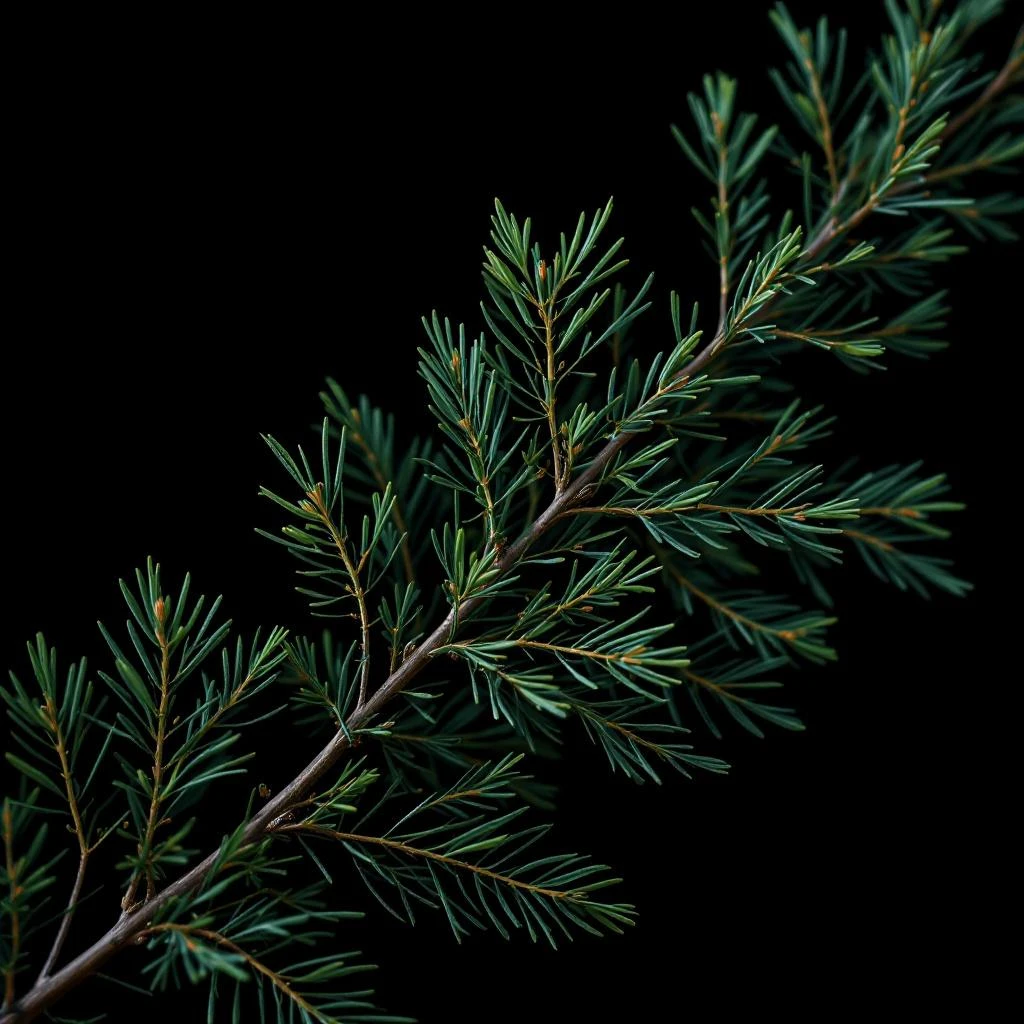
Sicilian petitgrain captures the bitter orange groves of southern Italy—fresh, green, and subtly woody. Distilled from leaves and twigs of the same tree that yields neroli and orange blossom, it offers a sharper, more herbaceous citrus character than its floral cousins.
Character
How it smells
Green bitterness from Sicily's bitter orange groves.
The word petitgrain means "little grain" in French, originally referring to the small unripe fruits once used for distillation before producers shifted to leaves and twigs for better yields.





Origin
Italy
The bitter orange tree arrived in Sicily via Arab traders in the 9th and 10th centuries, and the island became a centre of citrus cultivation for European monasteries and gardens. The name petitgrain itself emerged in 1876, when French botanist Benjamin Balansa brought steam distillation equipment to Paraguay and began extracting oil from the leaves and twigs at scale. Sicilian production developed as a parallel tradition, shaped by the island's long history with bitter oranges rather than by commercial experimentation.
By the early 20th century, Italian petitgrain had carved a niche for perfumers seeking a more austere citrus note than the sweeter Paraguayan oil. Today, Sicily remains a source of high-quality petitgrain for perfumers who want Mediterranean terroir in their formulas.
Wears it best
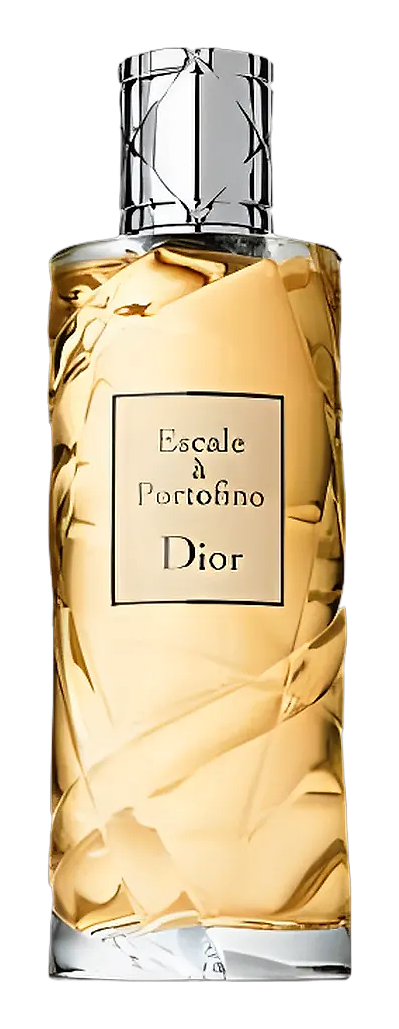
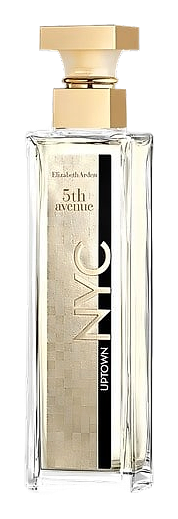
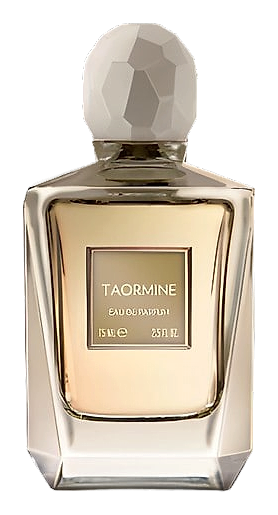
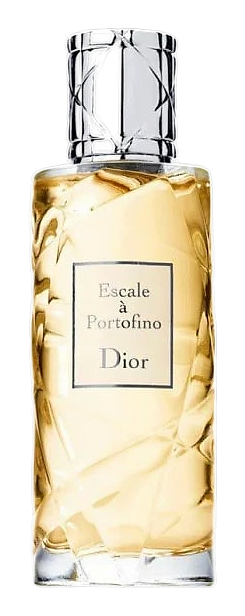
Fragrances featuring Sicilian petitgrain
Brands
Brands known for Sicilian petitgrain
Good to know
Questions, answered
The essentials on Sicilian petitgrain in perfumery: how it smells, where it comes from, and how it behaves on skin.
What does Sicilian petitgrain smell like?
Sicilian petitgrain smells green and bitter with citrus brightness and a subtle woody undertone. It lacks the sweetness of orange blossom and carries a sharper, more herbaceous character rooted in Sicily's volcanic terroir.
How is petitgrain different from neroli or orange blossom?
Petitgrain comes from the leaves and twigs of the bitter orange tree, while neroli is distilled from its flowers and orange blossom from its blossoms. This makes petitgrain the most bitter and herbaceous of the three materials.
What fragrance families use Sicilian petitgrain?
Perfumers use Sicilian petitgrain mainly in citrus, fougère, and aromatic fragrance families. Its green bitterness works well as a top note that sharpens and stabilizes lighter compositions.
Why does Sicilian petitgrain differ from Paraguayan petitgrain?
Terroir drives the difference. Sicily's volcanic soil and Mediterranean climate produce an oil with higher linalool and lower geraniol content than Paraguayan oil, giving it a greener, more austere scent profile.
Is petitgrain a natural or synthetic ingredient?
Natural petitgrain is steam-distilled from bitter orange tree leaves and twigs. Synthetic reproductions of its key aromatic compounds exist, but natural petitgrain retains complexity that synthetic versions rarely match.
What part of the bitter orange tree is used for petitgrain?
Only the leaves and young twigs go into petitgrain production. The fruits yield different oils and the flowers produce neroli. This selective harvesting keeps the tree productive across multiple harvests each year.
Can petitgrain be used as a standalone fragrance note?
Petitgrain works as a supporting note rather than a standalone protagonist in most compositions. Its sharp, green character benefits from blending with softer materials that round its edges.
How long has Sicilian petitgrain been in perfumery?
Sicily has cultivated bitter orange trees since the 9th century, but petitgrain distillation specifically emerged in the 1870s. Sicilian production developed alongside the broader petitgrain industry that began in Paraguay.