Sicilian lemon petitgrain
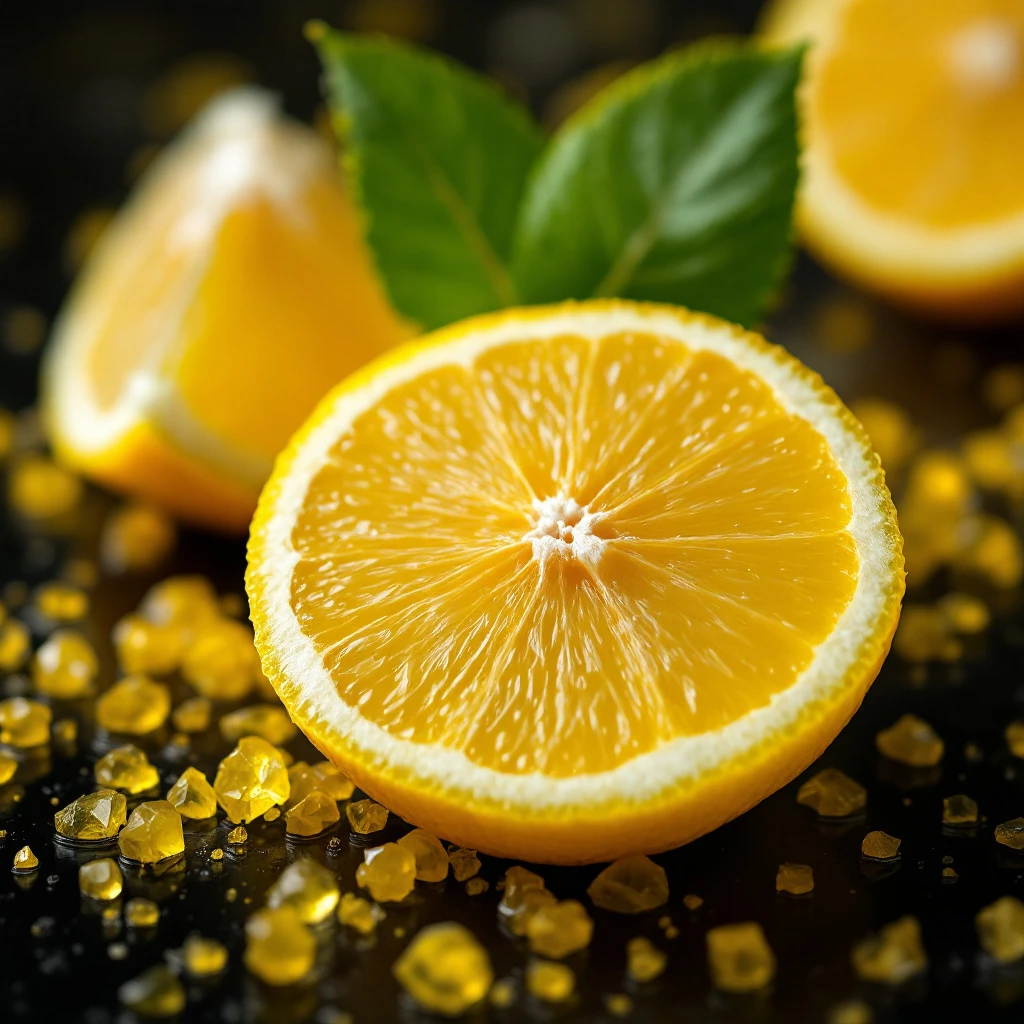
Sicilian lemon petitgrain captures the sun-drenched essence of Mediterranean citrus groves. Distilled from lemon tree leaves rather than bitter orange, it delivers a crisp, green freshness with a quietly grounding drydown that lingers like coastal air after a morning harvest.
Character
How it smells
Green citrus leaves with a sun-warmed dryout.
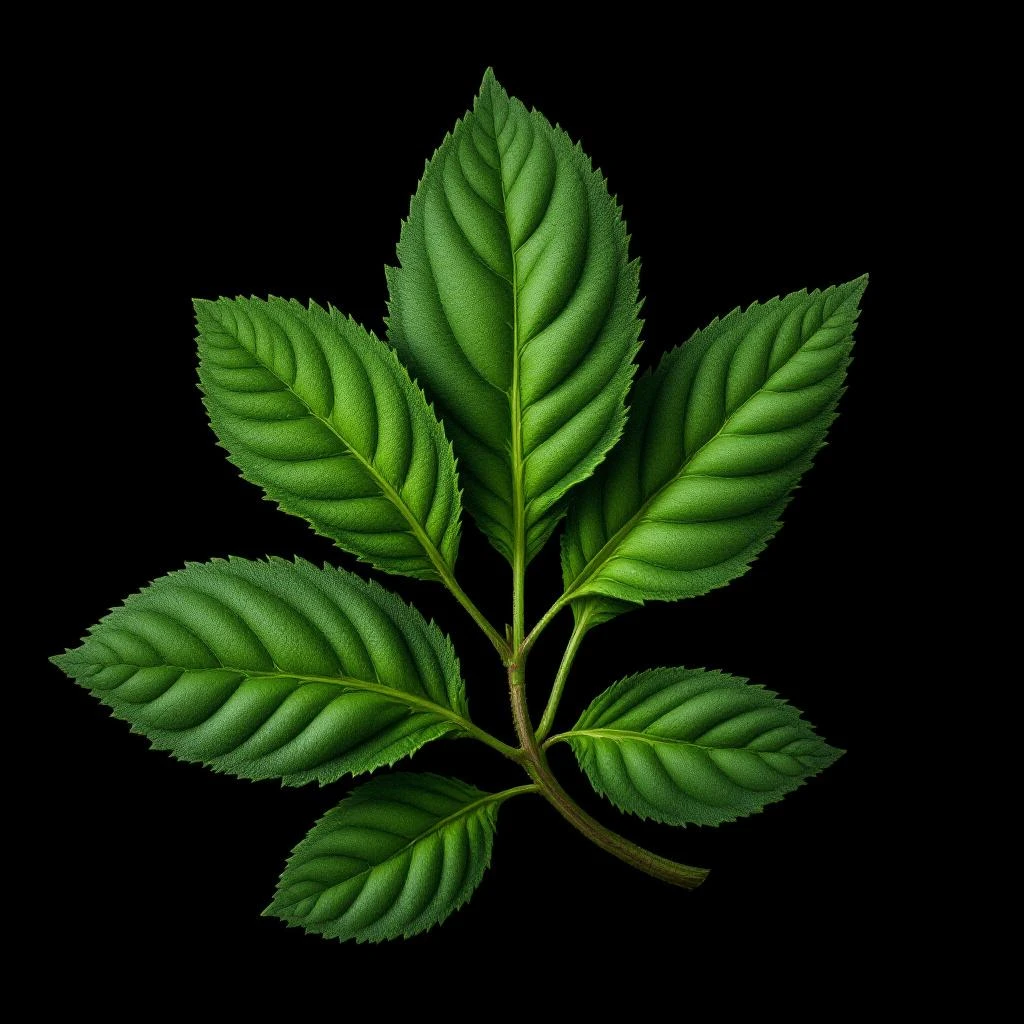
Traditional petitgrain comes from bitter orange leaves; lemon petitgrain, called 'citronnier', swaps the source for lemon foliage, creating a brighter, more herbaceous character unique to Mediterranean distillation.


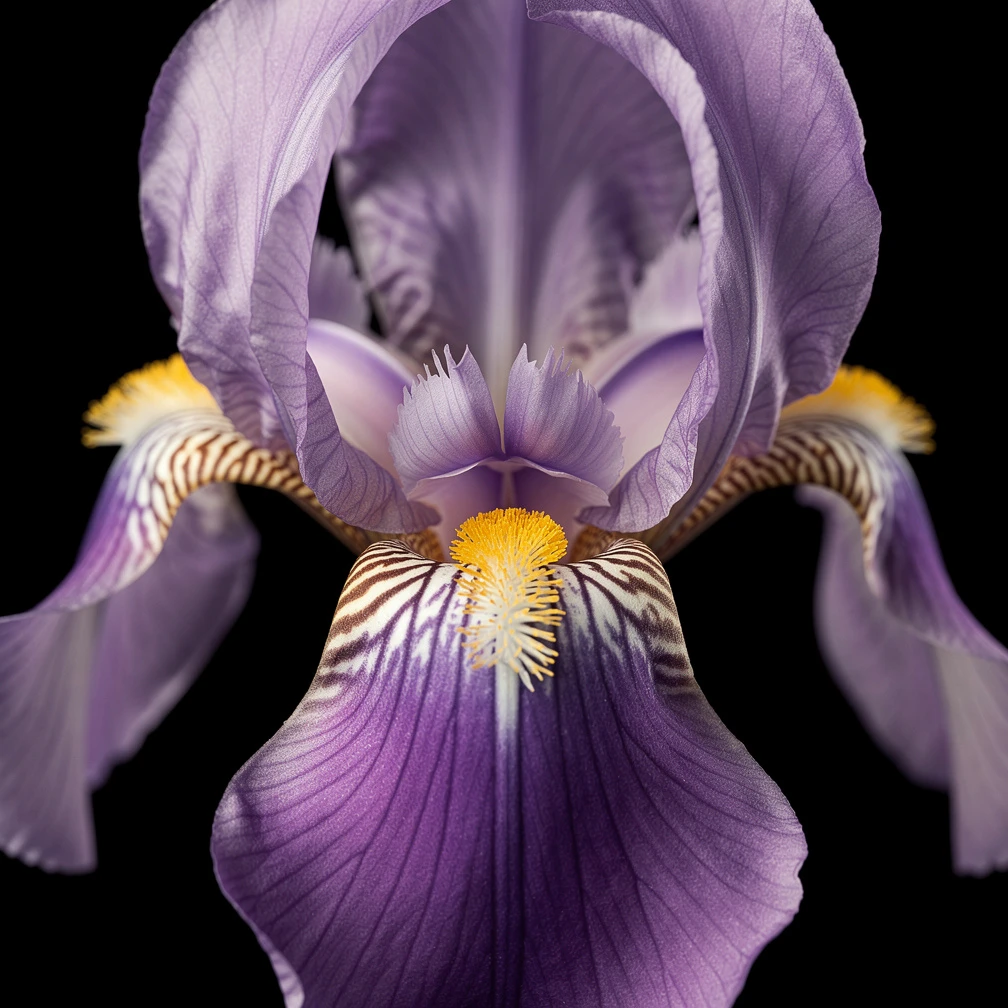



Origin
Italy
The petitgrain concept emerged in 18th-century France, when perfumers first distilled bitter orange foliage to capture what the fruit itself could not offer. Napoleon-era France consumed enormous quantities of citrus, creating surplus leaves that found unexpected value in perfumery.
Sicily became the natural home for lemon-specific petitgrain production as the island had cultivated citrus commercially since ancient Greek colonization. The Mediterranean climate, with its hot dry summers and mild winters, produces lemon foliage rich in aromatic compounds that differ markedly from fruits grown in more humid regions.
By the time Eau de Cologne set the template for citrus fragrances in 1750, perfumers already understood that leaf and peel expressed different facets of the same botanical family. Sicilian lemon petitgrain represents this granular understanding, a specialized ingredient that honors centuries of Mediterranean citrus knowledge while offering modern formulators a distinctly verdant citrus material.
Wears it best
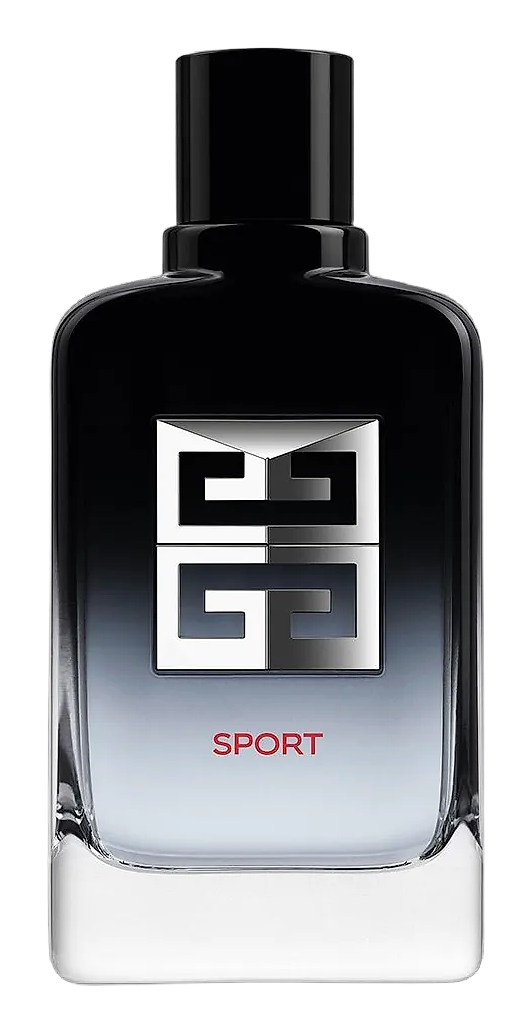
Fragrances featuring Sicilian lemon petitgrain
Brands
Brands known for Sicilian lemon petitgrain
Good to know
Questions, answered
The essentials on Sicilian lemon petitgrain in perfumery: how it smells, where it comes from, and how it behaves on skin.
What makes Sicilian lemon petitgrain different from regular petitgrain?
Standard petitgrain comes from bitter orange tree leaves; lemon petitgrain uses lemon tree foliage instead. This botanical swap creates a brighter, more herbaceous aroma with pronounced green-citrus character rather than the slightly bitter, floral nuance of orange-leaf petitgrain.
What does Sicilian lemon petitgrain smell like?
It opens with sharp, fresh green-citrus notes reminiscent of crushed lemon leaves. The drydown reveals woody and faintly camphoraceous qualities, creating a linear profile that reads as clean, natural, and subtly Mediterranean.
How is lemon petitgrain extracted?
Producers use steam distillation to separate essential oil from harvested lemon tree leaves and young twigs. The process typically requires four to six hours per batch, with careful temperature monitoring to preserve the volatile green-citrus compounds.
Where does Sicilian lemon petitgrain originate?
Italy produces this material, specifically from Sicily, where the island's warm, dry climate and volcanic soils produce lemon foliage with distinctive aromatic profiles unavailable from other growing regions.
Is lemon petitgrain a natural or synthetic ingredient?
Sicilian lemon petitgrain is a fully natural ingredient obtained through steam distillation of lemon tree leaves. No synthetic alternatives precisely replicate its complex profile of green-citrus and woody compounds.
What fragrance families use lemon petitgrain?
Perfumers employ this material primarily in citrus and fougère compositions. It functions well in colognes, aromatics, and fresh fragrance bases where its green, persistent character can anchor lighter top-note citruses.
Does lemon petitgrain perform differently from lemon essential oil?
Lemon essential oil comes from fruit peel via cold expression and carries bright, zesty sweetness. Lemon petitgrain from leaves offers greener, more herbaceous, and slightly bitter qualities that provide olfactory contrast rather than replication.
What role does origin play in lemon petitgrain quality?
Sicily's Mediterranean growing conditions, including intense summer sun and mineral-rich volcanic soil, produce lemon foliage containing elevated levels of specific aromatic compounds that give the distilled oil its characteristic green intensity and woody dryout.