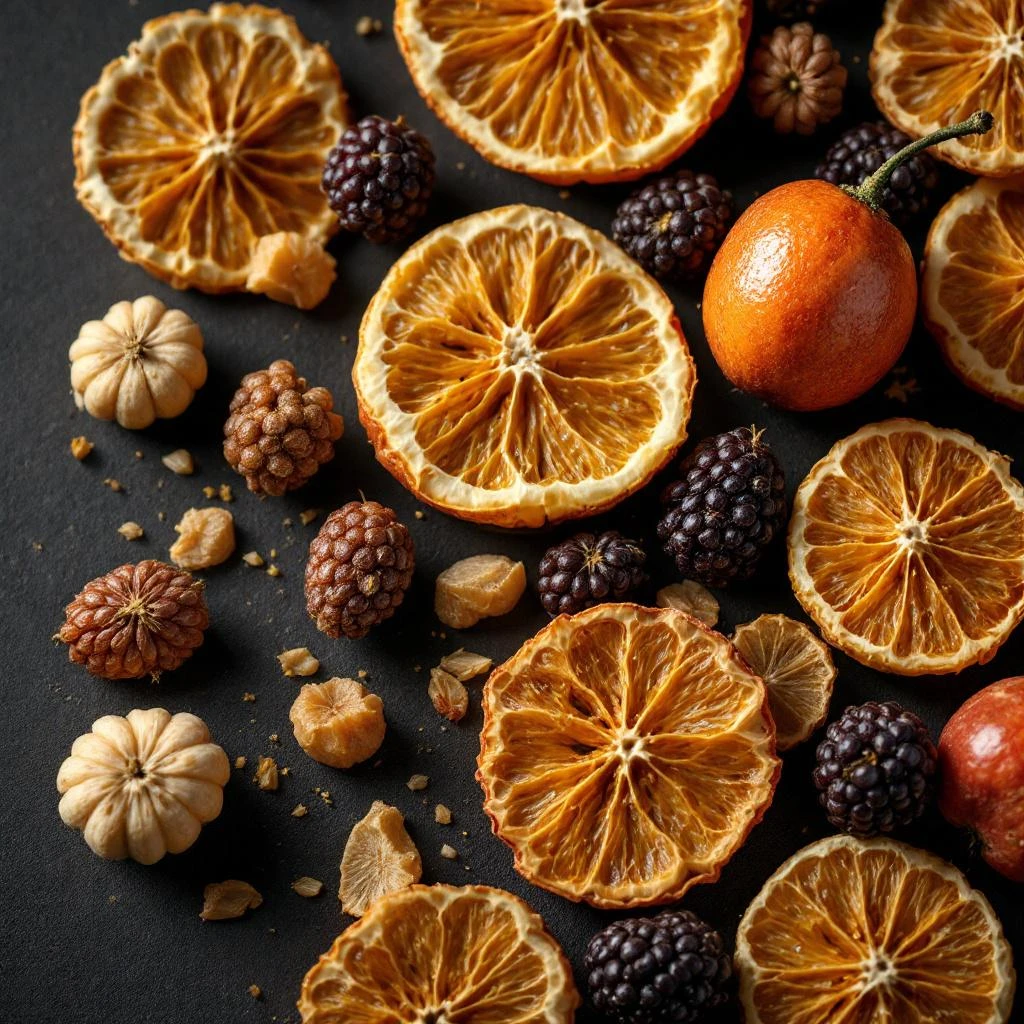
Seeds
Seeds capture the concentrated essence of fragrance, offering warm, spicy, and slightly sweet nuances that anchor perfumes with depth and staying power.
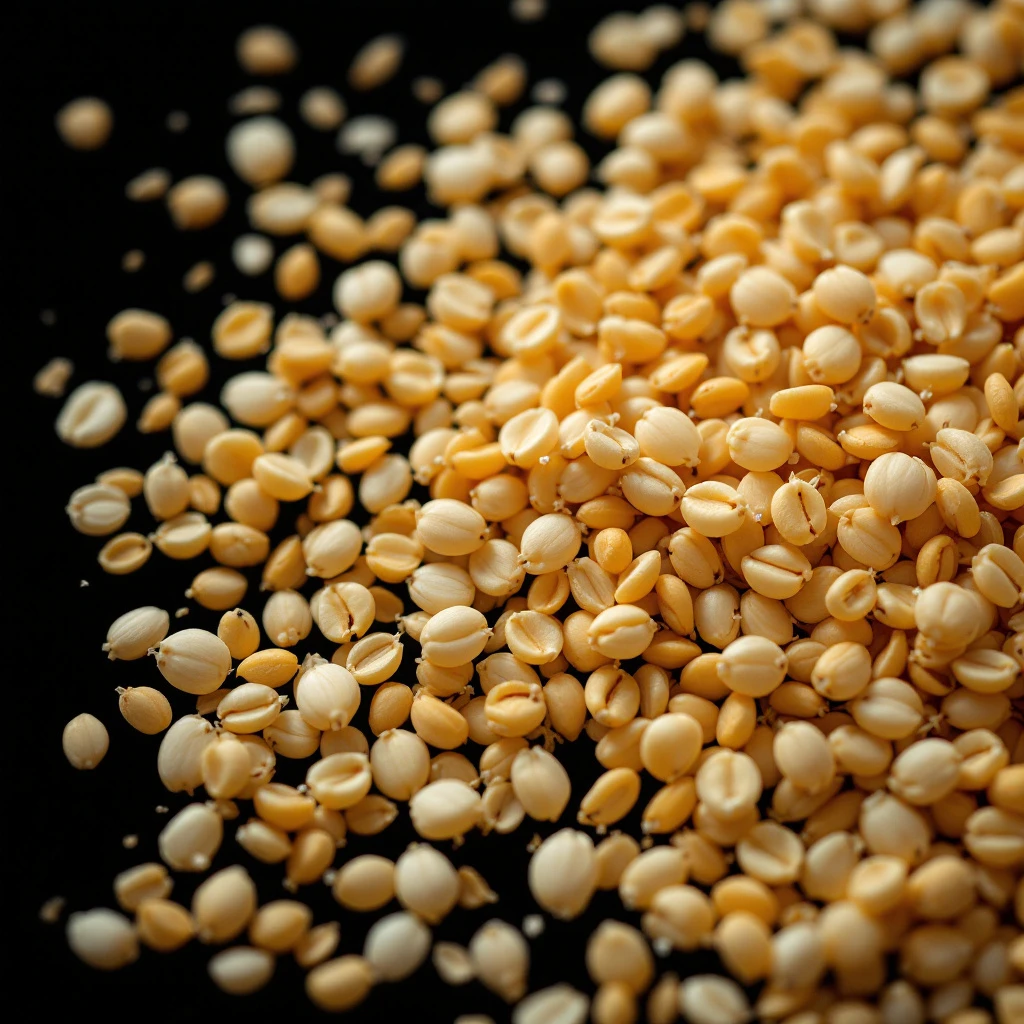
Character
How it smells
Nature's most potent aromatic capsules.
One kilogram of cardamom pods yields only 30 grams of essential oil, making seed-derived materials among the most concentrated in perfumery.
Pairs beautifully with


Origin
India
Ancient civilizations recognized seeds as powerful aromatic materials long before recorded history. Egyptian embalmers used coriander and fennel seeds in their ritual preparations, valuing these materials for both their scent and their preservative properties. The spice trade routes that connected Asia with Europe beginning around 1300 CE brought cardamom, nutmeg, and other seed spices into European perfumery, where they became essential components of pomades and scented waters.
Medieval apothecaries stocked seed-based preparations as medicines, and the boundary between therapeutic and fragrant applications remained blurred for centuries. By the Renaissance, Italian perfumers were incorporating ground seeds into their formulations, discovering that these materials provided remarkable staying power compared to floral notes alone. The 19th century brought scientific attention to seed chemistry, with researchers isolating specific aromatic compounds that would later enable synthetic reproduction.
Today, seed materials remain foundational to perfumery, appearing in some form in the majority of fragrance compositions worldwide.
Wears it best
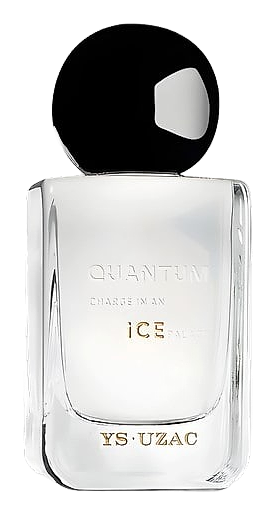
Fragrances featuring Seeds
Brands
Brands known for Seeds
Good to know
Questions, answered
The essentials on Seeds in perfumery: how it smells, where it comes from, and how it behaves on skin.
What gives seeds their distinctive fragrance?
Seeds contain high concentrations of aromatic compounds like terpenes and aldehydes designed to protect the embryonic plant. Cardamom yields cineole and alpha-terpinyl acetate, while coriander seeds produce linalool. This concentrated chemistry makes seeds exceptionally potent fragrance materials.
Which seeds appear most frequently in fine fragrances?
Cardamom, coriander, and nutmeg dominate fine fragrance formulations. Ambrette seed provides a natural musk note, while tonka bean offers sweet coumarin. These four materials appear across fragrance families from fresh colognes to oriental perfumes.
Do synthetic seed aromatics match natural extracts?
Synthetic versions capture primary aroma molecules but miss the complex mixture found in natural seed extracts. Natural cardamom oil contains over 80 identified compounds that create its characteristic warmth. Synthetics serve as cost-effective alternatives rather than replacements for natural materials.
What extraction method preserves the most seed character?
CO2 extraction retains the broadest spectrum of aromatic molecules from seeds. This method operates at lower temperatures than steam distillation while applying higher pressure, extracting compounds that would otherwise remain locked in the seed matrix.
How do seed notes interact with other fragrance ingredients?
Seeds act as fixatives that slow the evaporation of lighter top notes. Their warm, slightly fatty character bridges citrus and floral elements with woody or amber base notes. Cardamom specifically brightens while grounding, creating olfactory transitions that feel seamless.
Are there safety concerns with seed-derived fragrance materials?
Most seed materials used in perfumery are safe at regulated concentrations. Nutmeg and cardamom contain compounds that can cause sensitization at high doses. International fragrance regulations set specific limits for each material in consumer products.
What quality markers distinguish premium seed extracts?
High-quality seed extracts display clarity and consistent viscosity. Steam-distilled cardamom oil ranges from colorless to pale yellow, while poor-quality extracts may appear dark or cloudy. Gas chromatography testing reveals compound ratios that indicate purity and proper processing.
Why are seed materials important for sustainable perfumery?
Seed crops generally require less water and land than floral cultivation. Many seed materials come from agricultural byproducts, such as coriander seeds harvested alongside the herb. This efficiency makes seeds among the more environmentally responsible choices in fragrance production.