Sawara cypress
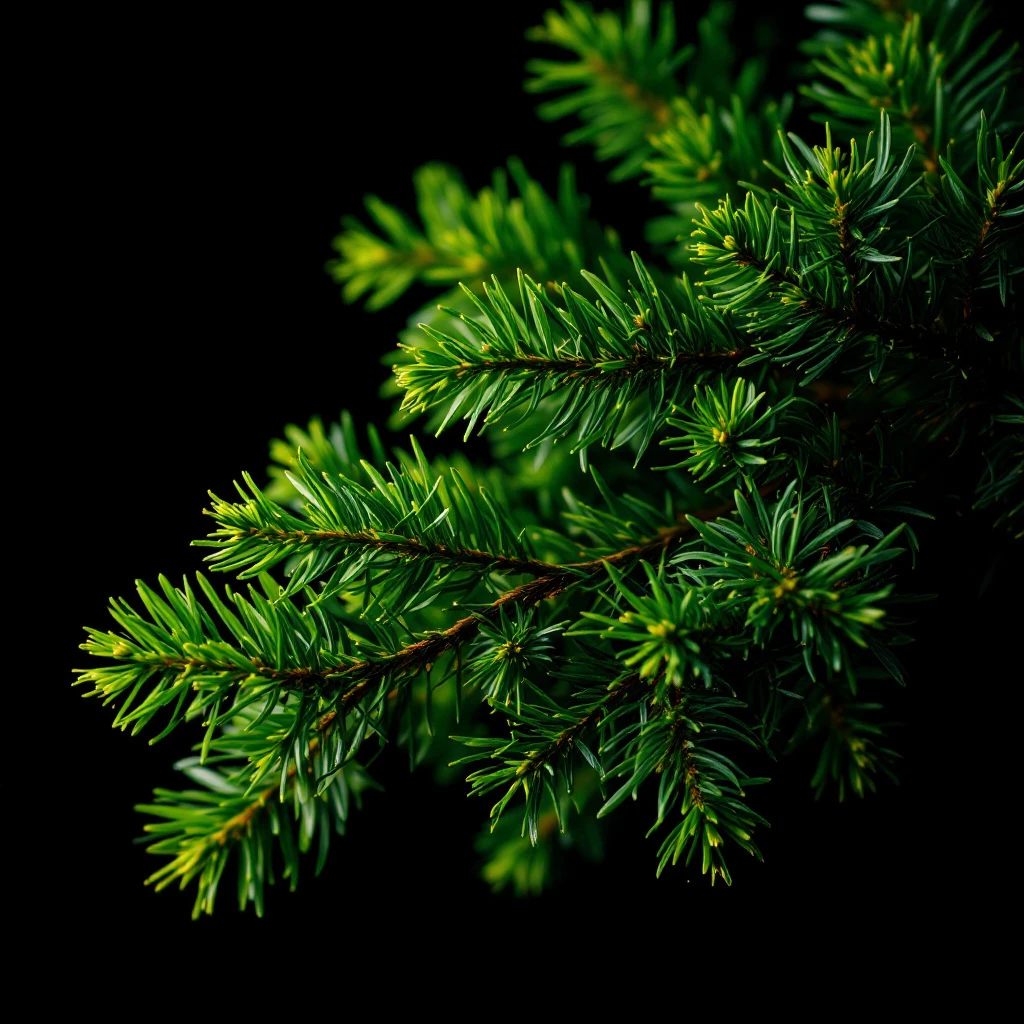
Sawara cypress from Japan's forests delivers a crisp, coniferous aroma with subtle citrus and resinous undertones. Steam-distilled from needles and twigs, it brings forest clarity to fine fragrance compositions.
Character
How it smells
Ancient Japanese forests, bottled clarity
Alpha-pinene dominates Sawara cypress oil at 30-60% of its composition, giving it a distinctly coniferous character.






Origin
Japan
Sawara cypress has shaped Japanese material culture for centuries. The wood of Chamaecyparis pisifera proved invaluable for temple construction, shrine buildings, and traditional bathhouses, prized for its natural resistance to decay and pleasant aroma. Japanese craftsmen selected Sawara timber for its fine grain and self-preserving properties, qualities that translated into aromatic applications.
Distillers began extracting oil from needles and twigs as incense materials and for ritual purification. In Shinto tradition, cypress groves represented purity and connection to the divine, making Sawara a spiritually significant material. The aromatic wood featured in sacred spaces throughout Japanese history.
Contemporary Japanese perfumers have revisited this indigenous ingredient as interest in regional olfactory identities grows. Unlike western cypress (Cupressus sempervirens) with its Mediterranean heritage, Sawara carries the specific character of Japanese cedar forests, evoking the ancient sacred groves that once dominated Shinto worship. This regional specificity gives Sawara cypress its particular appeal among perfumers seeking authentic Japanese aromatic materials.
Wears it best
Fragrances featuring Sawara cypress


Brands
Brands known for Sawara cypress
Good to know
Questions, answered
The essentials on Sawara cypress in perfumery: how it smells, where it comes from, and how it behaves on skin.
What does Sawara cypress smell like?
Sawara cypress has a fresh, coniferous aroma with crisp citrus and subtle resinous undertones. Its scent profile is clean and forest-like, dominated by alpha-pinene with hints of camphene and limonene, offering a distinctly Japanese forest character.
How is Sawara cypress oil produced?
Sawara cypress oil is produced through steam distillation of fresh needles and twigs. Pressurized steam passes through harvested plant material, rupturing aromatic glands and releasing volatile compounds that condense into essential oil. Japan remains the primary source for this material.
How does Sawara differ from common cypress?
Sawara (Chamaecyparis pisifera) is a false cypress native to Japan, while common cypress refers to Cupressus sempervirens from the Mediterranean. Sawara offers a distinct aromatic profile with unique citrus and forest notes specific to Japanese forests, making it a regional alternative.
What fragrance families use Sawara cypress?
Sawara cypress appears primarily in aromatic and woody fragrance compositions. It works well in masculine colognes, fougere structures, and aromatic chypres. The oil functions as either a top note or heart note depending on the concentration used.
What notes pair well with Sawara cypress?
Sawara cypress combines naturally with woody materials like cedarwood, hinoki, and sandalwood. Citrus notes, especially yuzu and bergamot, enhance its fresh character. Green tea, vetiver, and aquatic notes also complement its forest-like profile.
Is Sawara cypress historically significant?
Sawara cypress held ceremonial and practical importance in Japanese culture for centuries. Japanese craftsmen used the wood for temple and shrine construction, traditional bathhouses, and incense production, valuing its durability and natural aromatic properties.
What are the main chemical components of Sawara cypress oil?
Alpha-pinene typically constitutes 30-60% of Sawara cypress oil, making it the dominant component. Secondary constituents include camphene and limonene, which contribute to its characteristic coniferous and citrus notes.
When should perfumers use Sawara cypress in fragrance development?
Perfumers use Sawara cypress when seeking authentic Japanese forest aromatics or regional specificity. It works as a top note for initial freshness or as a heart note to sustain coniferous character throughout the fragrance development process.