Japanese maple
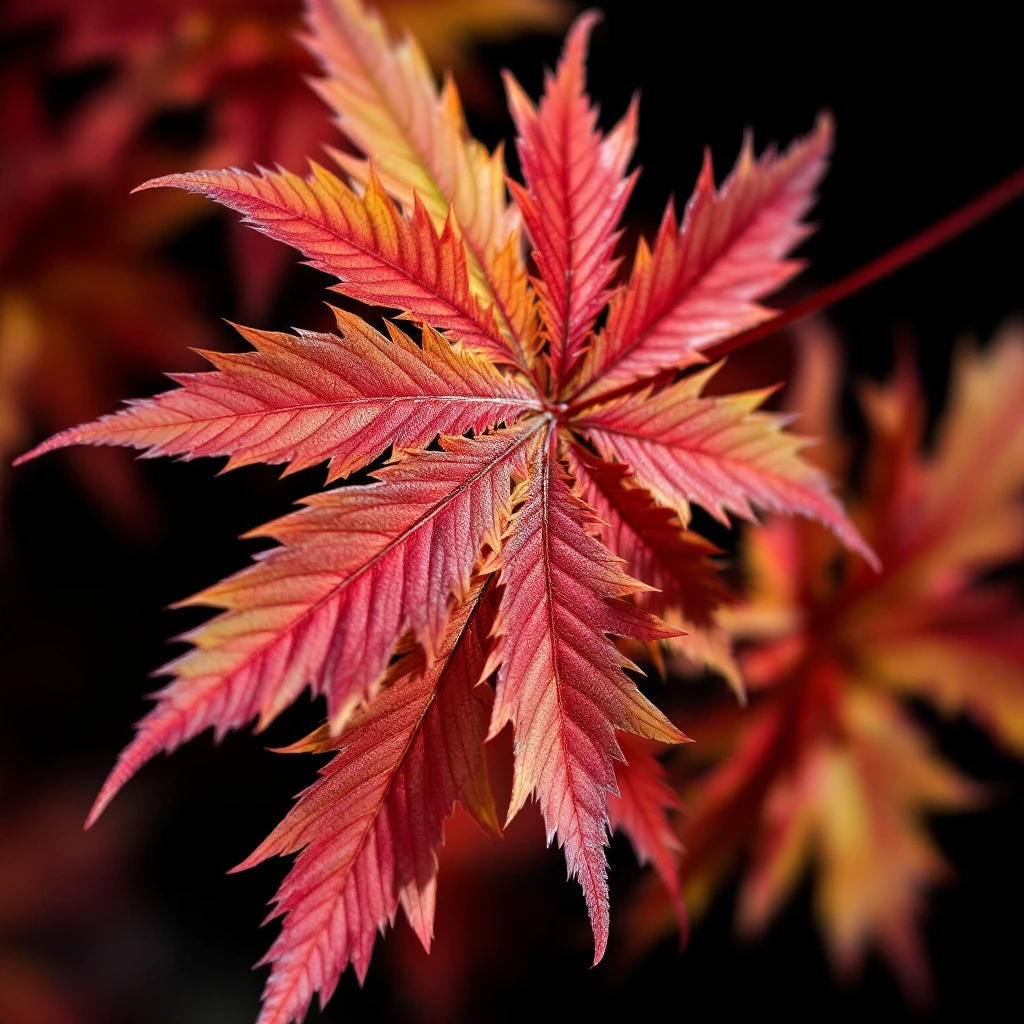
The warm, caramelized embrace of autumn leaves captured in a bottle. Japanese maple brings the fleeting brilliance of turning foliage to perfumery, a seasonal essence reconstructed through molecular precision that captures what nature creates only once a year.
Character
How it smells
Autumn brilliance, bottled.
No natural maple extraction exists in perfumery. The aroma comes from compounds like sotolon, the same molecule that gives aged rum its characteristic sweetness.



Origin
Japan
While Japanese maple (Acer palmatum) has no history as a perfumery ingredient, the tree holds profound cultural significance in Japan. Acer palmatum appears in traditional ink paintings, classical poetry, and the meticulous art of bonsai cultivation. The momijigari tradition dates to the Heian period (794-1185), when aristocrats began traveling to mountain temples to witness and celebrate the transformation of maple leaves from green to crimson.
This seasonal pilgrimage remains a cherished national pastime, with forecast maps tracking the progress of color changes across the archipelago. Perfumers borrowed the evocative imagery of this annual spectacle to create a note that captures autumn in motion: the first hint of sweetness in cooling air, the rustle of crimson leaves, the warmth of afternoon light filtering through a canopy of red and gold.
Wears it best
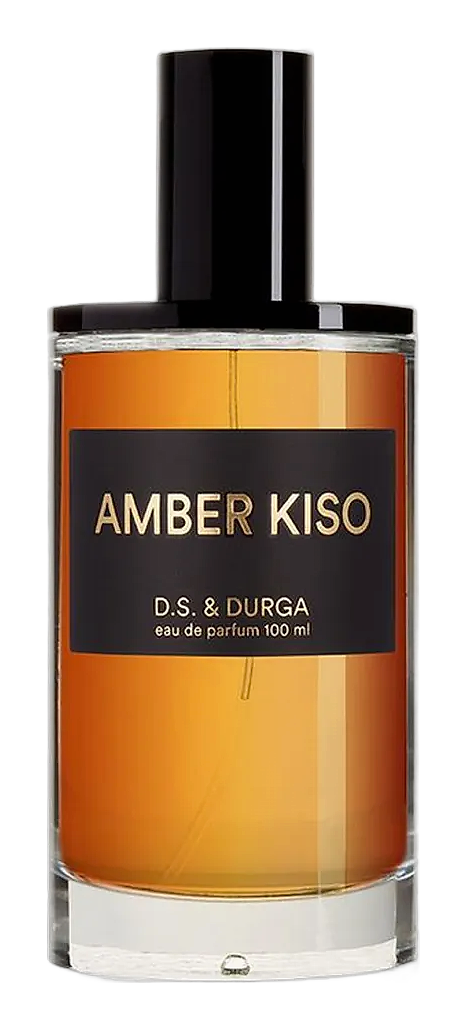
Fragrances featuring Japanese maple
Brands
Brands known for Japanese maple
Good to know
Questions, answered
The essentials on Japanese maple in perfumery: how it smells, where it comes from, and how it behaves on skin.
Is Japanese maple a natural fragrance ingredient?
No. Japanese maple does not undergo natural extraction. The aromatic profile is entirely synthetic, built from aroma molecules like sotolon and ethyl maltol that replicate the scent of autumn foliage.
What gives Japanese maple its characteristic smell?
Sotolon serves as the primary aroma compound. This cyclic lactone delivers the distinctive maple character, while ethyl maltol adds sweet, sugary depth and furaneol contributes caramelized nuances.
Can Japanese maple be extracted from the leaves?
No commercial extraction from maple leaves exists in perfumery. The note is always reconstructed synthetically, as natural leaf extraction yields insufficient aromatic material.
What fragrances use Japanese maple?
The note appears in autumn and seasonal collections across luxury and niche brands. It suits woody, gourmand, and amber compositions where warm sweetness enhances depth.
Does Japanese maple smell like maple syrup?
Partially. The synthetic reconstruction captures syrupy sweetness but also includes dry, leafy qualities reminiscent of fallen autumn foliage for a more complex effect.
What pairs well with Japanese maple notes?
Cedar, sandalwood, and other woody bases complement the note well. Vanilla, amber, and spices like cinnamon amplify its warm, autumnal character.
Is the maple note safe to use in cosmetics?
Yes. The constituent molecules like sotolon and ethyl maltol have established safety profiles and appear in fragrances and flavors regulated for cosmetic use worldwide.
Where does the inspiration for this note originate?
The momijigari tradition in Japan, where autumn maple viewing became a celebrated ritual during the Heian period (794-1185), inspires the cultural narrative behind this synthetic note.