Salted coconut
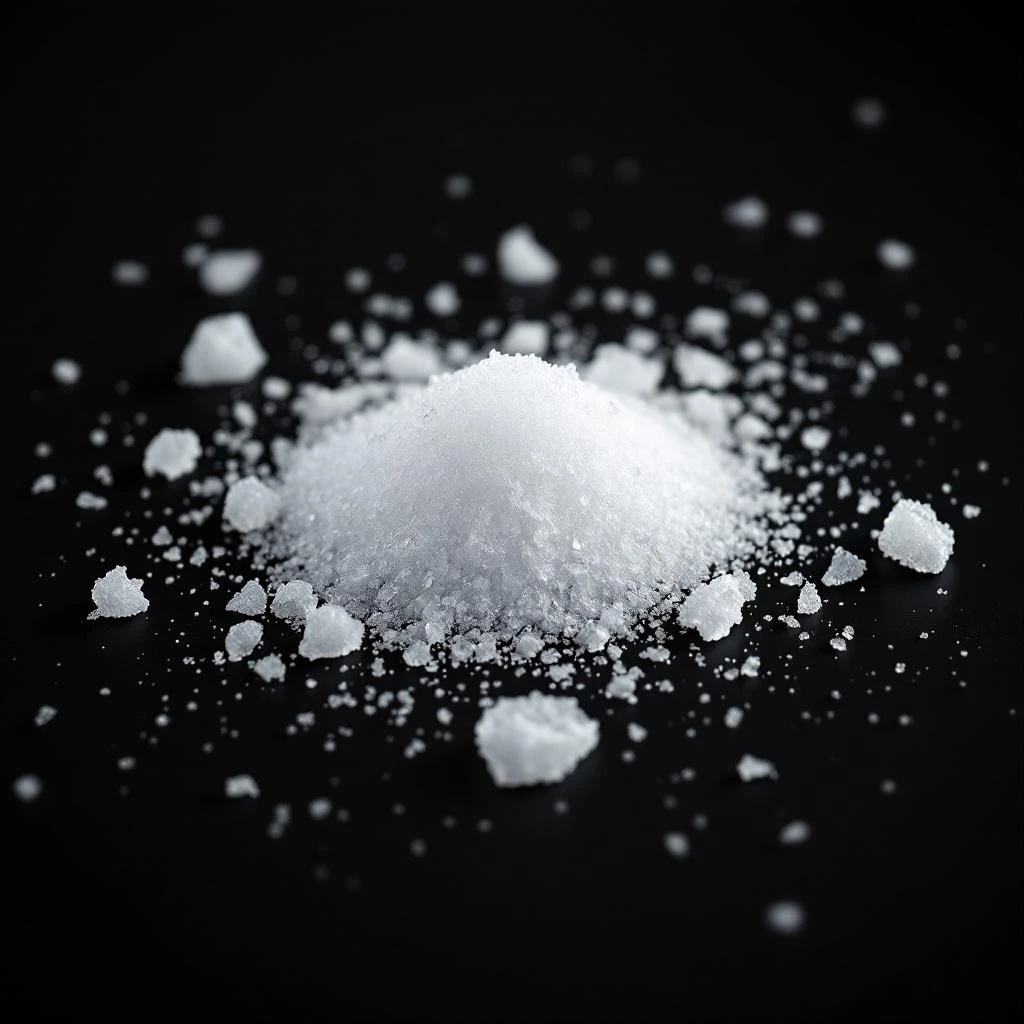
The sea meets the tropics in this marine-mineral interpretation of coconut. Salted coconut captures the warmth of sun-dried flesh and the briny depth of ocean air, creating a skin-like quality that feels both coastal and intimately warm.

Character
How it smells
Tropical warmth with a mineral ocean edge.
A single coconut palm produces 50 to 200 fruits annually, making it one of the most prolific fruit-bearing trees in tropical regions.






Origin
Philippines
Coconut has accompanied coastal civilizations for millennia, serving as food, oil, fiber, and building material across Southeast Asia, the Pacific, and tropical coastlines worldwide. Island communities developed an intimate knowledge of coconut preservation, often storing it near seawater or smoking it over open fires. These traditional practices introduced salt and smoke compounds into the coconut flesh, creating the mineral complexity that perfumers now seek to replicate.
When perfumers began working with tropical materials in the late nineteenth century, coconut joined the palette of exotic ingredients. The salted variant emerged as fragrance houses explored marine and beach-themed compositions, capturing the sensory reality of coconut growing steps from the ocean.
Wears it best
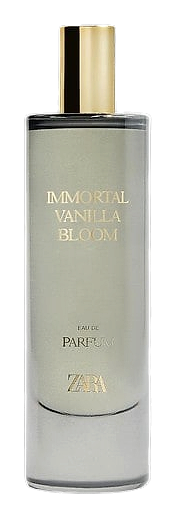
Fragrances featuring Salted coconut

Brands
Brands known for Salted coconut
Good to know
Questions, answered
The essentials on Salted coconut in perfumery: how it smells, where it comes from, and how it behaves on skin.
What does salted coconut smell like?
Salted coconut opens with the sweet, milky warmth of fresh coconut meat, then gains a mineral, almost briny quality from the salt component. The combination creates a beach-side impression that feels warm on skin, like sun-warmed skin after swimming in the ocean.
Is salted coconut a natural or synthetic ingredient?
Salted coconut in perfumery typically combines natural coconut absolute with either synthetic salt accords or natural sea salt compounds. The coconut component is natural, while the salt element may be derived from either natural or synthetic sources depending on the formulation.
Which fragrance families use salted coconut?
Salted coconut appears most often in tropical, oriental, and marine fragrance families. It bridges warm coconut notes and cool oceanic elements, making it valuable in beach-inspired compositions and exotic orientals that aim for a coastal sensibility.
How does salt change coconut in fragrance?
Salt amplifies coconut's sweetness while introducing mineral depth that prevents the note from becoming overly food-like. It creates a skin-like quality, as if the fragrance is part of the wearer rather than sitting on the surface.
What extraction method produces coconut absolute?
Coconut absolute comes from solvent extraction of dried coconut meat. Manufacturers use food-grade solvents to extract aromatic compounds from copra, then remove the solvent to produce a concentrated absolute with the characteristic coconut scent.
Where does coconut for perfumery originate?
The Philippines leads global coconut production, followed by Indonesia and India. These tropical nations provide the dried coconut meat (copra) that perfumers use as the raw material for extracting coconut absolute and other coconut-derived ingredients.
Does salted coconut work in all seasons?
Salted coconut suits warm-weather fragrances best, where its beach-like quality reads naturally. However, perfumers sometimes use it in autumn and winter compositions to add unexpected warmth and a link to memory of summer.
How long does salted coconut last on skin?
Coconut notes typically last 3 to 5 hours on skin, making them moderate in longevity. The salt component can extend the perceived freshness of the note by adding mineral brightness that keeps the coconut feeling vibrant even as it fades.