Rust
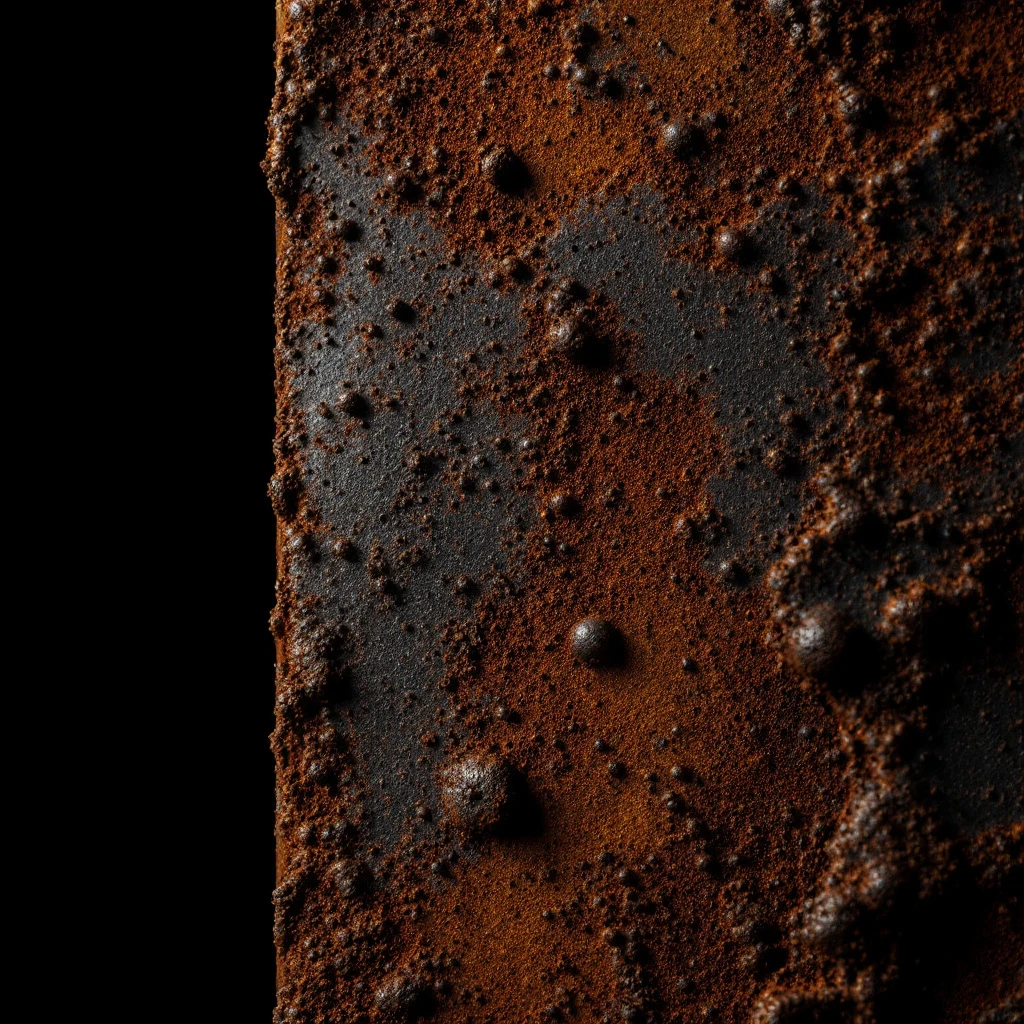
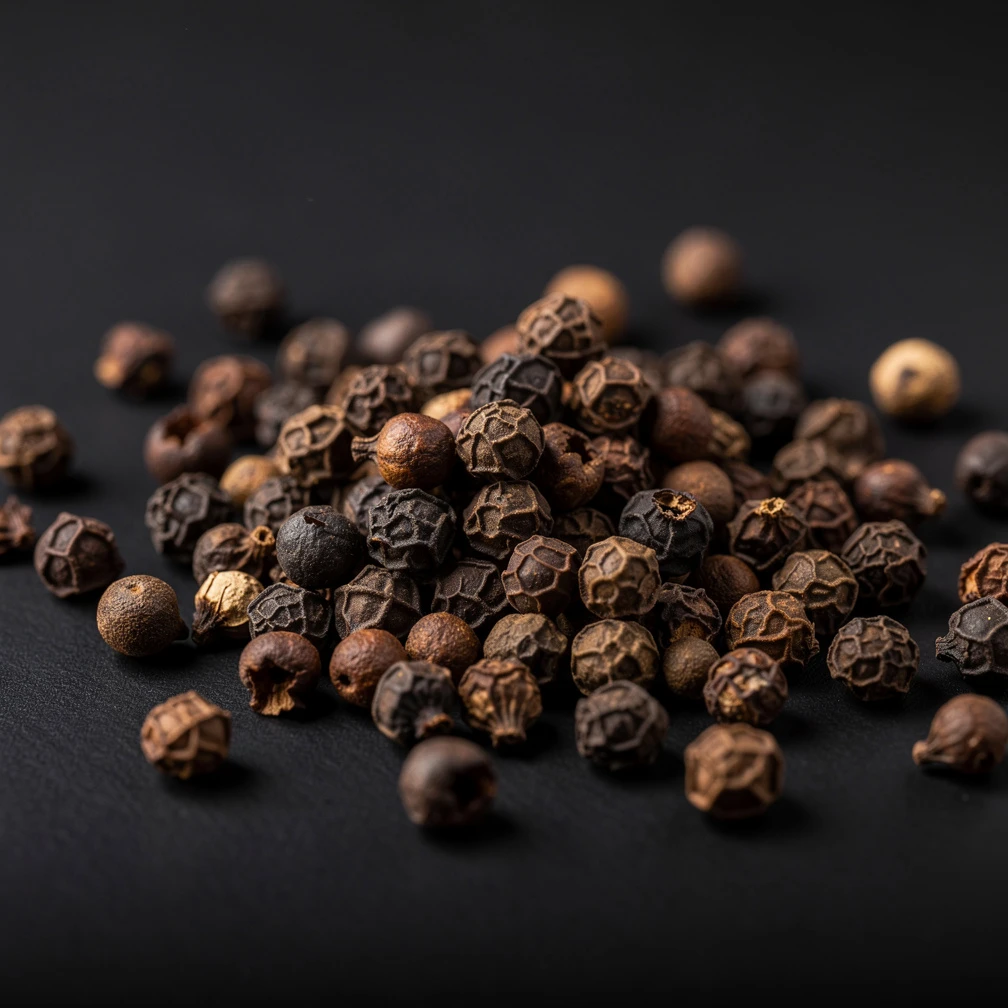
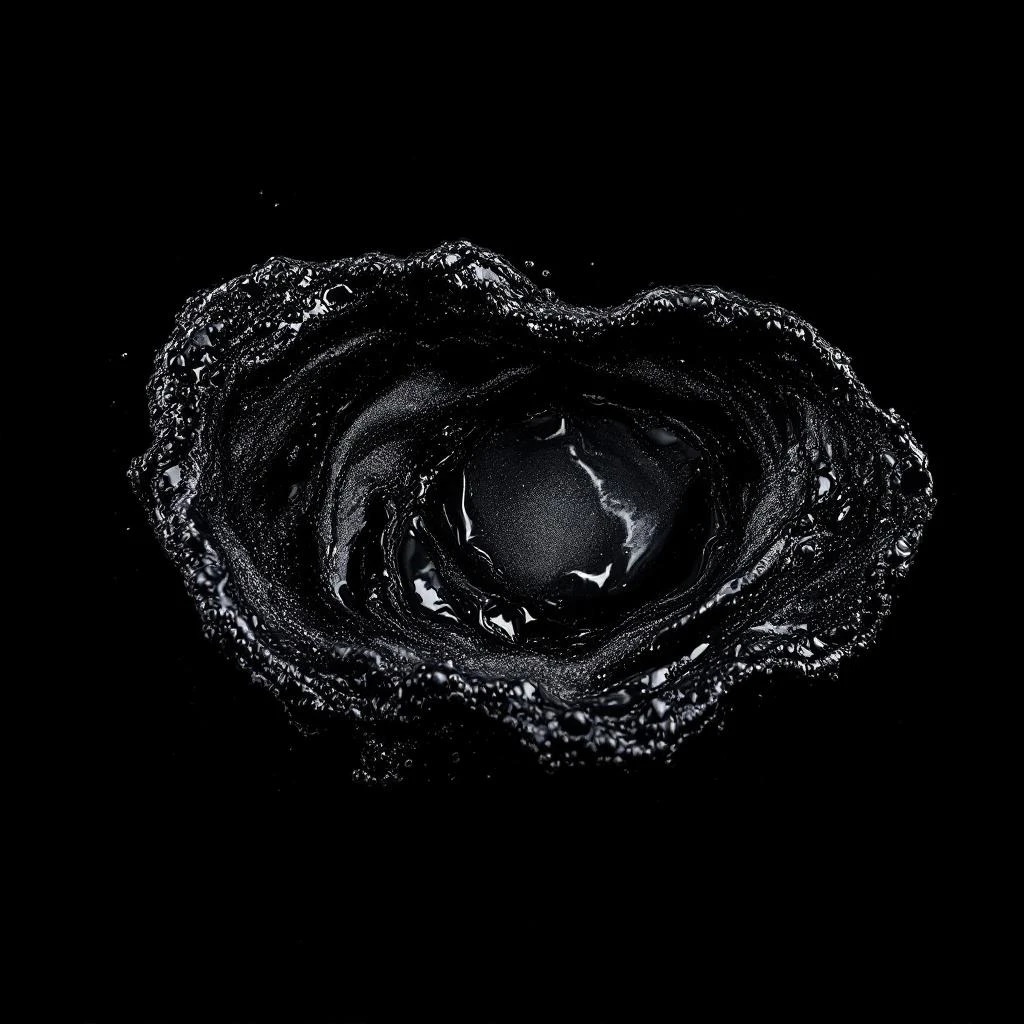
Rust is a conceptual mineral note that evokes oxidized iron, damp earth and the scent of rain striking dry stone. Perfumers recreate oily, mineral impressions using specialty accords built from natural isolates and modern aroma chemicals.
Character
How it smells
The smell of oxidized metal and freshly turned earth.
The mineral petrichor—one component of Rust accords—was first chemically identified in 1964 by Australian researchers Bear and Thomas.

Origin
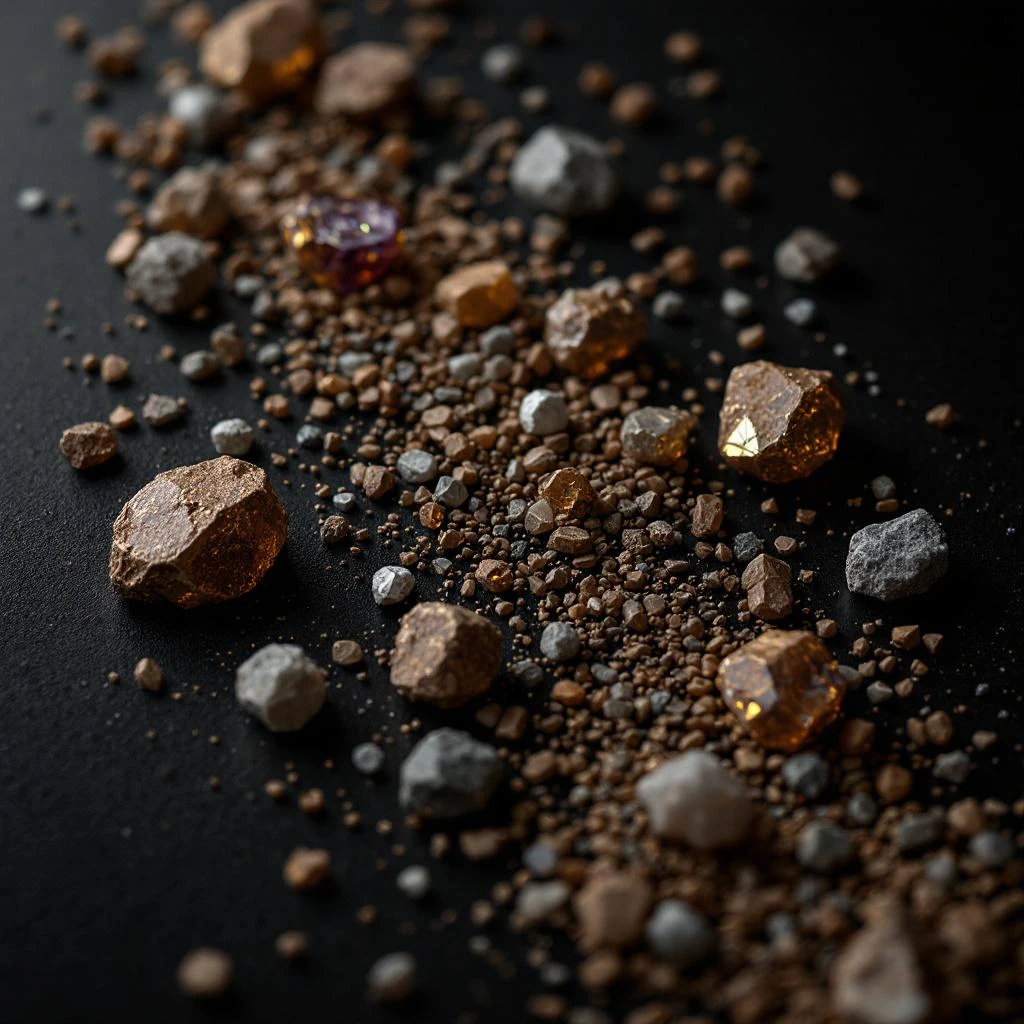
Multiple sources (Iceland, Japan)
Formal recognition of mineral and metallic notes in perfumery emerged only in the 2010s, when a wave of avant-garde perfumers began incorporating unusual natural source materials into their compositions. Before this period, perfumers achieved earthy mineral impressions through accident, such as iron-contaminated distillation equipment imparting metallic threads to otherwise floral materials. The 2010s expansion of natural perfumery revived interest in sourcing minerals and soils directly.
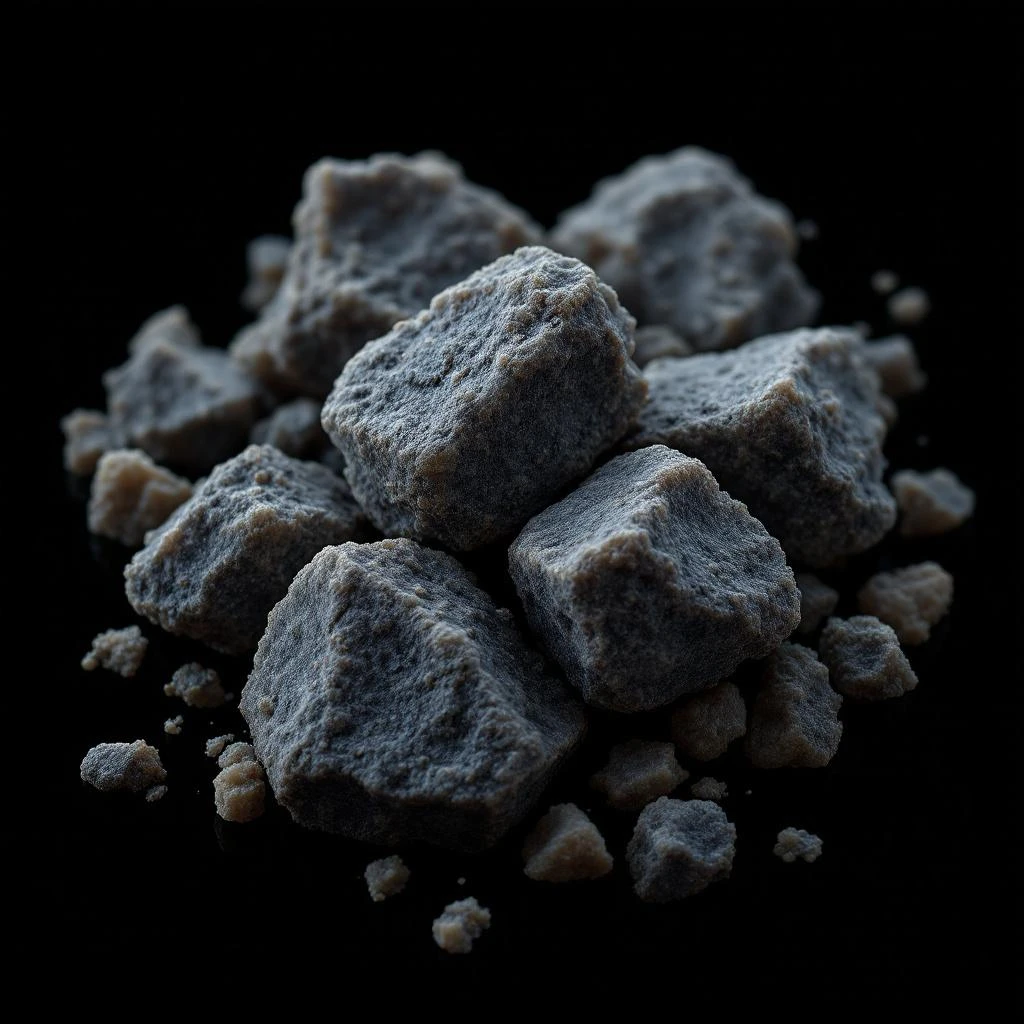
Artisanal houses began working with volcanic rock, iron-rich clays and specially prepared mineral isolates, expanding palette vocabulary beyond the traditional woody, floral and animal categories. Rust as a named accord remains a contemporary invention, reflecting perfumery's continual expansion into territory once considered outside the aesthetic range of fragrance.
Wears it best
Fragrances featuring Rust


Brands
Brands known for Rust
Good to know
Questions, answered
The essentials on Rust in perfumery: how it smells, where it comes from, and how it behaves on skin.
What is Rust in perfumery?
Rust is a conceptual mineral note that captures the impression of oxidized metal, damp earth and newly fallen rain on stone surfaces. It exists as a skilled accord rather than a single extracted ingredient.
Is Rust a natural or synthetic material?
Rust notes are typically hybrid. Perfumers combine natural mineral isolates with modern aromatic synthetics to achieve the full-bodied, oily mineral character that no single ingredient replicates alone.
What does a Rust accord smell like?
The scent defies easy comparison. It reads as earthy, mineral and subtly metallic, with an ozonic quality. Drydowns often recall wet sandstone, rain-soaked clay or the interior of an old iron gate.
Where do perfumers source Rust ingredients from?
Some obtain mineral isolates from volcanic regions, especially Iceland and Japan, where iron-rich volcanic geology produces distinctive soil extracts. Others build Rust accords entirely from specialty aroma chemicals.
Is Rust safe to wear on skin?
Individual components within a Rust accord must meet IFRA compliance standards, which they typically do. The accord itself contains no actual rust metal. As with any specialty material, patch testing is advisable for sensitive skin.
What fragrance families pair well with Rust notes?
Rust bridges well with woody and mineral bases—vetiver, cedar and sandalwood—and works as a counterpoint to fresher top notes like ozonic marine or green galbanum.
When did Rust notes first appear in commercial perfume?
Mineral and metallic accords gained traction in the early 2010s as avant-garde and niche perfumers sought olfactory territory unexplored by traditional fragrance families. Rust as a named accord emerged from this movement.
Does Rust function as a fixative in fragrance?
Rust does not share the fixative properties of heavy resins or animal musks. Its role is primarily tonal—it adds mineral depth and earthy realism that grounds lighter, more volatile top notes.