Rockrose
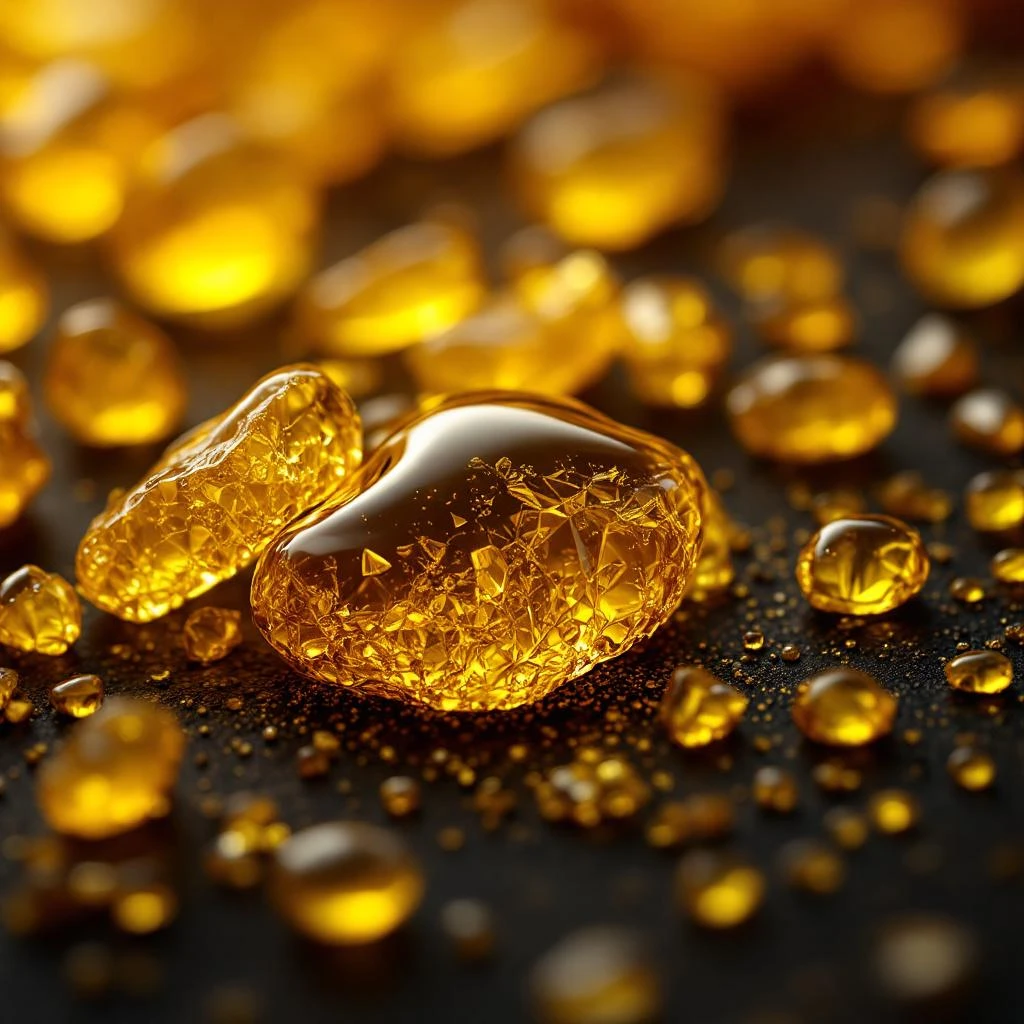
Wild-harvested in the hills of southern Spain, rockrose yields a resinous, honeyed Absolute prized in oriental and chypre compositions. Its complex scent defies simple categorization.
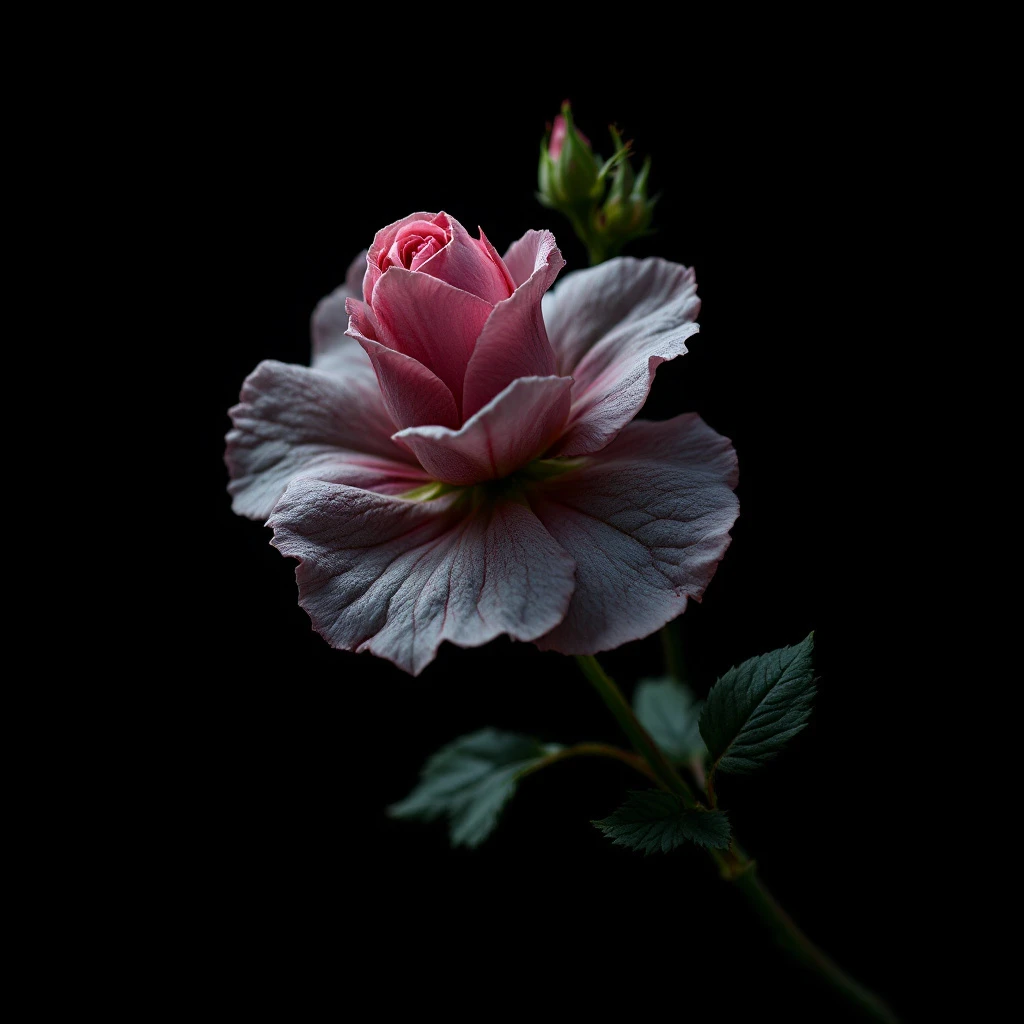
Character
How it smells
Mediterranean resin, ancient remedy.
Greek physicians documented rockrose for wound treatment. Modern science has validated its antimicrobial properties.
Pairs beautifully with

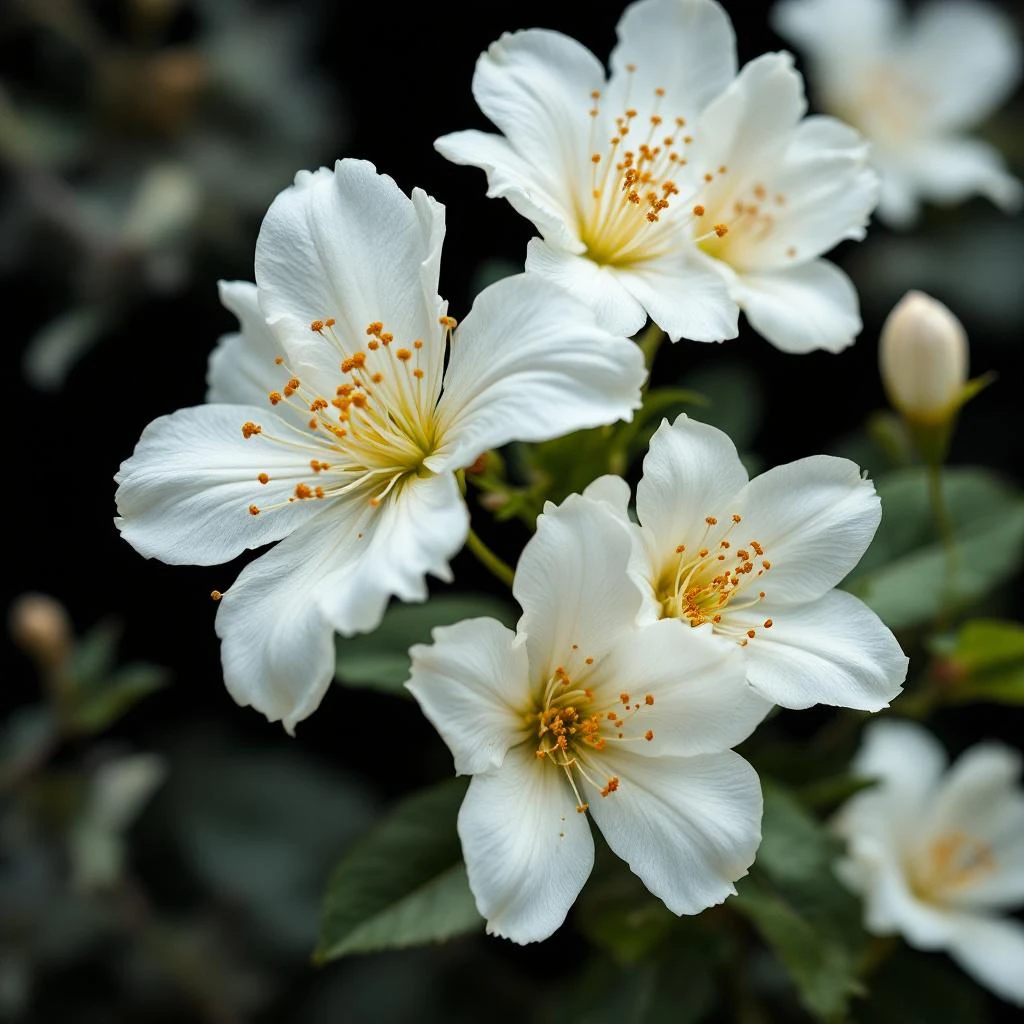
Origin
Spain
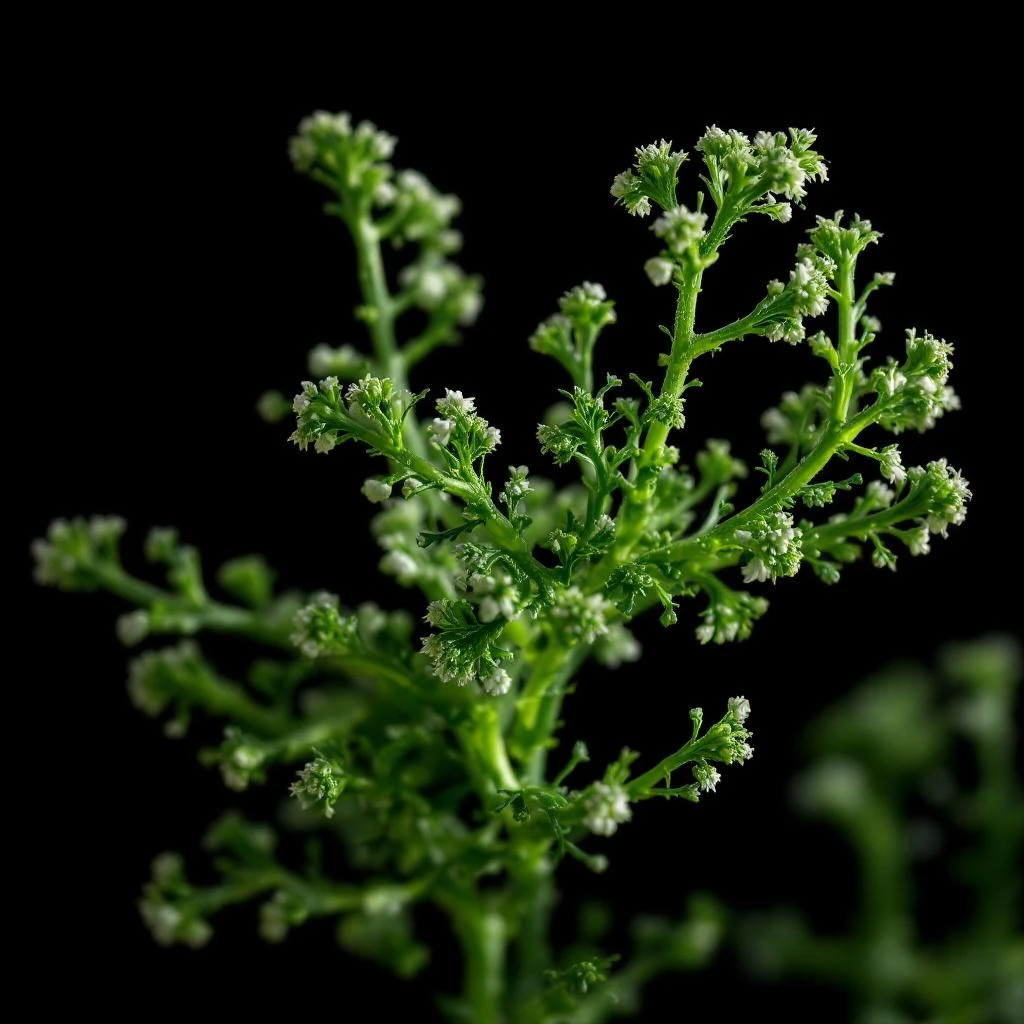
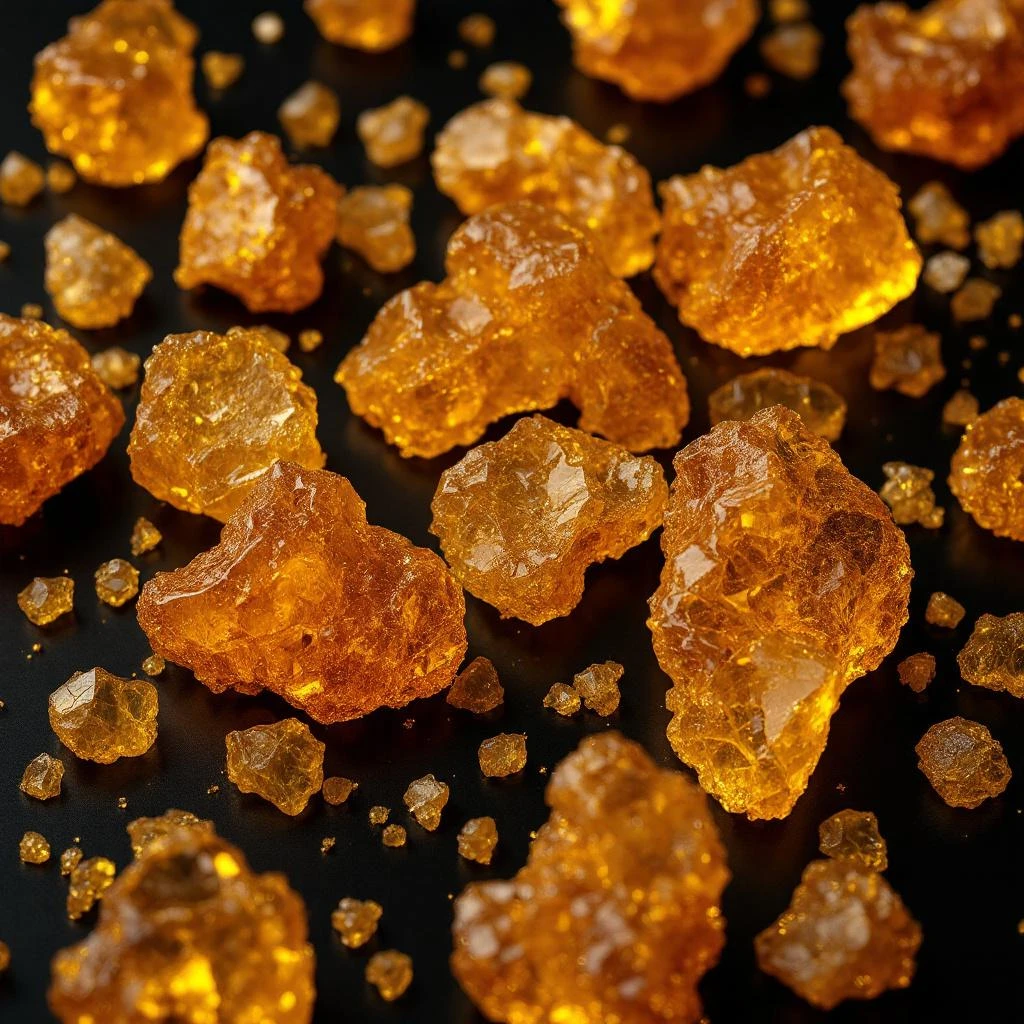
Cistus ladanifer takes its botanical name from the Greek word ladanon, referencing the sticky resin that ancient peoples collected from the plant's leaves. The Phoenicians and later the Greeks harvested this resin by boiling brush in water and skimming the floating aromatic compounds.
Aristotle mentioned the substance in his writings on natural philosophy. Mediterranean cultures valued the plant not only for fragrance but also for medicinal applications, using preparations to treat wounds and respiratory conditions.
The perfume industry adopted rockrose in the nineteenth century as perfumers sought new natural ingredients to build complex fragrance compositions. Today, it remains a fixture in chypre and oriental fragrance families, valued for its ability to anchor and round compositions.
Wears it best
Fragrances featuring Rockrose
Brands
Brands known for Rockrose
Good to know
Questions, answered
The essentials on Rockrose in perfumery: how it smells, where it comes from, and how it behaves on skin.
What does rockrose smell like?
Rockrose Absolute presents warm, resinous top notes with honeyed undertones and a dry, ambery drydown. The scent carries balsamic warmth that pairs exceptionally well with labdanum, cistus, and woody base materials.
Is rockrose the same as rose?
No. Rockrose (Cistus ladanifer) belongs to the Cistaceae family, completely separate from Rosa species used in perfumery. The common name derives from its rose-like appearance, not botanical relation.
Where does rockrose grow?
Rockrose thrives in Mediterranean climates. Spain produces most of the global supply, particularly in Andalusia. You will also find it growing wild in Portugal, Morocco, and Greece.
How do producers extract rockrose Absolute?
Harvesters collect wild brush in late summer when resin concentration peaks. They use solvent extraction to draw the aromatic compounds from the leaves and stems, producing a viscous, dark Absolute.
What traditional uses does rockrose have?
Ancient Greek physicians documented rockrose for wound treatment and respiratory issues. Mediterranean cultures harvested the resin by boiling brush and skimming floating compounds for medicinal preparations.
Which fragrance families use rockrose?
Perfumers employ rockrose primarily in chypre and oriental compositions. It serves as a fixative and base note, adding warmth and complexity to men's and unisex fragrances alongside materials like labdanum and sandalwood.
How does rockrose compare to labdanum?
Both originate from Mediterranean cistus species and share resinous, warm characteristics. Rockrose tends toward sweeter, honeyed notes while labdanum carries more leathery, tar-like qualities. They often appear together in formulations.
Is rockrose harvested sustainably?
Most rockrose comes from managed wild harvesting in Spain. Sustainable practices involve rotating harvest areas and limiting annual collection to allow plant populations to regenerate naturally.