Red spiderlily
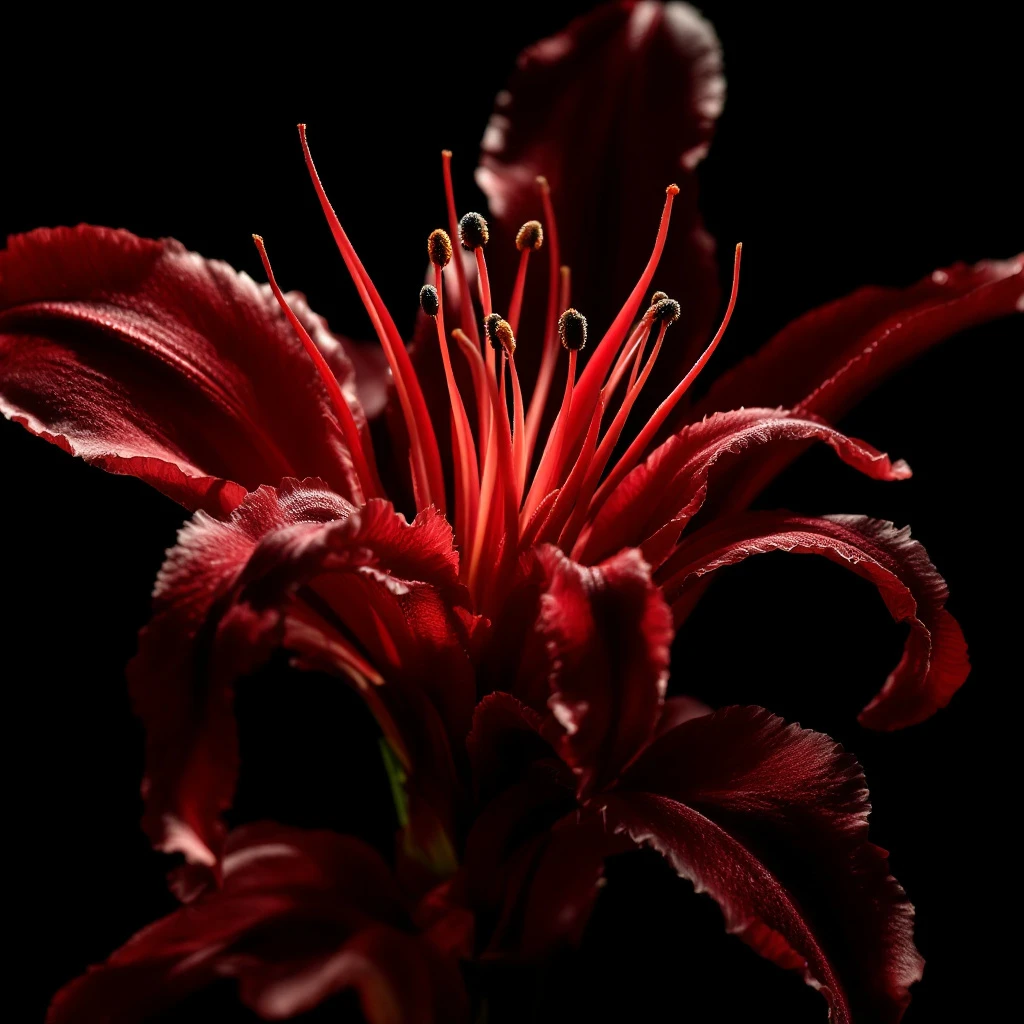
Red spider lily commands late-summer gardens with shocking scarlet blooms that erupt from bare earth, leafless and unapologetic. In perfumery, its accord captures a crisp green-floral freshness that reads as both exotic and hauntingly delicate.
Character
How it smells
Late summer's scarlet warning, rendered in scent.
Lycoris radiata blooms appear before any leaves emerge, an effect called hysteranthous, giving the impression of naked flower stems erupting from soil.


Origin
Japan
Lycoris radiata originated in China's Yangtze River valley, spreading naturally across Japan, Korea, and the Philippines over centuries. Known in Japan as manjushage, the flower carries Buddhist significance tied to reincarnation and is said to carpet the paths leading to other realms. Japanese samurai embedded the flower in folklore, associating it with fallen warriors.
The species reached North American horticulture through Satyronic Exchange in the 1840s, when Japanese botanical gardens sent specimens to American counterparts, introducing the dramatic late-summer bloomer to Western cultivation. Its autumn festival presence at Buddhist temples across East Asia cemented its cultural weight as a flower of remembrance and seasonal transition.
Wears it best
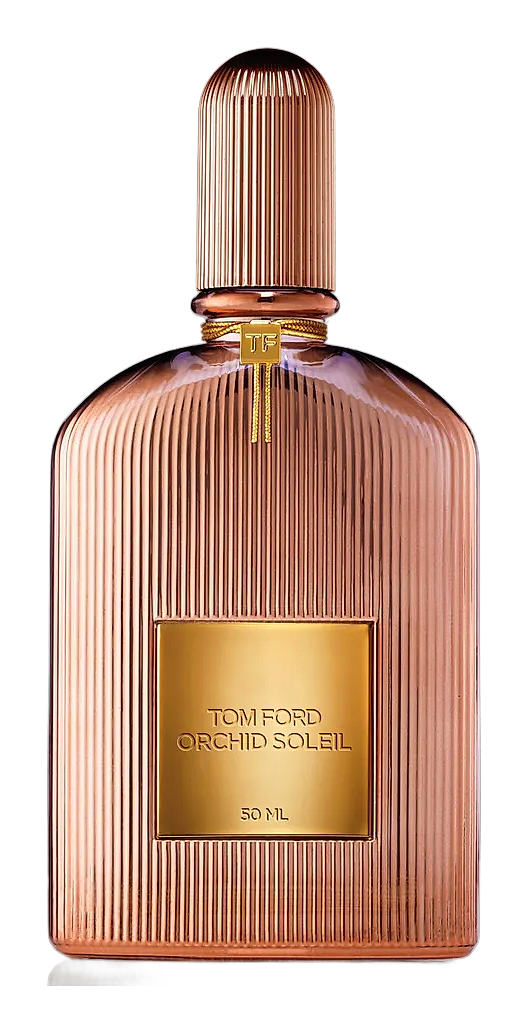
Fragrances featuring Red spiderlily
Brands
Brands known for Red spiderlily
Good to know
Questions, answered
The essentials on Red spiderlily in perfumery: how it smells, where it comes from, and how it behaves on skin.
Can red spider lily be extracted for perfume?
Red spider lily does not yield an extractable perfume oil. The flower contains toxic alkaloids, making standard extraction methods dangerous and impractical. Perfumers create the scent through synthetic aroma chemical accords instead.
What does red spider lily smell like in perfume?
Red spider lily accord reads as fresh, green, and cream-floral. Reconstructed versions aim for a crisp lily character with green undertones, distinct from heavier white florals or indolic tuberose.
Is red spider lily used in mainstream perfumes?
The note appears primarily in niche and artistic fragrances. Major perfume houses reference the accord for its cultural resonance rather than widespread commercial application.
What is the scientific relationship between spider lily and other lilies?
Lycoris radiata belongs to the Amaryllidaceae family, technically making it a member of the amaryllis genus rather than the true lily family Liliaceae.
Where does red spider lily grow natively?
The species originated in China's Yangtze River valley and spread across Japan, Korea, and coastal areas, thriving in USDA hardiness zones 5 through 10.
What chemistry creates lily fragrance in perfumery?
Hydroxycitronellal ranks among the most-used aroma chemicals for lily reconstruction, delivering fresh, dewy, and lilial characteristics along with cycloacetyl and rose oxide.
Why is red spider lily significant in Japanese culture?
Called manjushage in Buddhist tradition, the flower symbolizes reincarnation, non-attachment, and remembrance. It commonly grows near graves and temple paths, marking autumn festivals.
How does red spider lily physically bloom?
The species blooms hysteranthously, meaning flowers emerge from bare ground before any leaves appear, creating dramatic leafless scarlet stems rising directly from soil in late summer.