Red Soil
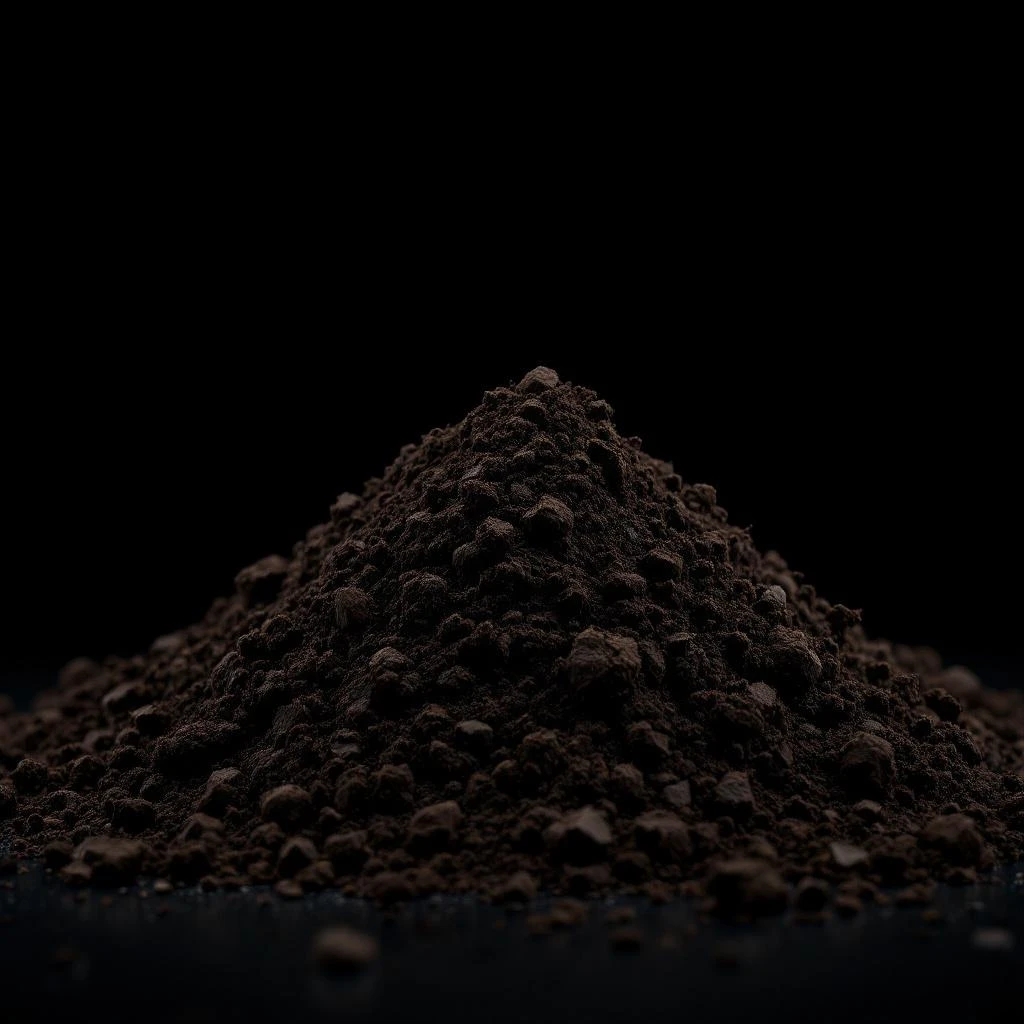
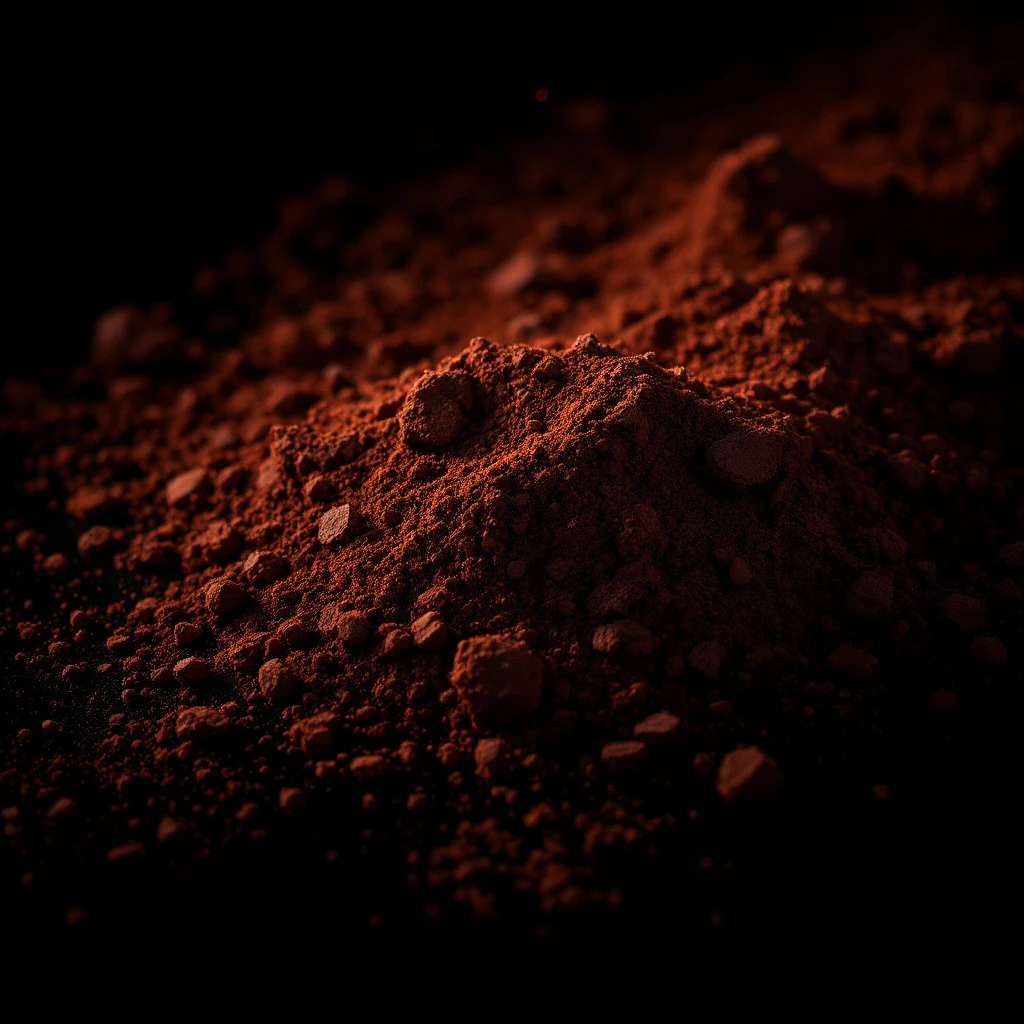
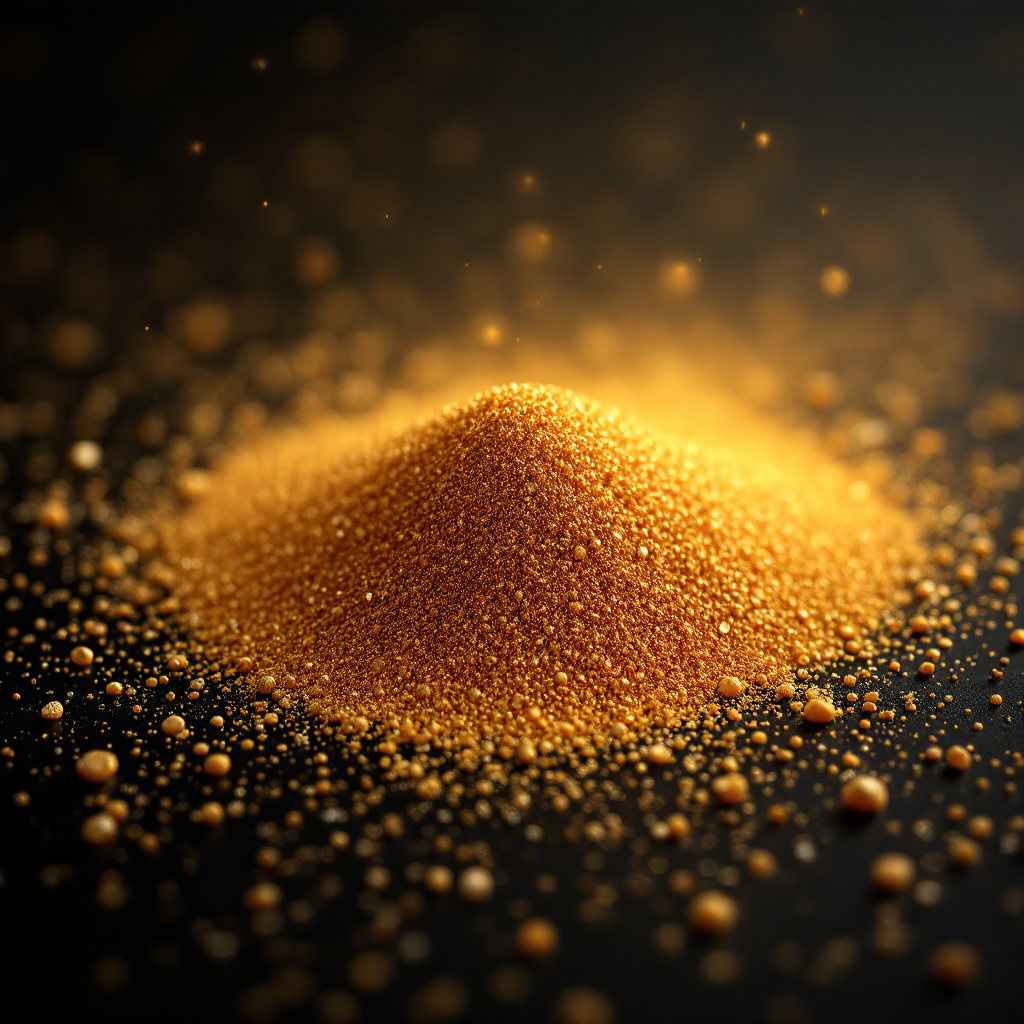
Red soil captures the mineral warmth of sun-baked earth, lending perfumes a raw, grounding depth that evokes rain on parched ground and ancient landscapes.
Character
How it smells
Warm earth, bottled.
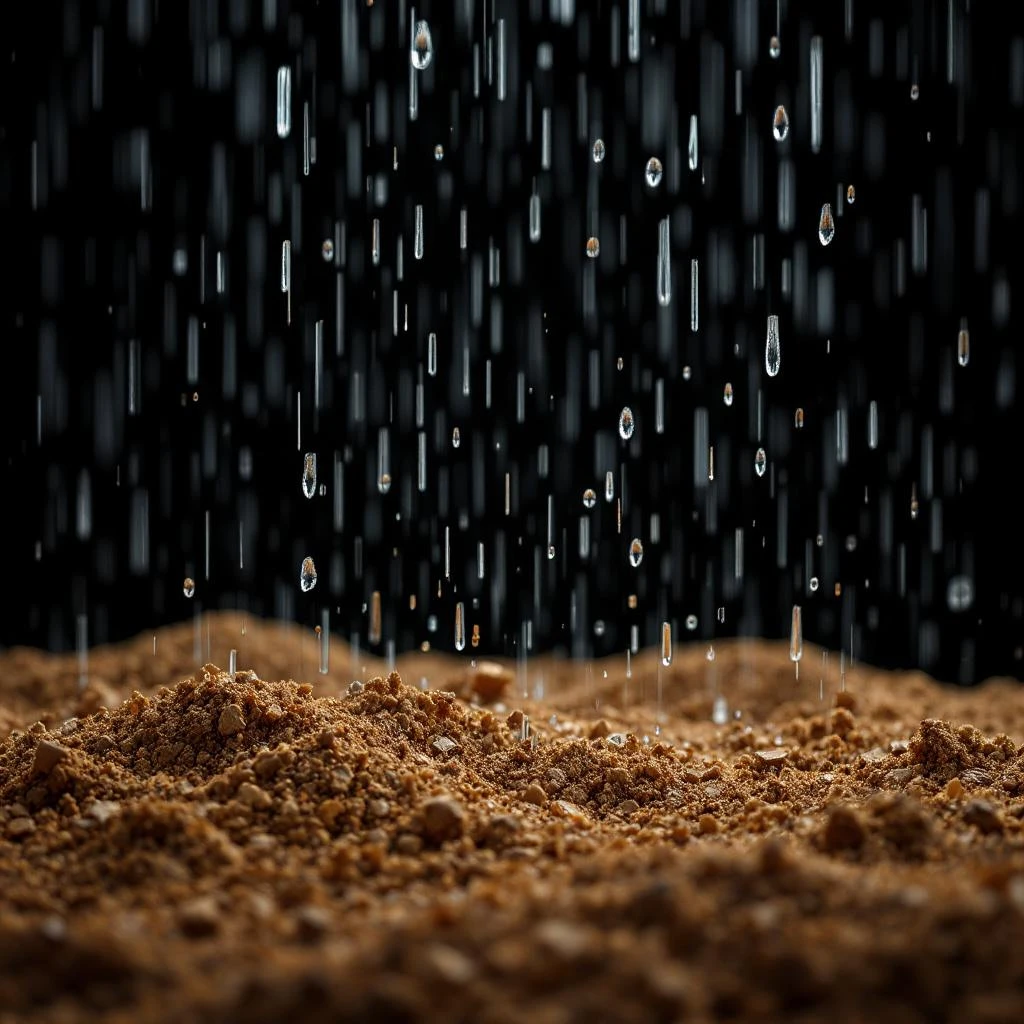
Perfumers turn to soil tinctures to recreate petrichor, the compound responsible for that distinctive smell after rain falls on dry ground.
Pairs beautifully with
Origin
Australia
Earth as a perfumery material predates written records. Early ritual practices across Mesopotamia involved burning soils and clays alongside resins, an act preserved in cuneiform tablets dating back roughly four thousand years. Tapputi, the Babylonian perfumer often credited as history's first recorded chemist, worked with materials drawn directly from the ground.
The deliberate capture of soil scent in liquid form emerged during the eighteenth century, when European apothecaries prepared tinctures for medicinal and aromatic purposes. These preparations sat largely forgotten in mainstream perfumery until the late twentieth century, when independent perfumers began reintroducing raw, natural notes into fine fragrance. Soil accords gained particular attention after the Australian perfumer Christophe Laudamiel popularized petrichor reconstructions in the early 2000s, drawing on decades of research into actinobacteria and the chemistry of wet earth.
Today, red soil appears in niche compositions seeking authenticity and a tactile sense of place, connecting modern wearers to a tradition that stretches back to the earliest rituals of scent.
Wears it best
Fragrances featuring Red Soil
Brands
Brands known for Red Soil
Good to know
Questions, answered
The essentials on Red Soil in perfumery: how it smells, where it comes from, and how it behaves on skin.
What does red soil smell like in perfume?
Red soil contributes a warm, mineral character that reads as damp earth with subtle metallic and sweet-vegetal undertones. It anchors compositions with a grounded, raw quality that synthetic molecules often struggle to replicate.
Is red soil a natural or synthetic ingredient?
Red soil is a natural material. Perfumers extract it via tincture, steeping mineral-rich earth in ethanol to capture its volatile aromatic compounds, including geosmin, the molecule responsible for the scent of rain on dry ground.
Why do perfumers use red soil tincture?
Perfumers use red soil to add realism to earthy accords and to evoke petrichor. It provides a biological and mineral depth that synthetic alternatives cannot fully reproduce, making it valuable in nature-inspired and avant-garde compositions.
Which perfumes contain red soil notes?
Red soil appears primarily in independent and niche fragrances, particularly those exploring geological or landscape themes. Specific compositions vary by house, and the ingredient is often part of proprietary blends rather than a standalone feature.
Is red soil safe to wear on skin?
Properly filtered red soil tincture is considered safe for fragrance use. Perfumery-grade preparations remove particulates and potential contaminants, leaving an ethanol-based liquid that behaves like other botanical tinctures in dilution.
What is the difference between red soil and regular soil in perfumery?
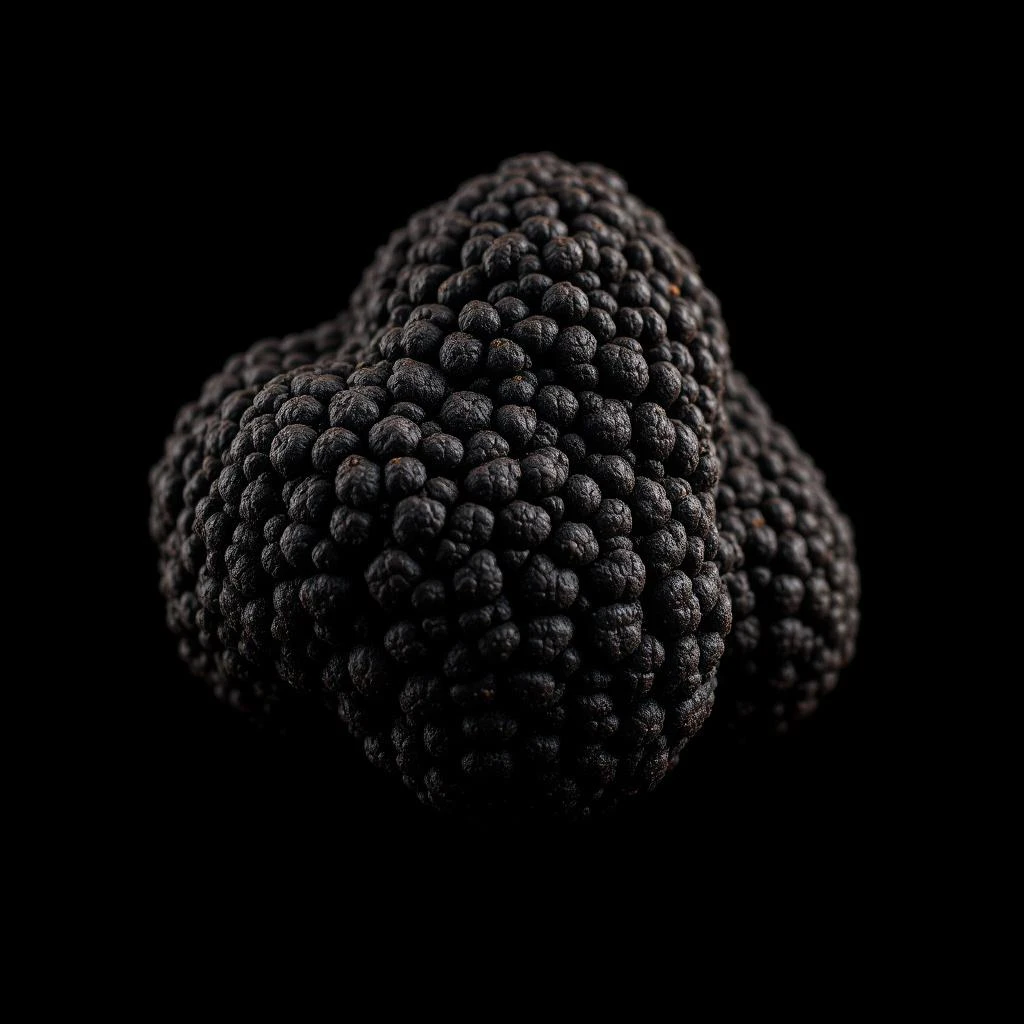
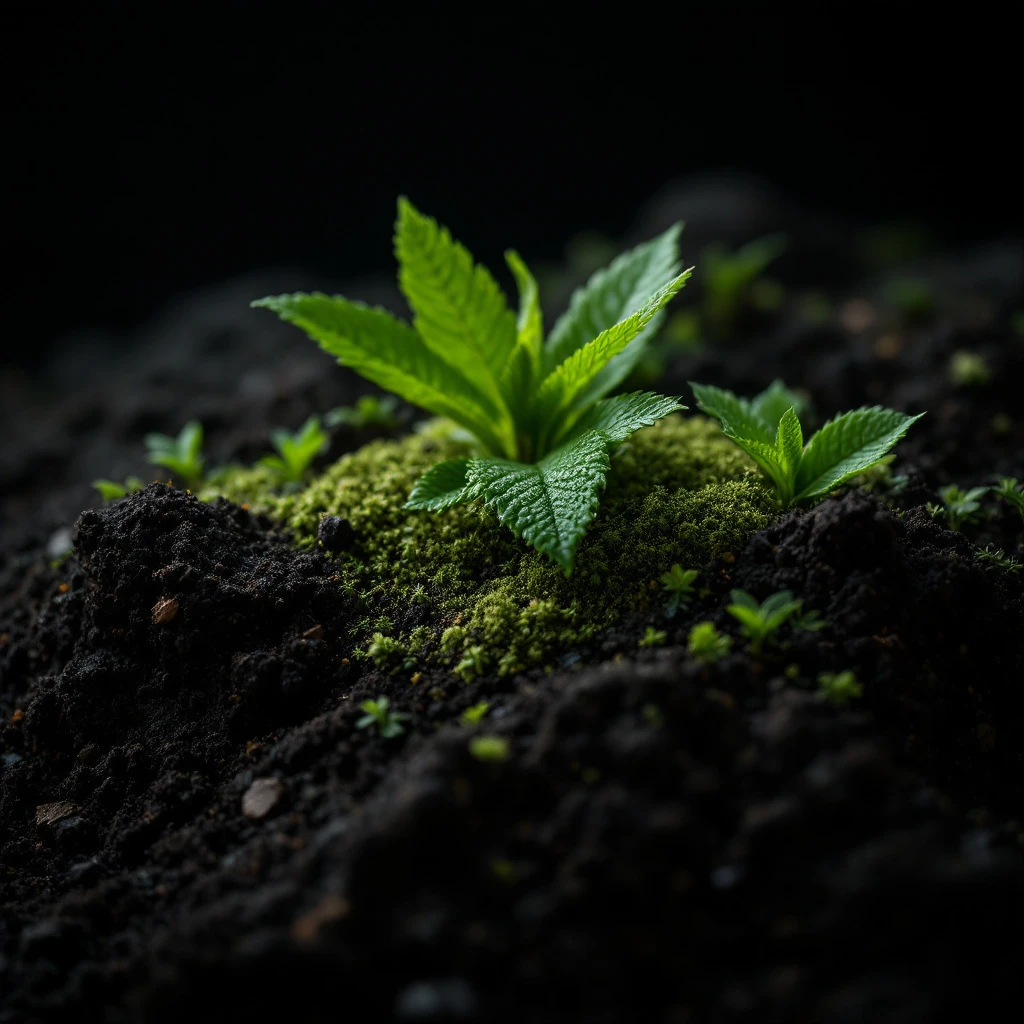
Red soil contains higher concentrations of iron oxide, which influences its aromatic profile and visual character. Its mineral composition yields warmer, slightly sweeter notes compared to darker soils, which tend toward mossier, more fungal tones.
When did perfumers start using soil in fragrances?
Soil tinctures entered perfumery in the eighteenth century through European apothecaries. They faded from mainstream use during the synthetic era and experienced renewed interest in the late twentieth and early twenty-first centuries.
Can red soil be replicated synthetically?
Synthetic molecules like geosmin and 2-methoxy-3-isopropylpyrazine approximate red soil's scent, but perfumers note that full natural complexity, including microbial and mineral nuances, remains difficult to reproduce outside the original material.