The Story
Why it exists.
The beginning
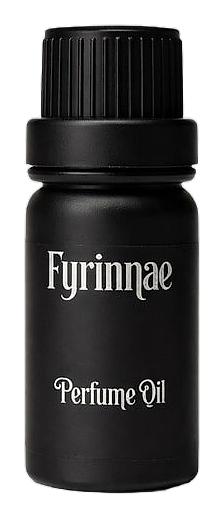
Haboob takes its name from a real thing, a violent dust storm that sweeps across arid regions and dry land areas throughout the world. The word itself is Arabic, meaning 'blasting' or 'drifting.' Not a gentle breeze through wheat fields. A wall of suspended earth, a moving mass of grit and particulate that swallows the horizon and reduces visibility to almost nothing. Fyrinnae released this composition as part of their Perfume Oil collection, a format that tends to amplify dry, mineral materials rather than burying them under alcohol and sillage. Where the format typically calls for sweetness or warmth to round out the oil, this one refuses. Haboob is sparse by design, almost sculptural in how little it offers.
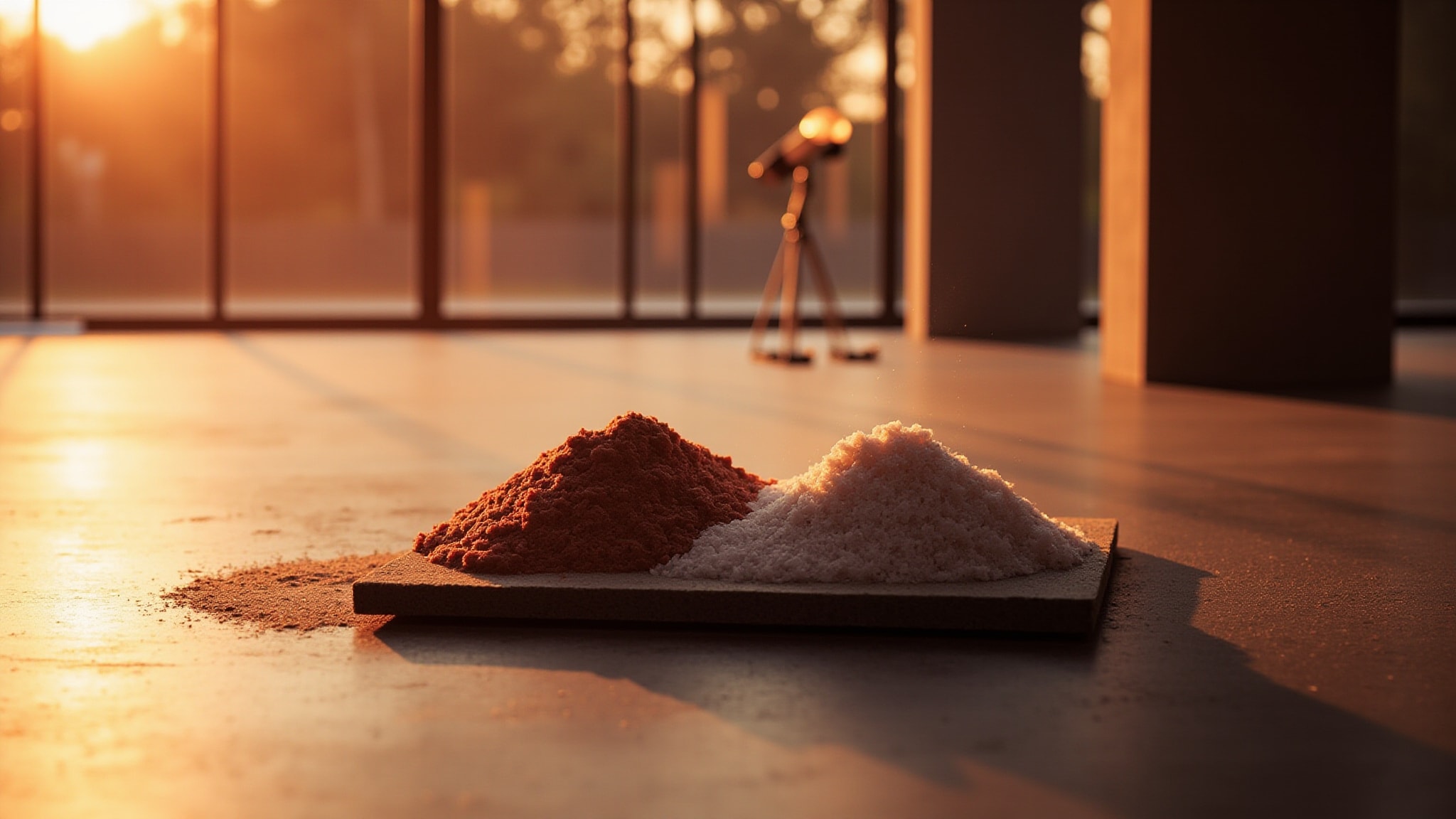
The composition runs on a very short list of materials: air accord, red soil, and sand. That's almost nothing, and that's the point. Most fragrances build with complexity, layering sweetness, woods, florals, and spices into dense accords. Haboob moves in the opposite direction, into mineral and dry, into atmosphere and ground. The air accord is what makes it wearable. Without it, this would be dirt in a vial. With it, the dirt becomes weather, the way wind carries grit but also carries the smell of distance, of open space, of nowhere in particular. The red soil note is what gives it warmth.
The evolution
The first spray is sharp and dry. The air accord hits immediately, almost like the intake of breath before a cough, and the sand note lands as a fine, gritty brightness that isn't sweet and isn't floral. It's mineral, like biting down on a pebble. Within ten minutes the red soil emerges. The dust begins to feel less like atmosphere and more like ground, less sky and more terrain. Something almost warm underneath, a low warmth that anchors the brightness from above. By the half-hour mark, the sharpness has softened. The fragrance settles into the skin and the sand note shifts from bright to muted, almost chalky, like dust settling on a windowsill after a long dry season. The air accord hasn't left. It's now the space between the other notes rather than a note itself, a kind of negative air that holds everything else apart. The drydown, three to four hours in, is the most surprising part.
Cultural impact
Haboob sits firmly in the atmospheric corner of perfumery, a category built on evocation rather than beautification. Sand and soil aren't materials most mainstream houses reach for. They don't photograph well, don't sell well in department stores, and don't read as 'likeable' on first sniff. So they end up in indie catalogues instead, where the expectation is that the wearer will sit with something strange and let it open slowly. The air accord in Haboob is what makes that possible. Most atmospheric fragrances lean so hard into realism that they become unwearable, novelty items you smell once and shelve.