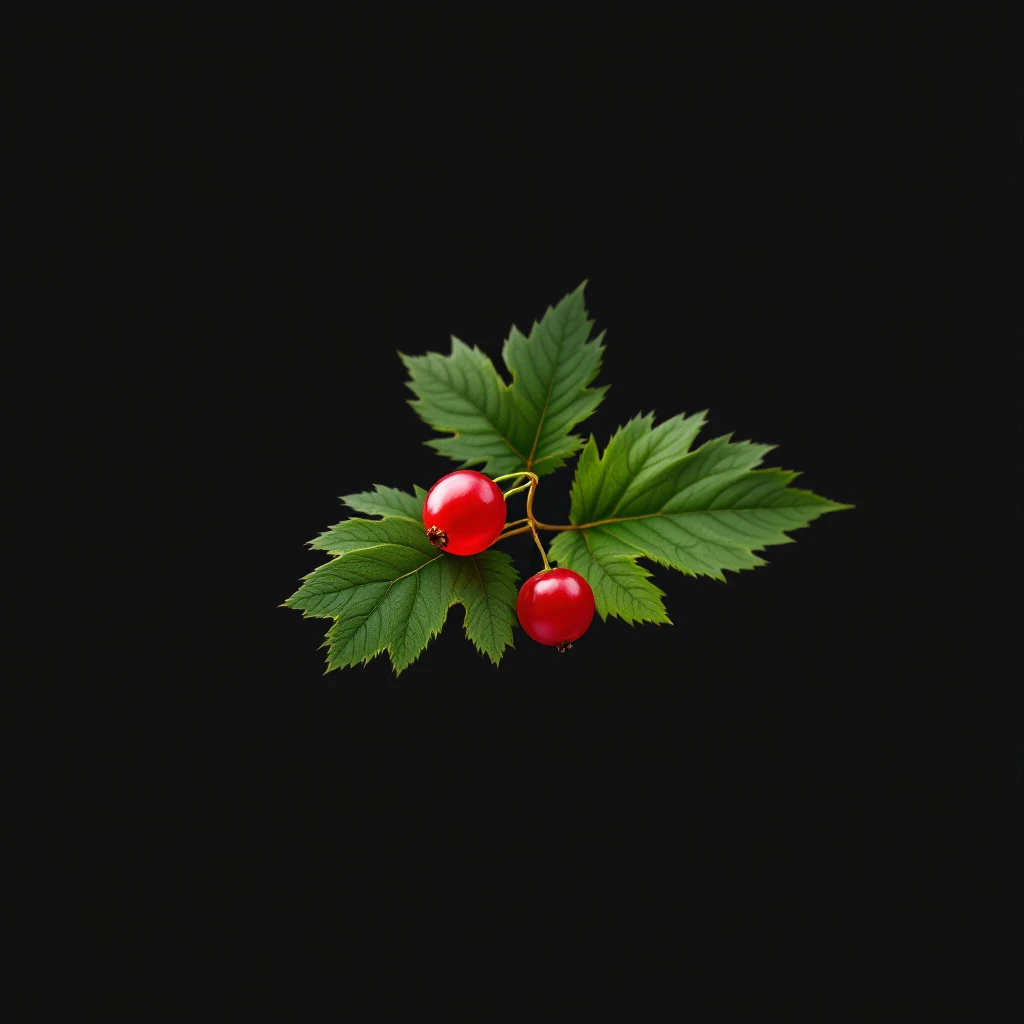
Red currant leaf
Green, fresh, and subtly tart. Red currant leaf brings a natural, garden-fresh quality to fragrances with a crisp herbal edge and bright, lively character.
Character
How it smells
The garden-fresh echo of the berry in leaf form.
Red currant leaf extraction became a perfumery alternative when blackcurrant bud prices rose sharply in the 1990s, giving perfumers an affordable green accord without sacrificing character.






Origin
France
Red currant (Ribes rubrum) has been cultivated across European gardens for centuries, valued primarily for its tart berries in culinary applications. The plant's aromatic leaves remained largely overlooked until perfumers began exploring green notes more systematically in the late 20th century. While blackcurrant bud gained recognition after Guerlain used it in Chamade (1969), red currant leaf emerged as a complementary material offering similar green, slightly tart characteristics at a lower cost.
Modern natural perfumery has embraced the note for its ability to add freshness and botanical authenticity to compositions. The ingredient represents how perfumers continuously source alternatives within the botanical world, expanding the palette beyond traditional materials while maintaining natural origins.
Wears it best
Fragrances featuring Red currant leaf
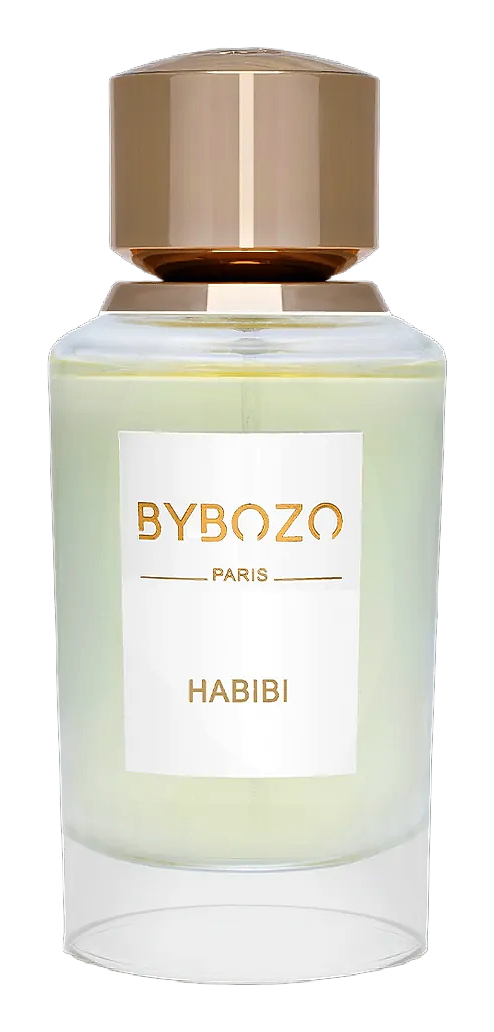
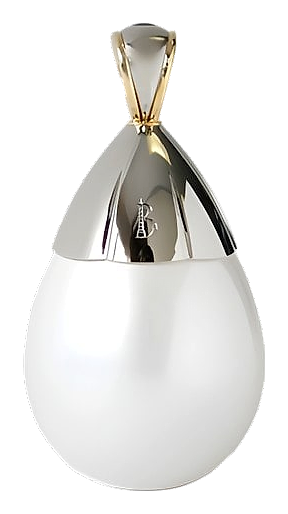
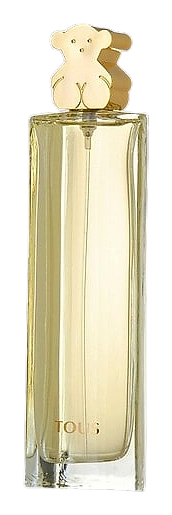
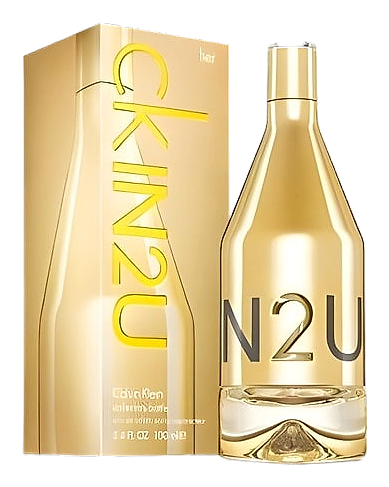
Brands
Brands known for Red currant leaf
Good to know
Questions, answered
The essentials on Red currant leaf in perfumery: how it smells, where it comes from, and how it behaves on skin.
What does red currant leaf smell like?
Red currant leaf delivers a fresh, green aroma with subtle tartness and herbaceous undertones. Think of the crisp scent of crushed leaves in a kitchen garden, with a clean, natural quality that works as a fragrance bridge between fruity and floral elements.
How is red currant leaf extracted for perfumery?
Perfumers extract red currant leaf primarily through steam distillation, preserving the volatile green compounds that give the note its characteristic freshness. Some producers use solvent extraction to capture a more concentrated absolute with richer texture.
Is red currant leaf a natural or synthetic ingredient?
Red currant leaf is a natural ingredient derived from Ribes rubrum, the same species that produces culinary currants. Harvesters collect young leaves in early spring, then process them through distillation or extraction to obtain the aromatic material.
What fragrances use red currant leaf?
Red currant leaf appears in modern fragrances across multiple houses, often listed simply as a green note. Check the ingredient list for 'Ribes rubrum leaf' or 'currant leaf' to identify this material in specific perfumes.
What parts of the red currant plant are used in perfumery?
Perfumery uses the leaves of Ribes rubrum, harvested young and tender for maximum aromatic yield. The berries appear separately as 'red currant' in fragrance pyramids, while the leaf material creates the green, herbal character.
How does red currant leaf differ from blackcurrant bud?
Blackcurrant bud (cassis) offers intense, jammy fruitiness with catty undertones, while red currant leaf provides cleaner green, herbal freshness without the dark berry depth. Perfumers often use them together for layered complexity.
When is red currant leaf harvested for fragrance production?
Harvesting occurs in early spring when new growth emerges, capturing leaves at peak aromatic concentration before they mature and lose volatile compounds. Timing significantly affects the quality of the extracted material.
What fragrance families pair well with red currant leaf?
Red currant leaf works particularly well in green, fruity, and chypre compositions. It bridges floral freshness and berry sweetness, making it valuable in spring and summer fragrances where natural, garden-like authenticity is desired.