Purple Peony
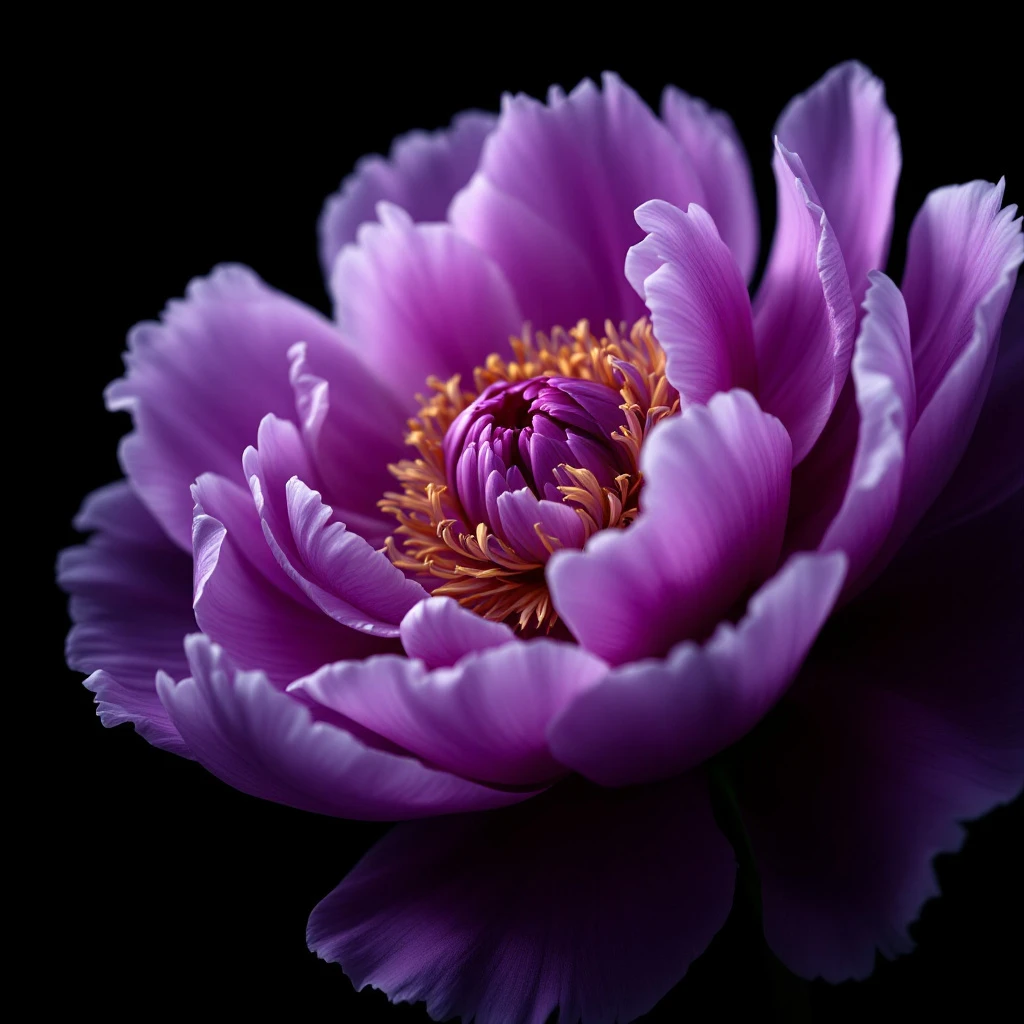
Purple peony is a perfumer's illusion—a flower too delicate to extract, yet vivid in the bottle. Its reconstructed scent captures fresh rose, green stems, and dewy petals.
Character
How it smells
The mute bloom that lives only in the imagination.
Peonies are among the few flowers that cannot be extracted for perfume. Every peony note in your fragrance is a chemist's portrait of a scent that never was.






Origin
China
Peonies have been cultivated for over 1,500 years, originally prized not for fragrance but for medicinal value. Traditional Chinese Medicine used peony root to treat night sweats, digestive complaints, and inflammation.
The blooms themselves appeared in imperial gardens across Asia, valued for their full, round blossoms and the brief spectacle of their late spring bloom. When peony arrived in European gardens, it found new admirers drawn to its lush, romantic appearance.
Yet perfumers could only admire the flower from a distance—the mute bloom yielded nothing to early extraction methods. It took modern synthetic chemistry to finally give peony a voice in the perfume world.
Wears it best
Fragrances featuring Purple Peony
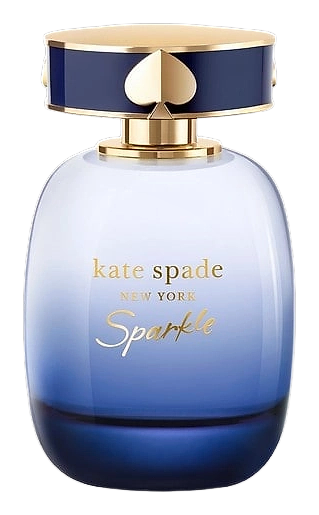
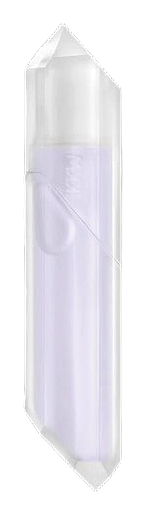
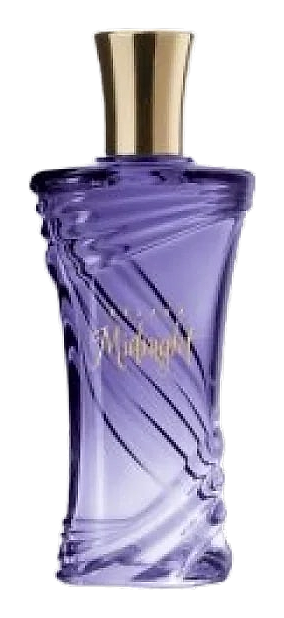
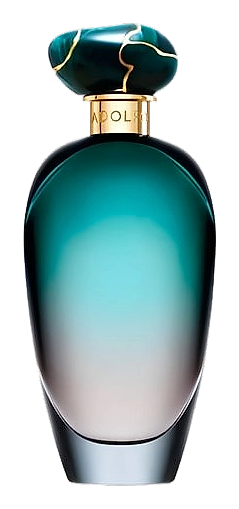
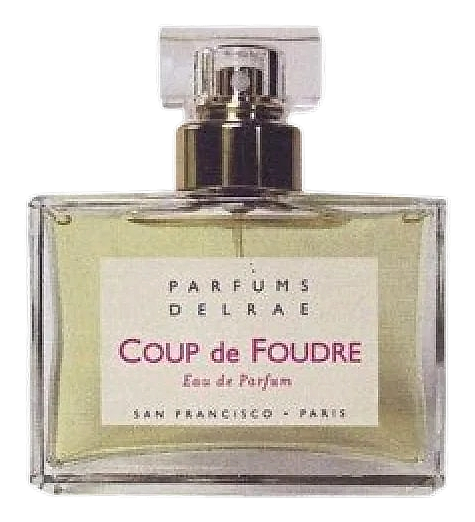
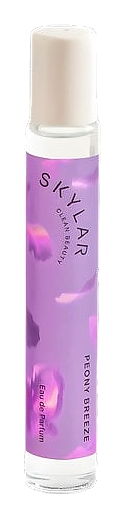
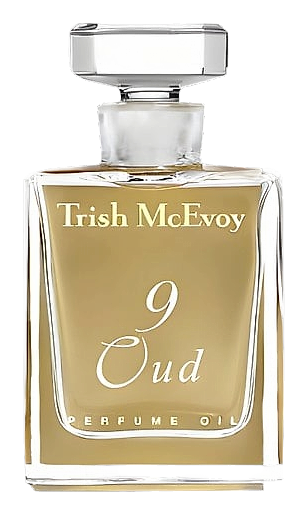
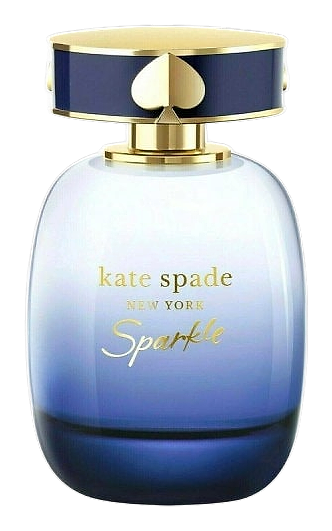
Brands
Brands known for Purple Peony
Good to know
Questions, answered
The essentials on Purple Peony in perfumery: how it smells, where it comes from, and how it behaves on skin.
Is purple peony a natural or synthetic ingredient?
Purple peony is synthetic. Peonies are mute flowers—their scent cannot be extracted from living blooms. Perfumers reconstruct the note using materials like linalool, geraniol, and citronellol. Every peony note in fragrance is a laboratory creation, not a distillate.
What does purple peony smell like?
Purple peony smells fresh, rosy, and green—not sweet. Expect dewy petals with a crisp, slightly metallic edge. The scent balances soft floral warmth with a clean, just-cut-stem quality that makes it feel vibrant rather than heavy.
Why can't peony be extracted like other flowers?
Peony releases almost no volatile compounds after harvest, making extraction impossible. Studies of Paeonia lactiflora show the flower produces such minimal aromatic molecules that no commercially viable extract exists. Perfumers must build the scent from scratch.
What materials create a peony accord?
Perfumers typically blend linalool, geraniol, and citronellol to create rosy, fresh character. Rose oxide adds sparkling brightness. Hedione often appears for a lift that mimics the flower opening in warm air. The exact formula varies by perfumer.
Where do raw peonies grow natively?
Peonies originate from China, where Paeonia lactiflora has grown for centuries. The plant also naturalized across East Asia. Today, commercial cultivation extends to France and other temperate regions, though the flowers remain prized as garden specimens rather than crop for extraction.
What fragrances feature purple peony prominently?
Many modern florals use peony as a signature note. Boutique houses and major brands alike build around the accord for its fresh, romantic character. The note appears most often in spring and summer collections, where its clean quality suits lighter compositions.
How does peony differ from rose in perfume?
Peony reads fresher and greener than rose. While rose carries deep, honeyed warmth, peony skews toward dewy petals and crisp stems. Peony lacks rose's richness but offers a brighter, more immediate floral impact that pairs well with citrus and watery notes.
Does peony have historical use in perfumery?
Peony only entered perfumery in the 20th century, after synthetic chemistry matured. Ancient cultures used peony medicinally—Traditional Chinese Medicine employed the root for centuries—but never for fragrance. The flower's perfumery history is essentially a story of modern reconstruction.