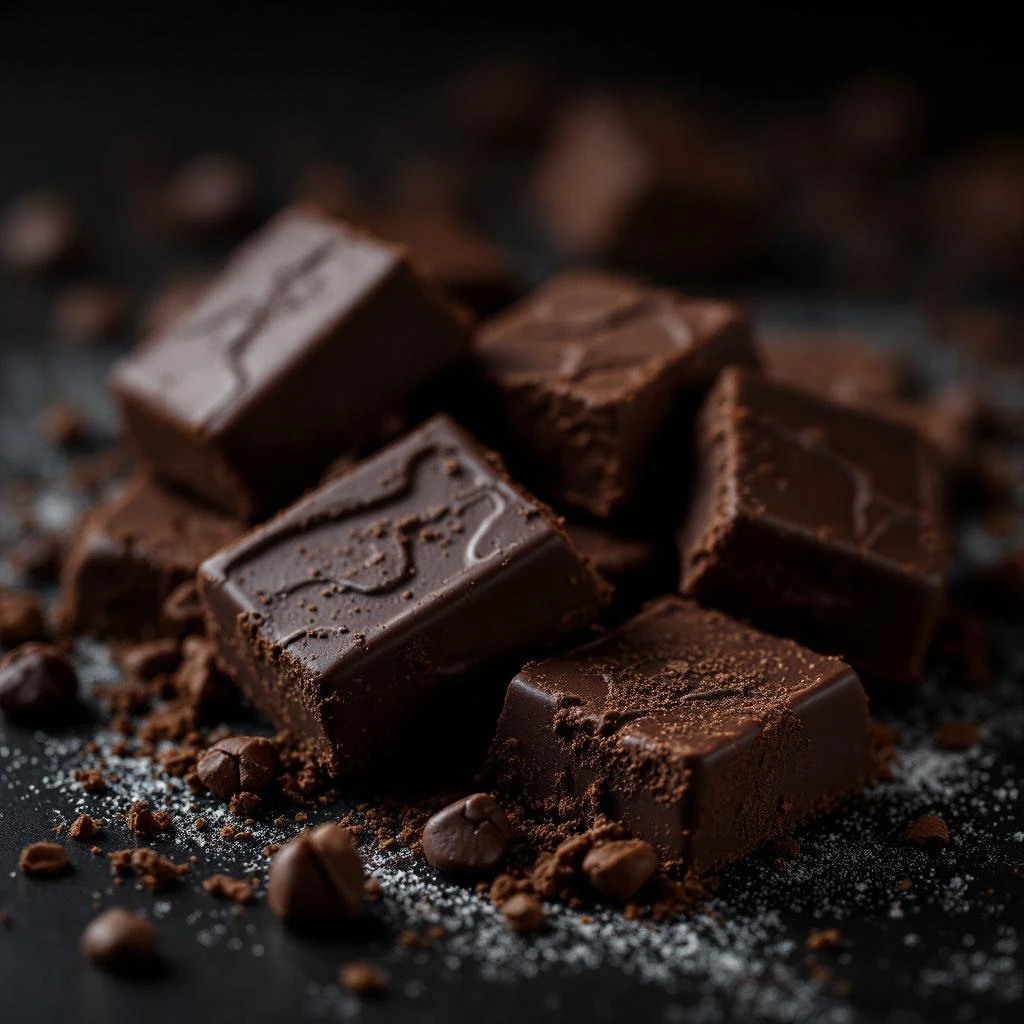
Pumpkin Latte Macchiato
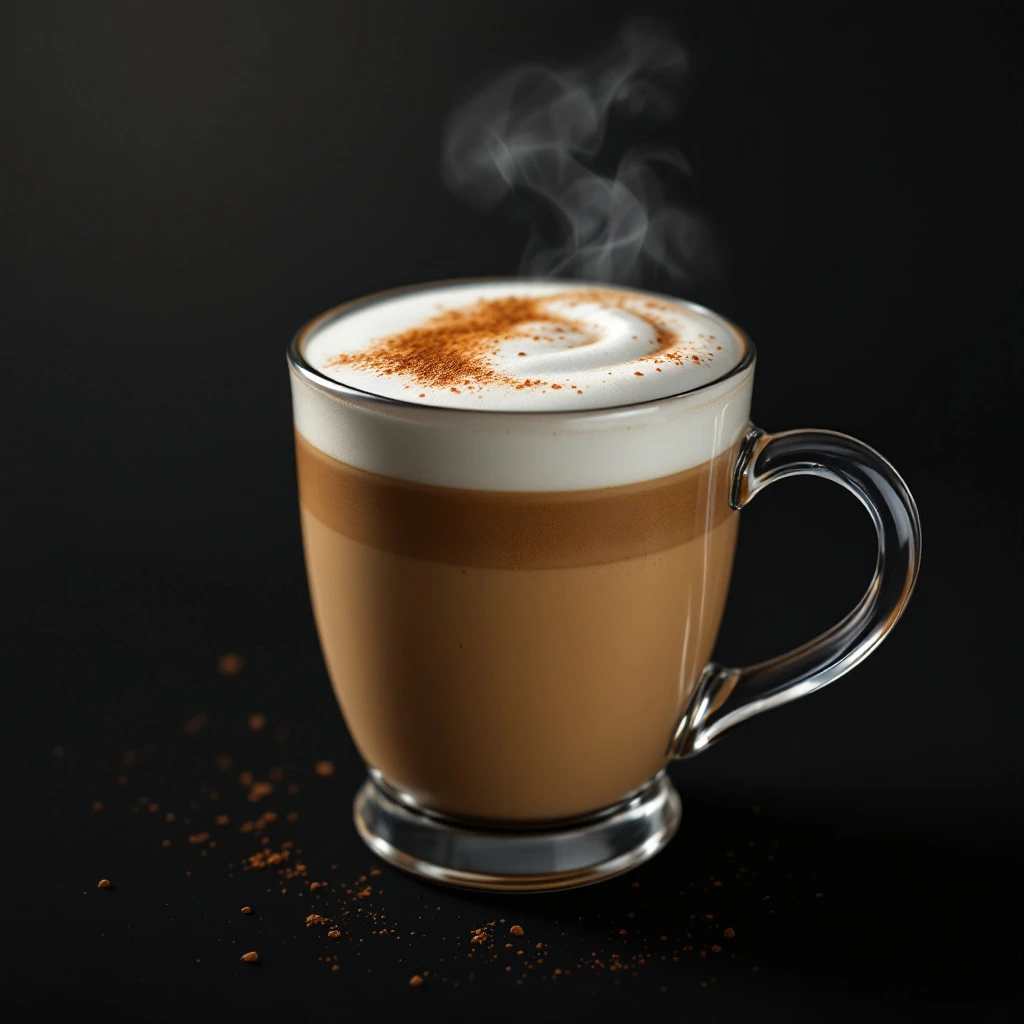
A gourmand accord capturing the creamy warmth of espresso, steamed milk, and autumnal spice. Pumpkin Latte Macchiato translates a seasonal coffee ritual into wearable fragrance, blending sweet roasted notes with the iconic pumpkin pie spice quartet.
Character
How it smells
Espresso warmth meets autumn in a bottle
Pumpkin spice contains zero actual pumpkin, it is a blend of cinnamon, nutmeg, cloves, ginger, and allspice, all of which trace their botanical origins to the Moluccas islands in Indonesia.
Pairs beautifully with
Origin
United States
Pumpkin spice as a concept predates its modern celebrity by centuries. Early American settlers in 1621 documented pumpkin preparations with warming spices, though the Moluccas islands of Indonesia, historically called the Spice Islands, supplied nearly all the botanical ingredients: cloves, nutmeg, mace, and cinnamon relatives grew nowhere else for European trade. Commercial pumpkin pie spice blends appeared in American grocery catalogs starting around 1934, simplifying holiday baking.
The flavor crossed into beverages in the 1990s, with Starbucks debuting its Pumpkin Spice Latte in late 2003. That beverage sparked a cultural phenomenon, with the accord migrating into candles, candles, cosmetics, and eventually fine fragrance. Independent perfumers began deconstructing the scent profile, separating espresso bitterness from dairy sweetness from spice warmth.
Pumpkin Latte Macchiato as a fragrance concept reflects this cultural translation: a seasonal coffee shop order reimagined as olfactory architecture, rooted in centuries of spice trade but filtered through contemporary gourmand perfumery.
Wears it best
Fragrances featuring Pumpkin Latte Macchiato
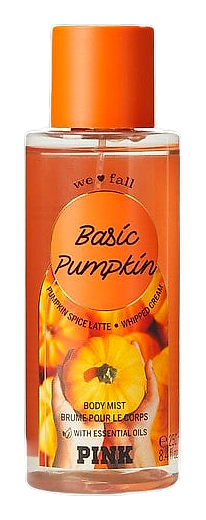

Brands
Brands known for Pumpkin Latte Macchiato
Good to know
Questions, answered
The essentials on Pumpkin Latte Macchiato in perfumery: how it smells, where it comes from, and how it behaves on skin.
What does Pumpkin Latte Macchiato smell like in perfume?
It smells like roasted coffee layered with creamy milk sweetness and warm autumn spices, primarily cinnamon, nutmeg, clove, and ginger. The accord balances bitter espresso notes against soft lactones that mimic steamed milk, finishing with a caramelized warmth rather than overt sweetness.
Is Pumpkin Latte Macachiato a natural or synthetic fragrance note?
It is a composite accord built from both natural and synthetic materials. Coffee absolute, cinnamon bark oil, and clove bud oil provide natural bases, while lactones and vanillin supply the creamy, sweet dairy qualities. This hybrid approach achieves stability and consistency impossible from single-source ingredients.
Which fragrance families use Pumpkin Latte Macchiato?
It belongs primarily to the gourmand family, often bridging into oriental and amber compositions. Perfumers pair it with vanilla, tonka bean, sandalwood, and warm resins to extend the cozy, edible quality into longer-lasting wearable fragrances.
When did Pumpkin Latte Macchiato become a popular fragrance note?
The trend accelerated after Starbucks launched its Pumpkin Spice Latte in late 2003, inspiring perfumers throughout the 2010s to deconstruct the beverage into standalone accords. By the early 2020s, the note appeared across indie and niche houses as a seasonal release staple.
Does Pumpkin Latte Macchiato contain actual pumpkin?
No. Despite its name, traditional pumpkin spice contains no pumpkin at all. It is a blend of cinnamon, nutmeg, cloves, ginger, and allspice. The fragrance accord follows the same principle, focusing on the warming spice profile rather than any vegetal pumpkin character.
What ingredients create the milk and coffee notes?
Coffee absolute or roasted coffee CO2 extract delivers espresso bitterness and dark roast depth. Dairy creaminess comes from lactones, especially gamma-decalactone and delta-decalactone, which molecularly mimic butterfat and milk solids without requiring animal-derived materials.
Where do the spices in this accord originally come from?
Cloves, nutmeg, and mace all originated in the Moluccas islands of Indonesia, historically called the Spice Islands. Cinnamon traces to Sri Lanka and southern India, while ginger root cultivation spread from Southeast Asia. These trade routes shaped global commerce for centuries.
Is Pumpkin Latte Macchiato suitable for year-round wear?
It performs best in cooler months when its warming spice profile feels seasonally appropriate. However, lighter concentrations with lower spice intensity can translate into summer evening wear, particularly when blended with citrus or aquatic notes to brighten the composition.