Play-Doh
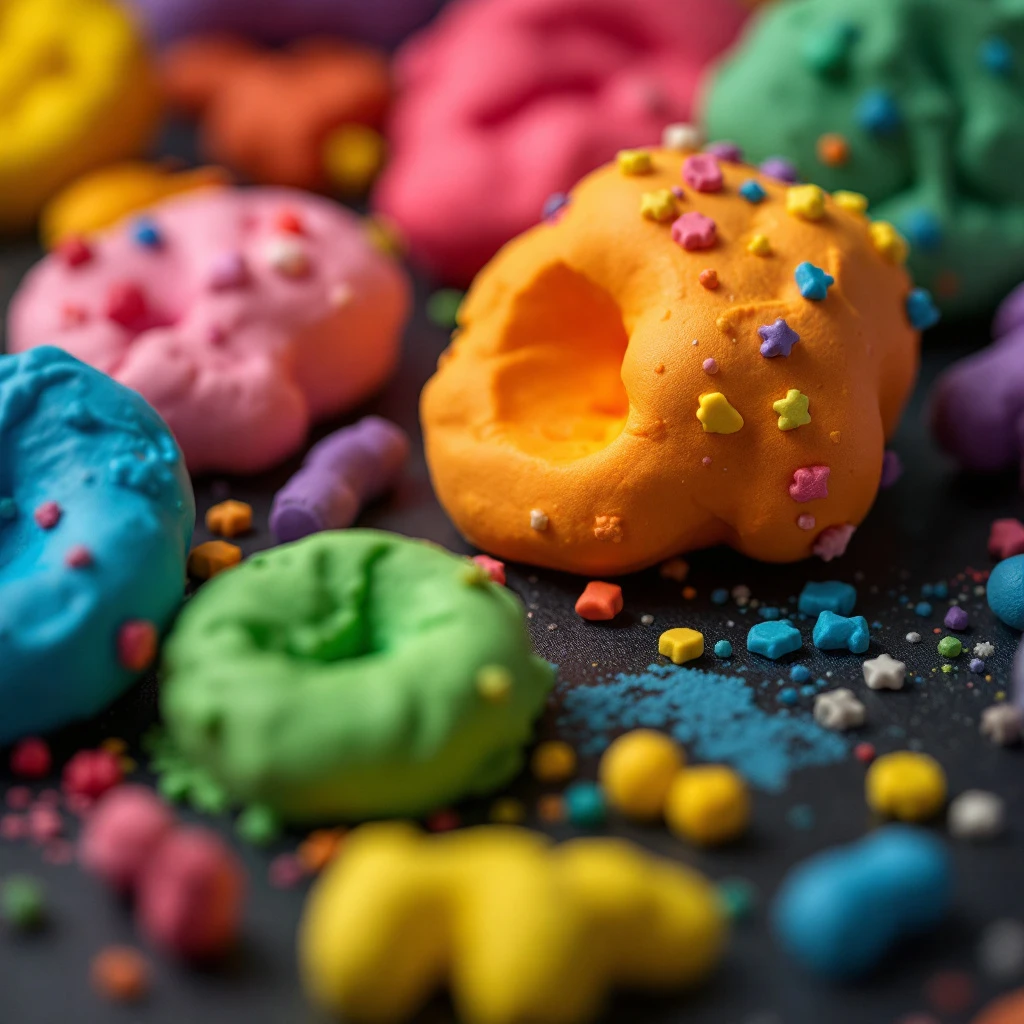
That unmistakable whiff of opening a fresh can. Play-Doh captures the essence of creative play, translated into perfumery as a warm, nostalgic accord of soft vanilla and powdery heliotrope. Now you know what makes that childhood scent so addictive.
Character
How it smells
The smell of childhood, bottled.
Hasbro trademarked the Play-Doh scent in 2018, making it one of the few product aromas legally protected by U.S. trademark law.
Pairs beautifully with



Origin
United States
Before becoming the world's most recognizable modeling compound, Play-Doh started as a wallpaper cleaner called Absorbine, developed by soap manufacturer Kutol Products in Cincinnati, Ohio, in the 1930s. When wallpapers fell out of fashion after World War II, the company pivoted.
In 1956, Hasbro reworked the formula and introduced it as a children's toy, a decision that would define generations. Over 2 billion cans later, Hasbro acquired the brand outright in 1991.
What made the product remarkable was not just its texture but its consistent scent, a formula Hasbro quietly protected for decades before securing an official trademark on the smell itself in 2018. In perfumery, the "Play-Doh effect" became a recognized descriptor for certain combinations of heliotrope, vanilla, and rice-like powdery notes that evoke that same nostalgic aroma.
Wears it best
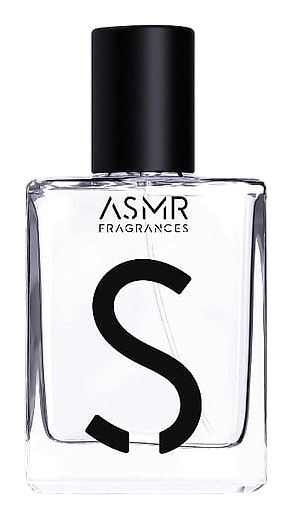
Fragrances featuring Play-Doh
Brands
Brands known for Play-Doh
Good to know
Questions, answered
The essentials on Play-Doh in perfumery: how it smells, where it comes from, and how it behaves on skin.
What creates the Play-Doh smell in perfumes?
Perfumers recreate the Play-Doh scent using a combination of heliotrope, vanilla, and powdery notes like rice or almond. These materials blend to match the sweet, slightly metallic warmth of the original compound.
Is Play-Doh a natural fragrance ingredient?
No. Play-Doh is a synthetic accord in perfumery, not a natural extract. It replicates the smell of the modeling compound using lab-created aroma chemicals.
When did Hasbro trademark the Play-Doh scent?
Hasbro received a U.S. trademark for the Play-Doh scent in 2018. This protects the specific fragrance profile associated with opening a can of the compound.
What was Play-Doh originally made for?
The product launched in the 1930s as Absorbine, a wallpaper cleaner made from water, salt, and flour. It transitioned to a children's toy in 1956 after wallpaper popularity declined.
Which perfume notes create a Play-Doh effect?
Heliotrope combined with vanilla produces the signature sweet, slightly almond-like quality. Rice notes and certain aromatic chemicals add the characteristic powdery undertone.
How many cans of Play-Doh have been produced?
Over 2 billion cans have been manufactured since 1956, totaling approximately 900 million pounds of the compound.
What company owns Play-Doh?
Hasbro acquired the Play-Doh brand in 1991. The company has maintained the original scent formula largely unchanged since the product's 1956 relaunch.
Where was Play-Doh invented?
The compound originated in Cincinnati, Ohio, United States, where Kutol Products developed the original wallpaper cleaning formula before its transformation into a children's toy.