Pink grape
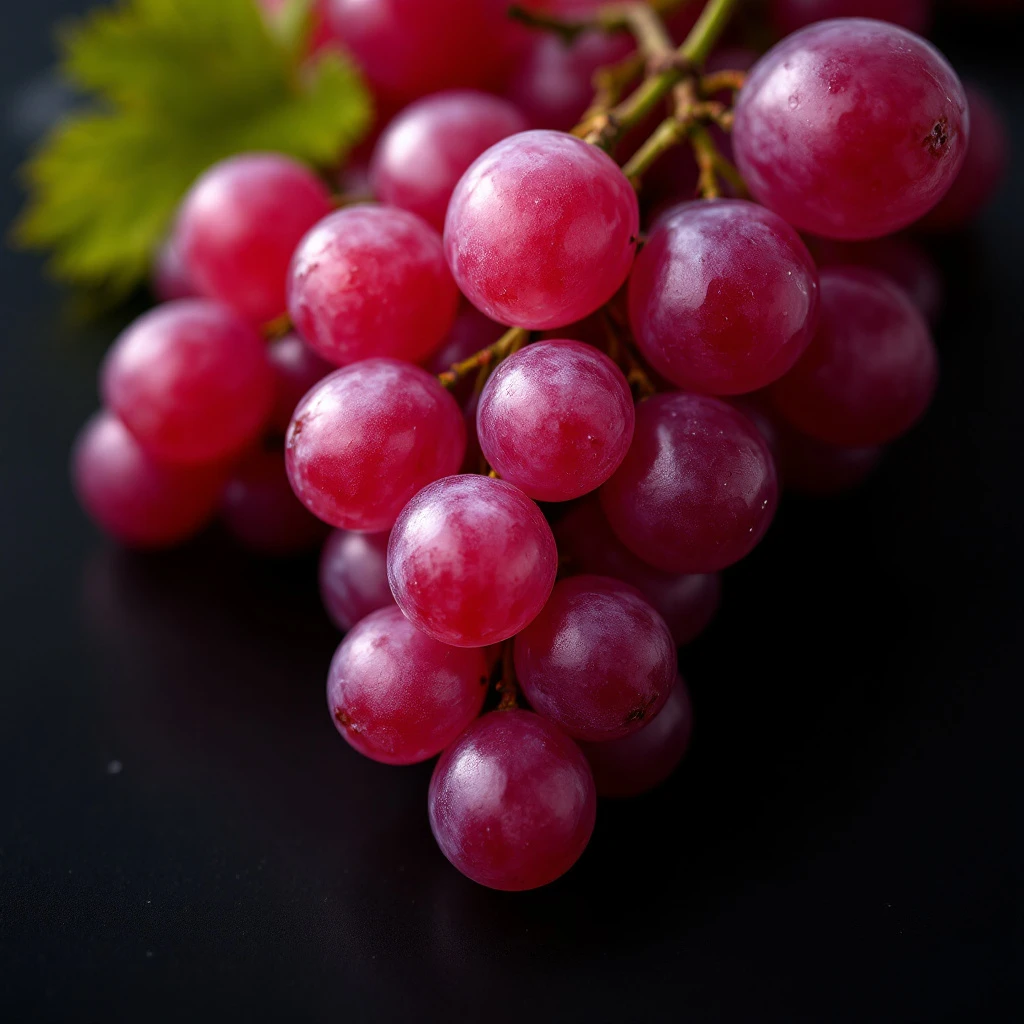
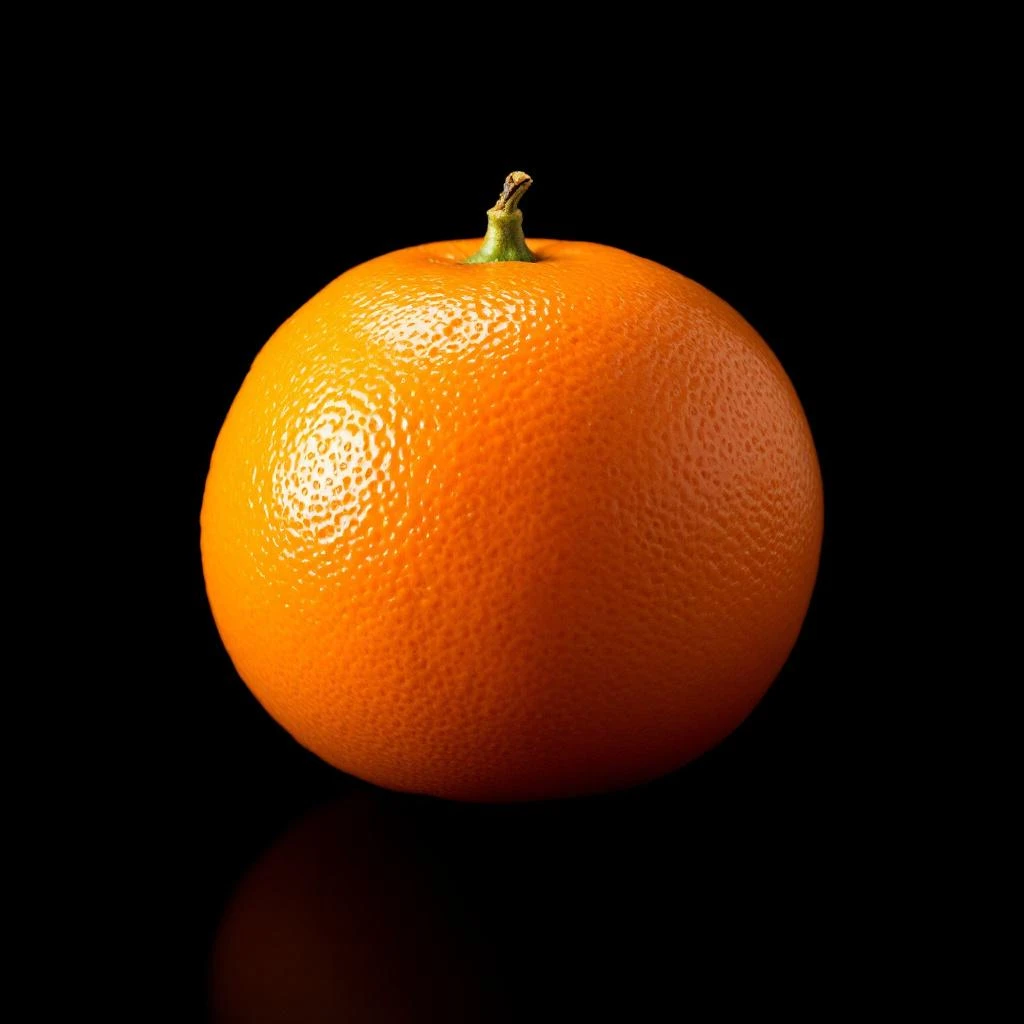
Pink grape brings a luminous, sun-kissed brightness to fragrance compositions. This citrus note captures the tender moment when pink flesh meets golden rind, delivering a fresh yet subtly sweet aroma that energizes top notes and lifts heart compositions.
Character
How it smells
Citrus sunlight captured in a peel.
A single pink grapefruit peel yields enough aromatic compounds to influence the character of an entire fragrance bottle.




Origin
United States
Pink grapefruit emerged in the 18th century as a natural hybrid between pomelo and sweet orange in Barbados. For over a century, growers cultivated only white-fleshed varieties. The pink-fleshed mutation appeared in the early 20th century, quickly gaining commercial popularity for its visual appeal and slightly sweeter taste.
Florida citrus growers became the primary producers of pink grapefruit by mid-century, and perfumers began incorporating the zest essence shortly after cold-press extraction became standard for citrus materials. The note gained prominence in fine fragrance during the 1980s as consumers embraced bright, clean scent profiles.
Wears it best
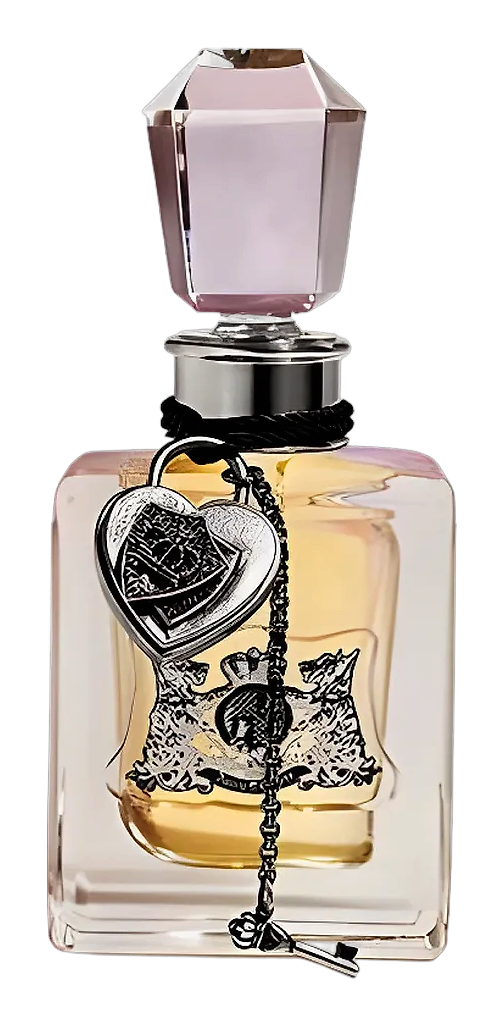
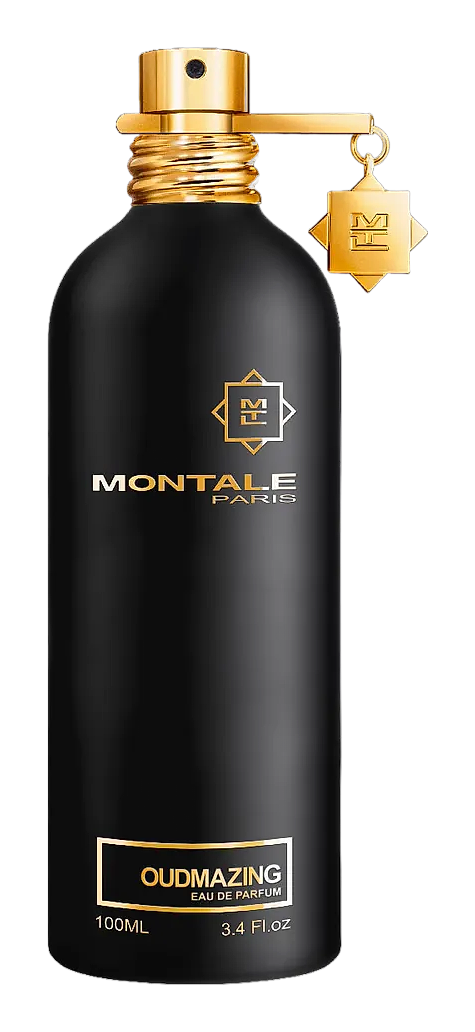
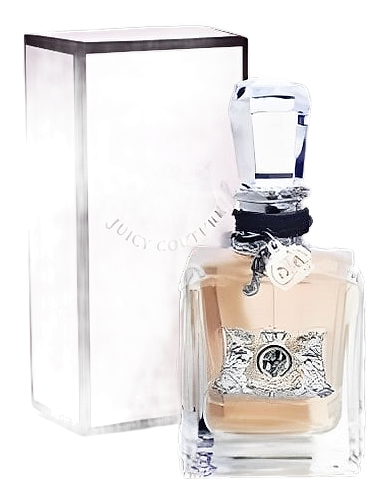
Fragrances featuring Pink grape


Brands
Brands known for Pink grape
Good to know
Questions, answered
The essentials on Pink grape in perfumery: how it smells, where it comes from, and how it behaves on skin.
What does pink grape smell like in perfume?
Pink grape smells bright and energizing with sweet citrus tones. It carries a distinct sunlit quality that feels both refreshing and warm, distinguishing it from sharper yellow citrus notes.
Is pink grape a natural or synthetic ingredient?
Pink grape is a natural citrus material obtained through cold-press extraction of grapefruit peel. It contains naturally occurring compounds like limonene that give it characteristic aroma.
Where does pink grape for perfumery come from?
Most pink grape essence originates from Florida, United States, where commercial cultivation of pink grapefruit concentrates. The state's subtropical climate produces fruit with well-developed aromatic profiles.
What fragrance families use pink grape?
Pink grape appears frequently in fresh, citrus, and aromatic fragrances. Perfumers also use it in modern floral and green compositions to add brightness and energy to top notes.
How long has pink grape been used in perfumery?
Pink grapefruit entered perfumery in the mid-20th century following the rise of pink-fleshed varieties. Cold-press extraction technology refined the quality of citrus materials available to perfumers.
Does pink grape last long on skin?
Pink grape functions as a top note that typically persists for 30 minutes to two hours. Its volatile citrus compounds evaporate quickly, which is why perfumers pair it with heart ingredients that emerge as the scent develops.
Can pink grape cause skin reactions?
Pink grape essence contains limonene and furanocoumarins that may cause photosensitivity in some individuals. Fragrance formulations typically use the material at low concentrations to minimize skin interaction.
What other ingredients pair well with pink grape?
Pink grape blends naturally with white florals like jasmine and neroli. It also complements marine notes, green ingredients such as galbanum, and woody base materials like cedarwood that provide contrast to its brightness.