Pine tree cone
Discover pine tree cone as a perfumery ingredient—its resinous depth, balsamic warmth, and centuries-old role in fragrance. A staple of conifer-based perfumery.
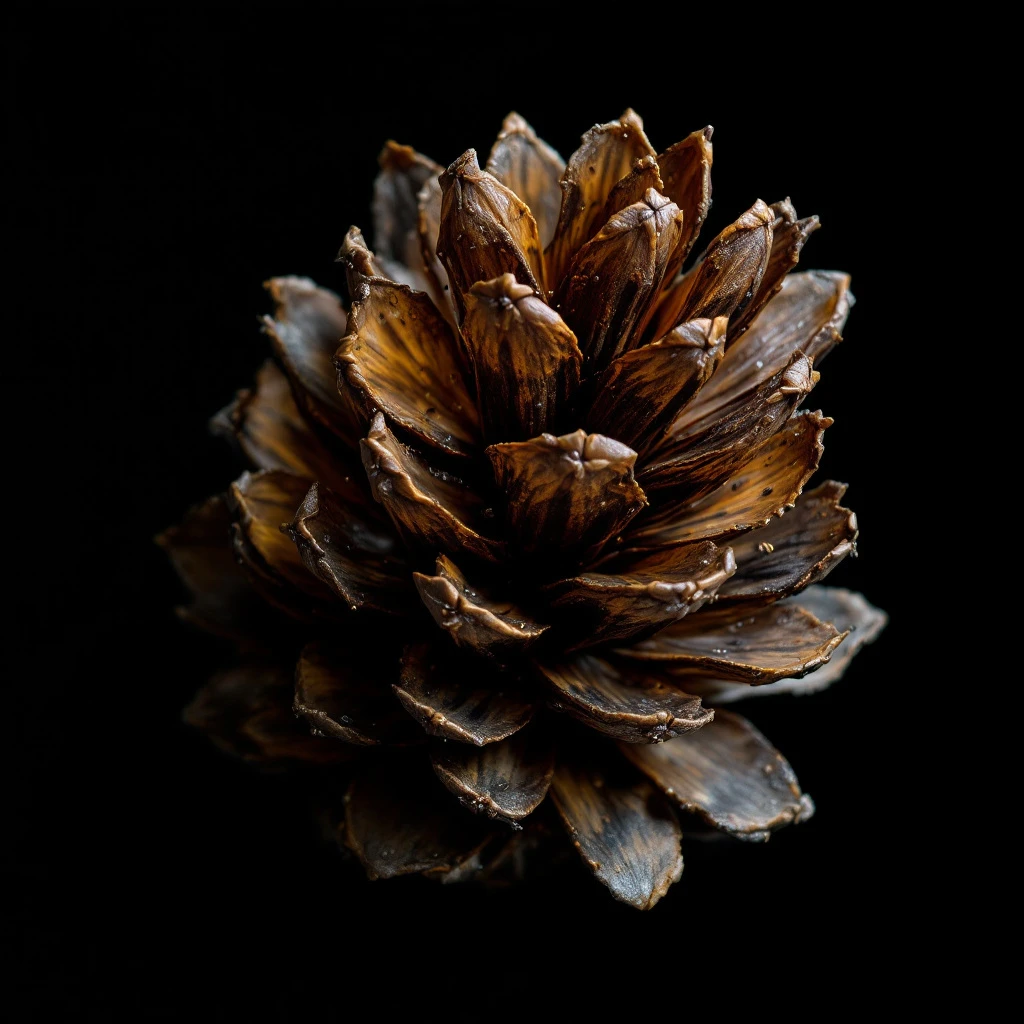
Character
How it smells
Sharp evergreen with resinous depth.
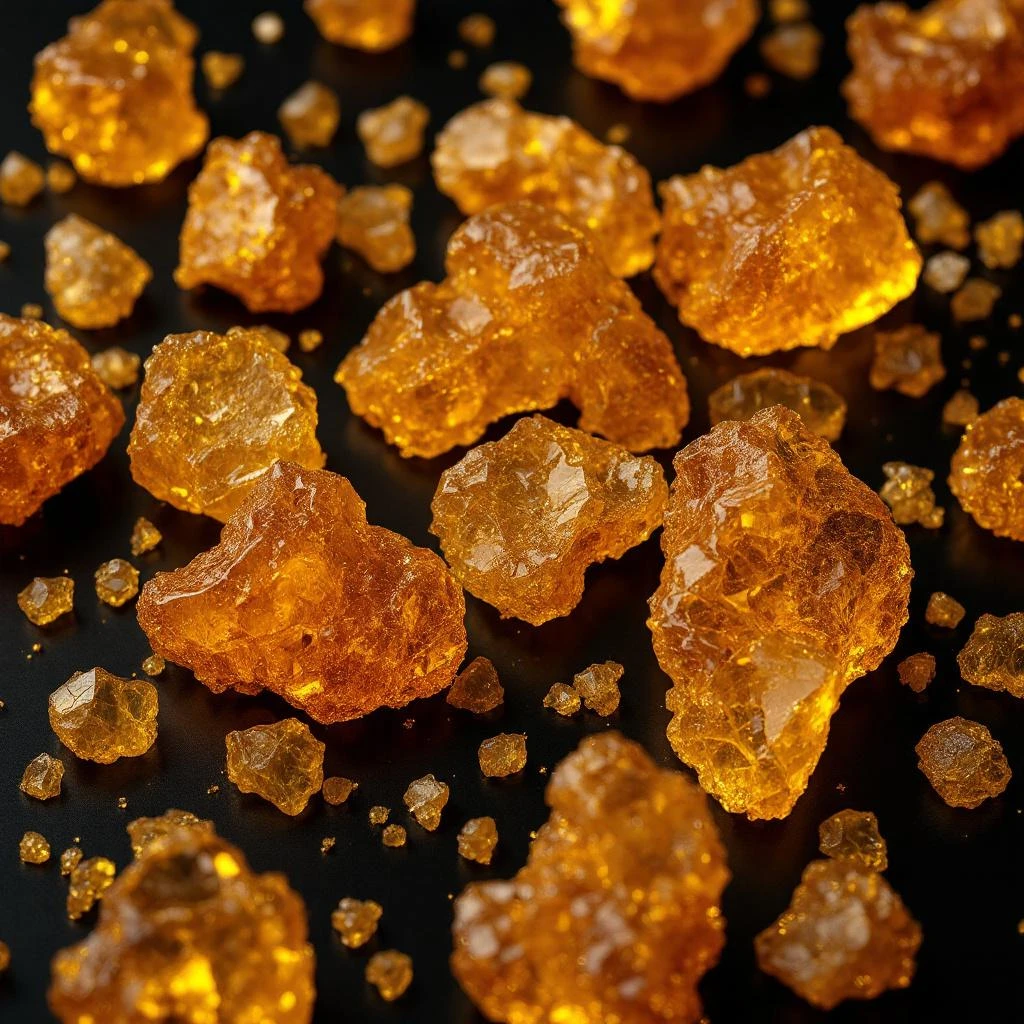
Pine pitch acts as a natural fixative, slowing evaporation of lighter top notes and extending a fragrance's longevity on skin.



Origin
France
Pine resin use in fragrance stretches back to ancient Egypt, where pine essential oils served both ceremonial and preservational purposes, including mummification rituals. Greek physicians prescribed pine preparations for respiratory and inflammatory conditions, establishing the tree's medicinal reputation across the Mediterranean. Roman armies carried pine pitch for wound treatment, while sacred rites across Mesopotamia featured burning pine resin to purify sacred spaces.
The Viking era saw pine tar applied to ship timbers for waterproofing, a practice whose aromatic legacy influenced early European perfumery traditions. By the 19th century, pine oils became industrial fragrance staples, and their distinctive conifer profile now anchors men's aromatic colognes and winter seasonal releases worldwide.
Wears it best
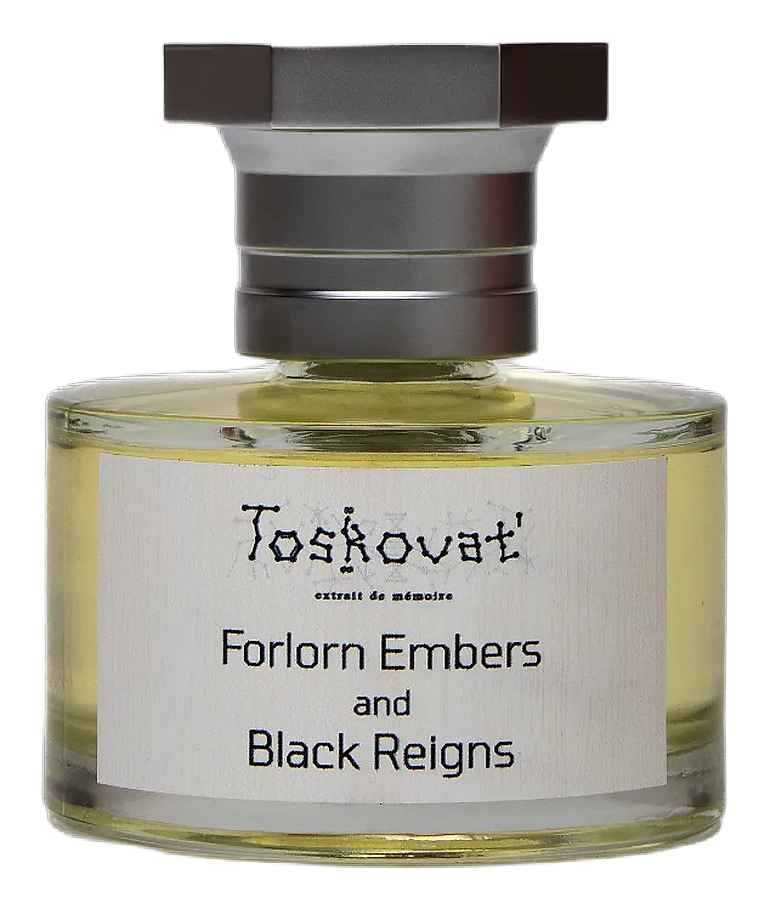
Fragrances featuring Pine tree cone
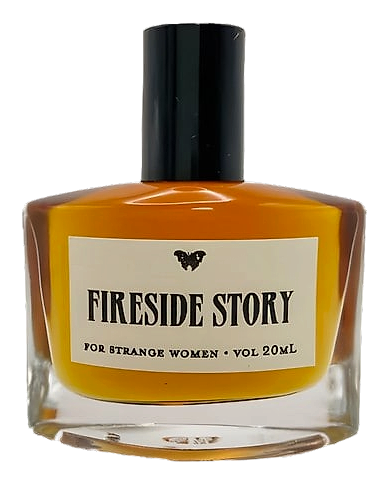
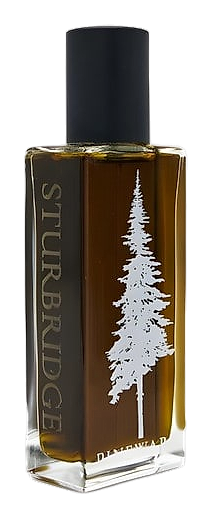
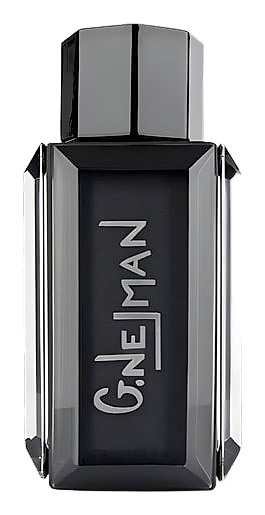
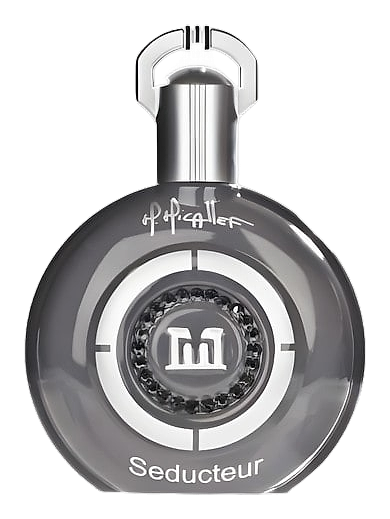
Brands
Brands known for Pine tree cone
Good to know
Questions, answered
The essentials on Pine tree cone in perfumery: how it smells, where it comes from, and how it behaves on skin.
What does pine tree cone smell like in fragrance?
Pine cone pitch delivers a rich, resinous aroma with woody, balsamic, and subtly smoky undertones. It reads as deeper and warmer than fresh pine needle oil, adding grounding depth to conifer compositions.
How is pine tree cone extract produced?
Perfumers extract pine cone material via solvent extraction of cone pitch, yielding a thick absolute, or through steam distillation of the oleoresin to produce pine oil containing high concentrations of monoterpenes.
What role does pine cone play in perfumery?
Cone pitch functions as both aromatic material and fixative. Its resinous compounds slow the evaporation of lighter fragrance components, helping the scent linger on skin for several hours.
What fragrances feature pine tree cone?
Pine cone and its pitch appear in masculine aromatic fougères, winter seasonal releases, and forest-forward fragrances. It pairs well with juniper, cedar, and eucalyptus.
Is pine tree cone a natural or synthetic ingredient?
Pine tree cone is a natural ingredient. Extracts come from the actual cones and resin of Pinus species trees, primarily harvested in European and North American forests.
What does pine tree smell like compared to other conifer ingredients?
Pine needle oil reads as sharper and more citrusy-fresh, while pine cone pitch offers deeper, darker, and more balsamic character. The two create complementary layers in conifer fragrances.
Does pine tree cone have cultural significance?
Ancient Egyptians used pine in mummification, Greeks applied it medicinally, and Mediterranean civilizations burned pine resin in purification rituals for thousands of years.
Can pine tree cone cause skin sensitivity?
Like most conifer materials, pine pitch contains monoterpenes that may irritate sensitive skin. IFRA guidelines regulate concentration levels in consumer products to minimize reactions.