Philippine mango
Cultivated for thousands of years yet transformed in 1974 when Dr. Ramon Barba's discovery unlocked year-round cultivation, Philippine mangoes bring intoxicating sweetness to tropical fragrance compositions, grounding brighter notes with unmistakable tropical depth.
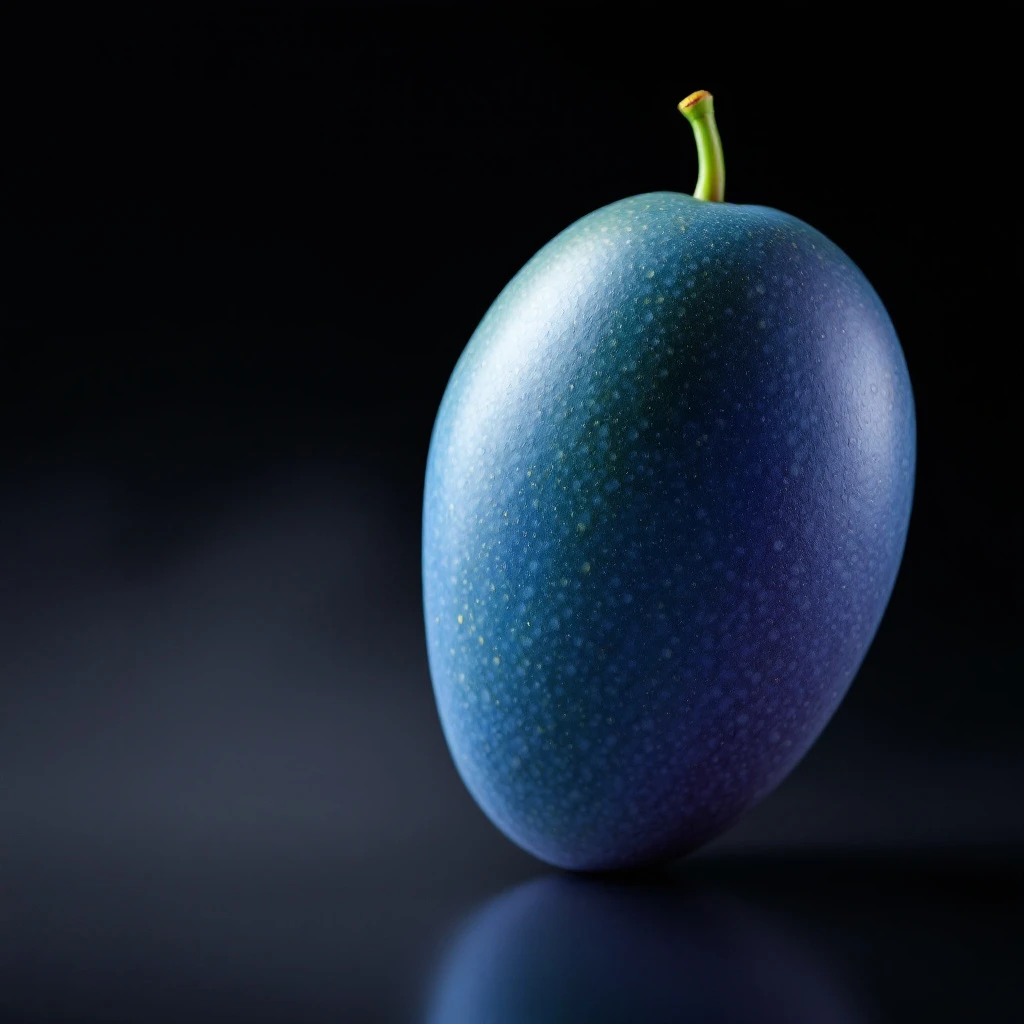
Character
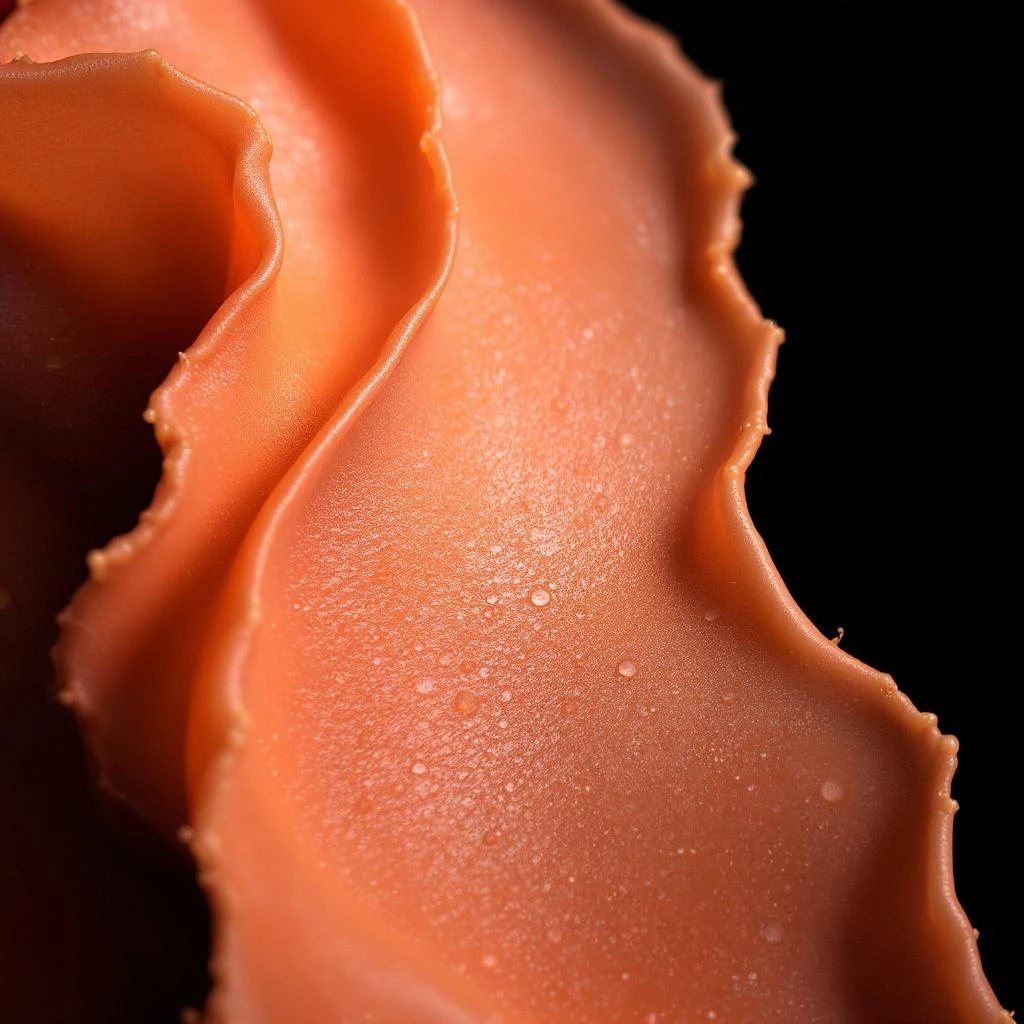
How it smells
The queen of tropical sweetness
In 1974, Dr. Ramon Barba discovered that potassium nitrate could induce mango flowering, revolutionizing the industry and earning him the 2014 National Inventor award.



Origin
Philippines
Mango traces its roots to South and Southeast Asia, where humans cultivated the fruit for thousands of years. Botanical records suggest mango migrated eastward across Asia, reaching the Philippines where it found ideal growing conditions and evolved into the prized Carabao variety. By the time Spanish colonizers arrived, local populations had already developed sophisticated relationships with this fruit that fed communities and fueled trade.
The 1974 breakthrough by Filipino horticulturalist Dr. Ramon Barba marked the modern chapter of Philippine mango history. His discovery that potassium nitrate could induce off-season flowering in mango trees transformed what had been a seasonal crop into a reliable, year-round supply. The discovery spread rapidly and by the 1980s, Philippine mango exports expanded dramatically. Dr. Barba received the 2014 National Inventor award for this contribution, recognition that his simple chemical insight had reshaped tropical agriculture fundamentally.
In perfumery, mango occupies an interesting position. While Filipino aromatic traditions tap ylang-ylang, vetiver, and citronella extensively, mango itself functions primarily as a flavor compound rather than a dedicated fragrance ingredient. Still, the fruit's complex aromatic profile--sweet, tropical, floral, with creamy undertones--makes it a recognizable note in many tropical-themed fragrances where it anchors or enhances fruity compositions.
Wears it best
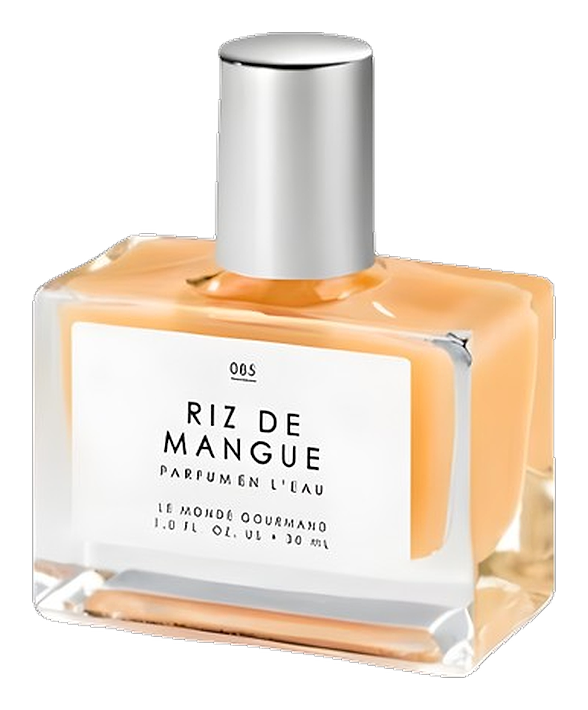
Fragrances featuring Philippine mango
Brands
Brands known for Philippine mango
Good to know
Questions, answered
The essentials on Philippine mango in perfumery: how it smells, where it comes from, and how it behaves on skin.
What makes Philippine mangoes unique for perfumery?
Philippine Carabao mangoes have a distinct floral-fruity aromatic profile that sets them apart. The variety's terpene composition creates sweeter, more floral undertones than other mango cultivars, making the fruit's scent character instantly recognizable in tropical fragrance compositions.
Is natural mango absolute commonly available?
Natural mango absolute remains relatively uncommon in commercial perfumery. Most fragrance houses source mango aromatics through synthetic reconstructions or flavor-grade materials. True mango absolute exists but appears less frequently than materials from traditional perfumery crops.
What fragrance families use mango notes?
Mango appears most often in tropical, fruity, and exotic fragrance families. It works particularly well in summer fragrances, bright citrus compositions, and any scent aiming for lush tropical character. The note also functions in gourmand fragrances where it bridges fresh fruit and sweet edible accords.
How does mango smell at different stages of ripeness?
Unripe mangoes carry sharp, green, almost astringent aromatic qualities. Ripe mangoes deliver sweet, lush tropical fruitiness with floral undertones. Overripe mangoes develop deeper, jammy, slightly fermented notes that resemble wine or tropical jam.
What compounds create mango's distinctive scent in perfumery?
Key compounds include lactones for creamy, peachy undertones; terpene alcohols for sweetness; and esters contributing tropical character. These working together create mango's familiar sweet-floral profile that perfumers recognize immediately.
Can mango notes appear in premium or luxury fragrances?
Yes, mango does appear in luxury fragrances, particularly those with tropical themes or exotic positioning. Higher-end fragrances may use more sophisticated mango accords with better longevity and complexity than mass-market alternatives, though synthetic materials often feature prominently even in premium products.
What is the role of mango in tropical fragrance compositions?
Mango provides immediate tropical character and sweetness when used as a primary note. It can also function as a supporting element, adding fruitiness to sweeter fragrance foundations or providing recognizable tropical context for an accord. The versatile profile adapts to multiple compositional roles.
Did Dr. Ramon Barba's discovery affect mango availability for perfumery?
Barba's potassium nitrate method enabled consistent year-round mango production, replacing seasonal dependency with reliable agricultural cycles. This stability made mango a dependable crop commodity, though the fruit still flows primarily to food markets rather than fragrance ingredient production.