Almond butter
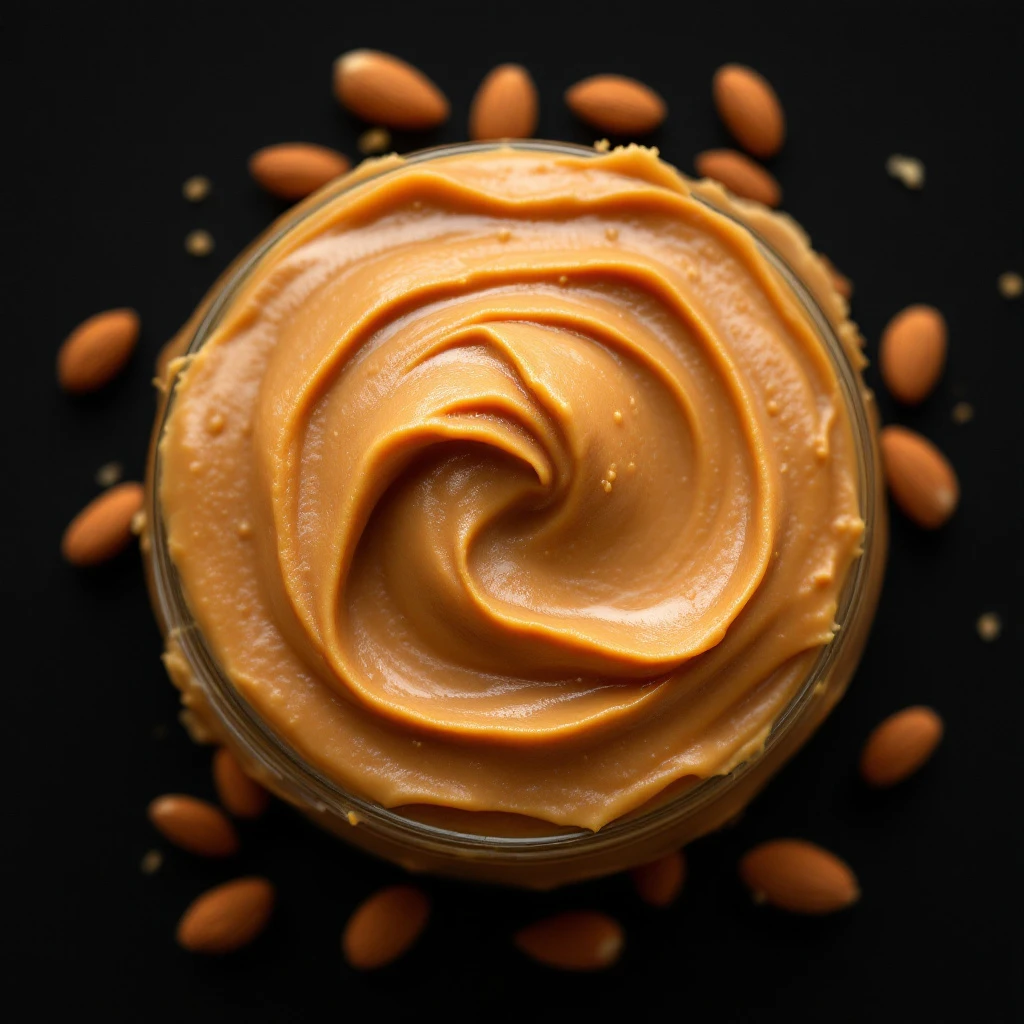
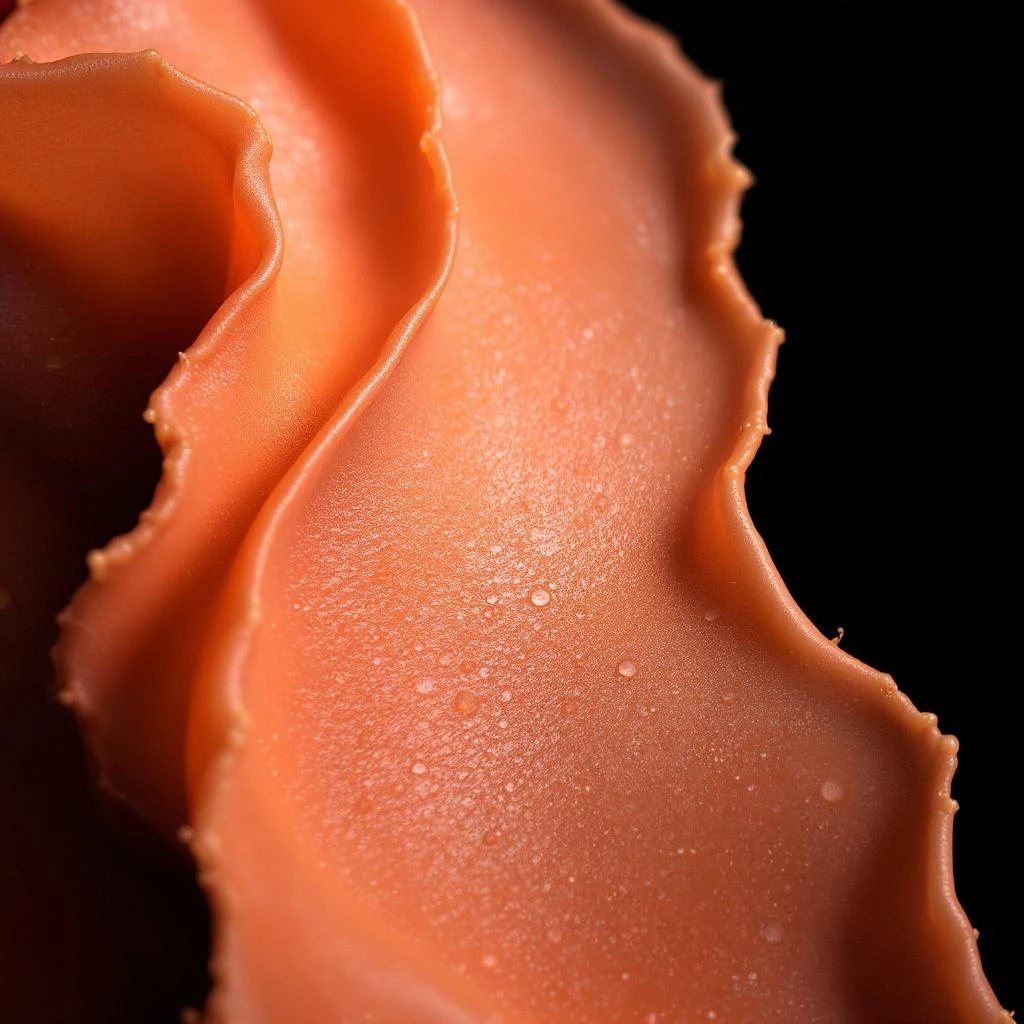
The rich, edible warmth of almond butter in perfumery evokes the scent of nuts transformed by heat: creamy, toasted, and irresistibly comforting.
Character
How it smells
Nutty, creamy, and undeniably edible.
Benzaldehyde, the molecule responsible for bitter almond's characteristic scent, also gives maraschino cherries their fake almond aroma.




Origin
Iran
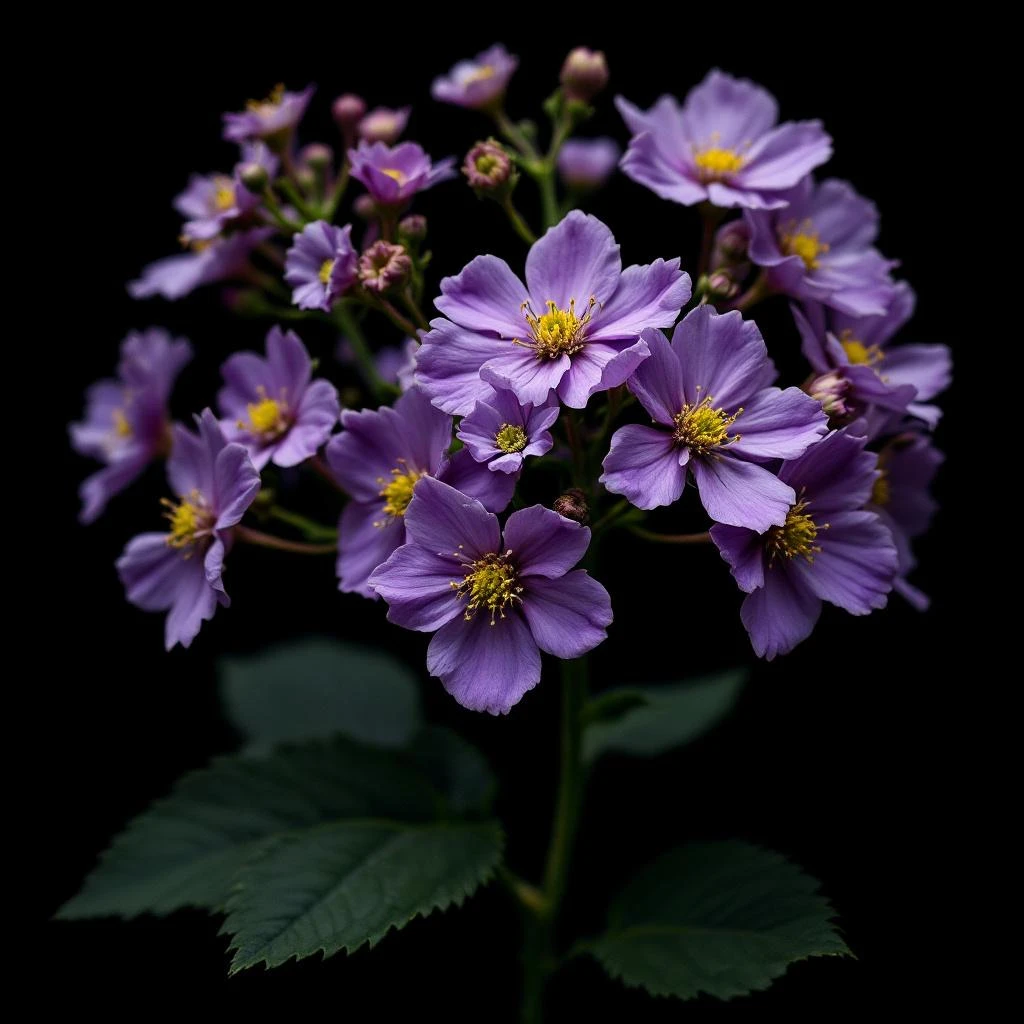
Scientists in 1869 embarked on a mission to recreate heliotrope's balsamic, creamy scent. Their work led to accidental discoveries of aromatic compounds that would shape modern perfumery. The bitter almond's characteristic aroma, driven by benzaldehyde, had been noted since antiquity.
Ancient Mesopotamians cultivated almonds, and trade routes spread them across the Mediterranean and Middle East. Yet neither Greeks, Romans, nor their predecessors understood why bitter almonds smelled so distinctive. That explanation came only when chemistry advanced enough to identify the compounds at play.
Today, perfumers draw on both historical knowledge and modern synthetic alternatives to create almond butter notes that feel both ancient and precisely engineered.
Wears it best
Fragrances featuring Almond butter
Brands
Brands known for Almond butter
Good to know
Questions, answered
The essentials on Almond butter in perfumery: how it smells, where it comes from, and how it behaves on skin.
What creates the almond butter note in perfumery?
Almond butter in perfumery comes from cold-pressed sweet almond oil or synthetic alternatives like benzaldehyde and benzyl acetate. The note smells warm, creamy, and roasted, like闻到 nuts being transformed into paste.
How do perfumers create the buttery almond scent?
Two paths exist. Natural: cold pressing almond kernels for a rich, nutty oil with fatty depth. Synthetic: using benzaldehyde or benzyl acetate to recreate the characteristic almond aroma at lower cost with better consistency.
What's the difference between natural and synthetic almond in fragrance?
Natural almond oil from cold pressing gives a complex, fatty profile with real depth. Synthetic benzaldehyde offers a cleaner, more consistent bitter almond character. Many modern fragrances blend both for balance.
Can people recognize almond butter notes in perfume?
Yes, almond butter reads clearly to most people. It smells sweet, nutty, and warm with a distinctive bitter edge on the dry-down. Think marzipan, praline, or the inside of a confectionery kitchen.
What notes pair well with almond butter in fragrance?
Vanillin adds gourmand depth. Coumarin creates warmth and sweetness. Heliotrope brings powdery, floral nuance. Musks round the composition with creamy comfort. Woody base notes anchor the warmth.
Are there safety considerations with almond notes in perfume?
Bitter almond oil contains hydrogen cyanide, removed during processing. Sweet almond oil is safer and widely used in cosmetics. Synthetic alternatives like benzaldehyde avoid these concerns entirely.
Is almond butter a traditional perfumery ingredient?
Almond has appeared in perfumery since antiquity. Its modern history includes Guerlain's Jicky in 1889, one of the first fragrances combining natural and synthetic materials. The note has ancient roots in Middle Eastern perfumery traditions.
How does almond butter function in a fragrance composition?
Almond butter acts as a heart note, adding warmth and an edible quality that feels comforting. It bridges top notes with base notes, creating depth and a gourmand character that makes fragrances feel intimate and inviting.