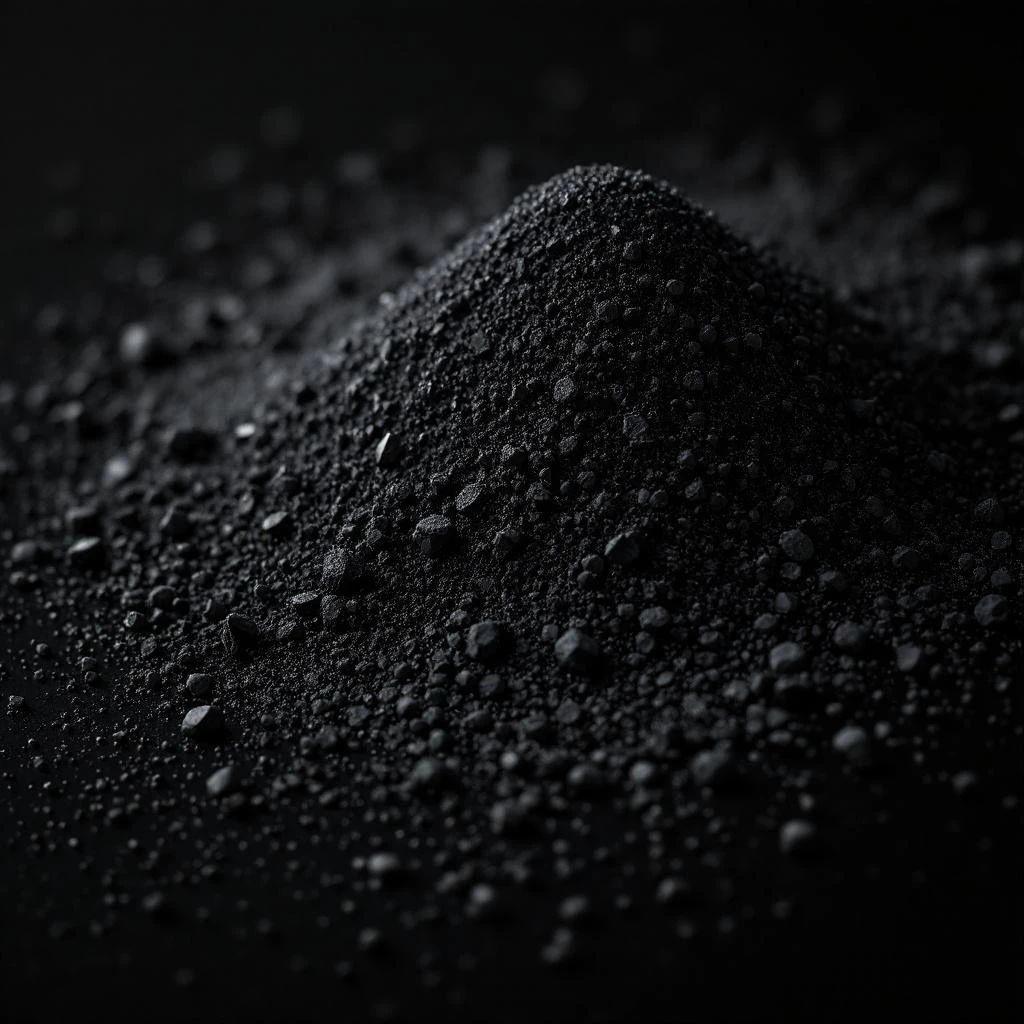
Pebble
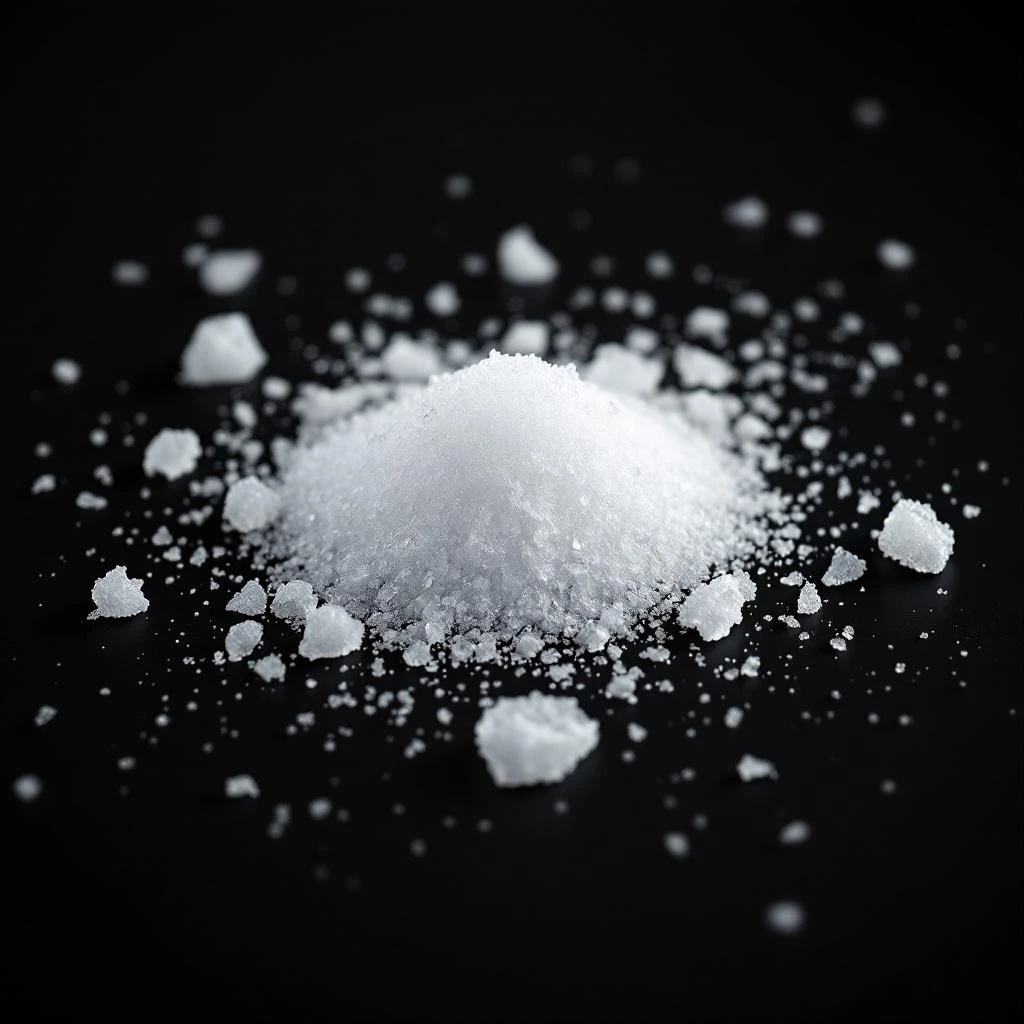
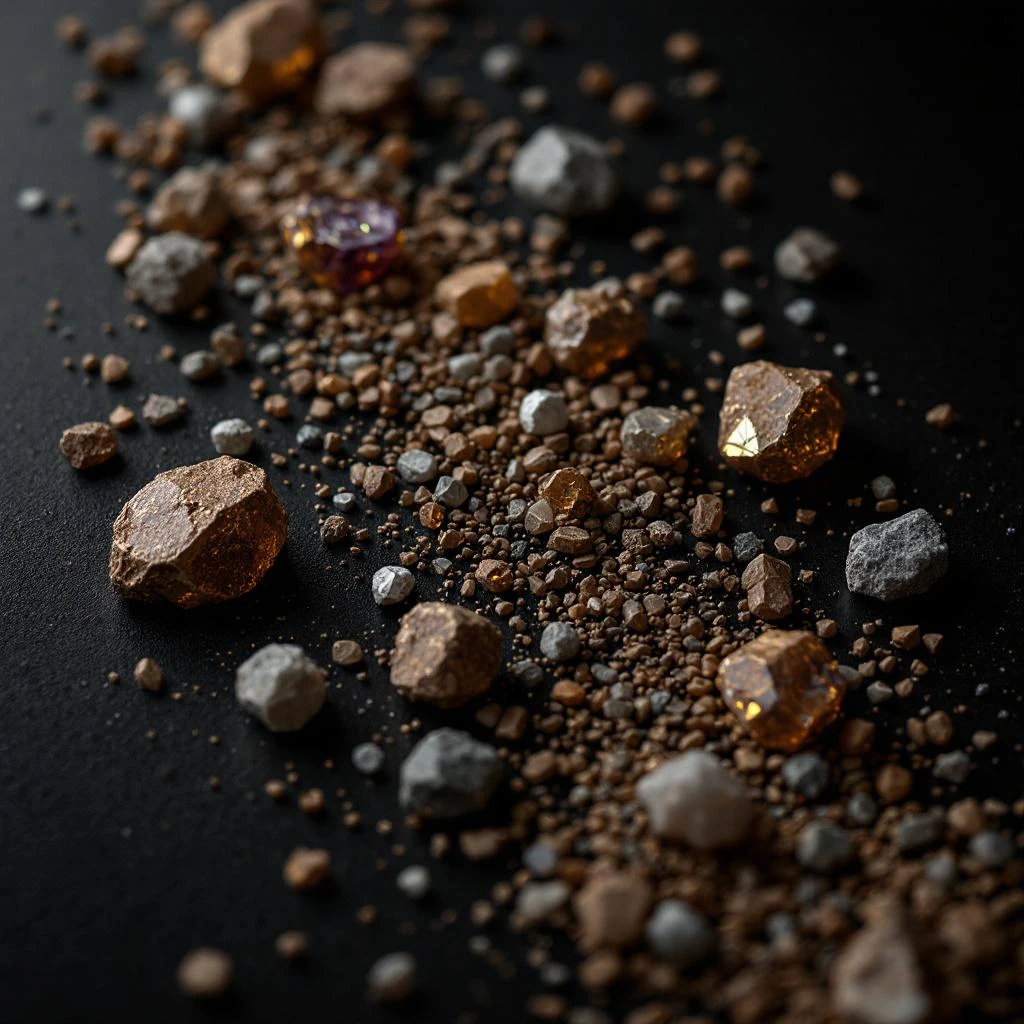
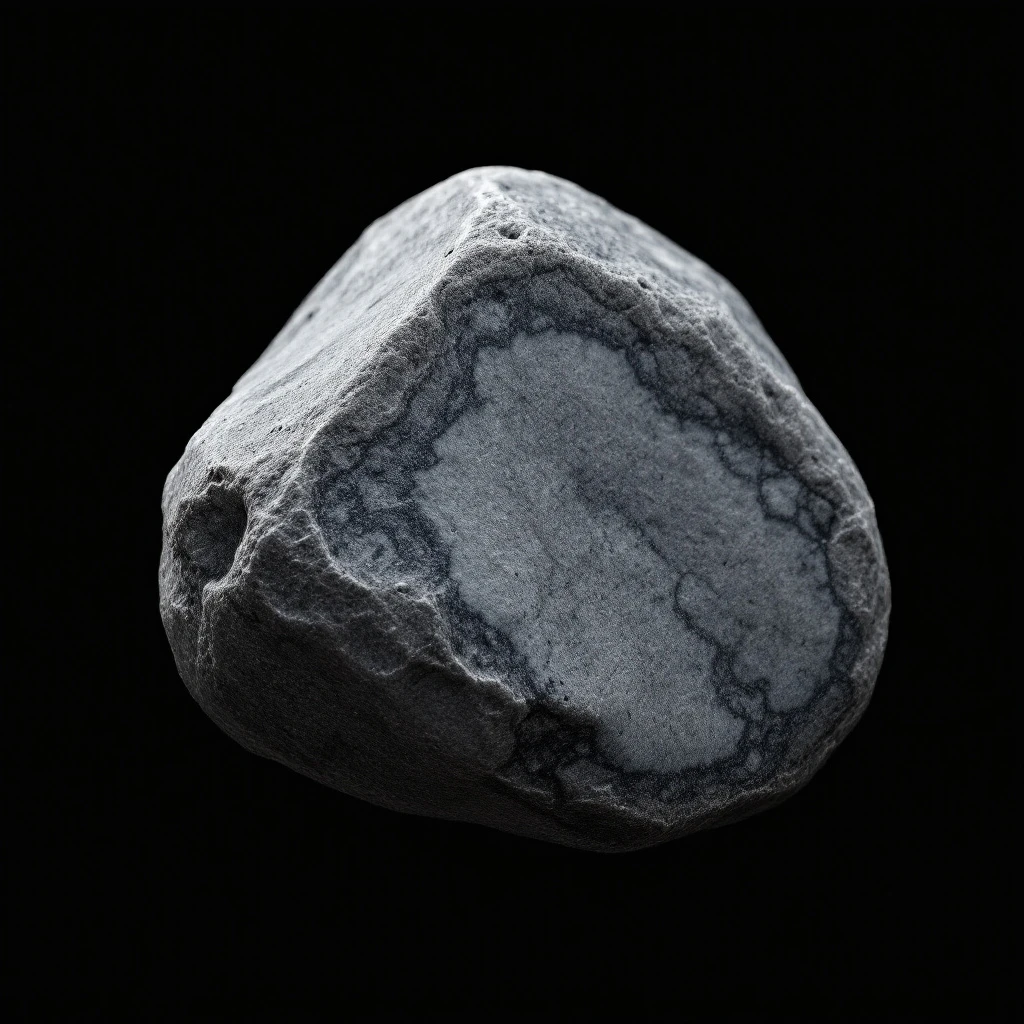
Pebble captures the cool, smooth essence of sun-warmed river stones. This mineral note brings clean, slightly damp freshness that grounds fragrances with unexpected natural simplicity.
Character
How it smells
Cool minerals. Smooth stones. Grounding depth.
The molecule geosmin, which gives petrichor its rain-on-stone scent, is produced by soil bacteria and is detected by humans at just 0.4 parts per billion.
Pairs beautifully with




Origin
Global
Mineral and stone notes like Pebble represent a distinctly modern innovation in perfumery, emerging from the synthetic chemistry revolution of the late 19th and 20th centuries. While ancient perfumers worked exclusively with plant and animal-derived materials, the isolation of specific aroma molecules opened entirely new sensory territories.
Perfumers began exploring non-botanical scents inspired by landscapes, weather, and geological features. The desire to capture the smell of rain on stones, cool cave air, and sun-warmed riverbeds drove chemists to recreate these atmospheric impressions through molecular synthesis.
Pebble as a named fragrance note reflects a broader cultural shift toward appreciating mineral, ozonic, and geological scent families. Today, these cool, clean mineral accents appear across fine fragrances where perfumers use them to add grounding contrast to floral or fruity top notes, or to suggest natural settings like mountain streams and coastal shores.
Wears it best
Fragrances featuring Pebble
Brands
Brands known for Pebble
Good to know
Questions, answered
The essentials on Pebble in perfumery: how it smells, where it comes from, and how it behaves on skin.
Is Pebble a natural fragrance ingredient?
No, Pebble is a synthetic accord. Perfumers create this mineral note by blending laboratory-synthesized aromatic molecules that together evoke the scent of smooth, wet stones.
What does Pebble smell like?
Pebble smells like cool, smooth stones with a clean mineral character. It carries subtle dampness and a smooth, dry finish reminiscent of sun-warmed river rocks. The scent is fresh without being sharp.
What molecule gives Pebble its stone-like quality?
Geosmin plays a significant role. This compound, responsible for the smell of rain on dry earth and wet stones, is detected by the human nose at extremely low concentrations of just 0.4 parts per billion.
What fragrances commonly use Pebble notes?
Mineral accords appear in many contemporary fragrances, often in the base or heart where they provide grounding. Many aquatic, fougere, and green fragrances incorporate stone-like minerality to add realism and depth.
How does Pebble work with other fragrance notes?
Pebble acts as a grounding element that adds cool contrast to warm ingredients like amber or wood. It smooths transitions between scent layers and lends a natural, realistic quality to mineral or oceanic fragrance concepts.
When did mineral notes first appear in perfumery?
Mineral fragrance concepts emerged in the early 20th century alongside synthetic chemistry. However, recognizable stone-like accords became common only after 1970, when aroma chemistry advanced significantly.
Does Pebble come from actual stones or rocks?
No natural extraction method produces scent directly from stones. Pebble is an impressionistic accord, similar to how 'ocean' or 'rain' notes are created through synthetic molecules rather than extraction.
Is Pebble used in men's or women's fragrances?
Pebble transcends gender categories. Its clean, mineral quality appears in fragrances marketed to all genders, where it serves as a modern, naturalistic element rather than a traditionally masculine or feminine note.