Papyrus absolute
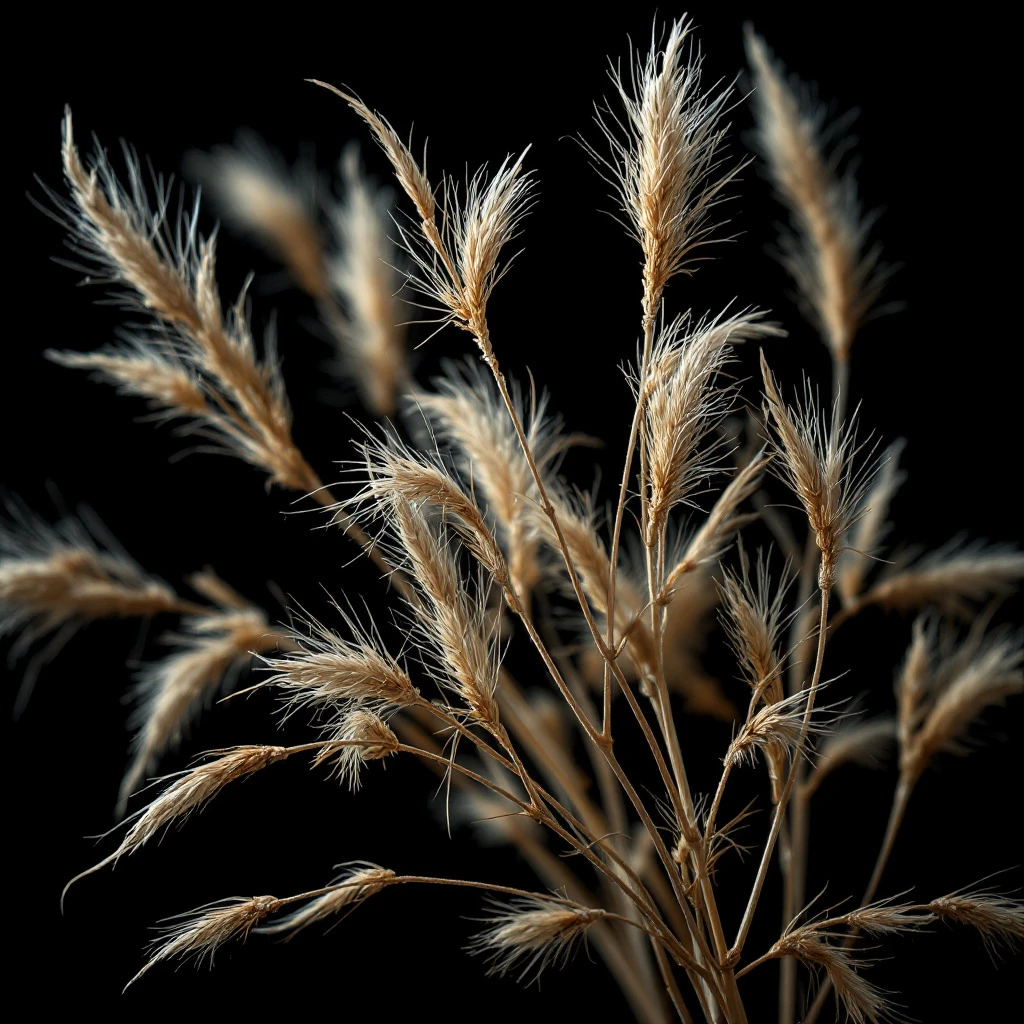
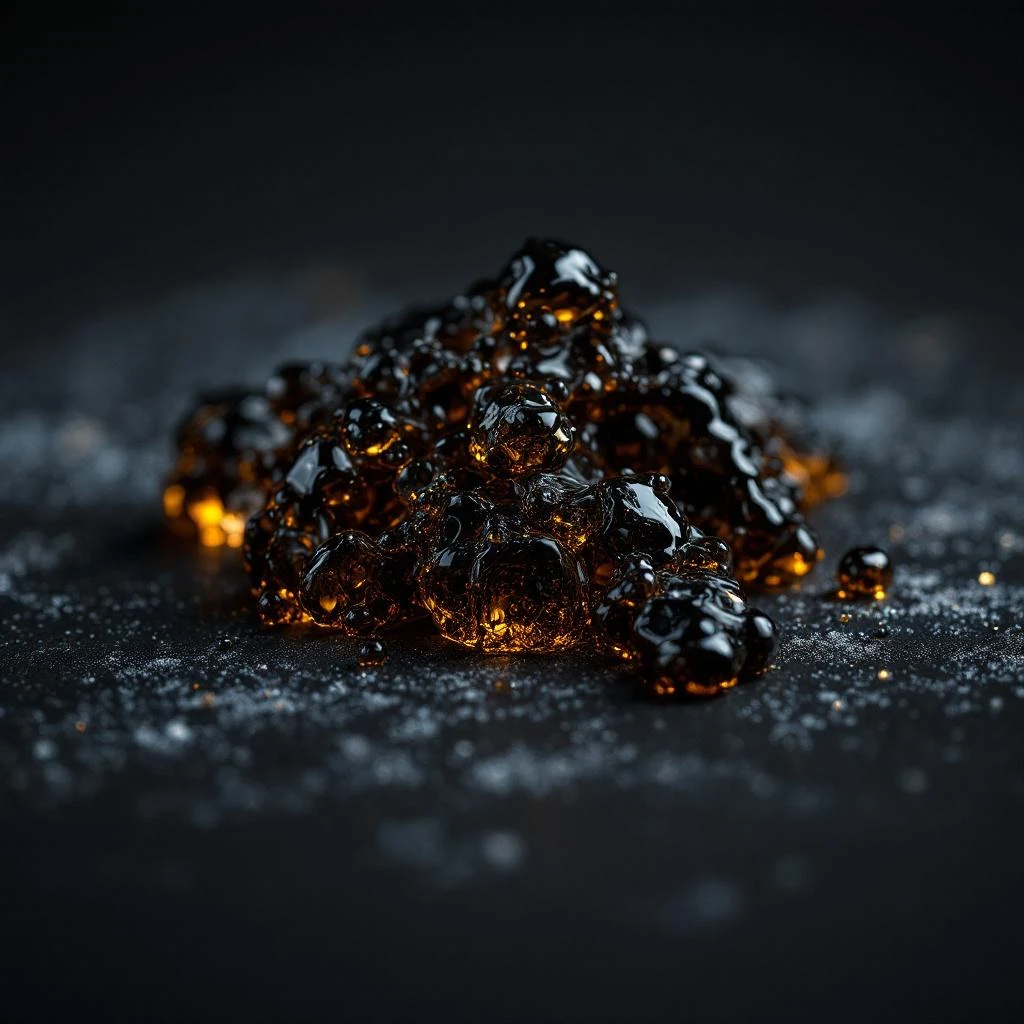
An aromatic treasure from ancient marshes, papyrus absolute captures the soul of the Nile in a rich, sepia-toned extract with earthy, salty, and subtle mushroom-like depth.
Character
How it smells
The scent of Egyptian history.
Ancient Egyptian papyrus scrolls written 4,000 years ago still survive intact, preserved by the very plant now distilled into perfume.





Origin
Egypt
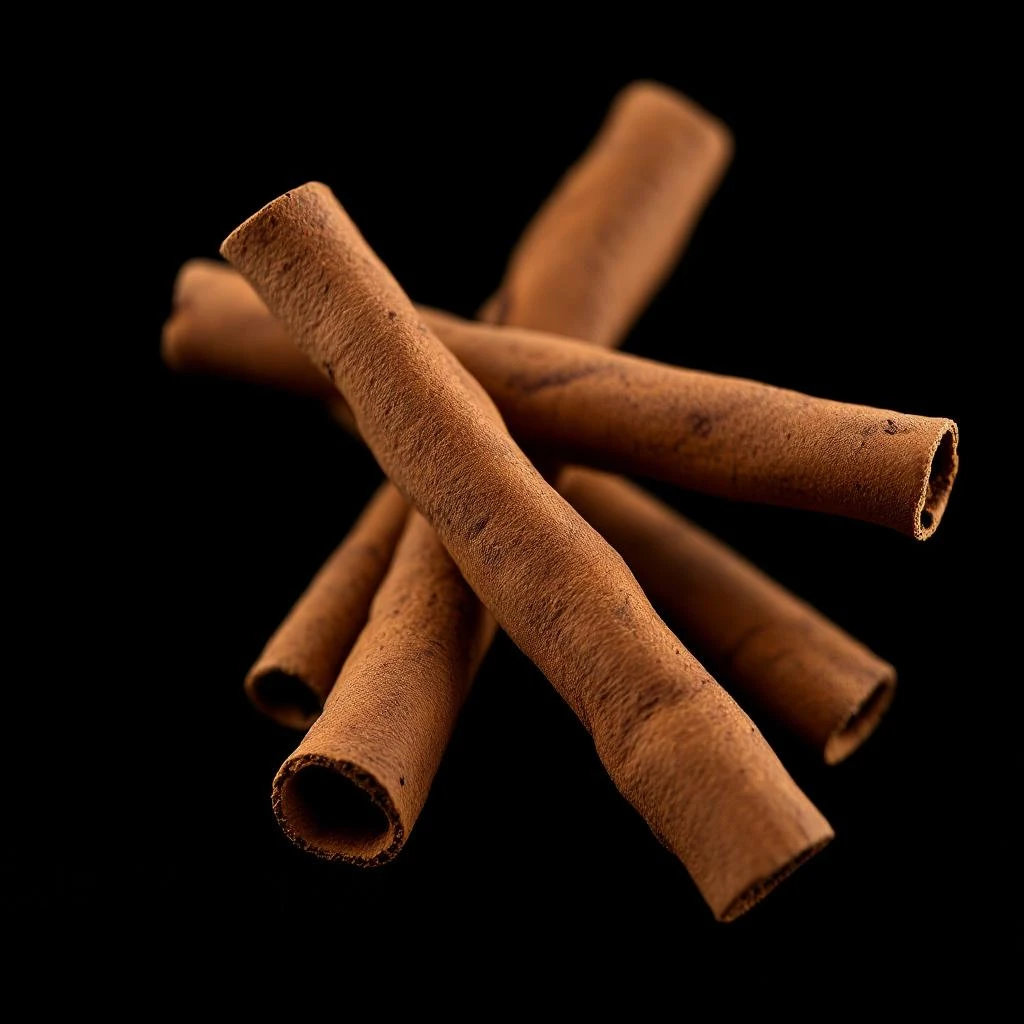
Papyrus has anchored Egyptian civilization for over five millennia, serving as the primary writing medium for scribes who recorded everything from pharaonic decrees to temple hymns. The tall aquatic sedge flourished along the Nile's banks and in surrounding marshes, growing as tall as five meters in dense stands. Egyptians transformed the plant's triangular stems into sheets by slicing the pith into thin strips, arranging them in layers, and pressing them together.
The resulting material proved remarkably durable, as evidenced by surviving documents like the Ebers Papyrus, a medical text dating to approximately 1550 BCE. Beyond writing, papyrus held ritual significance. Ancient texts describe the plant's use in religious ceremonies, and archaeologists have recovered papyrus fragments from tombs and temples.
The material supported a vast administrative economy, with papyrus scrolls traded throughout the Mediterranean world. Contemporary perfumers draw on this ancient botanical legacy, transforming a material once reserved for recording civilization's greatest achievements into an ingredient that lends fragrances a distinctive, historically resonant character.
Wears it best
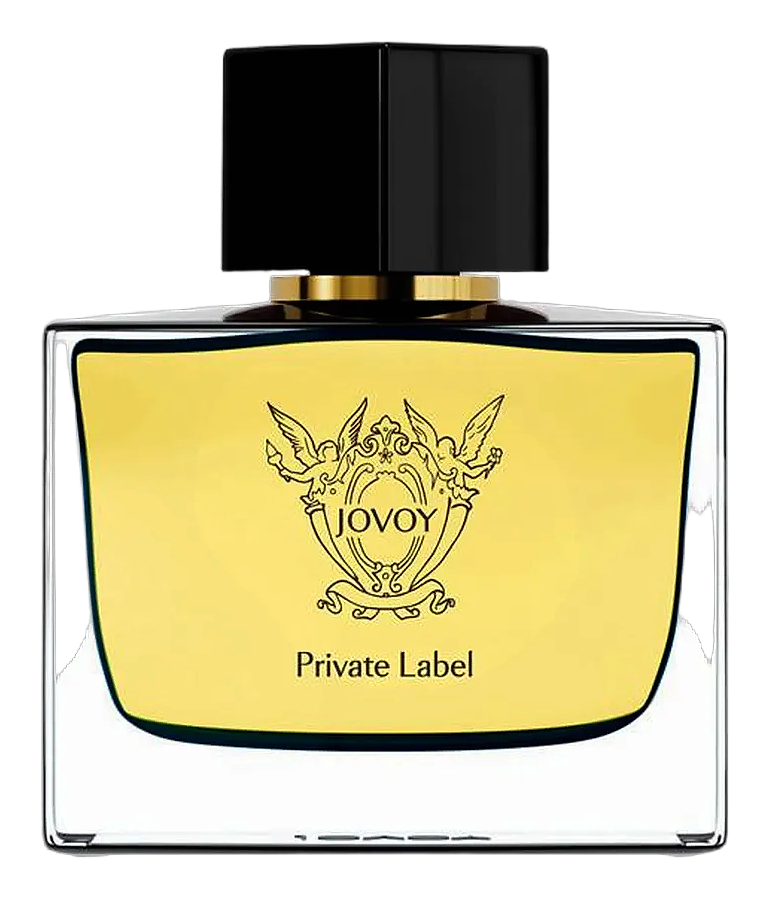
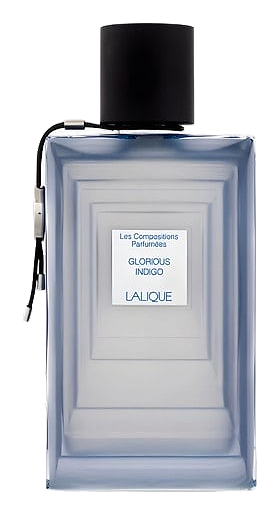
Fragrances featuring Papyrus absolute
Brands
Brands known for Papyrus absolute
Good to know
Questions, answered
The essentials on Papyrus absolute in perfumery: how it smells, where it comes from, and how it behaves on skin.
What is papyrus absolute?
Papyrus absolute is a concentrated aromatic extract obtained through solvent extraction of the Cyperus papyrus plant, yielding a sepia-colored liquid with earthy, salty characteristics native to Egypt's Nile Delta.
What does papyrus absolute smell like?
Papyrus absolute presents earthy, salty notes with subtle mushroom-like nuances. The scent is complex and warm, offering a distinctly different aromatic profile from fresh or green botanical materials.
Where does papyrus absolute originate?
Papyrus absolute originates from Egypt's Nile Delta, where Cyperus papyrus has grown in marshes for millennia. The plant remains abundant along the Nile's banks and in surrounding wetlands.
How is papyrus absolute extracted?
Solvent extraction using hexane or ethanol draws aromatic compounds from dried papyrus plant material. This method produces a pourable, sepia-colored absolute richer in aromatic complexity than steam distillation.
How does papyrus absolute differ from papyrus essential oil?
Solvent extraction yields a richer, more complex absolute with pronounced mushroom and salty nuances, while steam-distilled oil produces a different aromatic profile. The absolute is the preferred form in fine perfumery.
What historical significance does papyrus hold?
Ancient Egyptians transformed Cyperus papyrus into the world's first writing material around 3000 BCE. Surviving scrolls document medical knowledge, religious texts, and administrative records from over 4,000 years ago.
Can papyrus absolute be combined with other fragrance ingredients?
Papyrus absolute pairs well with woody, resinous, and marine notes in perfumery. It adds distinctive depth and a historical resonance that enhances complex fragrance compositions.
Is papyrus absolute a rare perfumery ingredient?
Papyrus absolute remains relatively uncommon due to limited production and the specialized nature of its extraction. It appears primarily in niche and artisanal fragrances rather than mainstream perfumes.