Character
How it smells
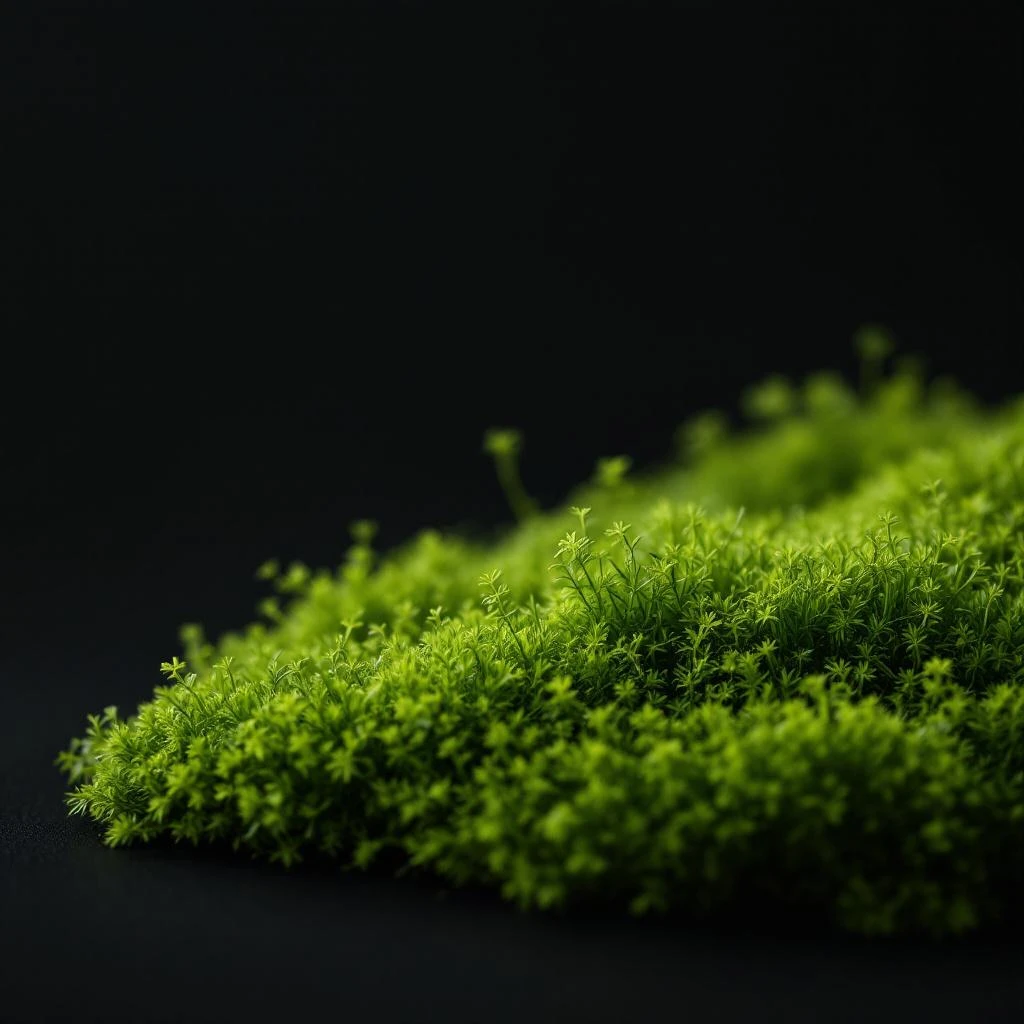
Warm greenery with a distinctly Southeast Asian character.
Peranakan households in Penang once combined shredded pandan with rose petals, jasmine and perfume oil to create scented arrangements.
Origin
Indonesia
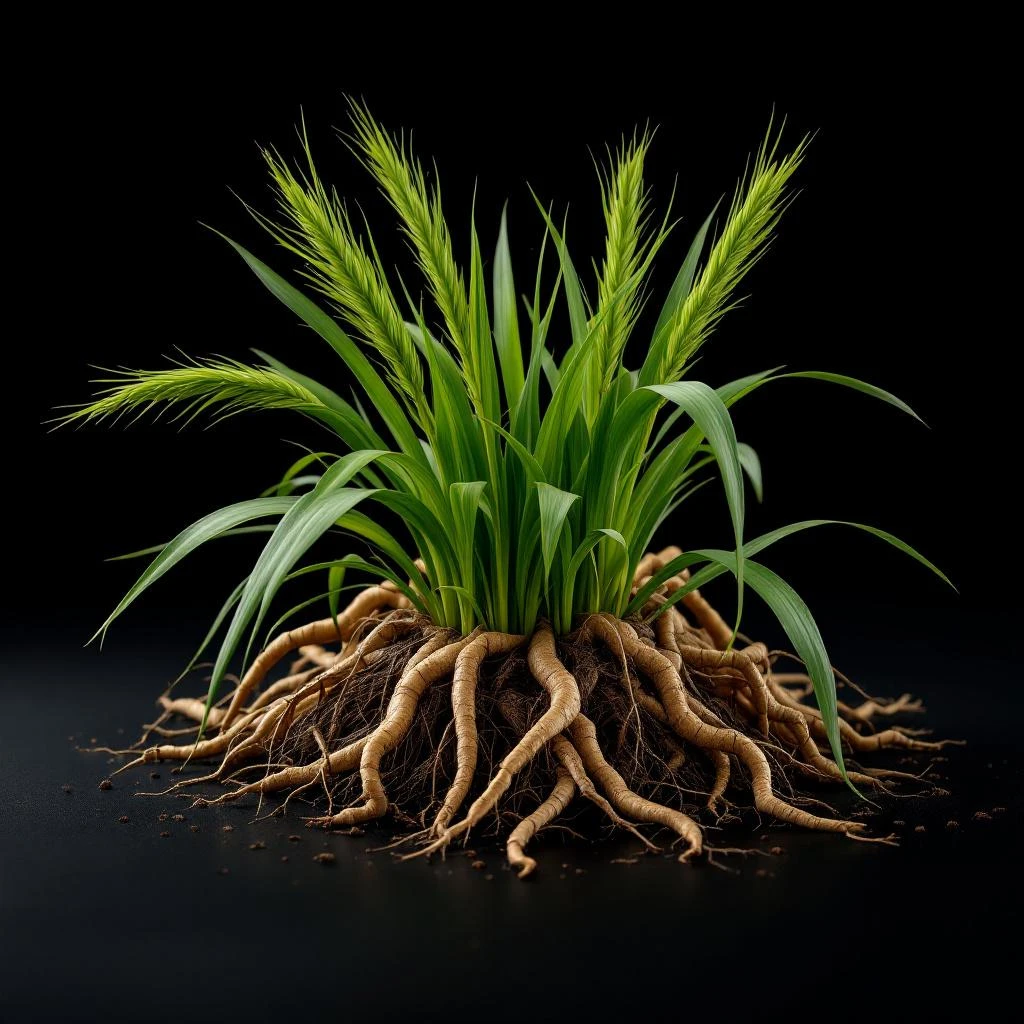
Pandan, or Pandanus amaryllifolius, has a long record of aromatic use across Southeast Asia. The species was first described from specimens collected in the Maluku Islands, an area regarded as its place of origin, and its leaves later became prominent ingredients in regional cooking and scented preparations.
The leaf’s familiar fragrance reached perfumery through culinary and domestic practices rather than through a single documented invention. In Penang, Peranakan communities prepared a home fragrance by mixing shredded pandan with rose petals, jasmine and perfume oil, demonstrating how the ingredient crossed between food, ritual and scent.
Today, Indonesia remains a major center of pandan cultivation and trade, while India, Thailand and other tropical countries also use the leaves as natural fragrance sources. Its history gives pandan leaf a character unlike that of conventional citrus or floral materials: part aromatic herb, part edible staple, and part cultural signature.
Good to know
Questions, answered
The essentials on Pandan Leaf in perfumery: how it smells, where it comes from, and how it behaves on skin.
What does pandan leaf smell like in perfume?
Pandan leaf gives perfume a warm, green aroma with grassy, nutty and subtle floral facets. Its distinctive character is often compared with vanilla, coconut or tonka, but pandan presents a more leafy and herbal profile.
Which part of the pandan plant is used in perfumery?
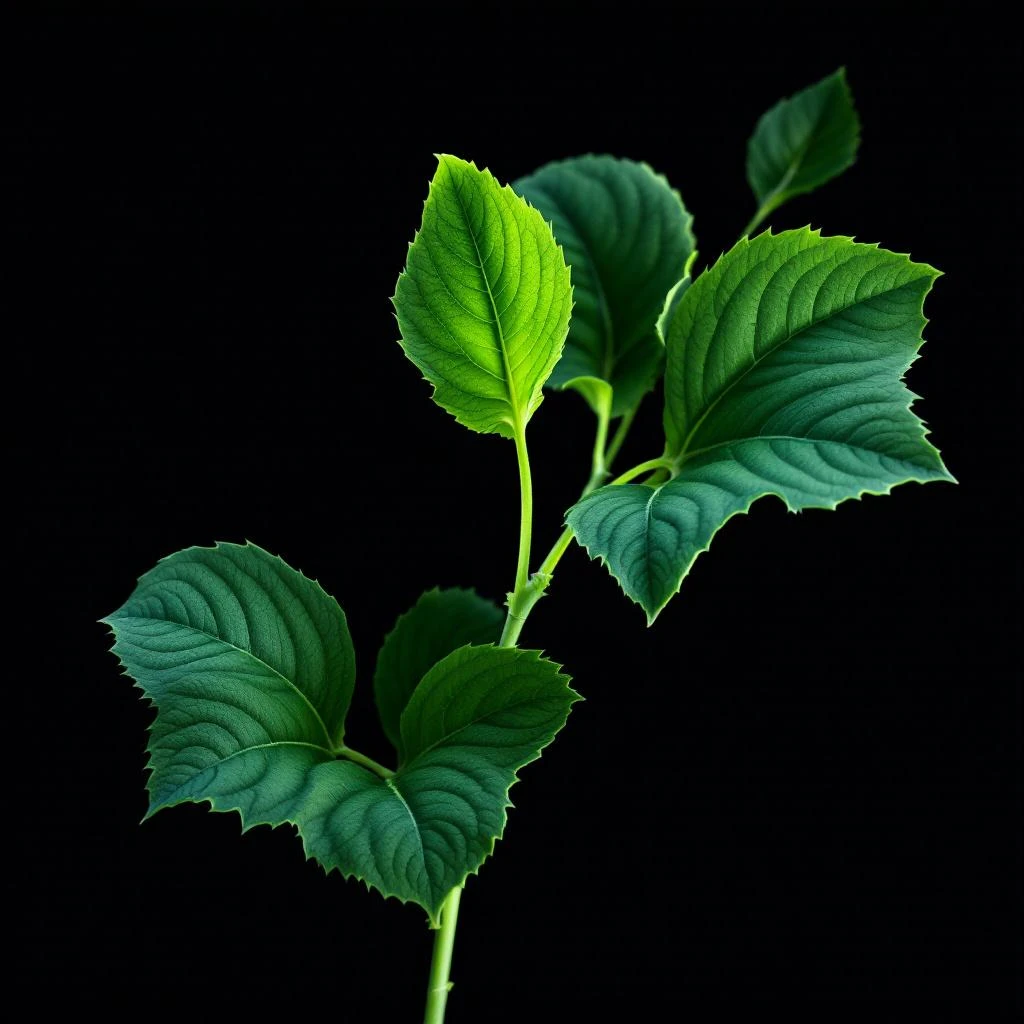
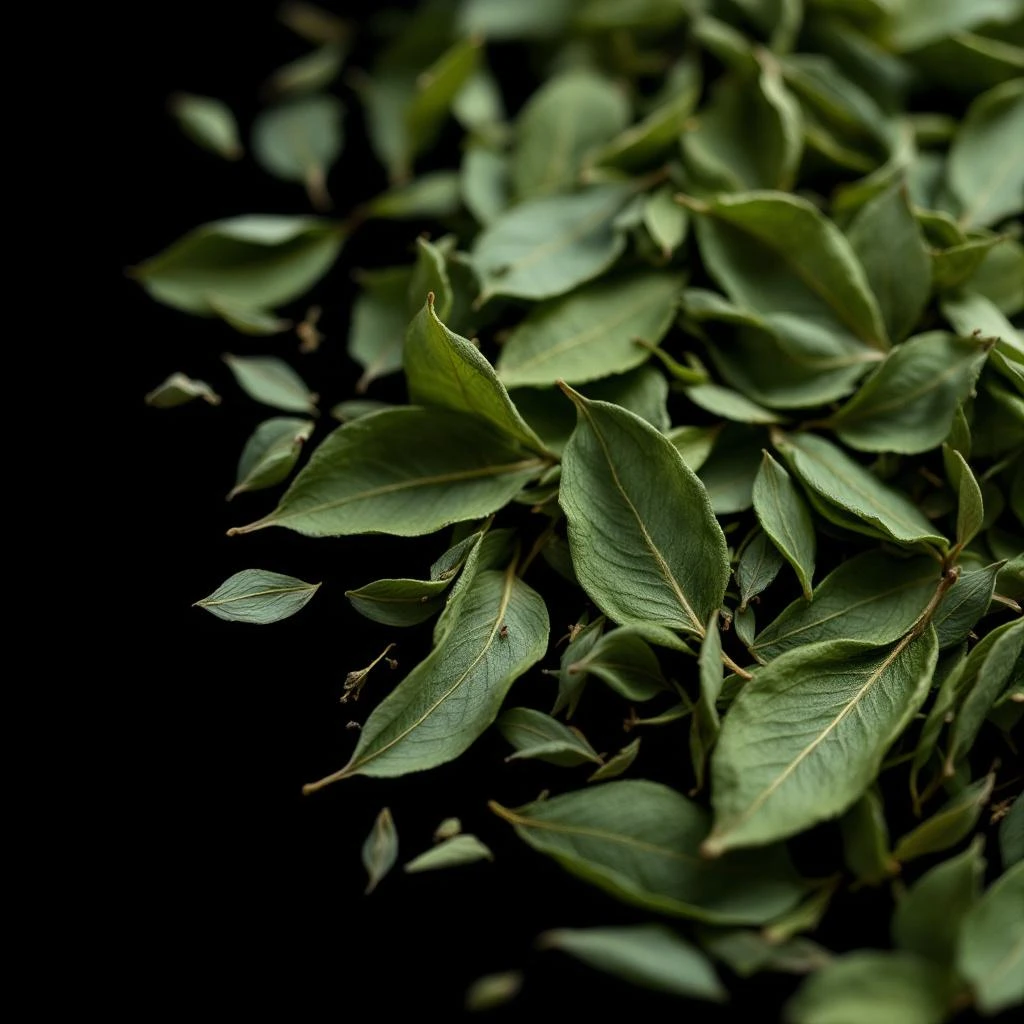
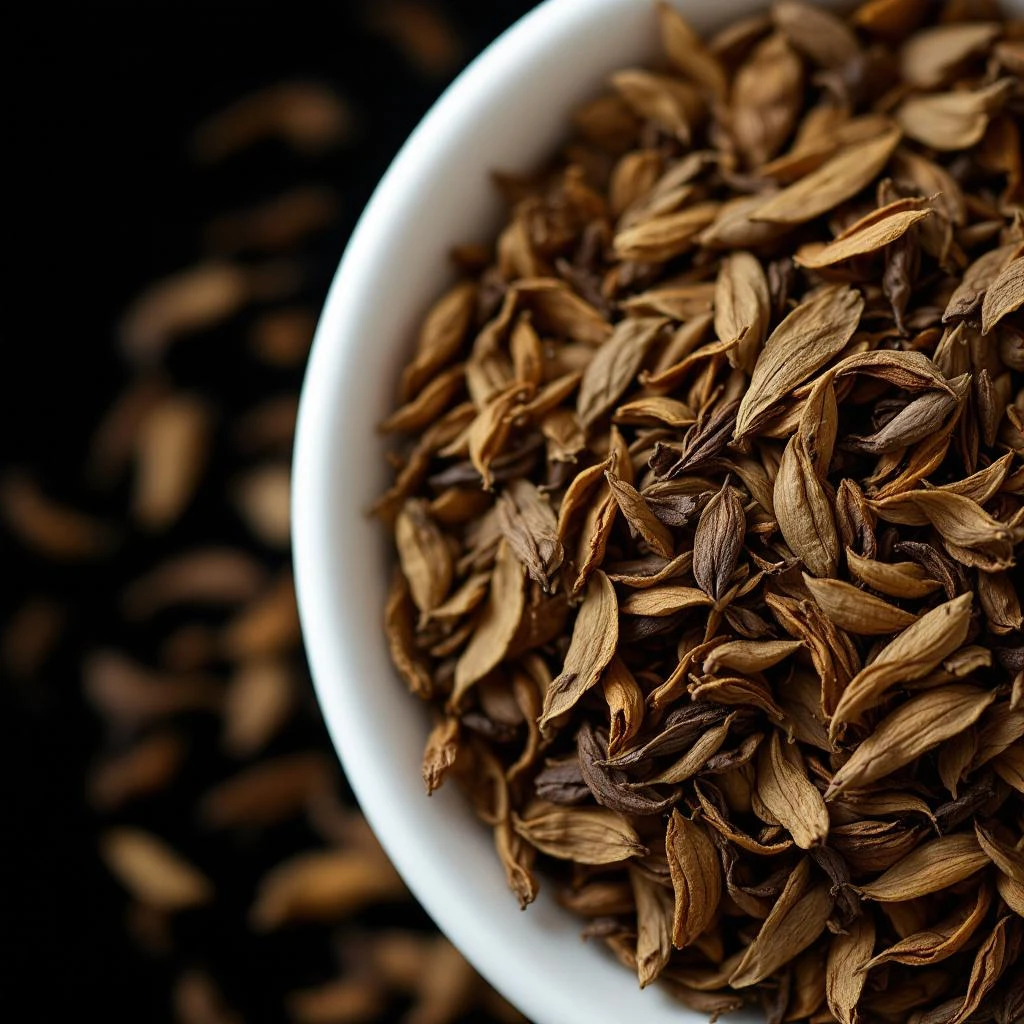
Perfumers primarily use pandan leaves, either fresh or dried. The leaves are crushed before extraction, and their aromatic oils provide the characteristic green, warm and slightly nutty scent.
Where does pandan leaf originate?
Pandan leaf originates in Southeast Asia, with the species first described from the Maluku Islands in Indonesia. Indonesia remains a major producer, though the plant is also cultivated in places such as India and Thailand.
How is pandan leaf extract produced?
Producers crush the leaves and recover their aromatic compounds through methods such as solvent extraction, water extraction or steam distillation. The chosen process affects the extract’s balance of fresh greenery, warmth and floral nuance.
Is pandan leaf a natural or synthetic perfume ingredient?
Pandan leaf fragrance can be obtained naturally from Pandanus amaryllifolius leaves. Synthetic pandan accords may also reproduce the familiar coconut-vanilla effect, so the label “natural” does not always indicate the exact source.
What fragrance families suit pandan leaf?
Pandan leaf works best in green, herbal, aromatic and woody compositions, often alongside citrus or florals. Its warm grassy profile can add a natural depth to niche eaux de parfum and contemporary amber-led fragrances.
How does pandan leaf differ from pandan fruit?
Both carry the plant’s familiar sweet, coconut-like character, but pandan leaf is more green, grassy and herbaceous. The fruit tends to appear rounder and sweeter, while the leaf gives perfume a drier, more natural edge.
What is pandan leaf’s cultural history in fragrance?
Pandan has long served culinary and aromatic roles across Southeast Asia. In Penang, Peranakan communities mixed shredded leaves with rose petals, jasmine and perfume oil to create a scented home preparation.