Orris root resinoid
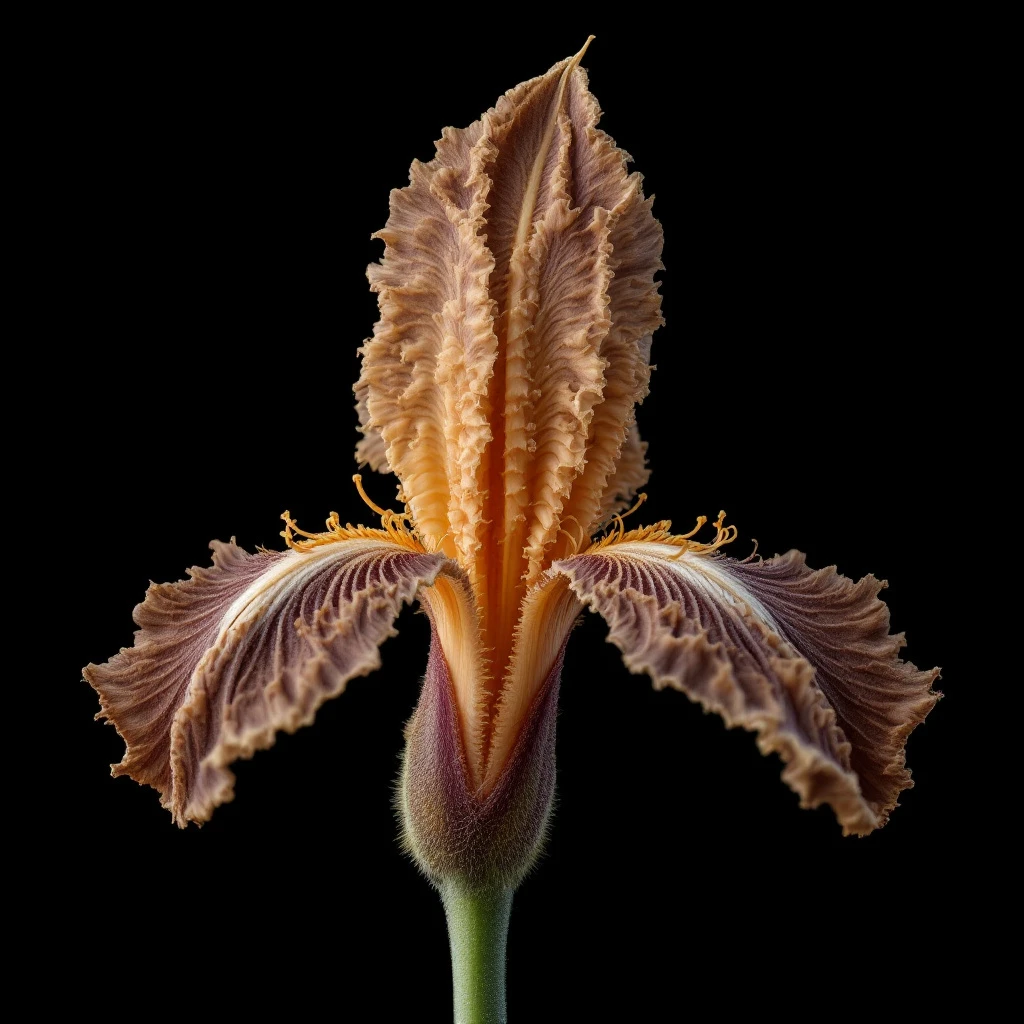
From rhizomes aged for years, orris root resinoid delivers violet-like warmth with creamy, powdery depth. It commands prices rivaling gold — and justifies every cent.
Character
How it smells
Gold-standard violet with six years of patience built in.
Perfumers pay more per kilogram for orris butter than for gold. The wait from planting to harvest: six years minimum.






Origin
Italy
Orris has threaded through perfumery since ancient times. Egyptians used iris-scented preparations for cosmetics and religious rites. Greeks and Romans prized the powdered root for its delicate fragrance and symbolic associations with purity.
The ingredient rose to prominence during the Renaissance when Catherine de Medici introduced iris-based perfumes to the French court. Italian growers, especially in Tuscany, mastered the cultivation and curing techniques that still define quality today. By the 19th century, orris had become a cornerstone of fine fragrance, appearing in countless classic formulas.
Its scarcity and labor-intensive production never diminished demand. If anything, the six-year growing cycle and the premium price have elevated its mystique among perfumers and collectors alike.
Wears it best
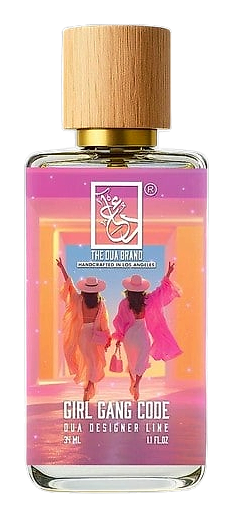
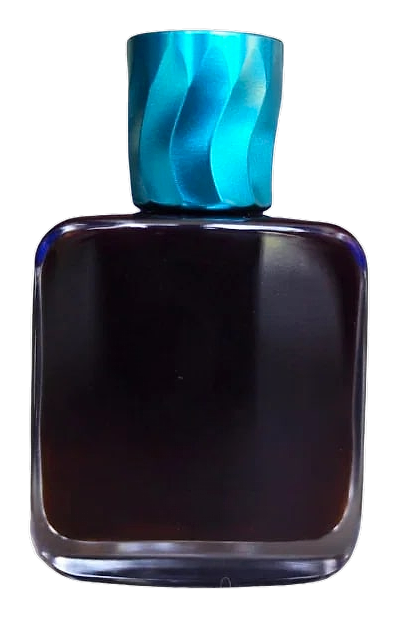
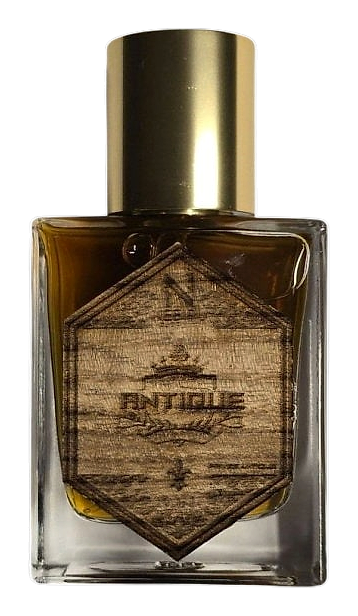
Fragrances featuring Orris root resinoid
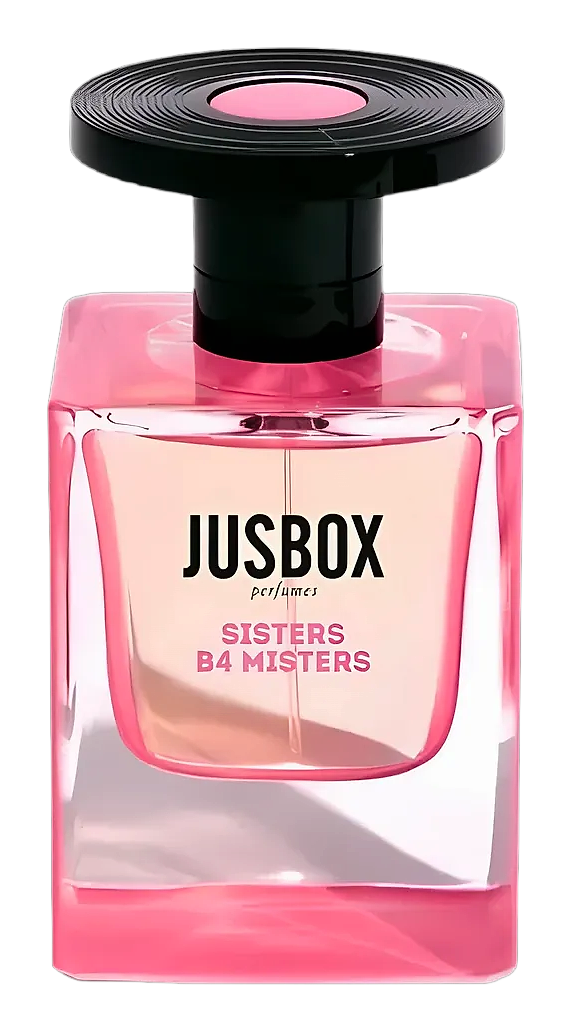
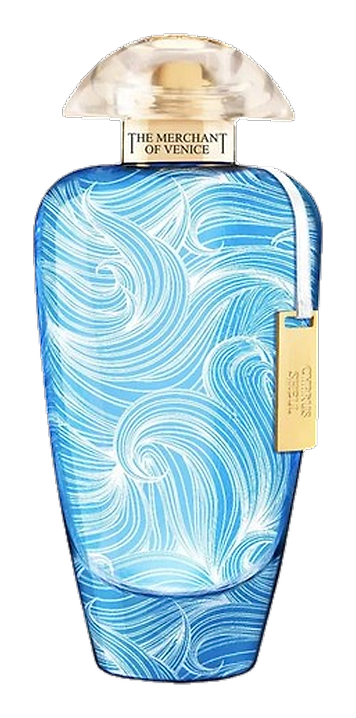
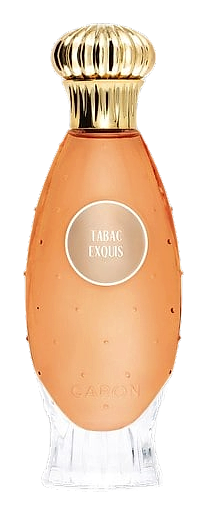
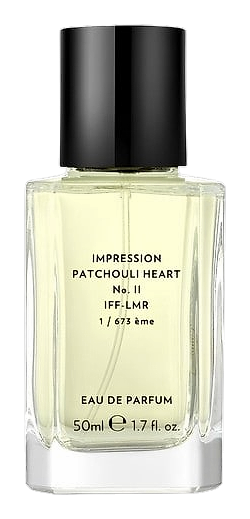

Brands
Brands known for Orris root resinoid
Good to know
Questions, answered
The essentials on Orris root resinoid in perfumery: how it smells, where it comes from, and how it behaves on skin.
What does orris root resinoid smell like?
Orris resinoid smells powdery, creamy, and violet-like with a subtle woody undertone. The aged rhizomes produce a warm, elegant signature that reads as soft and floral rather than sharp.
Why does orris cost more than most fragrance ingredients?
The six-year minimum cycle drives the price. Rhizomes must age for two to three years before extraction for irones to fully develop. That time investment, combined with modest yields, makes orris butter rarer than gold by weight.
What species produce orris resinoid?
Three main iris species yield usable resinoid: Iris pallida, Iris germanica, and Iris florentina. All three grow across the Tuscan hillside region of Italy, with Iris pallida considered the most aromatic.
How does aging affect orris root?
Freshly harvested rhizomes contain negligible aromatic compounds. During two to three years of drying, irone precursors convert into the molecules that give orris its signature powdery-violet character. No aging means no scent.
What distinguishes orris resinoid from orris butter?
Orris resinoid results from solvent extraction of aged rhizomes. Orris butter — sometimes called concrete — comes from hydrodistillation. Resinoid is more concentrated and easier to work with in formulation.
Which perfumery families use orris root resinoid?
Orris appears in powdery florals, chypres, fougeres, and modern musky compositions. Its violet-cream character makes it a natural fit for elegant feminine fragrances and sophisticated gender-neutral work.
Can synthetic alternatives replace natural orris?
Synthetic irones mimic parts of the scent profile but lack the full complexity of aged natural resinoid. Perfumers often blend natural orris with synthetic backups to manage cost while preserving nuance.
Where does the best orris root grow?
Tuscany in Italy produces the benchmark material. The specific combination of soil drainage, altitude, and climate in this region consistently yields rhizomes with superior irone content after aging.