Orris root concrete
Derived from aged rhizomes of Iris germanica, orris root concrete is among perfumery's most labor-intensive and coveted ingredients. After a three-year minimum growth period, the roots develop irones—the compounds responsible for its signature violet, powdery warmth that anchors luxury fragrances.
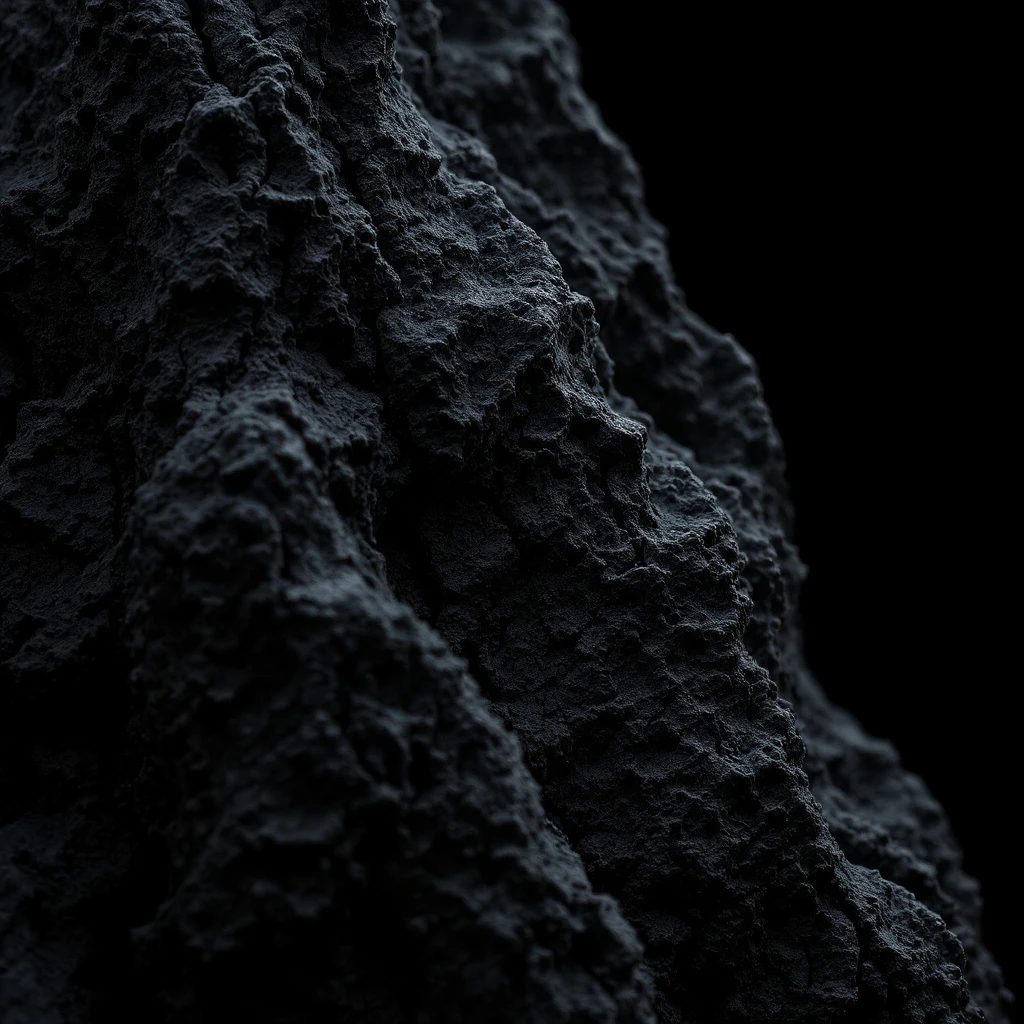
Character
How it smells
Six years from soil to scent.
Catherine de Medici famously carried orris-scented gloves, reportedly coating them with iris root powder to mask court odors.





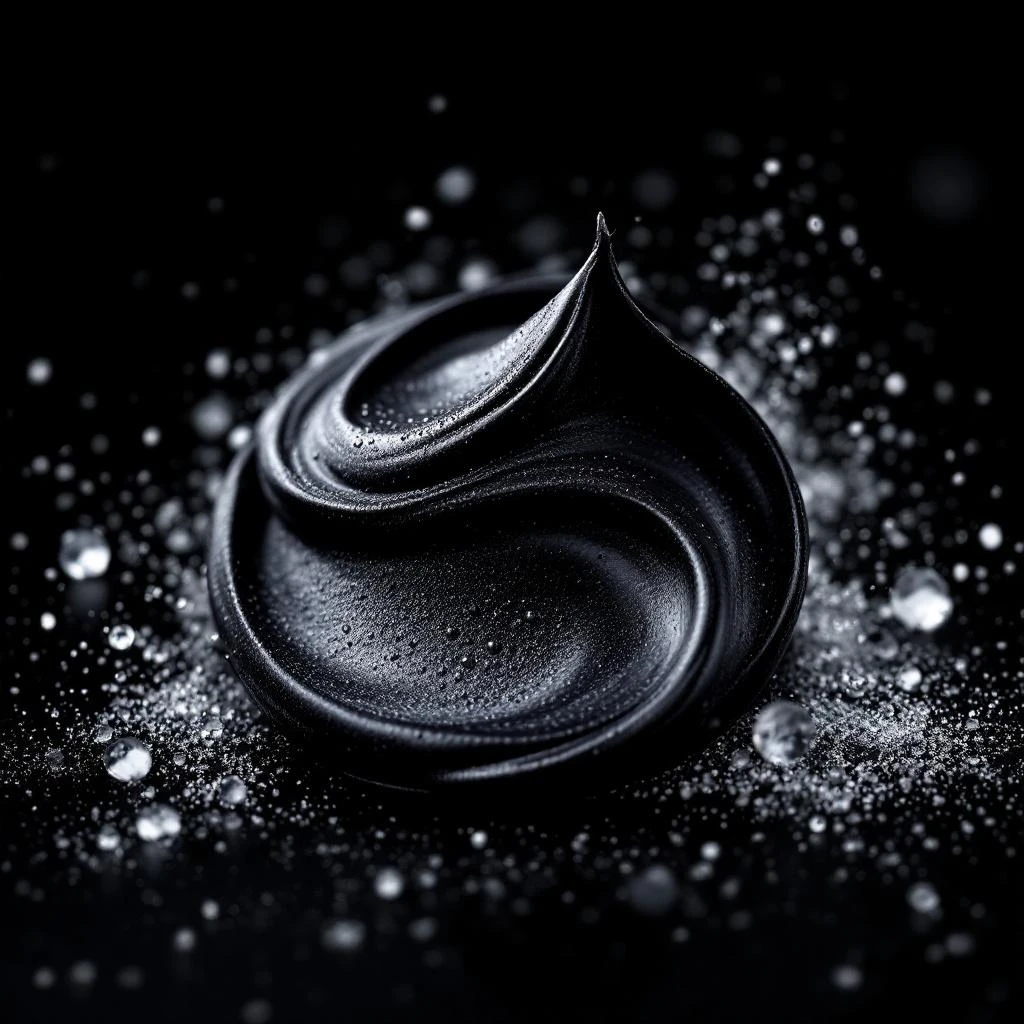


Origin
Italy
Iris as a fragrant ingredient predates modern perfumery by millennia. Ancient Egyptians used dried iris rhizomes in cosmetics and ceremonial preparations, while texts from Greece and Rome document iris-root powders and unguents. The plant's association with luxury intensified during the Renaissance when Catherine de Medici, queen of France, reportedly carried iris root-scented gloves—popular at the time for odor masking in unpaved cities. French and Italian court perfumers codified iris root as a prestige base note throughout the 16th and 17th centuries.
Florence, Italy became the epicenter of quality orris production, givingiris florentina its name. The city-state's name for the iris persists as a botanical designation, underscoring how deeply the ingredient is embedded in European fragrance heritage. Powdered iris root featured in dentifrices, soaps, and luxury toiletries well into the 19th century before synthetic aromatics shifted consumer behavior. Today, orris remains a marker of prestige and naturism in fine fragrance formulations where formulators prefer natural materials.
Wears it best
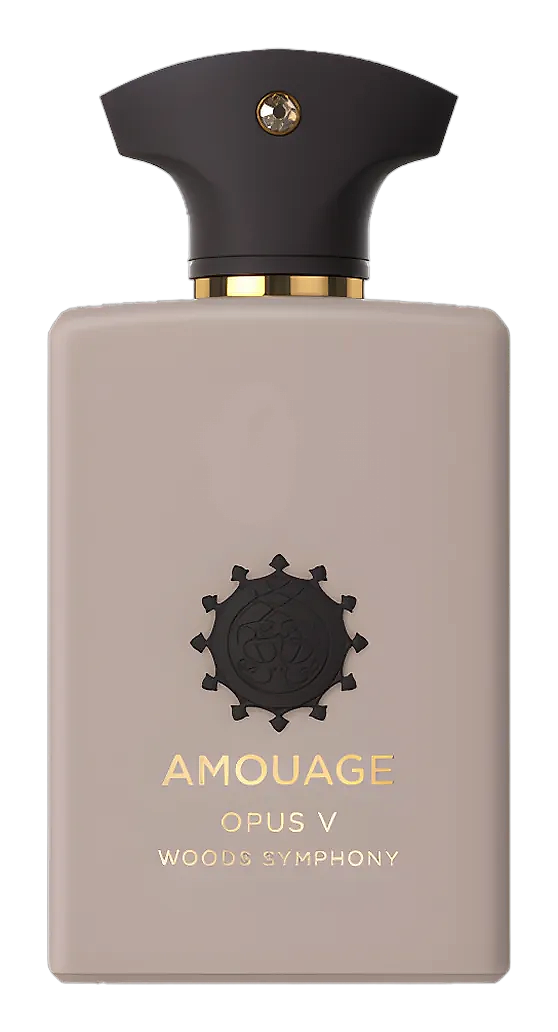
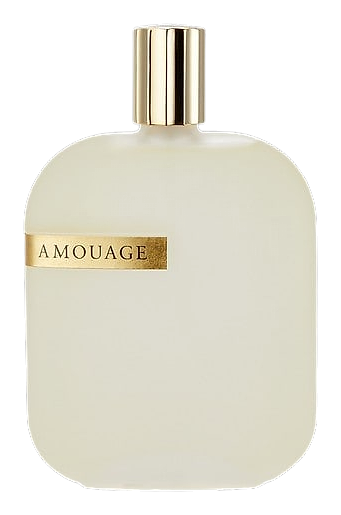
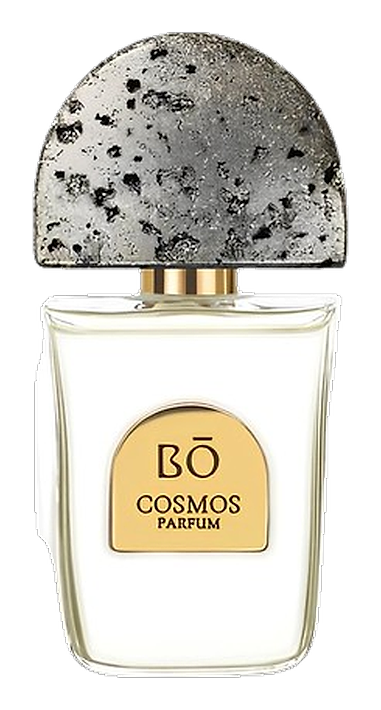
Fragrances featuring Orris root concrete
Brands
Brands known for Orris root concrete
Good to know
Questions, answered
The essentials on Orris root concrete in perfumery: how it smells, where it comes from, and how it behaves on skin.
What is orris root concrete?
Orris root concrete is a waxy botanical extract obtained through solvent extraction of aged rhizomes from Iris germanica, I. pallida, and related species. After minimum three-year growth, roots are peeled, dried, and processed to yield a butter-like concentrate valued for its warm, powdery violet character.
Why is orris root so expensive?
The production cycle stretches six years from planting to extraction, and each step requires hand labor. Rhizomes must mature to develop irones—the cost-driving aromatic compounds—and crops face weather and soil disease risks throughout. This rarity and lengthy investment justify premium pricing in fine fragrance.
What does orris root concrete smell like?
Orris root concrete offers a warm, powdery violet aroma with creamy, slightly woody undertones. The profile softens fragrance bases and lends lasting warmth, making it a sought-after fixative in oriental, floral, and powder-style compositions.
How long does orris take to grow before harvest?
Minimum three years of growth in soil before rhizomes are ready. Full maturation to peak irone concentration often extends the cycle to six years. This extended development period distinguishes orris from nearly every other natural perfumery ingredient.
What other names exist for orris root?
Common synonyms include iris concrete, iris resinoid, iris absolute, orris butter, and orris resinoide. Botanically, it derives from Iris germanica, Iris pallida, and Iris florentina rhizomes, with Florentine iris holding particular historical prestige.
Is orris root used outside cosmetics?
Yes. Historically it appeared in dentifrices, scented powders, and toiletry soaps. Pharmaceutical and aromatherapy applications also exist, though perfumery dominates commercial demand today.
Where does the best orris root originate?
Florence, Italy remains the benchmark origin, lending its name to Iris florentina. The Italian climate and soil quality produce high-irone rhizomes, though Morocco, China, and France also cultivate iris for extraction.
Can synthetic alternatives replicate orris root?
Synthetic irones (gamma-irone, alpha-irone) attempt replication but lack the fatty acid complexity and fixative depth of natural concrete. Naturist formulators prefer the real material for its fuller, more persistent contribution to fragrance bases.