Oak Leaves
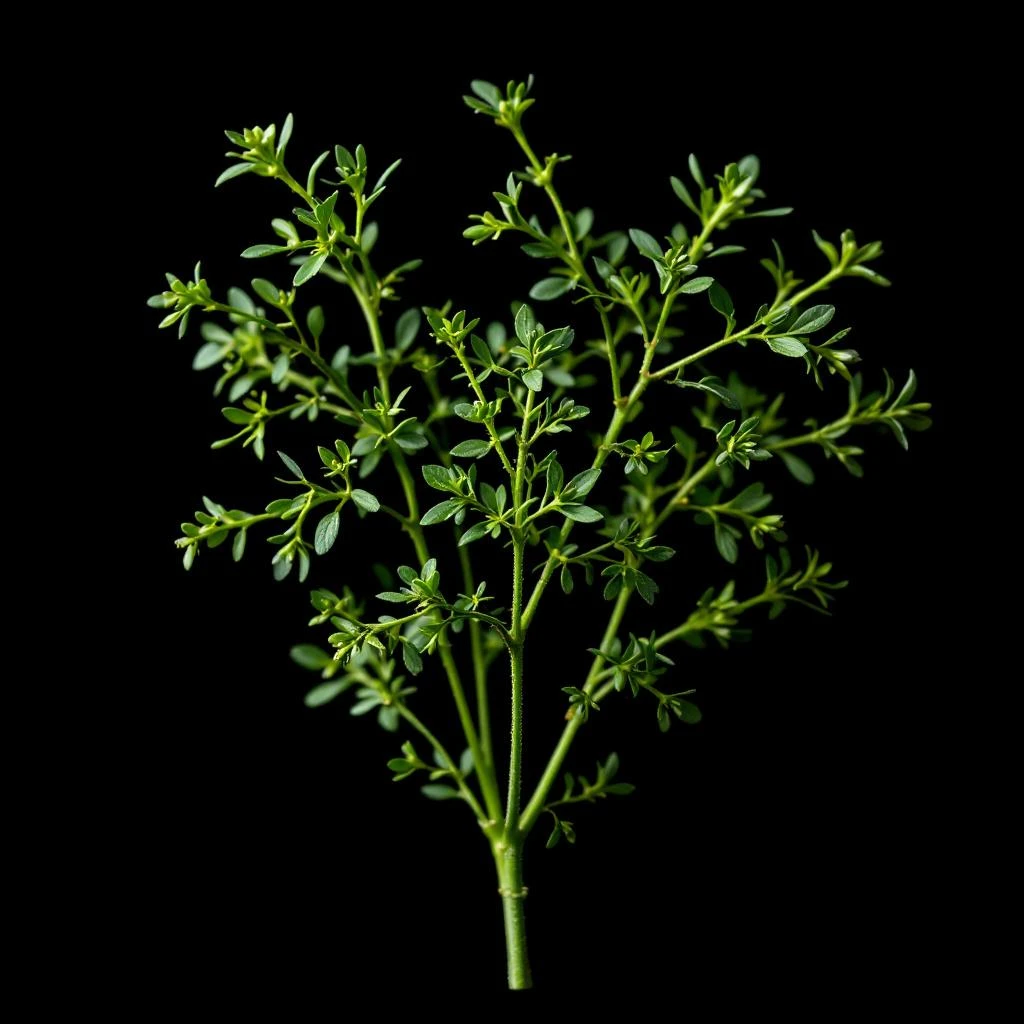
Oak Leaves captures the crisp, green essence of forest undergrowth—crushed foliage, morning dew, and the quiet stillness of ancient woodlands. This reconstructed note brings the forest floor to your skin, evoking the scent of a walk through oak groves after rain.
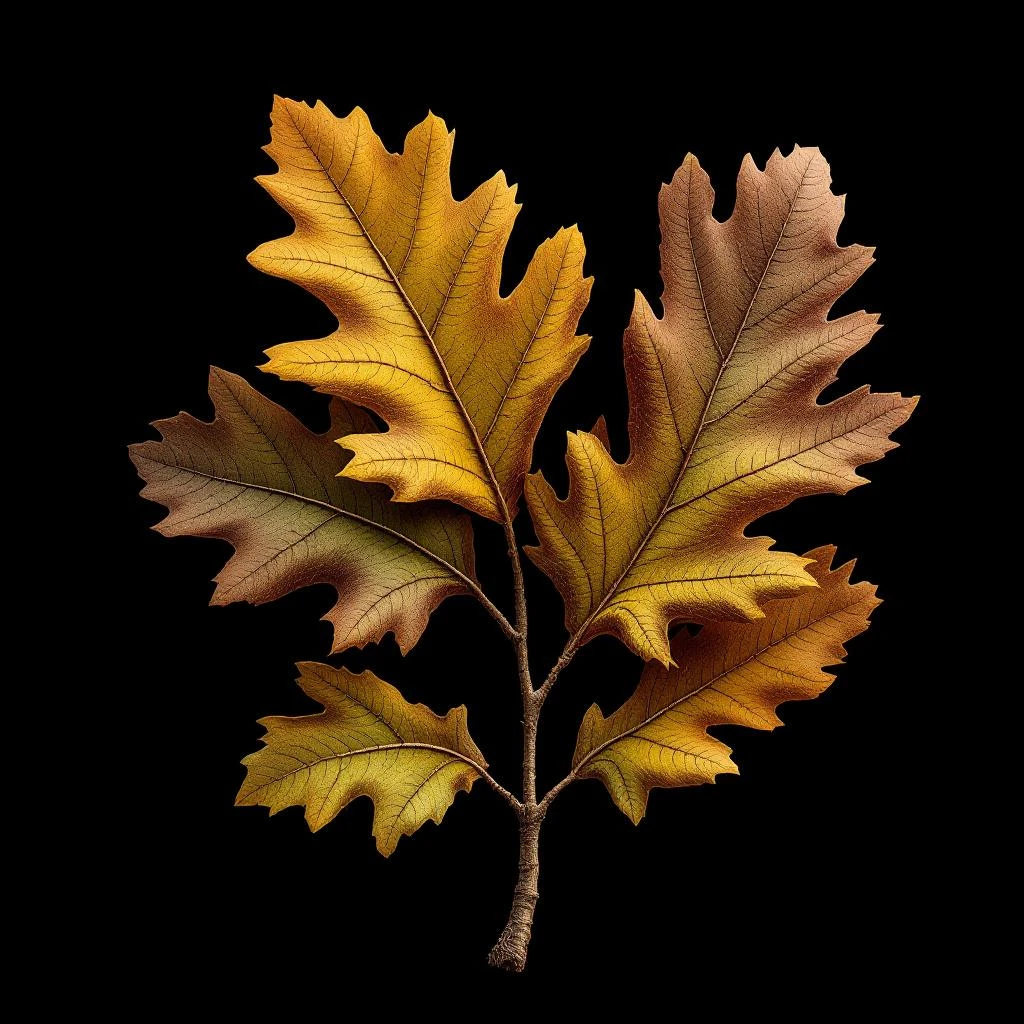
Character
How it smells
The scent of a forest floor after rainfall.
Oak Leaves cannot be extracted commercially. Perfumers reconstruct its green, slightly bitter character using green-leaf aldehydes and methyl salicylate to capture its essence.





Origin
France
Oak has held sacred status across European cultures for millennia, from Druidic ceremonies in ancient Britain to Greek mythology where Zeus manifested in an oak to deliver prophecies. While perfumery has long used oak-derived materials like oakmoss and oak barrels for aging, direct use of oak leaves in fragrance remained unexplored until modern reconstruction techniques emerged. The ancient Greeks burned oak leaves in sacred rites, believing the smoke carried prayers to the gods.
Medieval herbalists prized oak leaves for their astringent properties, using them in medicinal preparations. Contemporary perfumers finally found a way to honor this arboreal heritage by reconstructing the scent of the leaf itself, giving modern fragrances access to an olfactory dimension of oak that ancient cultures could only experience whole.
Wears it best
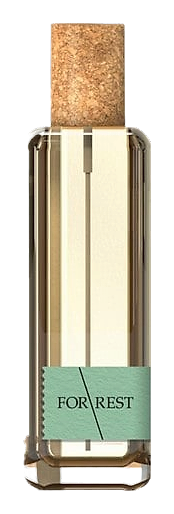
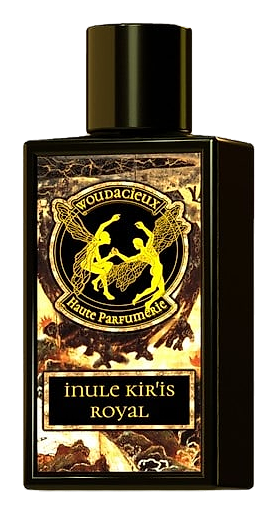
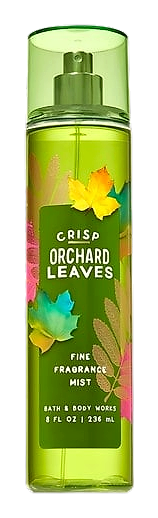
Fragrances featuring Oak Leaves

Brands
Brands known for Oak Leaves
Good to know
Questions, answered
The essentials on Oak Leaves in perfumery: how it smells, where it comes from, and how it behaves on skin.
Can you extract essential oil from oak leaves?
No. No commercial essential oil or absolute exists for oak leaves. Perfumers reconstruct the note using green-leaf aldehydes and methyl salicylate to capture the characteristic scent.
How does Oak Leaves differ from oakmoss?
Oakmoss is a lichen harvested from oak bark with an earthy, resinous character. Oak Leaves captures the green, fresh-crushed foliage scent—completely different aromatic profiles despite sharing a tree.
What does Oak Leaves smell like?
The note reads as crisp green foliage with bitter, tannic undertones. Think crushed leaves underfoot, damp forest floor, and the cool air of a woodland clearing.
Is Oak Leaves natural or synthetic?
Reconstructed. Perfumers combine aromatic molecules including green-leaf aldehydes to simulate the scent of freshly crushed oak leaves.
Which fragrance families use Oak Leaves?
Chypre and fougère fragrances most commonly incorporate the note, though it appears in green and aromatic compositions seeking a forest-floor character.
Does Oak Leaves have any historical use in perfumery?
Ancient cultures used oak in sacred contexts, but oak leaves entered perfumery only through modern reconstruction techniques developed in the late 20th century.
What makes Oak Leaves challenging to capture?
The fresh-leaf character is highly volatile and changes rapidly upon crushing. Reconstruction allows perfumers to stabilize and standardize this fleeting scent profile.
Can Oak Leaves be combined with oakwood?
Yes. The green note of leaves pairs naturally with woody base notes, creating fragrances that evoke an entire oak tree rather than just the trunk or canopy.