North African Neroli Orpur
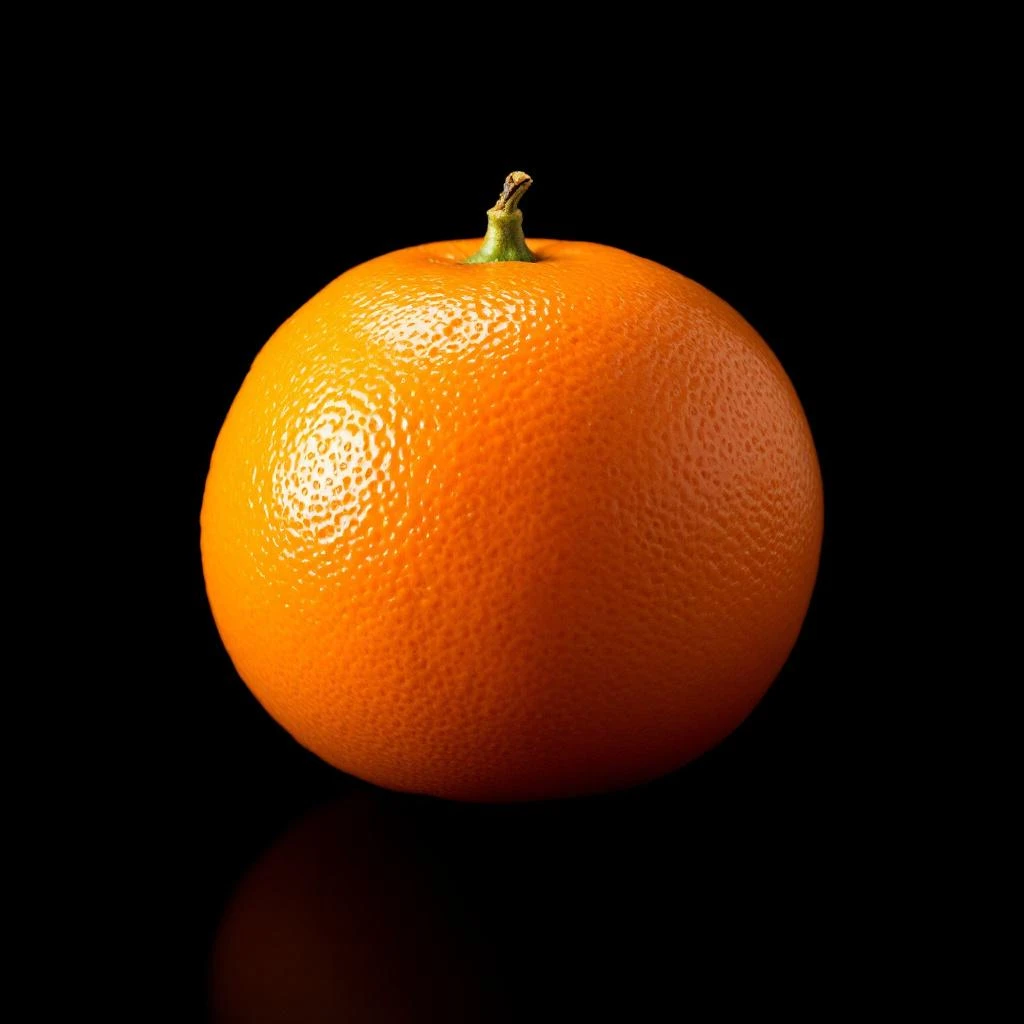
North African neroli Orpur® captures the sun-drenched essence of bitter orange blossoms harvested across Morocco and Tunisia, where centuries of artisanal tradition shape every drop of this luminous floral oil.

Character
How it smells
Bitter orange blossoms captured at dawn.
The name neroli honors Anne-Marie Orsini, Princess of Nerola, who made the fragrance fashionable in 17th-century Italy.




Origin
Morocco and Tunisia
The bitter orange tree traces its origins to Southeast Asia, traveling westward through ancient trade networks to reach the Mediterranean by the 12th century. North African growers adopted the tree enthusiastically, finding that Morocco and Tunisia's climates produced blossoms of exceptional aromatic intensity.
The name neroli itself, however, has Italian roots: Anne-Marie Orsini, Princess of Nerola, a town near Rome, popularized scenting herself with orange blossom water in the 1670s. Her enthusiasm sparked a fashion that spread through European courts.
By the 18th century, neroli had become a cornerstone of perfumery, prized for its ability to add radiant floralcy without heaviness. Today, Morocco and Tunisia supply over 90 percent of the world's neroli, their groves of bitter orange trees representing an unbroken aromatic tradition stretching back to the Age of Sail.
Wears it best
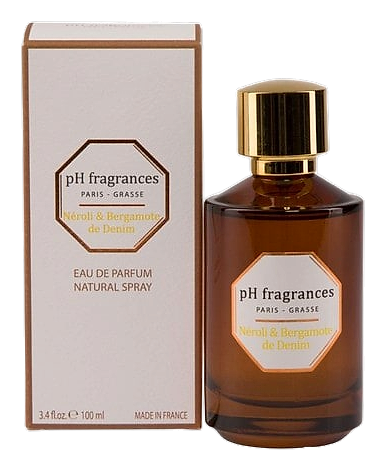
Fragrances featuring North African Neroli Orpur

Brands
Brands known for North African Neroli Orpur
Good to know
Questions, answered
The essentials on North African Neroli Orpur in perfumery: how it smells, where it comes from, and how it behaves on skin.
What botanical source produces neroli essential oil?
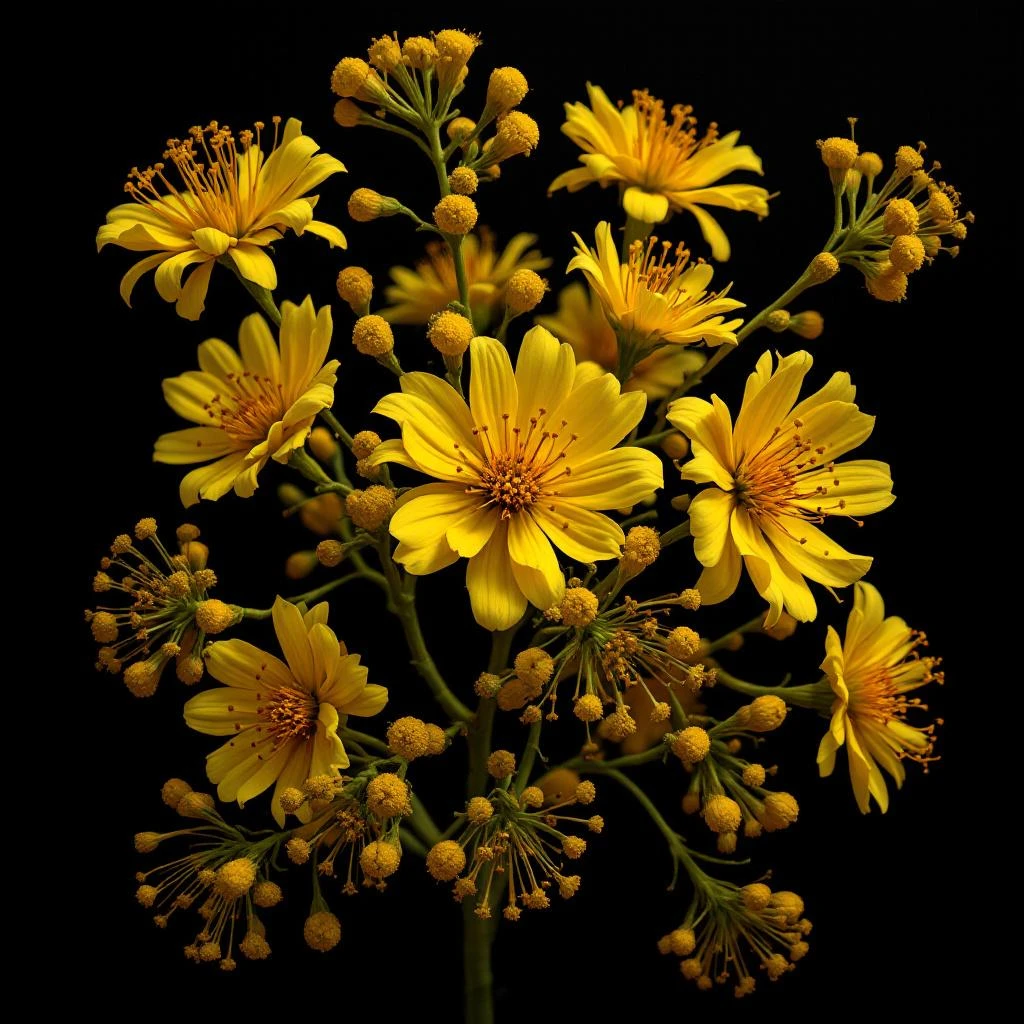
Neroli comes from the white flowers of the bitter orange tree, Citrus aurantium. Steam distillation of these blossoms yields the characteristic fresh, floral aroma. Sweet orange flowers produce a different, less aromatic oil.
Where does the name neroli come from?
Neroli honors Anne-Marie Orsini, Princess of Nerola, who popularized the fragrance in 17th-century Italy. She wore orange blossom water daily, beginning a trend that swept through European aristocratic circles.
Which countries lead neroli production?
Morocco and Tunisia supply more than 90 percent of the world's neroli oil. The Nabeul region of Tunisia and the Marrakech-Safi corridor in Morocco are the primary production zones.
How does neroli smell?
Neroli opens with bright citrus and sweet honeyed florals, followed by softer green and powdery undertones. The result is a fresh, radiant scent often described as sunshine captured in oil.
What is the difference between neroli and orange blossom absolute?
Both derive from bitter orange blossoms, but neroli is steam-distilled while orange blossom absolute uses solvent extraction. Neroli is lighter and fresher; the absolute is richer and more tenacious in drydown.
What byproduct comes from neroli distillation?
Orange blossom water, called zaha in North Africa, is the hydrosol produced during steam distillation. It remains widely used in Maghrebi cuisine and traditional wellness practices.
Why is neroli harvesting so labour-intensive?
Flowers are hand-picked during a brief two-week season in April and May, often at dawn. Each blossom must be collected individually to avoid bruising the delicate petals that hold the aromatic compounds.
Which fragrance families commonly use neroli?
Neroli appears in almost every fragrance family, from citrus and floral to oriental and chypre. It functions as a bright top note in colognes and adds radiantcy to heart compositions.