New Zealand Woods
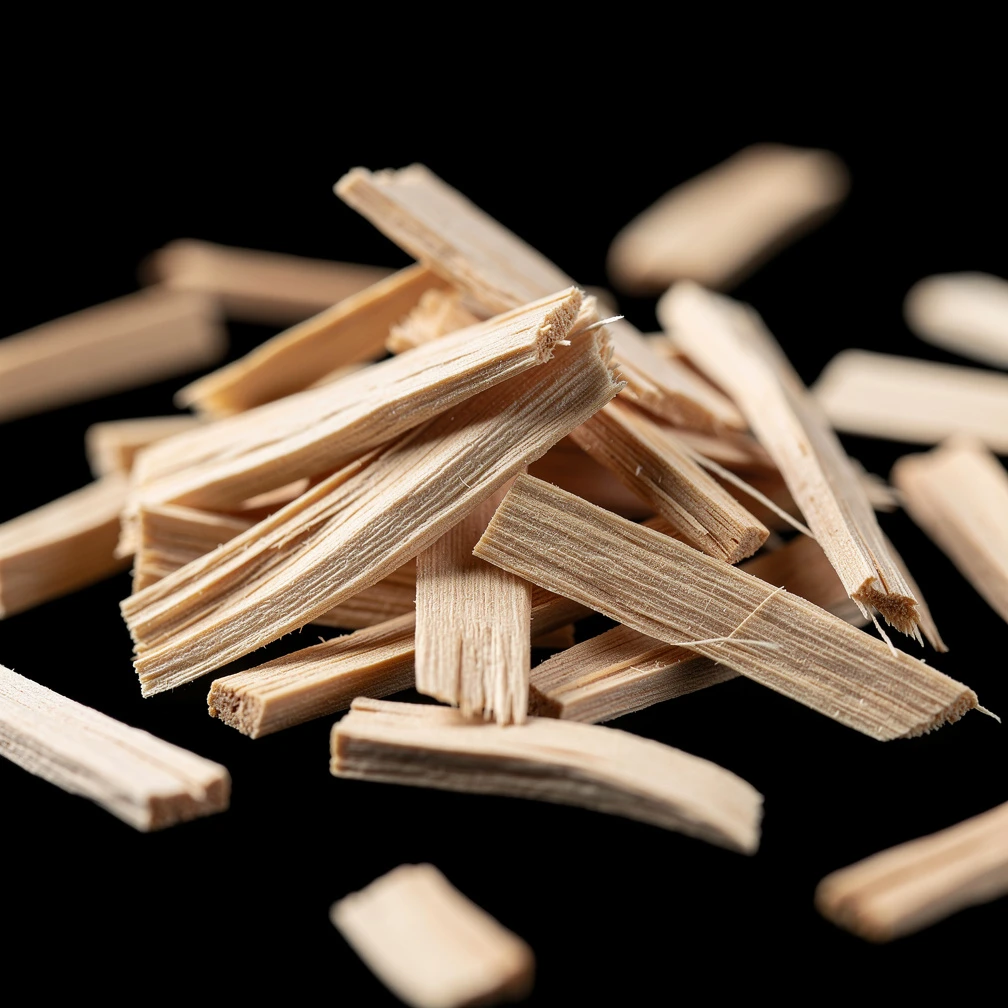
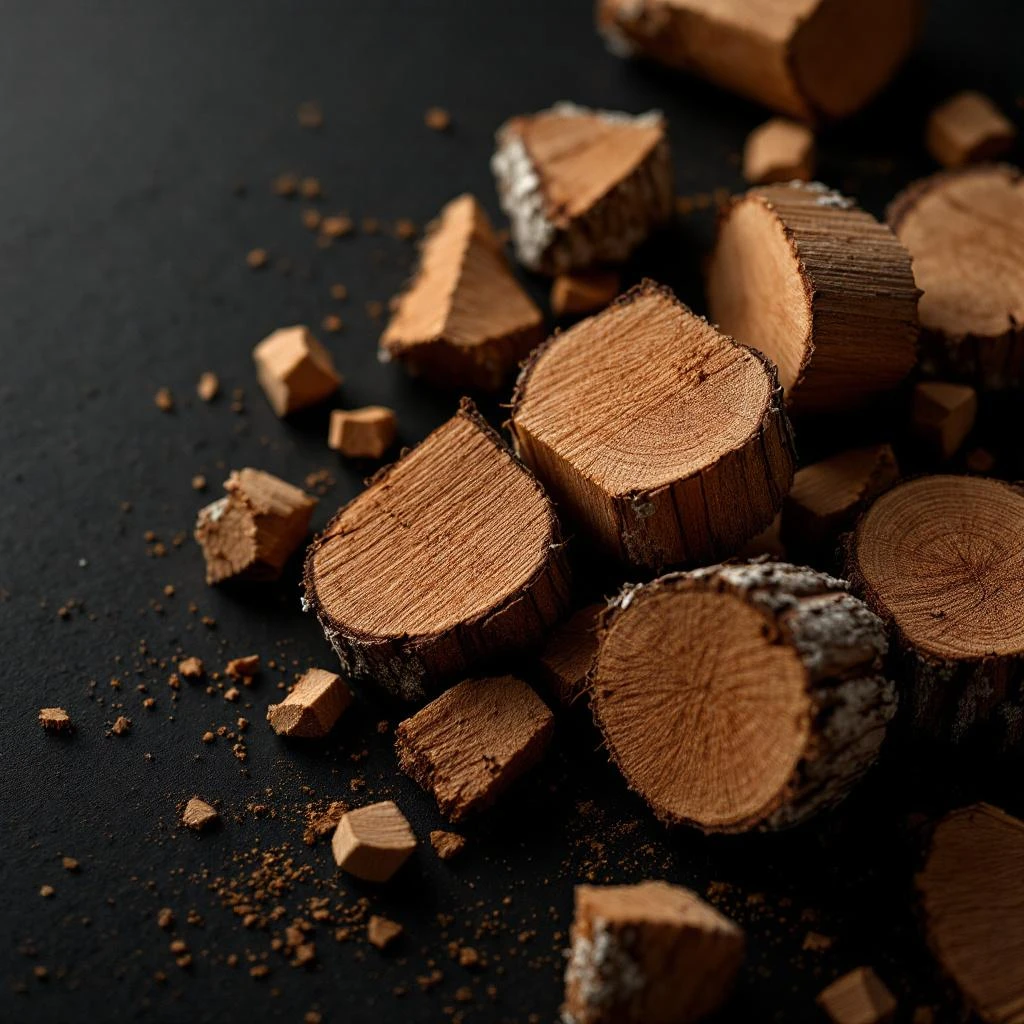
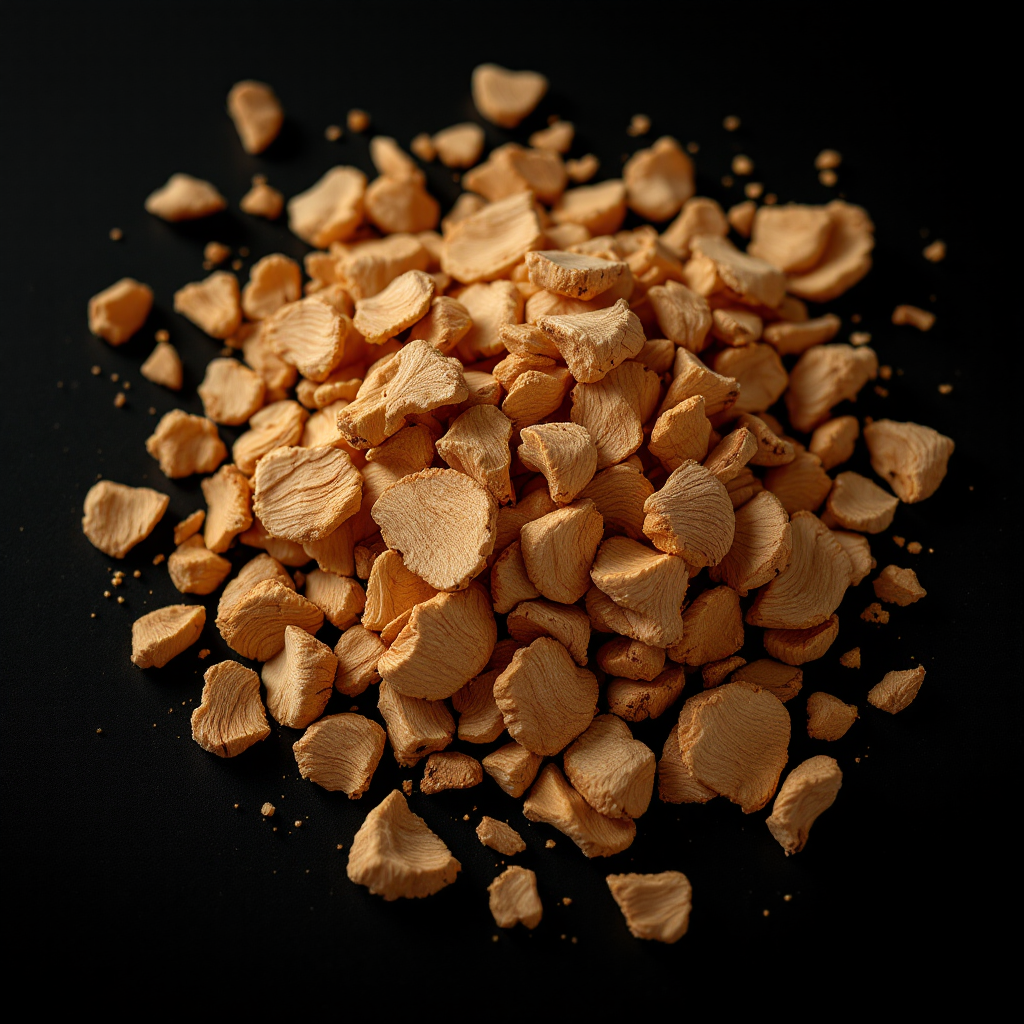
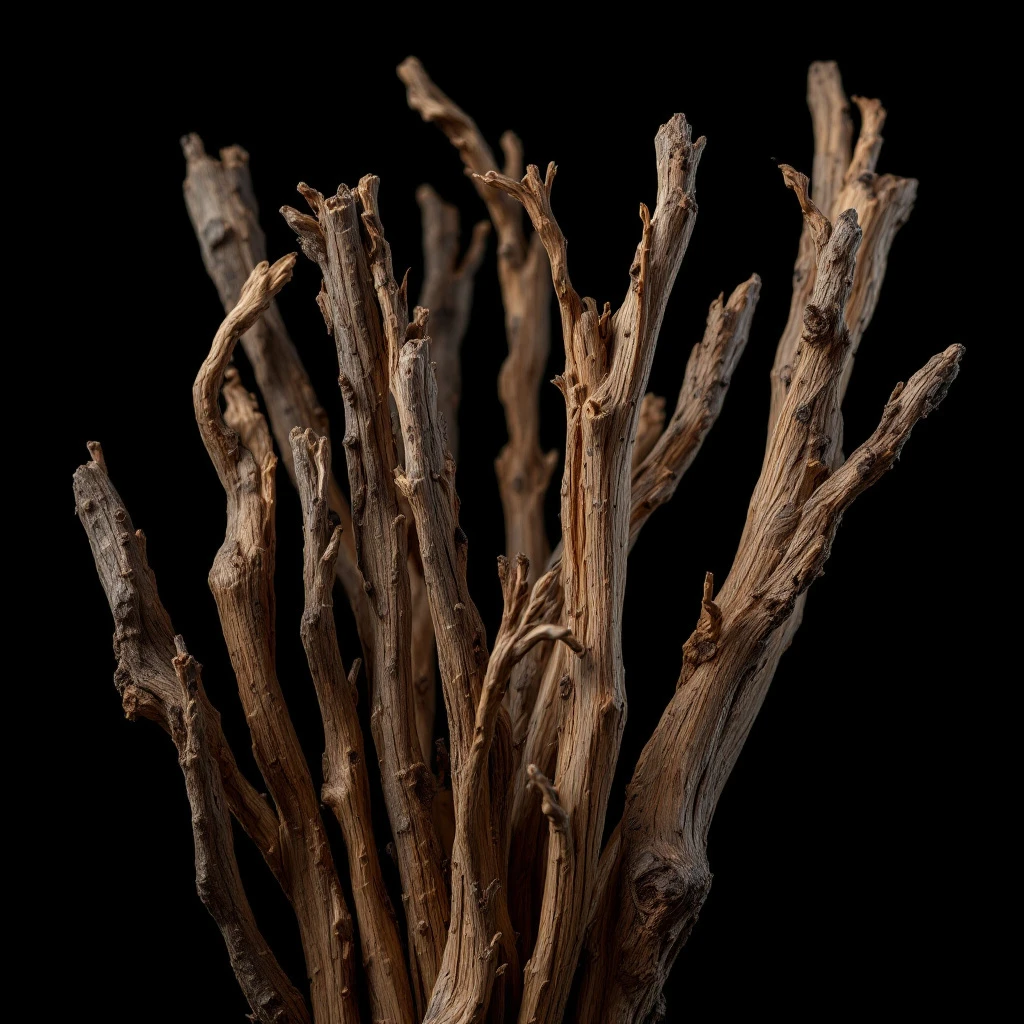
New Zealand Woods evokes damp forest floors, resinous evergreens, and polished timber with a cool, green edge.
Character
How it smells
Rain-dark timber and green resin from Aotearoa.
New Zealand’s native woods carry distinctive aromatic notes shaped by cool forests, resinous foliage, and historic Māori use.
Pairs beautifully with

Origin
New Zealand
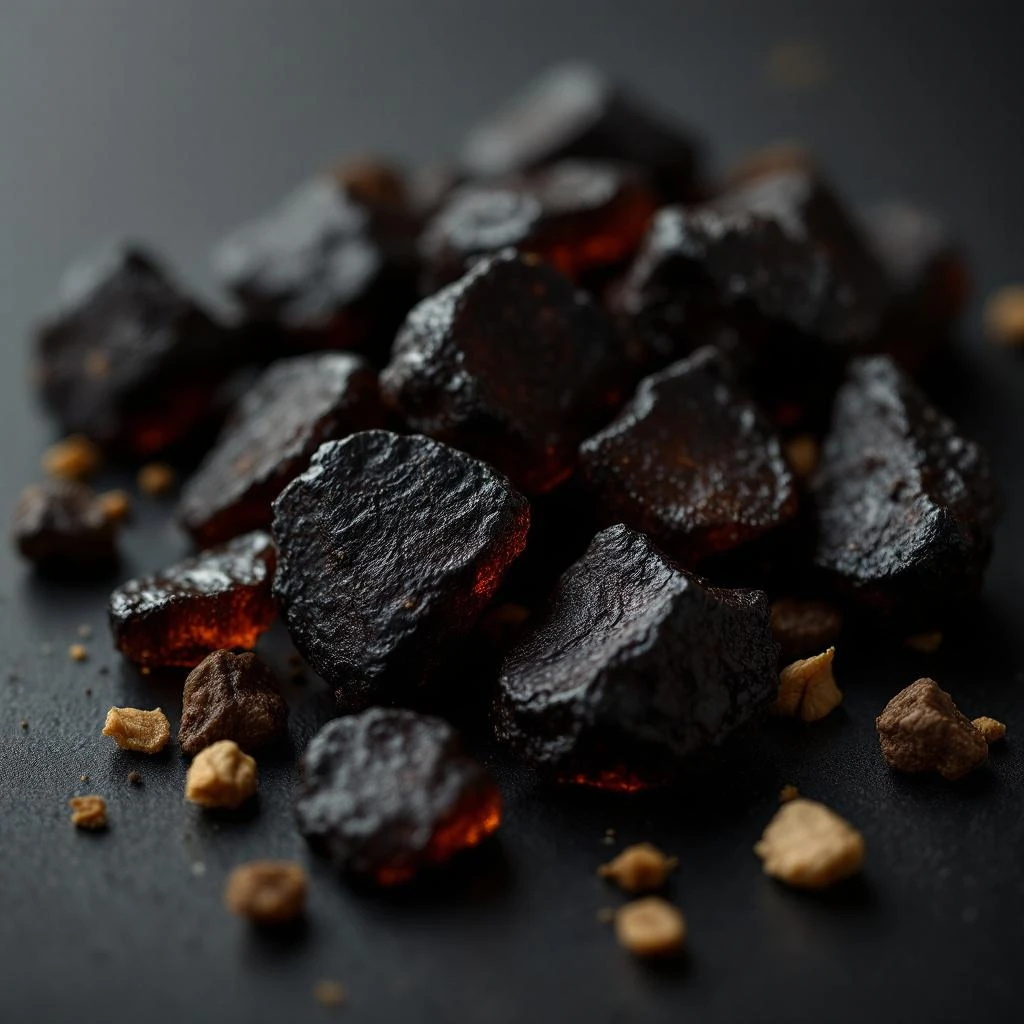
Wood has long been central to fragrance history, first through burning and smoke, then through distilled oils and concentrated extracts. In New Zealand, aromatic native species became part of an established Māori material culture long before modern perfumery. Tā rāmehā, a traditional preparation of resinous tree material, recalls the sensory association between sweet wood and the leaves of the New Zealand bush.
Colonial-era trade also connected New Zealand timber with global markets, though the perfume use of local woods developed separately from their commercial importance as lumber. Today, the idea of “New Zealand Woods” draws on that natural setting and material heritage. It presents native-forest impressions, such as cool evergreen resin, damp bark, and polished timber, within contemporary compositions.
The name is evocative and regional, but it should not be read as proof that every product labelled with it contains a single, exclusively New Zealand-grown wood extract.
Wears it best
Fragrances featuring New Zealand Woods
Brands
Brands known for New Zealand Woods
Good to know
Questions, answered
The essentials on New Zealand Woods in perfumery: how it smells, where it comes from, and how it behaves on skin.
What does New Zealand Woods smell like?
New Zealand Woods usually smells woody, resinous, and green, often with damp bark, conifer, and polished timber facets. One specific data point supports the regional profile: Māori tā rāmehā preparations are associated with sweet, woody resin aromas from native trees.
Is New Zealand Woods a single fragrance ingredient?
No. It is usually a fragrance-family description combining woods and related aromatic effects rather than one standardized extract. The exact composition can include steam-distilled timber oils, solvent extracts, and synthetic molecules.
Which New Zealand woods are associated with this scent?
Rimu and kauri are prominent native examples associated with New Zealand’s distinctive woody character. Their contribution varies by part of the tree, oil composition, and extraction method, so finished fragrances rarely reproduce a pure wood scent.
How are New Zealand wood notes made for perfumery?
Perfumers can use steam-distilled wood oils, solvent-extracted concentrates, or synthetic compounds that reproduce selected facets of timber and resin. Steam distillation is one common method because many wood oils contain volatile aromatic compounds that can be separated through vapor and condensation.
Why is New Zealand Woods connected with Māori fragrance culture?
The connection comes from tā rāmehā, a traditional Māori preparation whose name refers to tree resin and whose scent is described as sweet and woody. This long-standing use provides the note family with a specific cultural and botanical context.
Are New Zealand Woods and Australian Woods the same?
No. Both may share dry timber, resin, and evergreen facets, but they draw on different native botanical traditions and environments. New Zealand’s profile often emphasizes cool forest greenery, damp bark, and sweet resin.
Is New Zealand Woods sustainable?
It depends on the source and extraction method. Responsibly managed by-products or recovered wood can reduce pressure on living trees, while some synthetic materials offer another route without harvesting timber. Certification and supplier traceability determine the practical impact.
Does New Zealand Woods contain essential oil from New Zealand?
Not always. The label can describe an accord inspired by New Zealand forests, and it may contain synthetic aroma chemicals rather than traceable local oils. Product ingredient lists and supplier declarations reveal the actual materials used.