Nepalese Sichuan pepper absolute
An electric, citrus-spiced absolute from Himalayan Timur berries, captured through supercritical CO₂ extraction. Its tingling sanshool compounds and bright citrus character bring a kinetic, angular quality to modern fragrances.
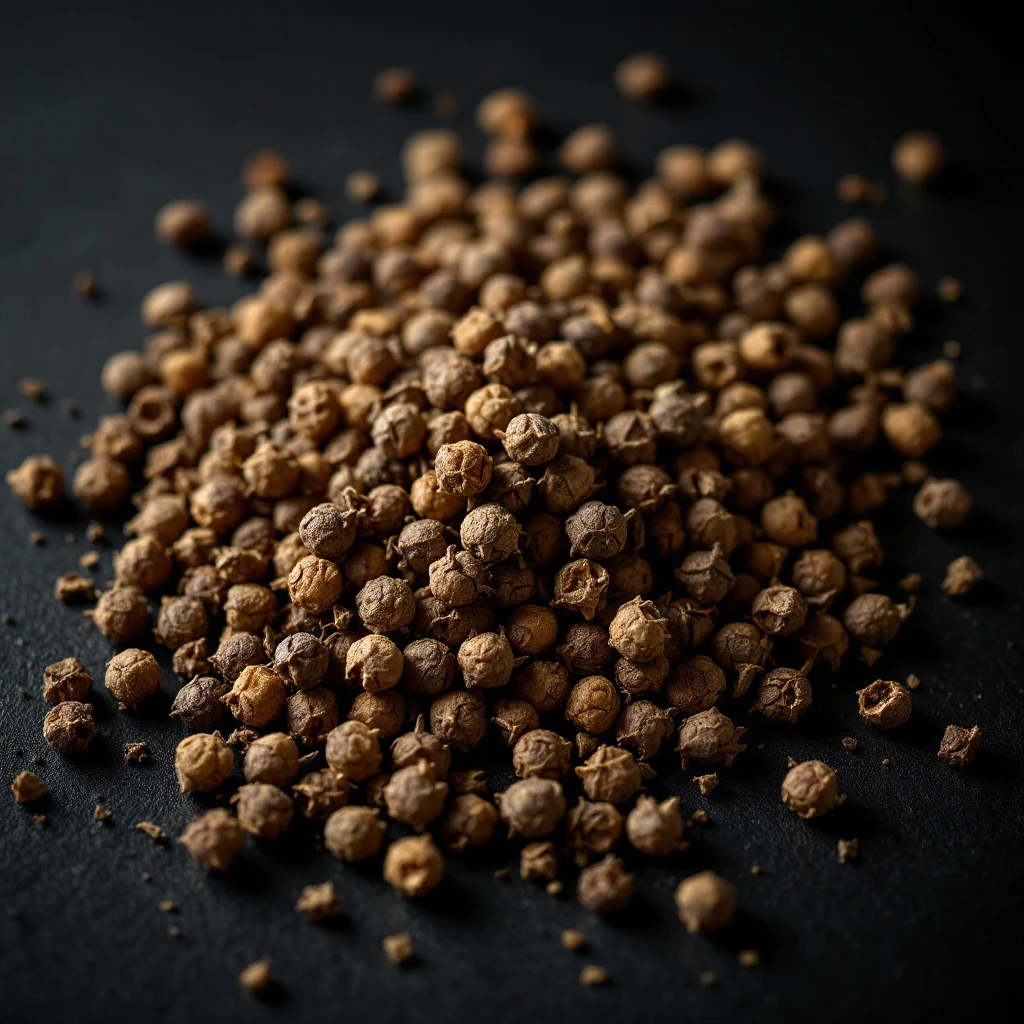
Character
How it smells
Himalayan citrus-electric with nerve-tingling depth.
Sichuan pepper contains sanshool, a compound that activates the trigeminal nerve at approximately 50 Hz, creating its signature electric tingling sensation.


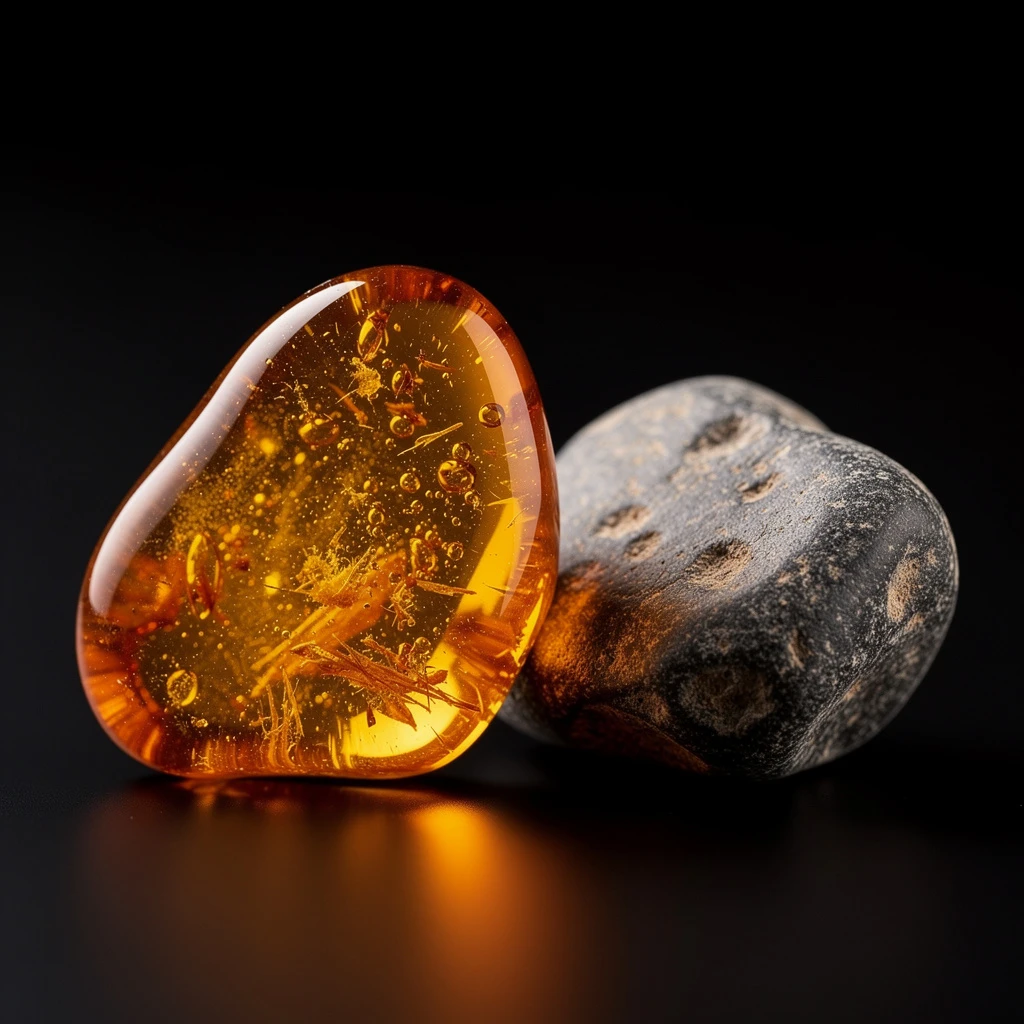
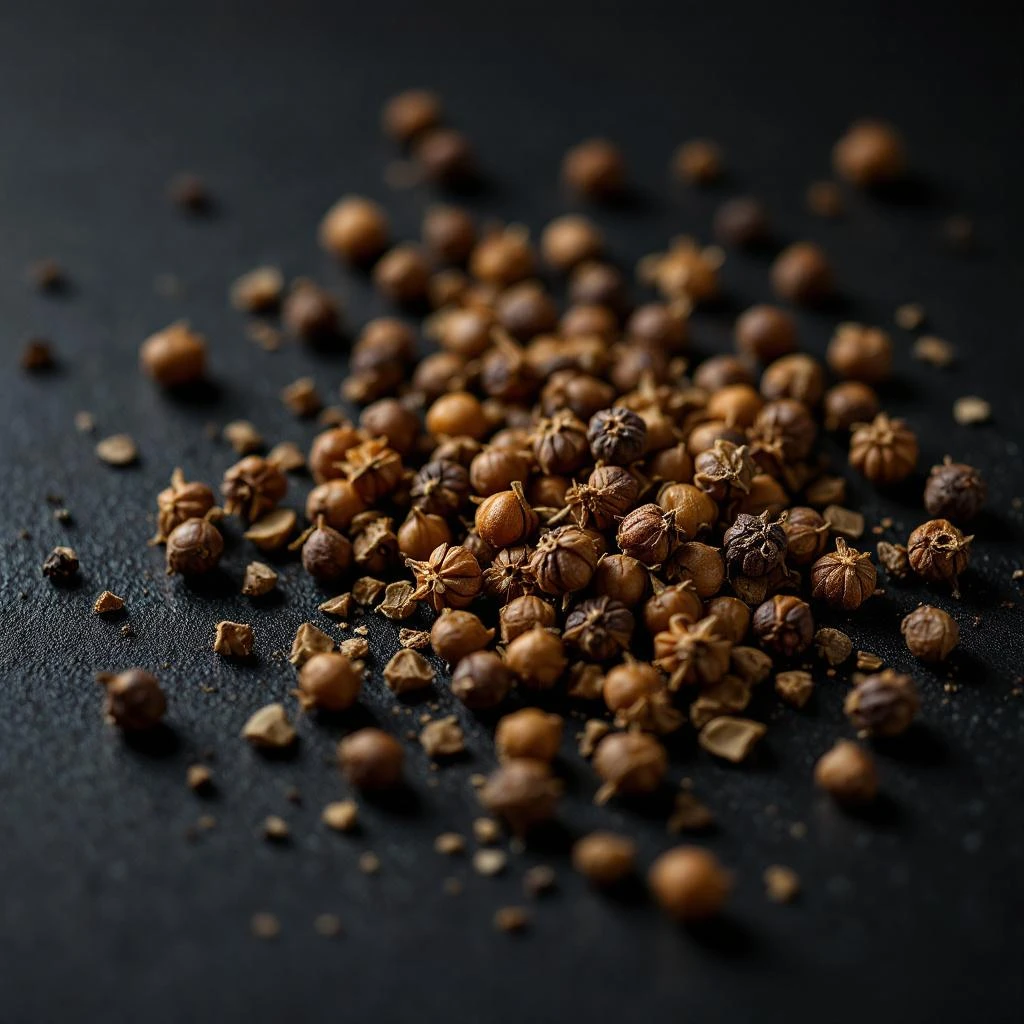
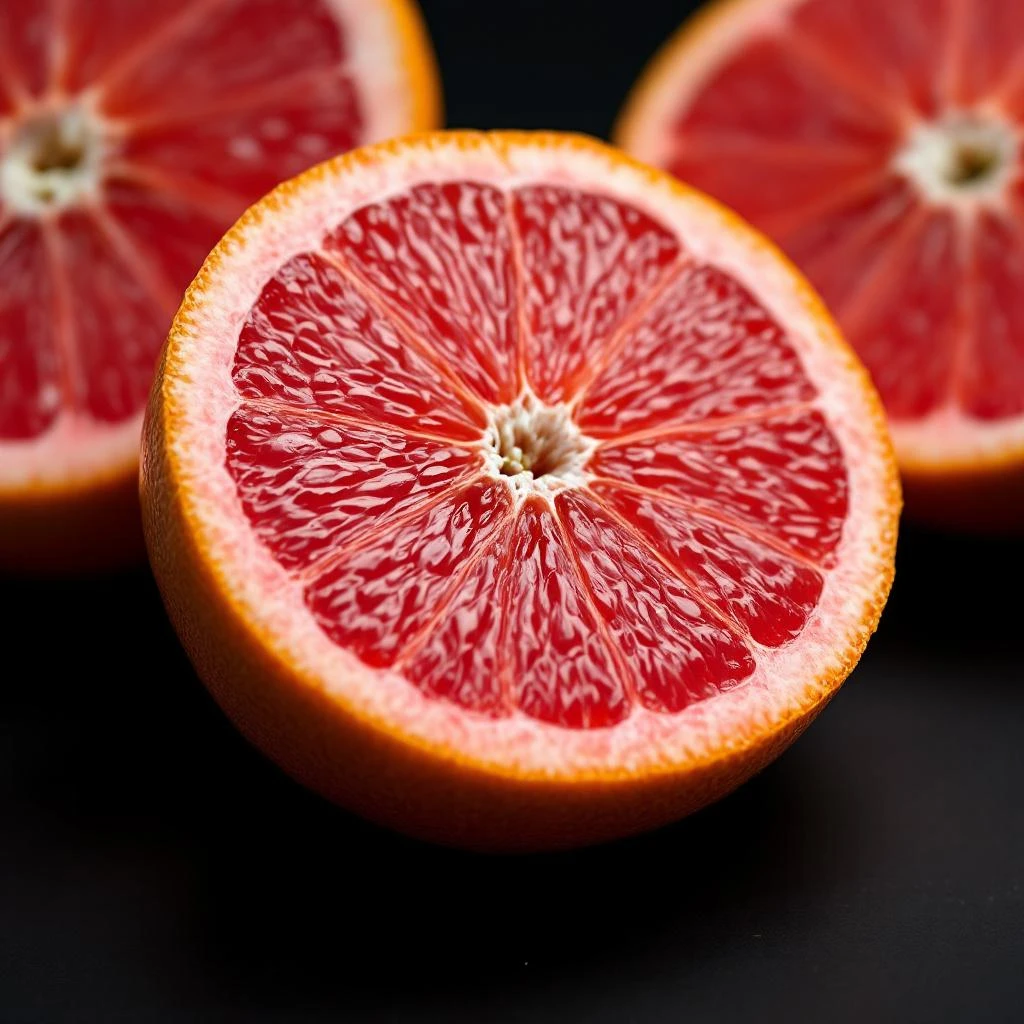
Origin
Nepal
Sichuan pepper takes its Western name from Sichuan province in southwestern China, where Zanthoxylum species have grown for centuries and shaped one of the world's most distinctive regional cuisines. However, nearly identical species migrated westward along Himalayan trade corridors, becoming integral to Nepalese, Tibetan, Bhutanese, and Himalayan Indian cookery under names like Timur or Timmur. In Nepal, Timmur occupies a place roughly equivalent to black pepper in Western kitchens, lending a characteristic citrusy, tingly heat to dals, meats, and chutneys.
The thorny shrubs grow at elevations between 1,400 and 3,000 meters, thriving in the sharp air and rocky terrain of the Himalayas. Traditional Himalayan medicine incorporated Timur for its warming, digestive, and anti-inflammatory properties long before perfumers discovered its aromatic potential.
Wears it best
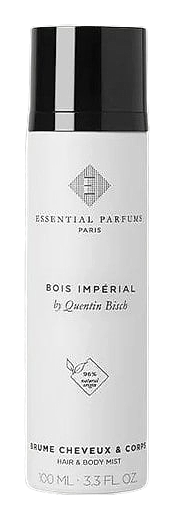
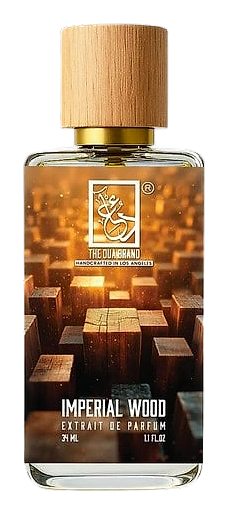
Fragrances featuring Nepalese Sichuan pepper absolute

Brands
Brands known for Nepalese Sichuan pepper absolute
Good to know
Questions, answered
The essentials on Nepalese Sichuan pepper absolute in perfumery: how it smells, where it comes from, and how it behaves on skin.
What is Nepalese Sichuan pepper absolute in perfumery?
It is a highly concentrated aromatic extract from the dried fruits of Himalayan Timur pepper (Zanthoxylum armatum), obtained via supercritical CO₂ extraction. The process captures a broader range of aromatic compounds than steam distillation, yielding a material with bright citrus, green, and faintly floral notes alongside the characteristic sanshool-induced tingling sensation.
How does it differ from regular Sichuan peppercorns used in cooking?
Culinary Sichuan peppercorns (Zanthoxylum bungeanum) originate from Sichuan province in China and are valued for their mouth-tingling sanshool content and citrusy aroma. Nepalese Sichuan pepper absolute comes from the related Himalayan species Zanthoxylum armatum, used similarly in regional cookery, but the CO₂ absolute captures the complete aromatic and bioactive profile in a highly concentrated form suitable for fragrance use.
What does Nepalese Sichuan pepper absolute smell like?
The absolute presents a bright citrus opening, often compared to lemon or bergamot, followed by green, slightly camphoraceous undertones and a warm, spicy body. Its most distinctive characteristic is the lingering tingly sensation on skin, produced by sanshool compounds, which translates into a kinetic, angular quality in fragrance.
What fragrance families pair well with this ingredient?
It bridges citrus and spicy fragrance families with particular effectiveness. Perfumers use it in modern chypres, aromatic fougères, and fresh colognes to introduce an electric, tingly counterpoint to bergamot and grapefruit. It also adds intrigue to amber and oriental compositions by grounding their sweetness with a sharp, green-pulsing character.
Is Nepalese Sichuan pepper absolute safe for skin use in fragrances?
When used as a fragrance ingredient within industry-standard IFRA guidelines, it is considered safe for cosmetic and perfumery applications. Sanshool content means it may cause a warming or tingling sensation on skin, so perfumers typically use it at low concentrations, generally below 2% in final formulations.
Where does the Timur pepper used for this absolute grow?
Zanthoxylum armatum grows wild and cultivated across the Himalayan corridor, spanning Nepal, Bhutan, Sikkim, and parts of Tibet and northern India, at elevations between 1,400 and 3,000 meters. Nepal serves as a primary source for the perfumery-grade material, where it grows in the mountain country's rocky, high-altitude conditions.
Why is supercritical CO₂ extraction preferred for this material over steam distillation?
Steam distillation exposes the dried fruits to sustained high heat, which degrades many volatile citrus and floral aromatics present in Sichuan pepper. Supercritical CO₂ extraction operates at relatively low temperatures, preserving the complete spectrum of fragile volatile compounds, including aldehydes and sanshool derivatives, to produce a richer, more authentic aromatic profile.
What makes the trigeminal nerve effect significant for perfumers?
Sanshool activates the trigeminal nerve, creating a physical tingle on skin that accompanies the aromatic impression. This multisensory dimension adds dynamic movement to a fragrance as it evolves on the wearer, making Sichuan pepper absolute particularly valued in contemporary perfumery for compositions seeking kinetic, living qualities rather than static scent.