Mossy Woods
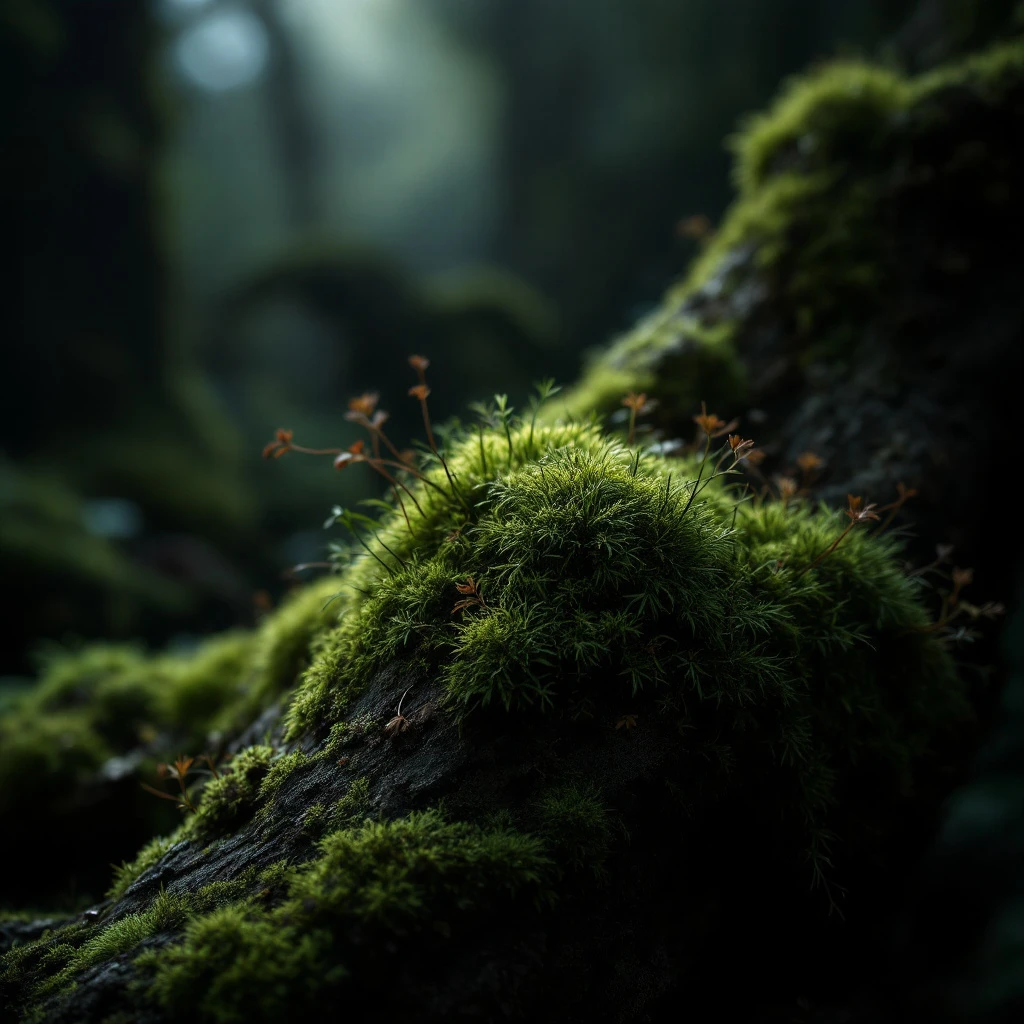
Walk into a forest after rain and breathe in: damp earth, mossy bark, and the quiet depth of woodland shadows. Mossy woods captures that grounding, atmospheric quality of ancient forests.
Character
How it smells
Earthy, atmospheric, deeply grounding
Until the early 2000s, natural oakmoss powered classic chypre and fougère fragrances. Regulatory changes reshaped how perfumers construct mossy woods notes.
Pairs beautifully with





Origin
France
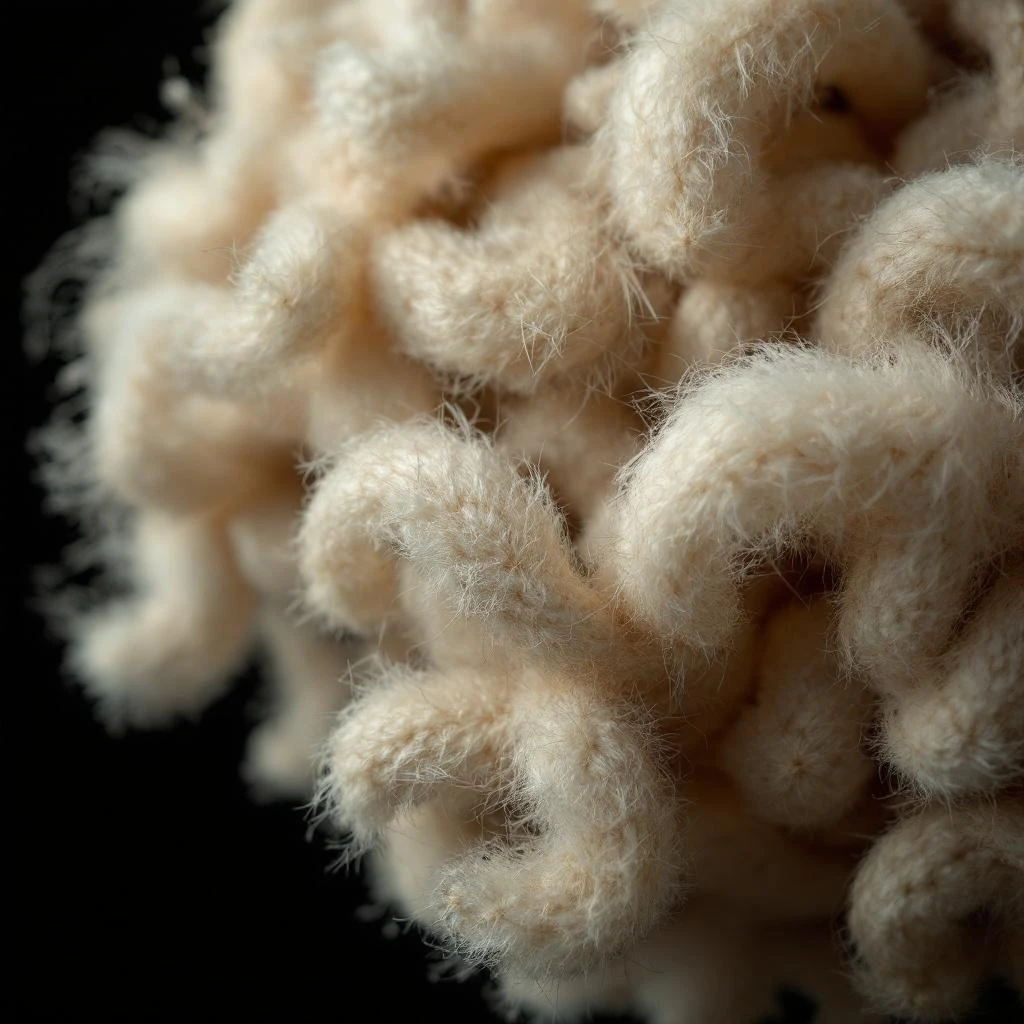
The mossy woods accord emerged as a cornerstone of mid-20th century perfumery, particularly within chypre and fougère families. Oakmoss sourced from French and Balkan forests provided the earthy depth that defined these fragrance categories.
Early perfumers discovered that combining mossy elements with woody bases created fragrances with remarkable staying power and atmospheric complexity. Regulatory shifts in the early 2000s restricted certain compounds in natural moss due to allergen concerns, prompting the development of alternative lichen species and synthetic recreations that preserve the mossy woods character while meeting contemporary safety standards.
Wears it best
Fragrances featuring Mossy Woods
Brands
Brands known for Mossy Woods
Good to know
Questions, answered
The essentials on Mossy Woods in perfumery: how it smells, where it comes from, and how it behaves on skin.
What defines the mossy woods fragrance category?
Mossy woods describes an accord blending moss and wood notes to create a forest-floor character. The mossy element typically comes from oakmoss absolute, an earthy, slightly sweet, resinous lichen. Woody components like cedarwood, sandalwood, or vetiver complement the moss to form the complete accord.
Why was natural oakmoss restricted in perfumery?
Natural oakmoss contains atranol and chloroatranol, compounds linked to allergic reactions in some people. IFRA regulations limited these substances, prompting perfumers to develop treemoss and synthetic alternatives that replicate the mossy forest character safely.
How does mossy woods differ from purely woody fragrances?
Woody fragrances emphasize bark, resin, and warmth. Mossy woods adds an earthy, damp quality that evokes the forest floor. This mossy dimension creates a grounded, atmospheric depth that purely woody scents lack.
What role does mossy woods play in fragrance composition?
Mossy woods typically serves as a base note, lending depth and lasting power to fragrances. Its earthy grounding helps other ingredients develop fully while providing the atmospheric character that defines chypre and fougère families.
Where does natural moss for perfumery grow?
Oakmoss thrives in cool, humid, shaded environments, typically found in oak forests across France, the Balkans, and Eastern Europe. These conditions produce lichen with the complex, earthy character perfumers seek.
How do perfumers create mossy woods without restricted materials?
Perfumers use treemoss, synthetically reconstructed moss compounds, or alternative lichen species to achieve the mossy character. These alternatives provide similar atmospheric depth while meeting contemporary safety requirements.
Which fragrance families commonly feature mossy woods?
Chypre and fougère families rely on mossy woods as foundational elements, shaping their characteristic depth. Oriental and classic masculine fragrances also frequently incorporate this accord for its grounding quality.
What sensory experience does mossy woods create?
Mossy woods evokes a forest floor after rain: earthy, slightly sweet, with damp depth. The woody component adds warmth, ranging from cedar dry to sandalwood creamy to vetiver smoky. The overall character feels grounded and atmospheric.