Moroccan atlas cedar
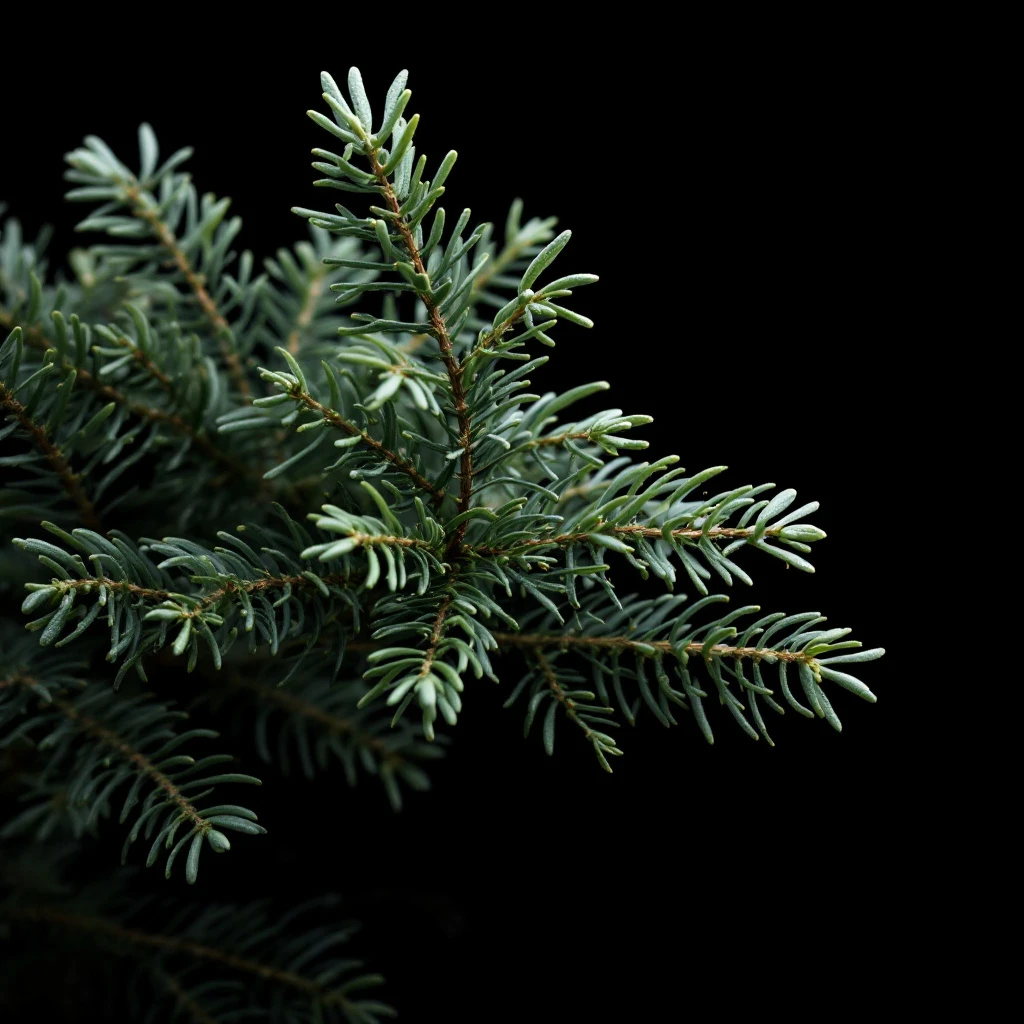
Atlas cedar from Morocco's mountain forests carries a soft warmth that anchors fragrances with dry, resinous depth and subtle leather undertones.
Character
How it smells
Warm mountain wood with a dry, sacred quality.
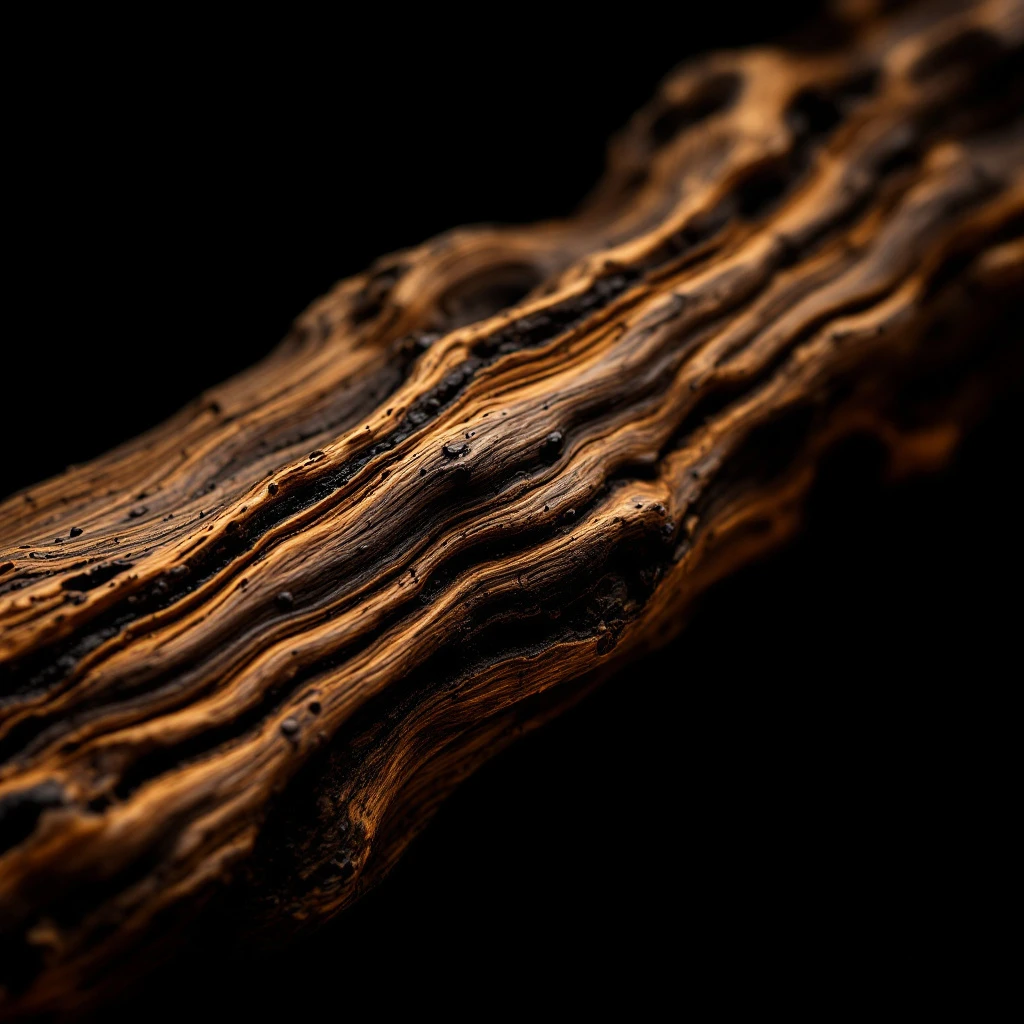
The rot-resistant heartwood has been prized by Moroccan craftsmen for centuries, used in root burl bowls and intricate carvings.






Origin
Morocco
Cedrus atlantica has grown in Morocco's Middle and High Atlas mountains for millennia, reaching impressive sizes in elevations between 1,200 and 2,200 meters. Local artisans call the tree "araar" or "thuya," treating its burl-root formations as sacred material for carved bowls and decorative objects. French colonial botanists first catalogued the species for Western markets in the late 19th century, noting its superior aromatic qualities compared to other cedar varieties.
The wood's natural resistance to decay made it valuable for construction, while perfumers discovered the distinctive warmth hiding in its heartwood. Today, Moroccan Atlas cedar remains a protected species, with sustainable harvesting quotas ensuring these ancient forests continue supplying the fragrance industry with their prized aromatic sawdust.
Wears it best
Fragrances featuring Moroccan atlas cedar

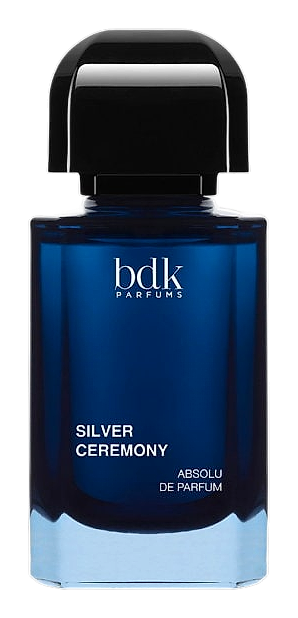
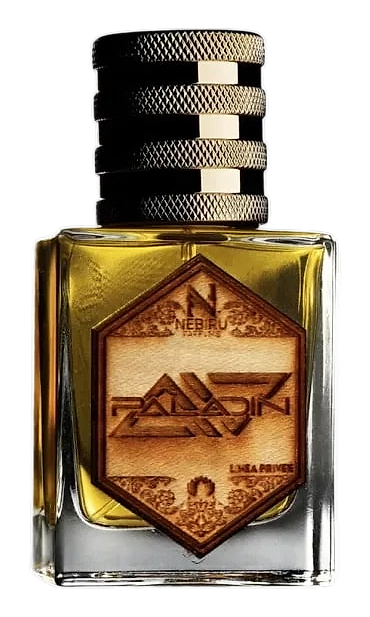

Brands
Brands known for Moroccan atlas cedar
Good to know
Questions, answered
The essentials on Moroccan atlas cedar in perfumery: how it smells, where it comes from, and how it behaves on skin.
What does Moroccan Atlas cedar smell like?
Atlas cedar opens with soft, warm woodiness followed by subtle camphor and leather nuances. The scent reads dry and slightly resinous, creating a quiet confidence in the drydown rather than loud projection.
Is Atlas cedar the same as Virginia cedar?
No. Virginia cedar (Juniperus virginiana) from North America reads sharper and more pencil-shaving like. Atlas cedar offers warmer, softer woodiness with rounder edges that blend more easily into modern fragrance compositions.
How is Atlas cedar oil produced?
Steam distillation processes sawdust sourced from woodworking and carpentry operations. The wood itself comes from logs and trimming waste, not from harvested trees, making the process a form of aromatic recovery from existing timber work.
Is Atlas cedar a sustainable ingredient?
Cedrus atlantica is a protected species in Morocco, with harvesting quotas enforced by forestry authorities. Responsible producers source sawdust from existing carpentry operations rather than dedicated tree harvesting.
What fragrance families use Atlas cedar most often?
Woody and chypre compositions rely heavily on Atlas cedar as a fixative and structural element. Designers also use it in fougere, leather, and certain oriental constructions to anchor lighter top notes.
What role does Atlas cedar play in perfumery?
Perfumers treat Atlas cedar as a backbone note that provides volume and longevity. Its low volatility means it lingers in the drydown, giving fragrances their signature warmth hours after application.
Does Atlas cedar pair well with other ingredients?
The warm, slightly leathery character complements bergamot, vetiver, iris, and incense materials like frankincense. It also bridges between brighter citruses and deeper base notes in fragrance construction.
Why do some call Atlas cedar sacred?
Moroccan artisans traditionally carved the tree's root burls into ceremonial objects, a practice rooted in Berber culture. The tree's rot-resistant wood added practical value to this spiritual association, reinforcing its revered status.