Morel
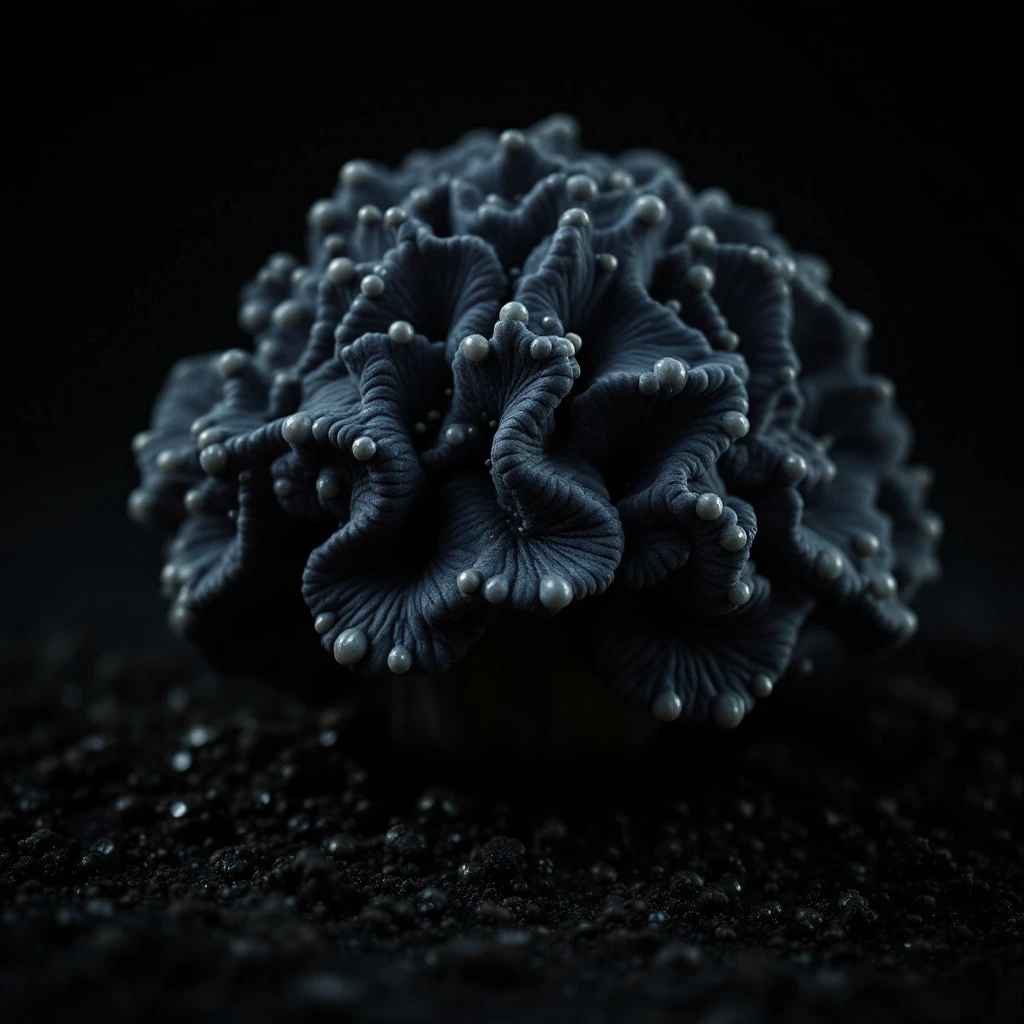
Morel mushroom brings an earthy, nutty depth to perfumery. This rare gourmet fungus, prized in kitchens for centuries, now inspires innovative fragrance accords that capture forest-floor richness in a bottle.
Character
How it smells
Forest-floor richness, bottled
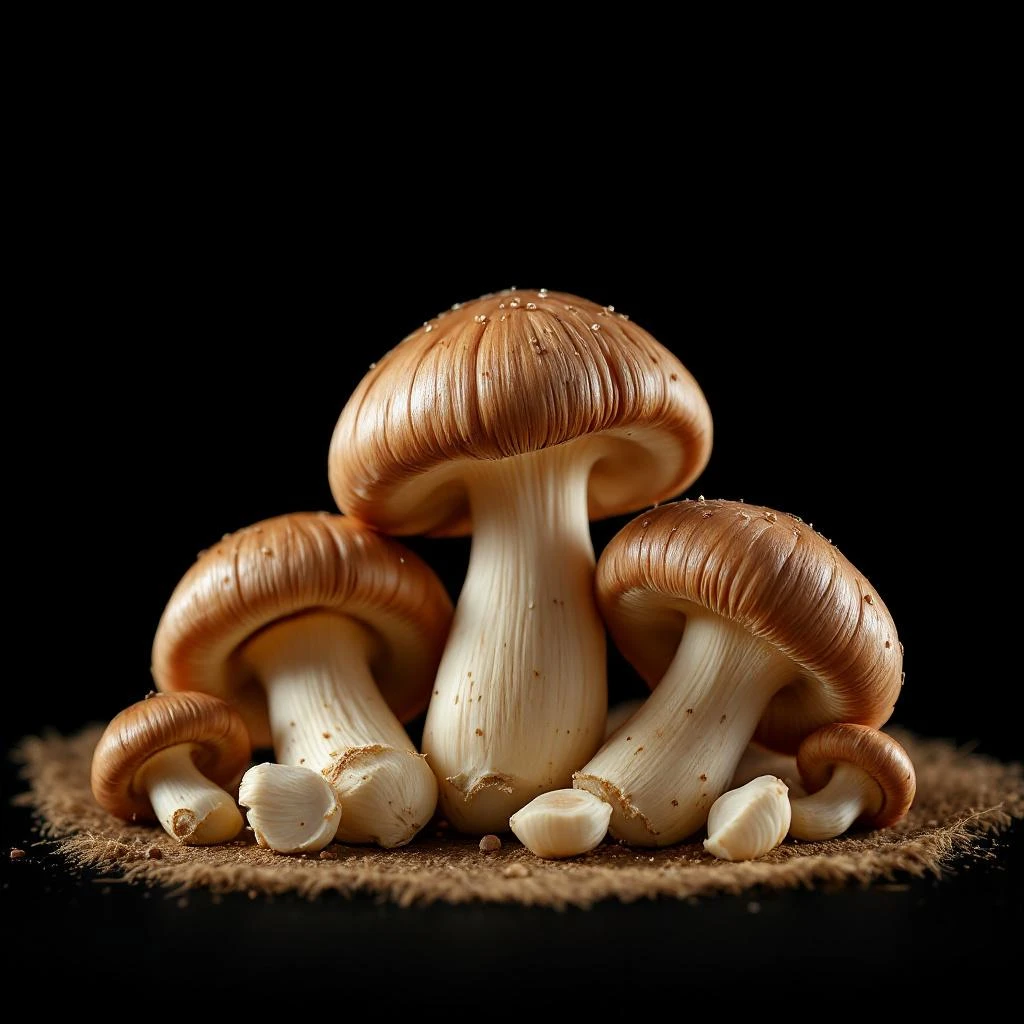
Morels cannot be commercially farmed due to their symbiotic relationship with tree roots, making wild foraging the primary harvest method each spring.



Origin
France
Morels have captivated foragers and food lovers since antiquity. The ancient Greeks referenced them, and Roman emperor Claudius reportedly died from morel poisoning, according to ancient sources. During the Renaissance, these honeycomb-capped mushrooms became prized delicacies across European courts, commanding prices rivaling truffles.
In perfumery, morels represent a relatively recent entrant. The trend of incorporating mushroom notes into fragrance gained traction in the early 21st century as perfumers sought unconventional natural ingredients that evoked woodland environments. This shift coincided with growing interest in 'gourmand' and 'earthy' scent profiles.
Today, morel accords appear in avant-garde compositions from independent perfumers and established houses alike, reflecting a broader movement toward celebrating fungi as legitimate aromatic materials rather than culinary curiosities.
Wears it best
Fragrances featuring Morel

Brands
Brands known for Morel
Good to know
Questions, answered
The essentials on Morel in perfumery: how it smells, where it comes from, and how it behaves on skin.
What does morel smell like in perfume?
Morel contributes an earthy, nutty character with hints of damp soil and toasted grain. In fragrance compositions, it adds grounded depth rather than overt fungal notes, often blending seamlessly with woody and mossy accords.
Is morel mushroom extract actually used in perfumes?
Yes, though rarely. Some perfumers use morel absolute or CO2 extract, but most morel-scented fragrances rely on synthetic recreations due to the extremely low yield from natural mushrooms.
Why is morel so expensive as a perfume ingredient?
Morels resist commercial cultivation because they require symbiotic relationships with tree roots. Combined with low volatile oil content, this makes natural morel extract among the costliest aromatic materials available.
Can morels be farmed for fragrance production?
No. Morels form mycorrhizal partnerships with specific trees and cannot be reliably farmed, unlike button or shiitake mushrooms. Wild spring foraging remains the only viable harvest method.
What fragrance families feature morel notes?
Morel appears predominantly in woody, chypre, and earthy compositions. It pairs well with patchouli, vetiver, and oakmoss, reinforcing forest-inspired themes in niche and artisanal perfumery.
When did mushrooms first appear in perfumery?
Mushroom notes entered mainstream perfumery in the early 2000s as part of a broader trend toward unconventional natural ingredients and realistic forest-floor scent profiles.
Are morel-scented fragrances safe to wear?
Yes. Morel extracts used in perfumery are processed and diluted to safe concentrations. The aromatic compounds causing the scent differ entirely from the toxic substances occasionally found in raw morels.
What is the difference between morel and truffle in perfumery?
Truffle offers a sharper, sulfurous, almost garlicky intensity, while morel provides a gentler nutty earthiness. Both serve as earthy anchors, but morel reads as more subtle and food-adjacent.