Mexican tobacco
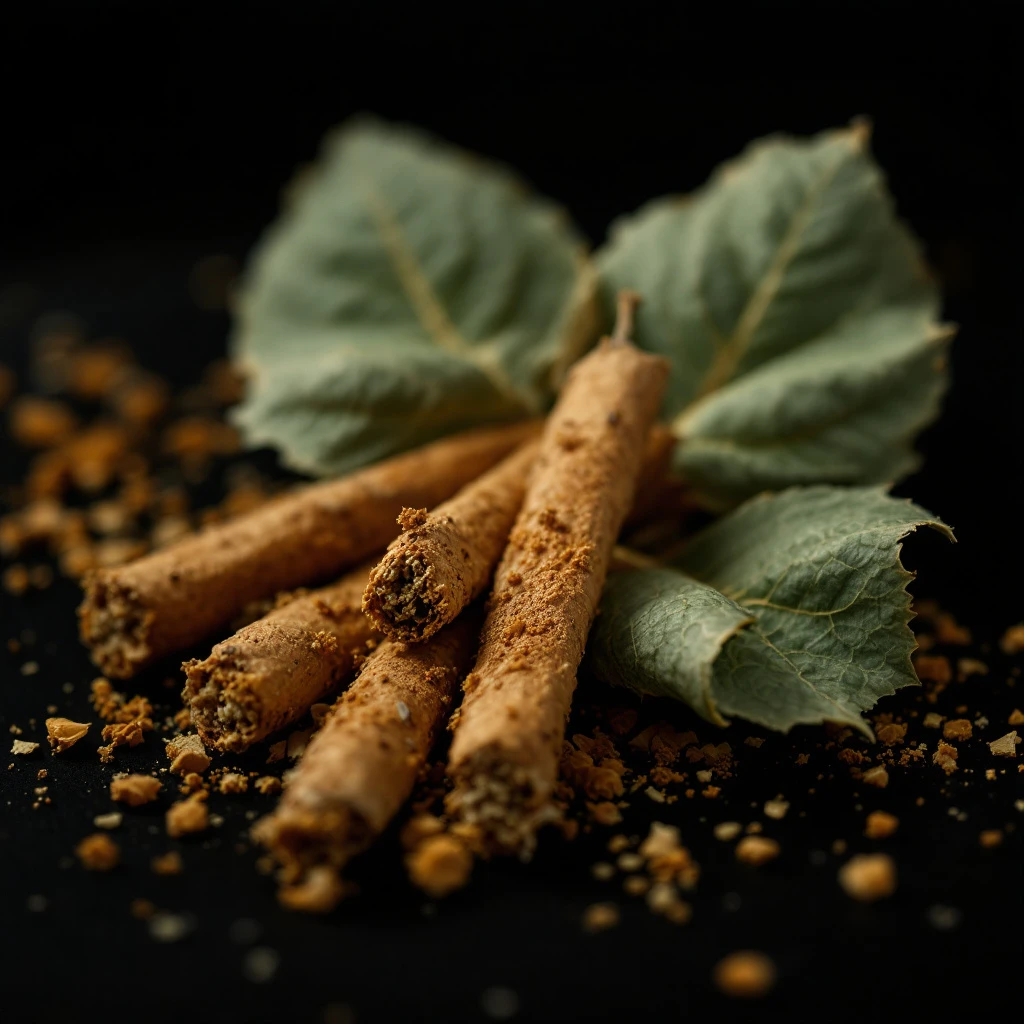
Dried and fermented tobacco leaves from Mexico deliver a rich, complex aroma that blends cured hay, dark honey, and subtle sweetness with earthy, resinous depth.
Character
How it smells
Warm, cured, and distinctly Mexican
Aztec perfumers incorporated tobacco into ceremonial incense blends centuries before European colonists arrived, making it one of the oldest aromatic traditions in the Americas.


Origin
Mexico
When Spanish conquistadors arrived in Mexico during the 16th century, they encountered sophisticated indigenous perfumery traditions already centuries old. The Mexica peoples used tobacco alongside vanilla, cacao, and floral botanicals in ceremonial blends.
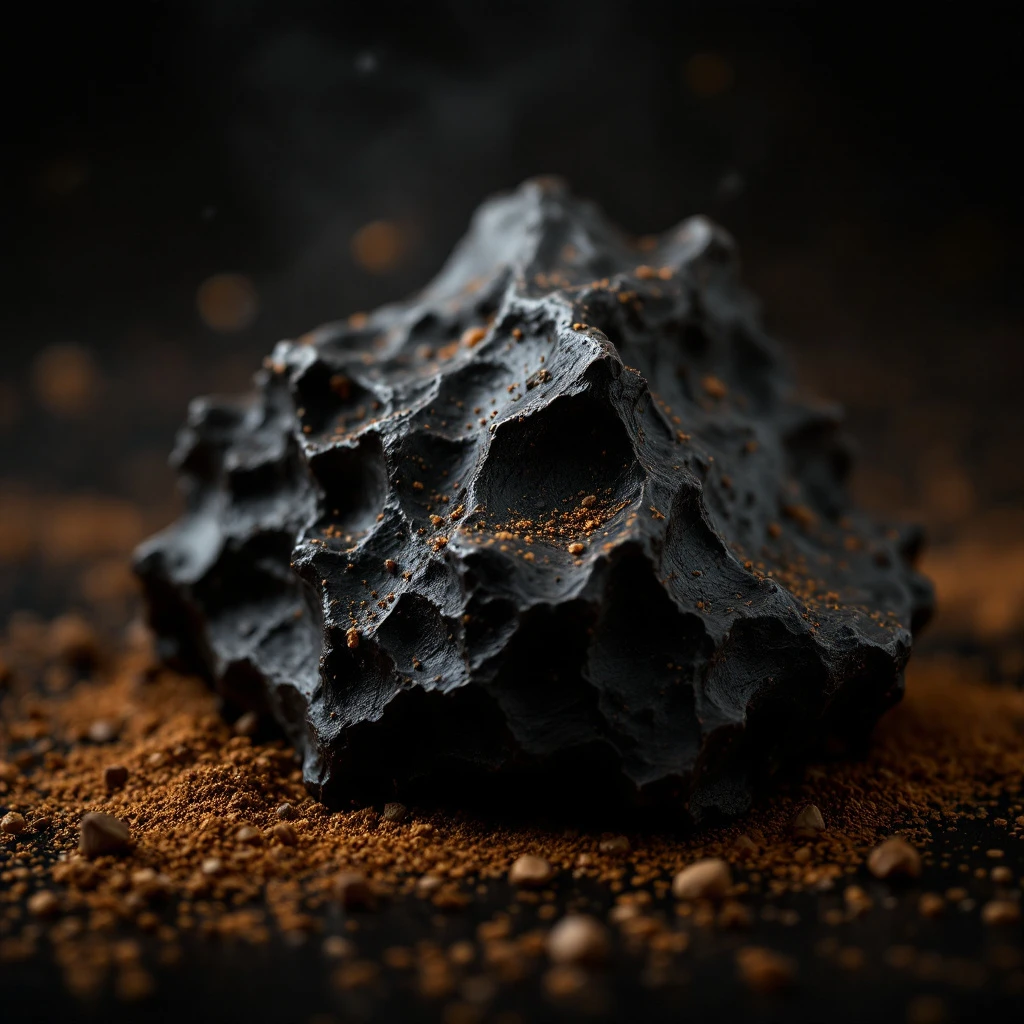
Spanish colonizers introduced European extraction techniques while simultaneously exporting tobacco back to the Old World, where it rapidly gained popularity. Mexico's unique terroir, combining volcanic soils with distinct microclimates, produces tobacco with characteristic aromatic properties.
Mexican tobacco cultivation continued through the colonial period and into modern times, with contemporary perfumers recognizing the ingredient's complex legacy. Today, Mexican tobacco absolute represents a convergence of indigenous knowledge and contemporary extraction methodology, carrying the sensory memory of a fragrance tradition that predates European contact by centuries.
Wears it best
Fragrances featuring Mexican tobacco
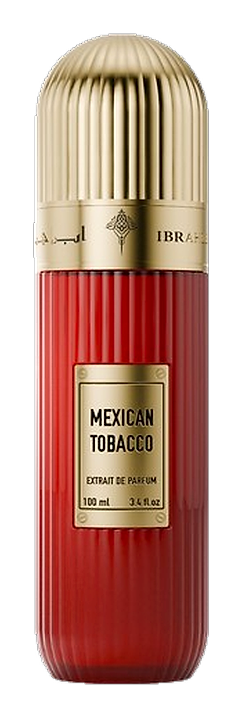

Brands
Brands known for Mexican tobacco
Good to know
Questions, answered
The essentials on Mexican tobacco in perfumery: how it smells, where it comes from, and how it behaves on skin.
What does Mexican tobacco smell like?
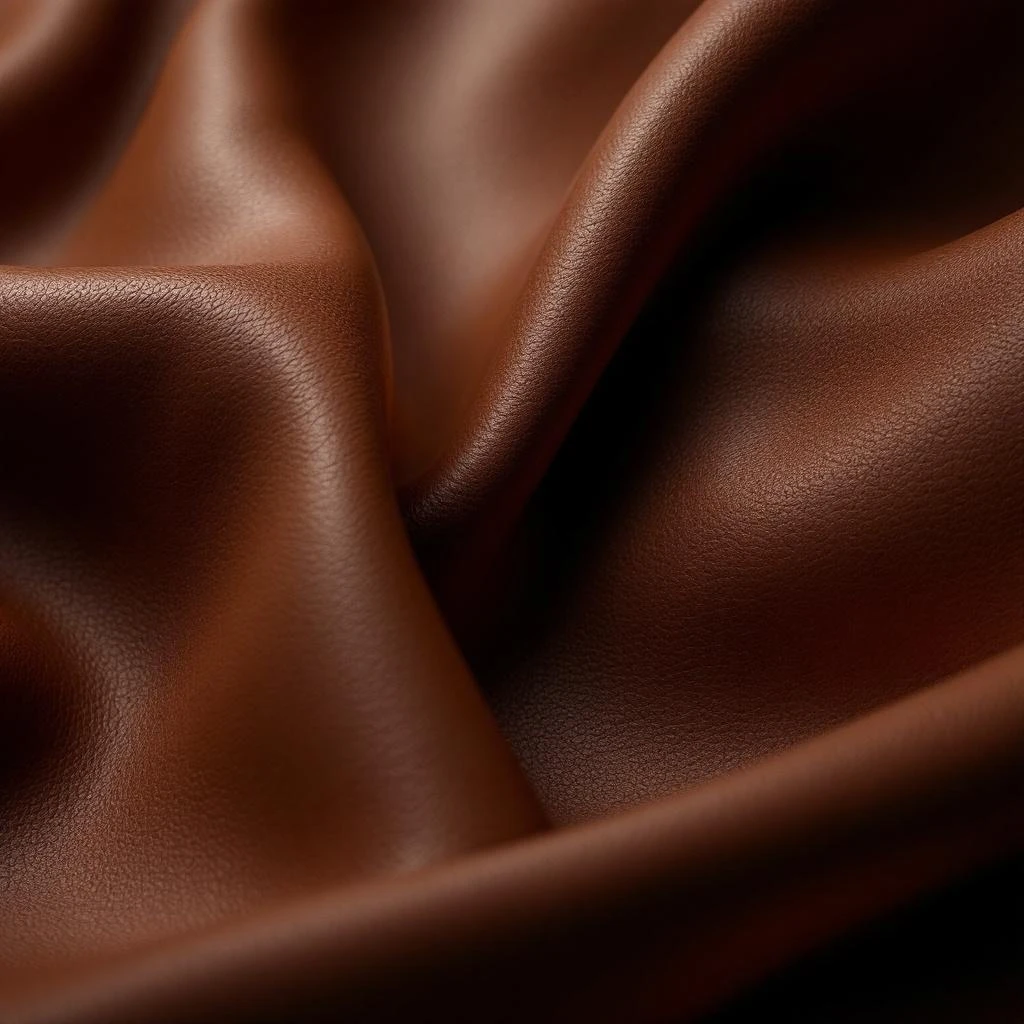
Mexican tobacco delivers a warm, honeyed aroma with cured hay, dark caramel, and earthy undertones. The fermented leaves produce a rich, slightly leathery depth that adds complexity to any composition.
Is Mexican tobacco a natural ingredient?
Mexican tobacco absolute is a natural material extracted from dried, fermented tobacco leaves. Blending with coumarin from tonka beans often enhances the characteristic hay-like qualities in perfumery.
Which parts of the tobacco plant are used for fragrance?
Perfumers use the leaves exclusively. The leaves are harvested, air-cured, and fermented before solvent extraction produces the absolute used in fine fragrance.
How is Mexican tobacco absolute produced?
Leaves are air-dried in shaded structures, then fermented under controlled conditions. Solvent extraction yields a viscous brown absolute with warm, honeyed, and slightly leathery characteristics.
What distinguishes Mexican tobacco from other origins?
Mexico's volcanic soils and distinct microclimates produce tobacco with characteristic aromatic complexity. Indigenous cultivation traditions also influence the cured leaf's final olfactory profile.
What fragrance families pair well with Mexican tobacco?
Mexican tobacco works beautifully in Oriental, Woody, and Leather families. It complements vanilla, amber, oud, and spices, adding warmth and resinous depth to men's and unisex fragrances.
Does Mexican tobacco have historical significance in perfumery?
Aztec perfumers used tobacco in ceremonial blends centuries before European contact. Spanish colonizers introduced extraction techniques while exporting tobacco to Europe during the 16th century.
What other ingredients blend well with Mexican tobacco?
Tonka bean, vanilla, labdanum, cade, and dark spices create harmonious combinations. It also pairs with oud and leather accords, amplifying the ingredient's warm, smoky character.