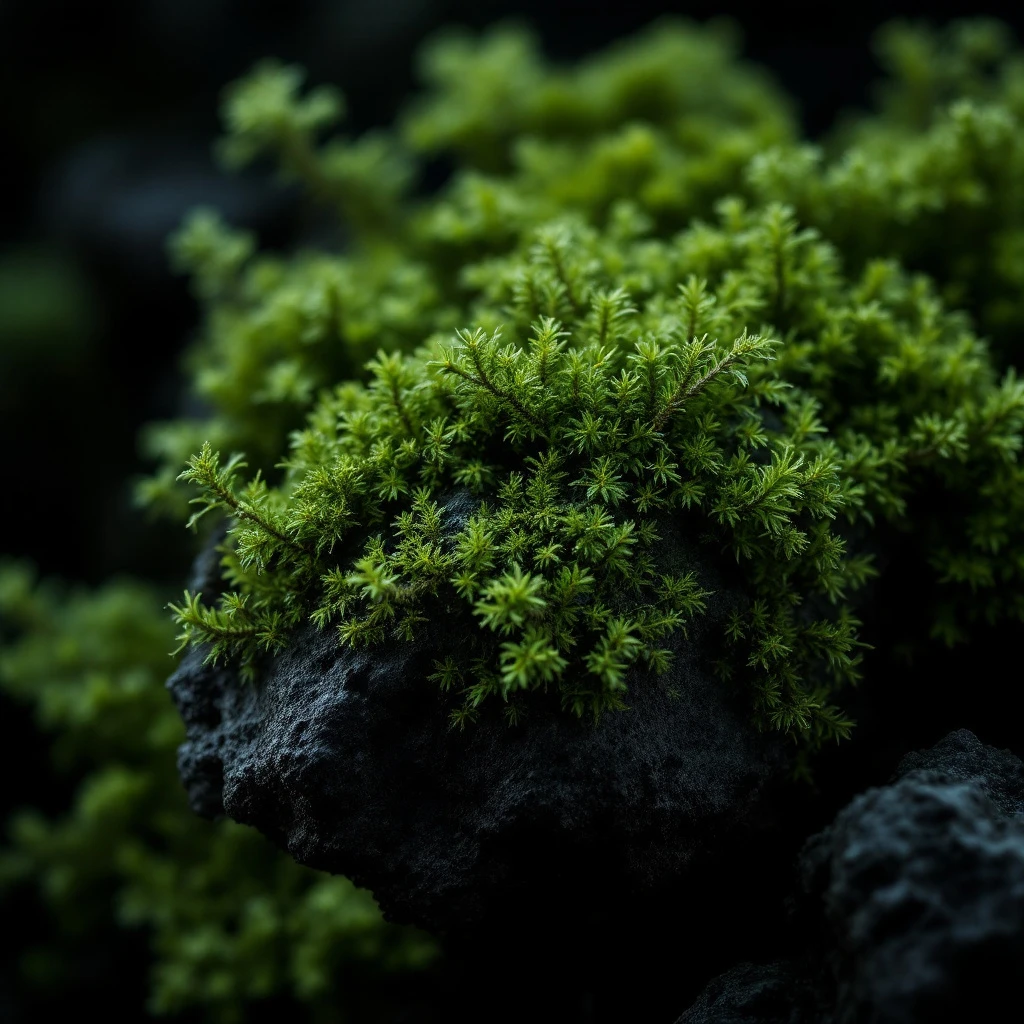
Mediterranean Moss
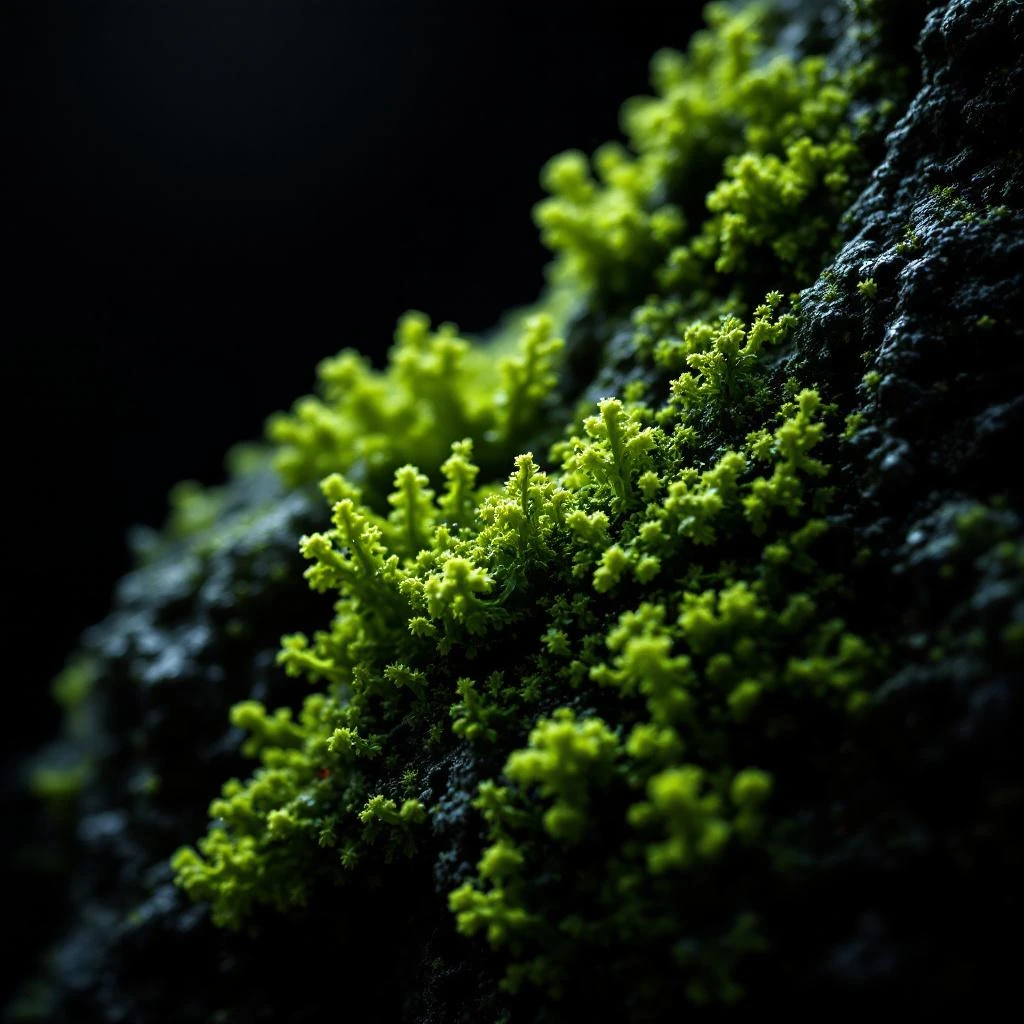
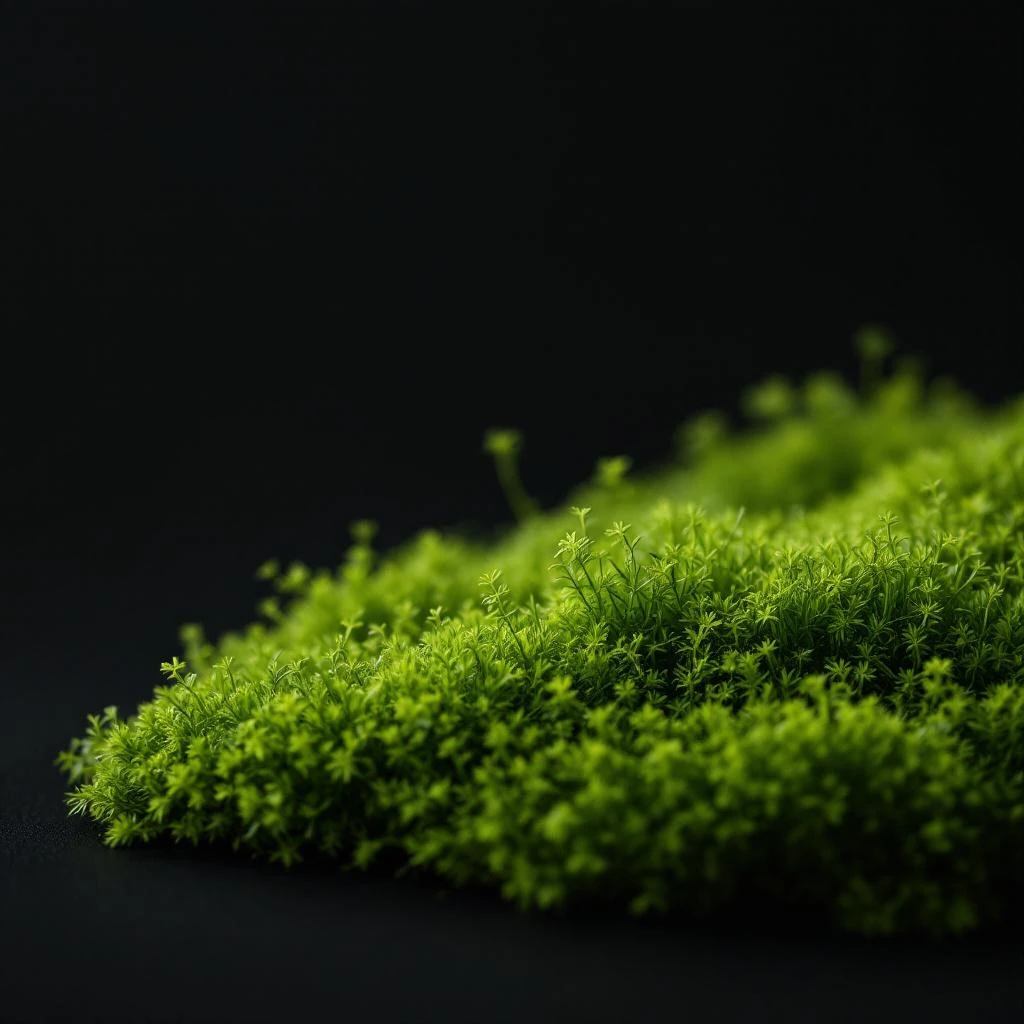
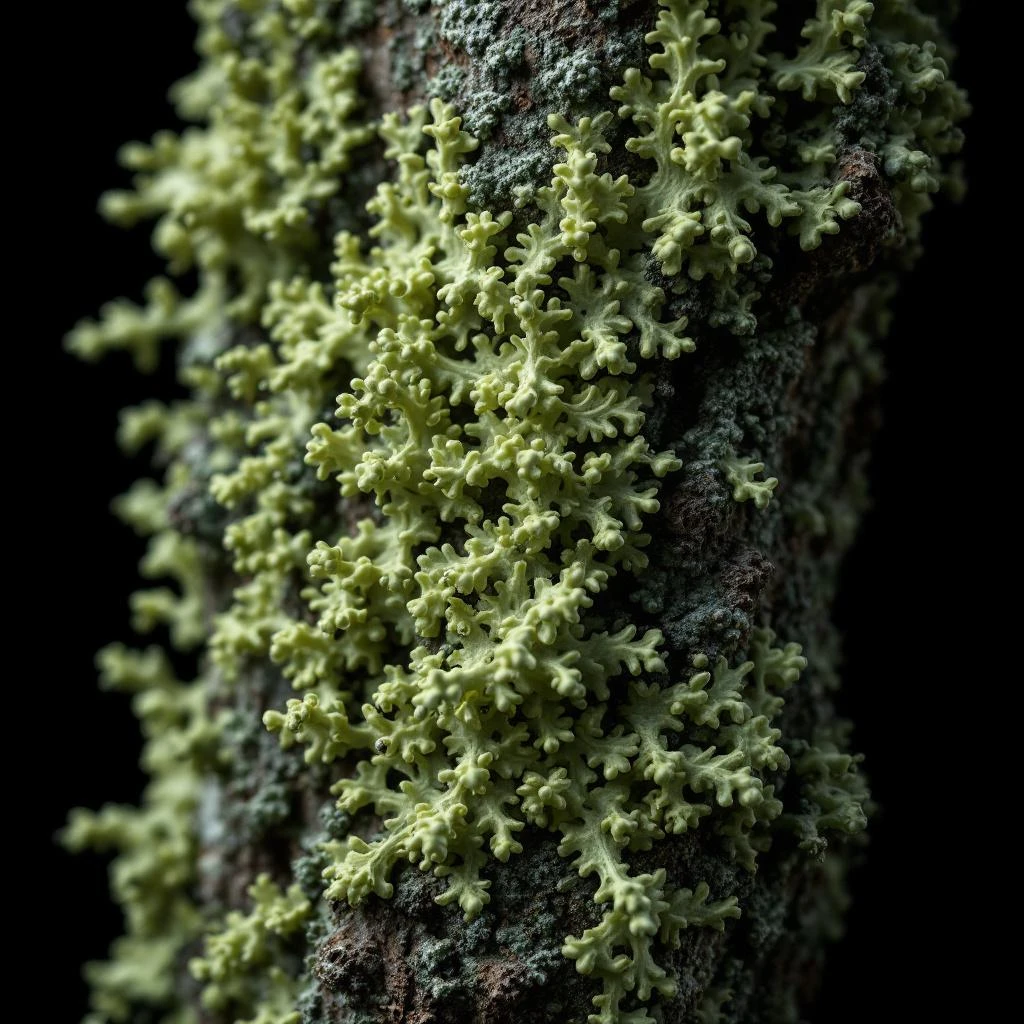
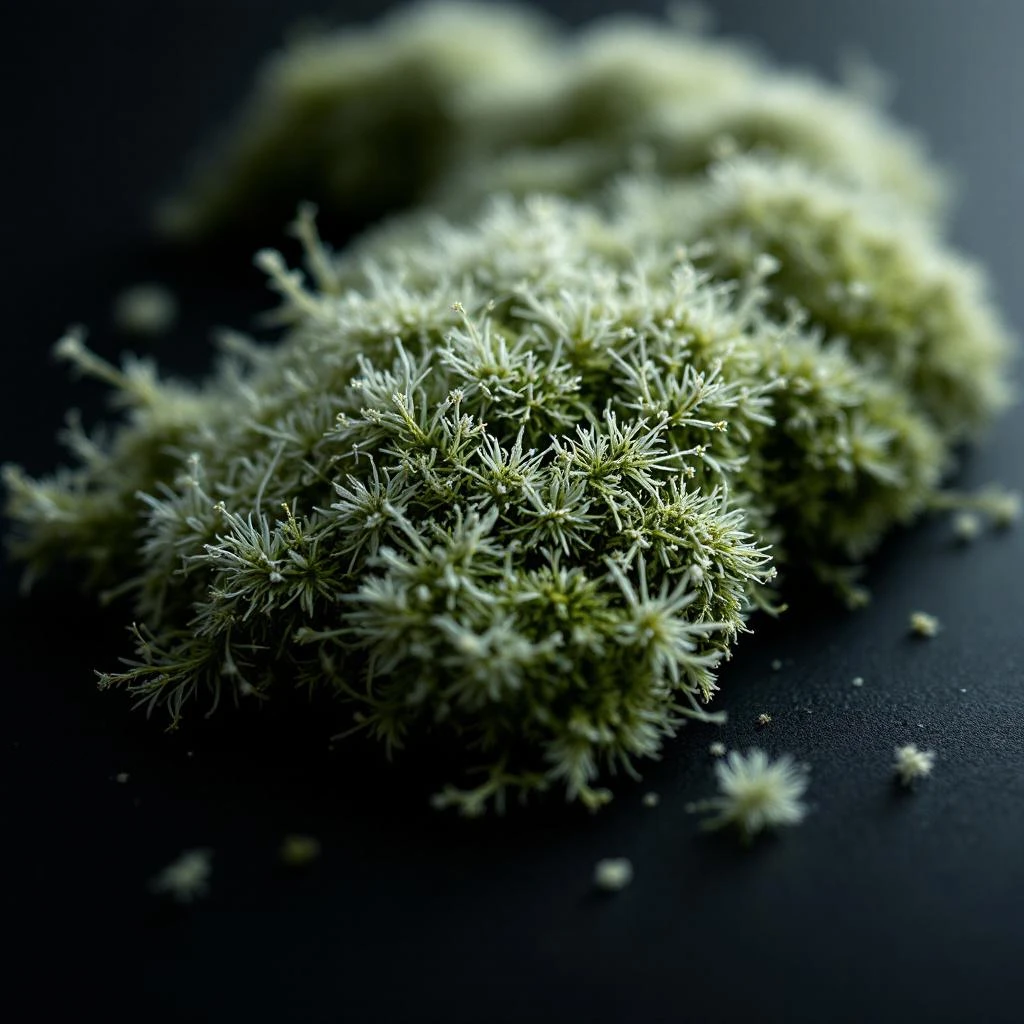
Mediterranean Moss is an earthy base note harvested from lichen growing on oak trees across Southern France and the Mediterranean basin. It delivers a damp forest floor character with green, slightly smoky undertones that ground fragrance compositions.

Character
How it smells
The ancient forest floor distilled into scent.
Mosses are among Earth's oldest land plants, predating the Egyptian pyramids by 100 million years.
Pairs beautifully with

Origin
France
Mosses appear in Mediterranean perfumery traditions that span millennia. Ancient Greeks and Romans gathered mosses from coastal and highland areas for use in ceremonial garlands and fragrant oils, often combining them with resinous materials like myrrh. Arab physicians of the medieval period documented moss in pharmacological texts, noting both its aromatic and purported medicinal properties.
The transformative era arrived in the 19th century when French perfume houses industrialized fragrance production. Grasse became the center of extraction innovation, and oakmoss absolute emerged as a critical perfumery material. By the early 20th century, it formed the backbone of the chypre fragrance family—a genre defined by the contrast between citrus top notes and mossy, animalic depth.
Chanel Pour Monsieur (1955) and Miss Dior (1947) exemplified this tradition. Today, natural oakmoss faces regulatory restrictions due to naturally occurring compounds, but it remains a touchstone of masculine and unisex perfumery, inspiring generations of synthetic derivatives.
Wears it best
Fragrances featuring Mediterranean Moss
Brands
Brands known for Mediterranean Moss
Good to know
Questions, answered
The essentials on Mediterranean Moss in perfumery: how it smells, where it comes from, and how it behaves on skin.
What is Mediterranean Moss in perfumery?
Mediterranean Moss refers to oakmoss (Evernia prunastri), a lichen that grows on oak trees across Southern France and the Mediterranean basin. Perfumers value it for its rich, earthy, forest-floor aroma with green and slightly smoky undertones.
What does Mediterranean Moss smell like?
It smells like a damp forest floor after rain. The scent combines earthiness, tree bark, and a faint green草 quality with subtle resinous depth. As a base note, it gives fragrances lasting presence and a natural, grounded character.
How is Mediterranean Moss used in perfumery?
Mediterranean Moss functions primarily as a fixative and base note. It slows the evaporation of lighter top notes and adds rich, grounding depth. Perfumers typically use it at low concentrations due to its intensity and IFRA restrictions on certain natural compounds.
Which famous fragrances feature Mediterranean Moss?
It defines the chypre family. Classical examples include Chanel Pour Monsieur and Miss Dior. Contemporary interpretations appear in Tom Ford Moss Breviats and Le Labo Baie 22, where it provides the characteristic earthy, forest-like foundation.
Is Mediterranean Moss regulated in the EU?
Yes. The EU classifies certain compounds in raw oakmoss absolute (atranol and chloroatranol) as allergens. IFRA guidelines restrict their concentration in finished products, prompting perfumers to use compliant extracts or synthetic alternatives.
Can Mediterranean Moss be replaced synthetically?
Yes. Synthetics like evernyl (a refinement of oakmoss compounds) and specialized aroma chemicals capture the earthy, mossy character while meeting safety standards. These allow perfumers to recreate the effect without regulatory constraints.
How do perfumers combine Mediterranean Moss with other ingredients?
It pairs naturally with bergamot and rose in chypre constructions, creating the signature citrus-moss contrast. With labdanum it builds warm, resinous depth. Pairings with sandalwood or patchouli create richer, darker fragrance profiles.
How can I identify Mediterranean Moss in a fragrance?
Look for keywords like oakmoss, chypre, or forest notes on perfume cards. The scent itself reveals it—a persistent earthy, slightly smoky base that lingers well beyond the top notes and gives a fragrance its structure.