Heirloom Tomato
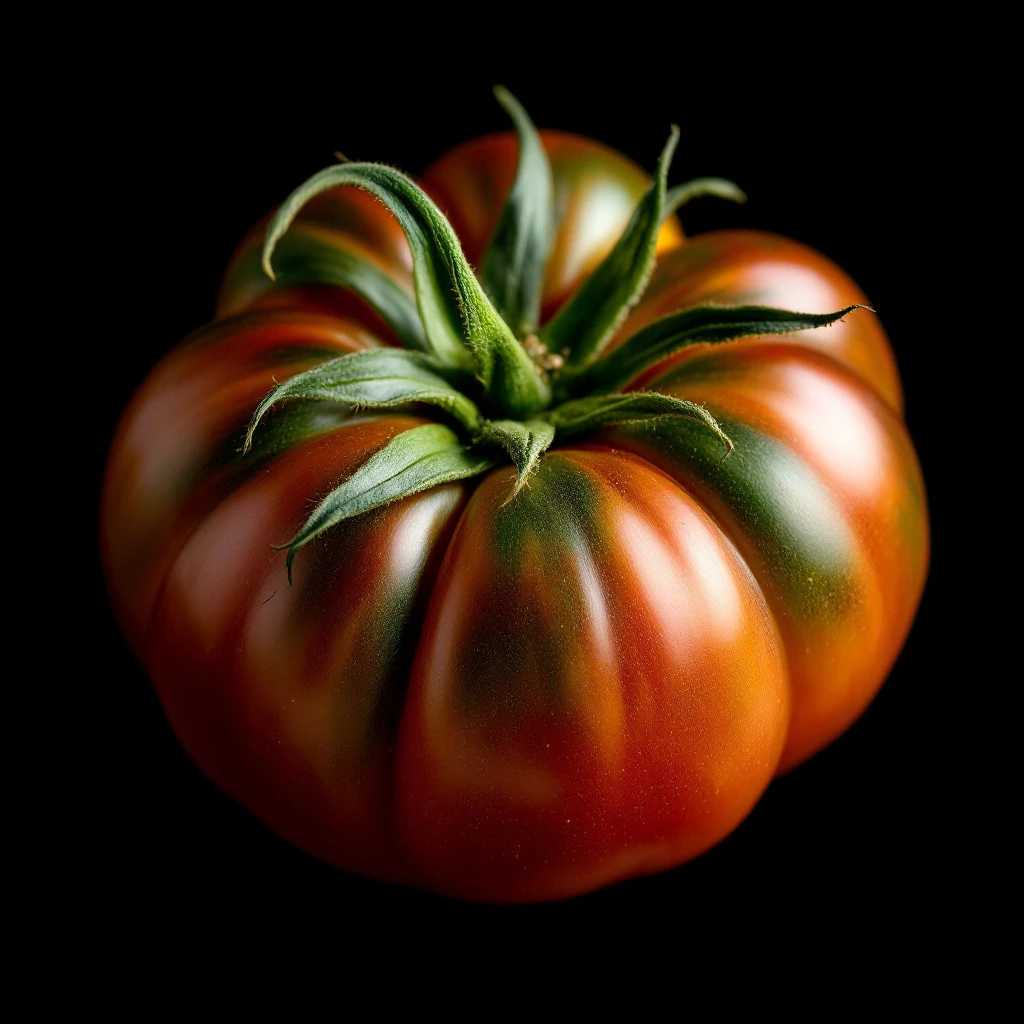
Heirloom Tomato brings sun-ripened garden sweetness with a verdant, slightly tart edge. This polarizing note splits opinion—some experience savory depth, others detect bright fruit. A modern perfumery star born from the clean beauty movement.
Character
How it smells
Garden-fresh fruit that divides opinion
Tomato leaf absolute requires roughly one ton of fresh leaves to produce a single kilogram—making it one of the most concentrated green materials in perfumery.



Origin
Italy
The tomato's perfumery story is remarkably recent despite millennia of fragrance-making. While hieroglyphics show Egyptians crafting perfumes around 3000 BC, tomatoes remained absent from fragrance palettes for thousands of years. Native to the Andes, tomatoes reached Europe via Spanish colonizers in the 16th century, initially treated with suspicion due to their nightshade family ties.
Italians gradually embraced them in cooking, but perfumery use came much later. The modern natural perfumery revival of the late 20th century opened doors for unconventional botanical ingredients. A turning point arrived in 2020 when Flamingo Estate launched their Roma Heirloom Tomato candle, unexpectedly igniting widespread interest in tomato-scented products.
This sparked what commentators dubbed the "tomato girl" aesthetic—a Mediterranean-inspired, garden-fresh mood that permeated lifestyle and fragrance spheres. Heirloom tomatoes, with their superior flavor and character over commercial varieties, became the preferred choice for capturing authentic, garden-to-skin aromatics.
Wears it best
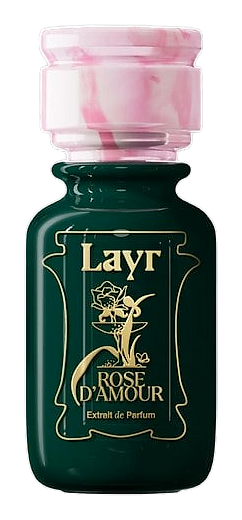
Fragrances featuring Heirloom Tomato
Brands
Brands known for Heirloom Tomato
Good to know
Questions, answered
The essentials on Heirloom Tomato in perfumery: how it smells, where it comes from, and how it behaves on skin.
What does Heirloom Tomato smell like in perfumery?
Tomato delivers green, watery freshness with sun-warmed fruit sweetness and a slightly tart edge. The leaf absolute adds herbaceous, almost medicinal green notes. It's savory yet bright—a polarizing combination that surprises many wearers.
Is tomato fragrance natural or synthetic?
Both approaches exist. Natural tomato absolute comes from solvent-extracted leaves. Nature-identical isolates recreate specific tomato aroma molecules from botanical sources. Fully synthetic versions also exist for consistency. Premium fragrances typically favor natural or isolate-based tomato materials.
Where do tomato absolutes for perfumery originate?
Mediterranean climates produce the finest tomato materials. Italy, Spain, and Greece cultivate varieties prized for perfumery use. The specific terroir influences aromatic compounds, with warmer climates yielding fruitier profiles and cooler regions producing more intensely green notes.
Why is tomato considered a challenging ingredient in perfumery?
Tomato fruit lacks concentrated aromatic compounds, making direct extraction inefficient. The more viable leaf absolute requires substantial plant material—roughly one ton of leaves yields one kilogram of absolute. This scarcity and the note's polarizing nature have limited its traditional use.
What fragrance families pair well with tomato notes?
Tomato works beautifully in fresh, aromatic, and green compositions. It complements herbs like basil and rosemary, citrus elements, and other garden ingredients. It also appears in unexpected contexts—soft florals, modern chypres—adding an earthy, contemporary twist.
How long has tomato been used in fine fragrances?
Tomato in perfumery dates to roughly the 2010s, with significant growth after 2020. The Flamingo Estate Roma Heirloom Tomato candle sparked mainstream attention, followed by increased adoption among niche and premium fragrance houses seeking distinctive natural ingredients.
Does the type of tomato affect the fragrance outcome?
Heirloom varieties produce more aromatic fruit than commercial hybrids bred primarily for shipping durability. Roma and San Marzano varieties commonly appear in perfumery contexts for their concentrated flavor and characteristic balance of sweetness and acidity.
What concentration levels work best for tomato fragrance materials?
Tomato materials perform best at low concentrations—typically 0.5% to 2% in fragrance concentrates. Higher concentrations can overwhelm compositions with aggressive green or vegetative notes. The subtlety required makes tomato a skilled perfumer's ingredient rather than a beginner's shortcut.