Mediterranean Mimosa
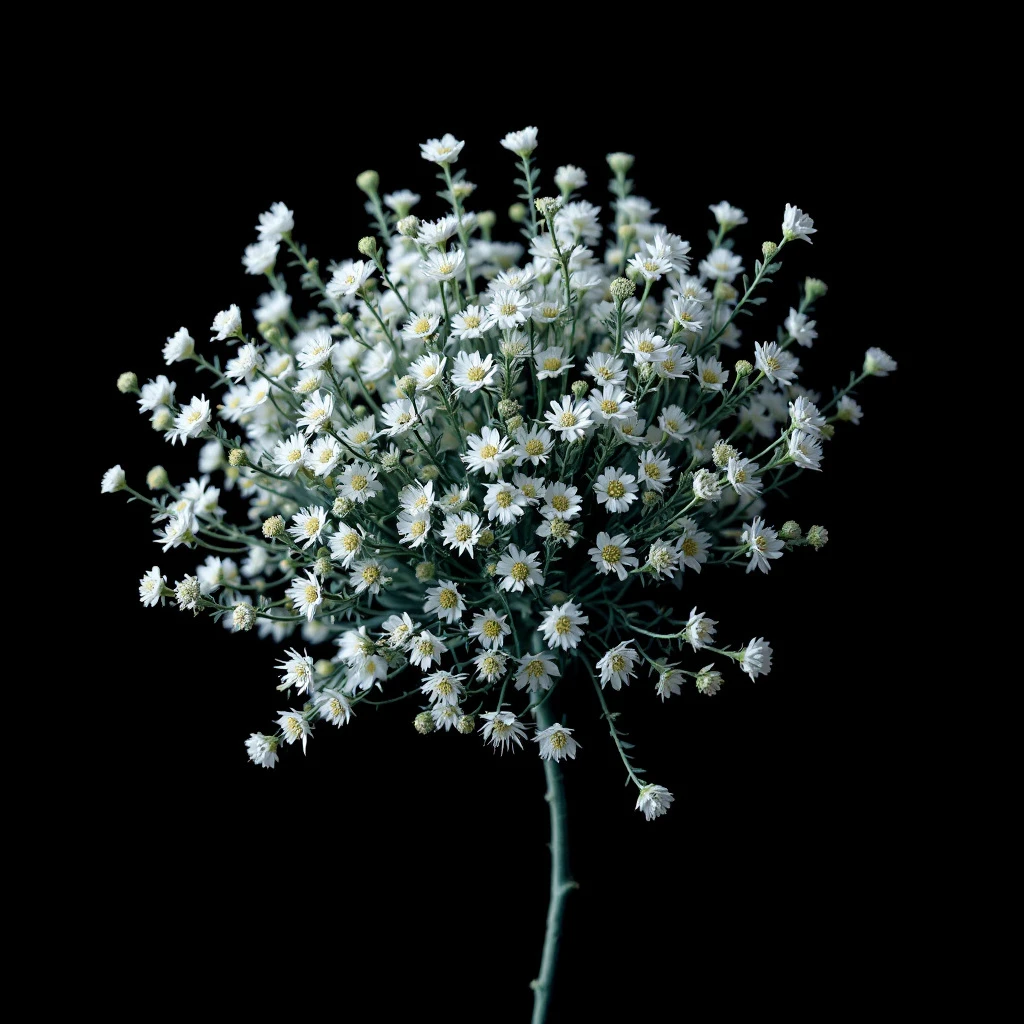
Mediterranean Mimosa captures the first warmth of spring in a concentrated bloom. Its powdery, sun-drenched character brings immediate brightness to any fragrance composition, evoking sunlit coastlines and golden flower carpets of the French Riviera.
Character
How it smells
Spring sunshine captured in bloom.
Mimosa flowers bloom so abundantly in Grasse that entire hillsides turn gold each February, a sight locals call "le roi des parfum."
Pairs beautifully with
Origin
France
Nicolas Baudin, the French navigator, brought mimosa seeds from Australia following his expedition to Oceania in the early 1800s. He presented them to Josephine de Beauharnais at her Malmaison estate, where the Australian native found ideal conditions along the French Mediterranean coast.
The French Riviera's mild winters and limestone-rich soils proved perfect for Acacia dealbata, which the French simply call mimosa. By the early 20th century, mimosa had naturalized so completely that Grasse perfumers began incorporating it into their compositions.
Ancient Egyptians had already associated the acacia with resurrection and immortality, using it in incense and burial rituals. Today, mimosa remains synonymous with the French perfumery tradition, its golden blooms signaling spring's arrival along the Mediterranean.
Wears it best
Fragrances featuring Mediterranean Mimosa
Brands
Brands known for Mediterranean Mimosa
Good to know
Questions, answered
The essentials on Mediterranean Mimosa in perfumery: how it smells, where it comes from, and how it behaves on skin.
What does Mediterranean Mimosa smell like?
Mediterranean Mimosa smells like warm sunshine with powdery florals and sweet honey undertones. It carries a gentle green freshness that balances its sweetness, creating a comforting yet bright impression reminiscent of spring mornings on the French Riviera.
Is Mimosa a natural or synthetic ingredient?
Mimosa absolute is completely natural, extracted from Acacia dealbata flowers via solvent extraction. High-quality mimosa comes from France, Morocco, and India, where artisan producers harvest blossoms by hand during peak flowering season.
What type of fragrance compositions use Mimosa?
Mimosa appears primarily in floral and chypre compositions as a heart note. It pairs well with citrus, green notes, and warmer ingredients like vanilla and tonka bean. Classic fragrances like Chanel No. 5 showcase its versatility.
Why is Mimosa associated with the Mediterranean?
French navigator Nicolas Baudin introduced Mimosa to France from Australia in the 1800s. The flower found its ideal growing conditions along the French Riviera, particularly around Grasse, where it became central to the region's perfumery heritage.
How long is the Mimosa harvest season?
The Mimosa harvest lasts only two to three weeks each year, typically in February and March. This narrow window demands precise timing, as blossoms must be picked at peak ripeness to capture their full aromatic potential.
What fragrance families pair well with Mimosa?
Mimosa complements other florals like rose and iris while grounding nicely against woody notes such as sandalwood and cedar. Its powdery quality makes it especially compatible with aldehydic and musky fragrance structures.
Does Mimosa have cultural significance beyond perfumery?
Ancient Egyptians linked acacia to resurrection and immortality, using it in burial rites and incense. In France, Mimosa Day on March 8th celebrates the flower as a symbol of feminine strength and spring's arrival.
What makes Mimosa absolute expensive?
One kilogram of mimosa absolute requires roughly 1,000 kilograms of fresh flowers, all harvested by hand during a brief seasonal window. The delicate blossoms lose fragrance quickly after picking, demanding rapid processing and skilled handling throughout production.





