Maqui
Maqui brings a tart, berry-like brightness to fragrance through a Chilean native plant whose dark berries lend extracts a distinctive, winey character.

Character
How it smells
A tart Chilean berry note with dark, vinous depth.
Maqui is the Chilean name for Aristotelia chilensis, a berry-bearing evergreen also known as Chilean wineberry.
Origin
Chile
Maqui belongs to a family of plants valued in Chile long before modern perfumery, where Aristotelia chilensis grows across temperate regions from southern Chile into Argentina. Its common name, Chilean wineberry, reflects the dark purple berries traditionally associated with winemaking and food preparation. The plant also has a history in traditional medicine, particularly among Mapuche communities, who used preparations of maqui for various purposes.
This cultural context does not make the ingredient an ancient perfume material in the same way as myrrh or benzoin, but it places maqui within a long Chilean tradition of attentive use of native plants. Its appearance in modern fragrance follows the broader expansion of botanical sourcing, when perfumers began searching beyond established citrus, floral, resin, and spice materials for distinctive natural effects.
Wears it best
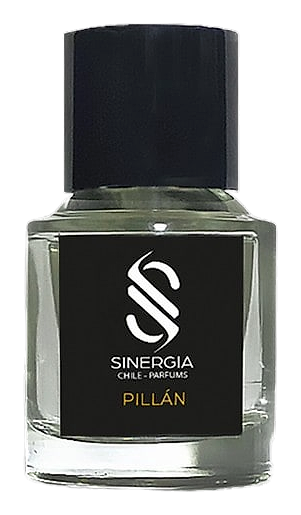
Fragrances featuring Maqui
Brands
Brands known for Maqui
Good to know
Questions, answered
The essentials on Maqui in perfumery: how it smells, where it comes from, and how it behaves on skin.
What does maqui smell like in perfume?
Maqui usually reads as a dark, tart fruit note with a wine-like edge and subtle leafy green depth. In a composition, it can support red and purple fruits without sounding as sweet as berry notes built from sugar or candy facets.
Is maqui the same as Chilean wineberry?
Yes. Maqui is the Chilean name commonly used for Aristotelia chilensis, also called Chilean wineberry. Its small berries ripen to a deep purple-black color and give the plant its familiar name.
Which part of the maqui plant is used in fragrance?
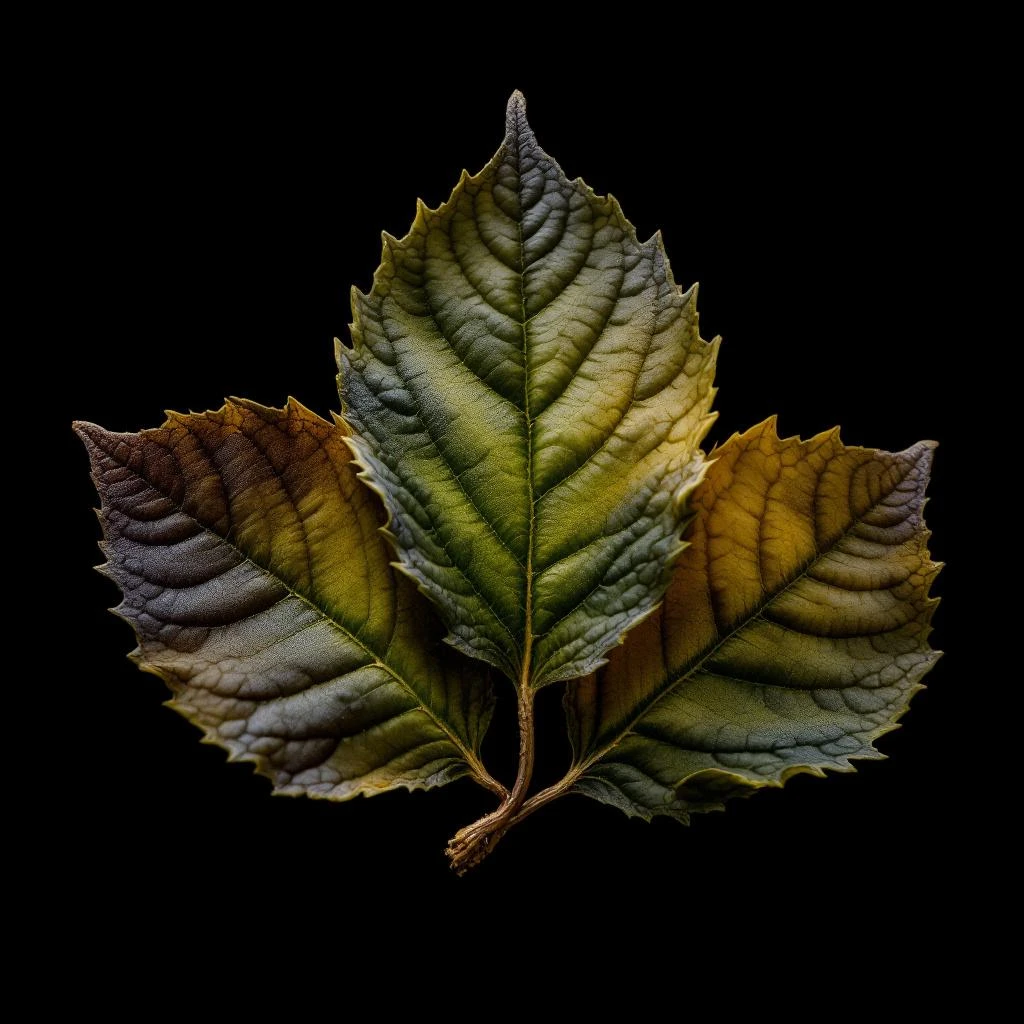
Perfume makers may use maqui berries and leaves, depending on the extract. These materials contribute different aspects of the profile, with fruit providing tart, wine-like character and leaves adding greener, more restrained notes.
Where does maqui originate?
Maqui originates in Chile, where it is strongly associated with the Chilean landscape and traditional food culture. It also grows naturally in neighboring parts of Argentina, including Patagonia.
How is maqui fragrance extract made?
Maqui aromatic material is commonly produced through solvent extraction of selected plant parts. The method draws out the fruit and leafy compounds that can then be incorporated into perfume formulations.
Does maqui smell like wine?
It has a wine-like impression rather than simply smelling like wine. The association comes from its dark berry character and tart, vinous depth, often strengthened by neighboring fruit, woods, or spice notes.
Is maqui a common perfume ingredient?
Maqui remains relatively uncommon compared with citrus, rose, vanilla, and other widely used materials. Its distinctive profile and constrained natural sourcing make it more visible in fine fragrance and niche perfumery.
What fragrance notes pair well with maqui?
Maqui pairs naturally with dark berries, cherry, and plum, while citrus can sharpen its tart side. Woods, incense, and soft spices give it a firmer base and emphasize the note’s deeper, wine-like character.