Mango milk
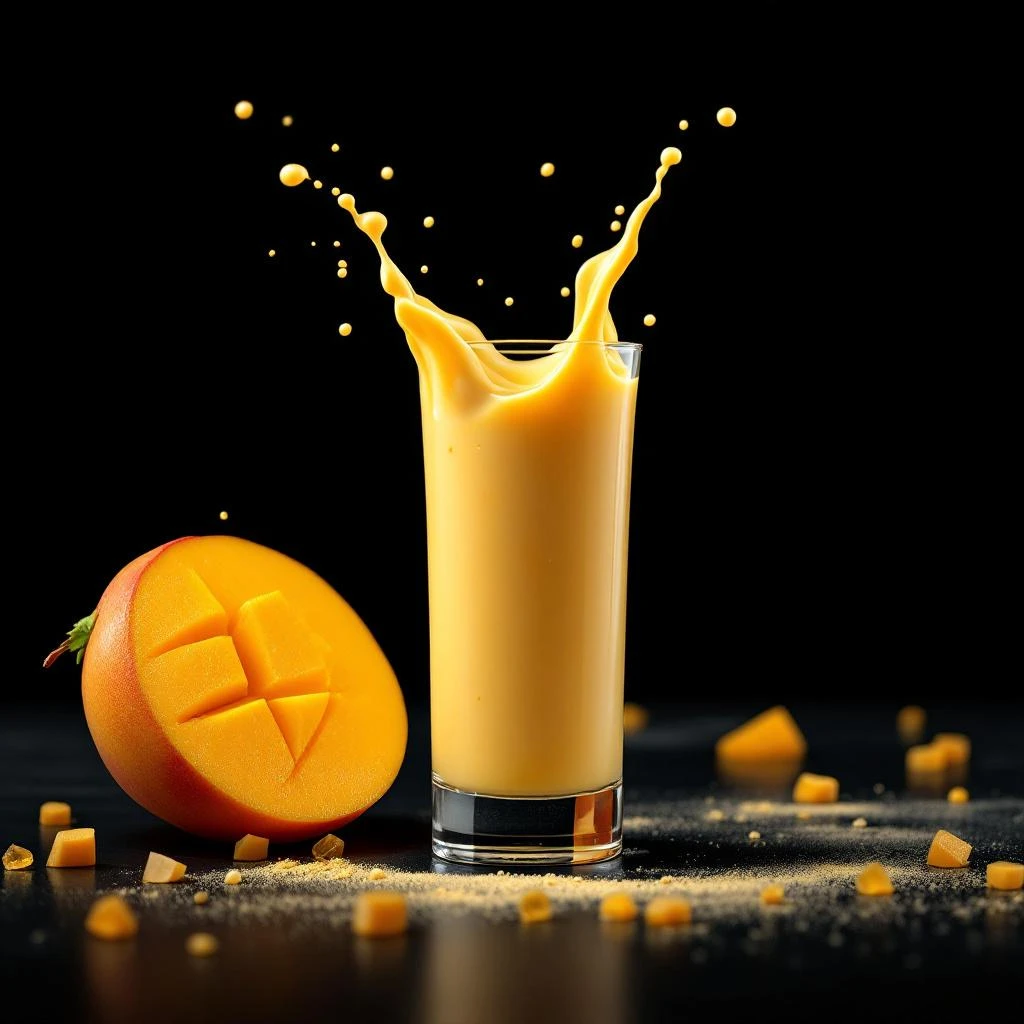
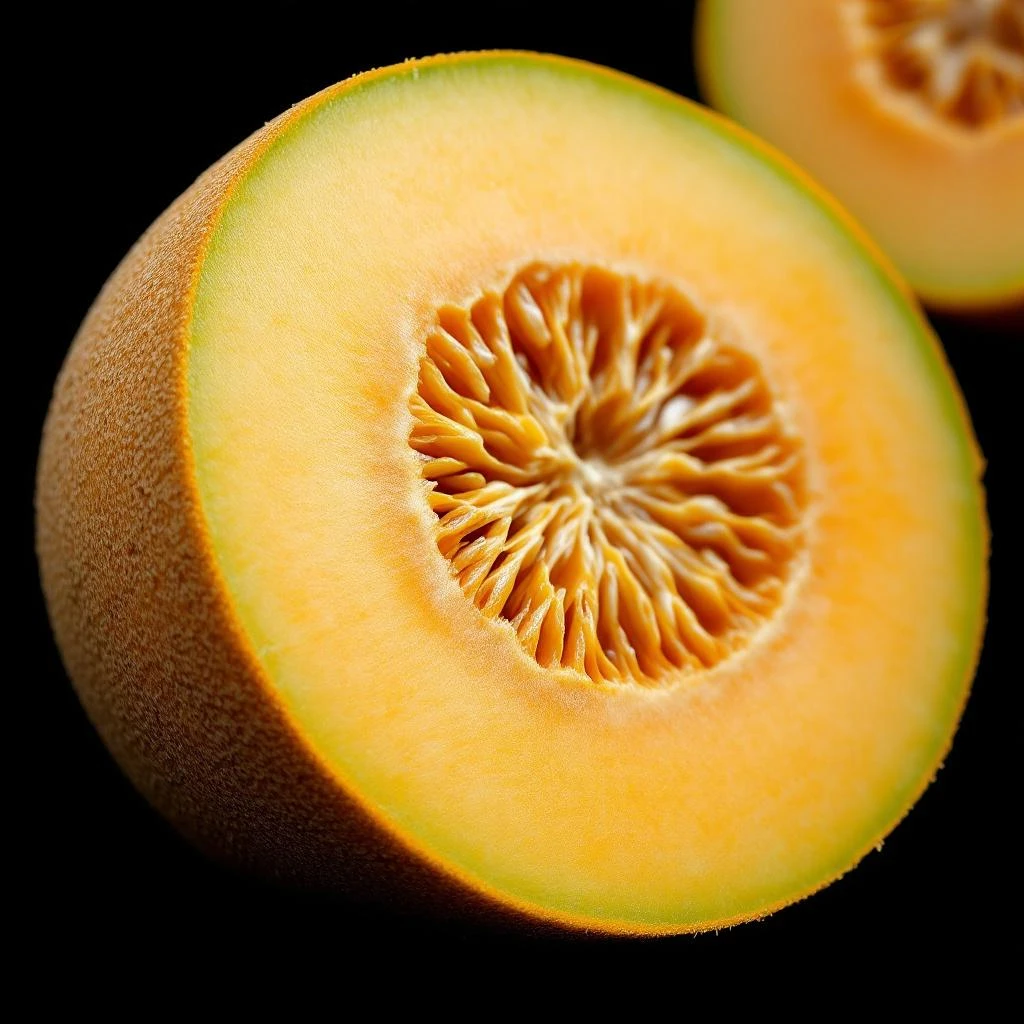
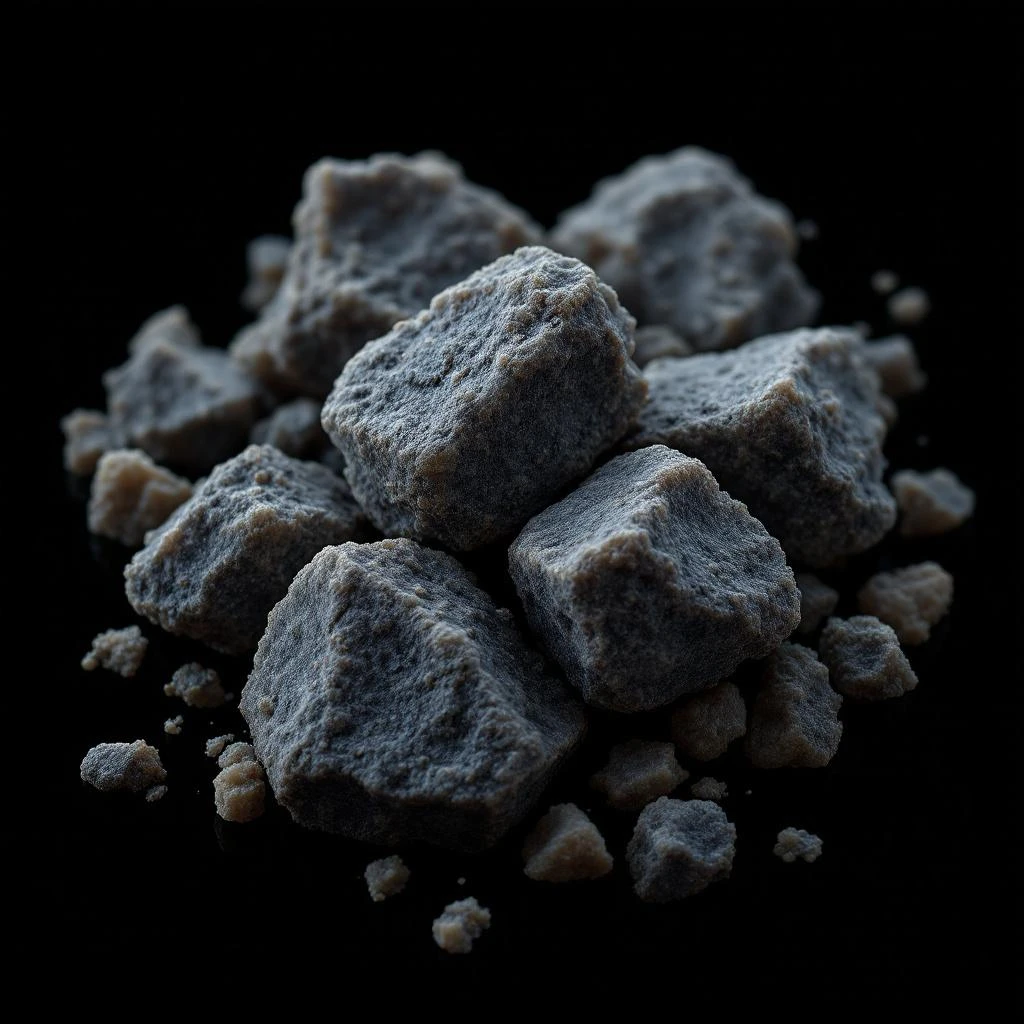
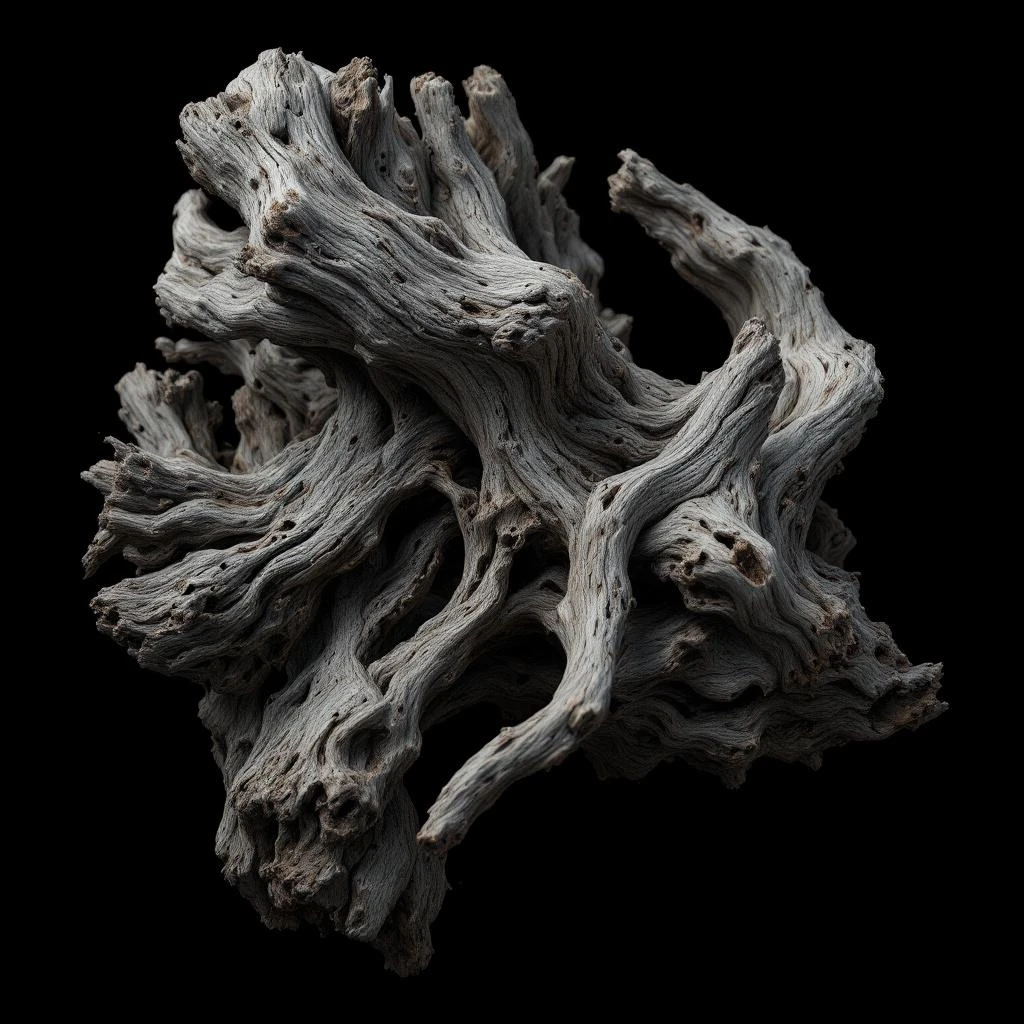
Mango milk blends the lush tropical sweetness of ripe mango with creamy, lactonic milk notes to create an indulgent gourmand aroma. This reconstruction captures the fruit's honeyed, slightly tart character softened by warm dairy undertones. It adds a playful, mouthwatering quality that rounds heart and base compositions with velvety richness.
Character
How it smells
Sun-ripened tropical sweetness wrapped in warm dairy cream
Mango ranks among the most widely cultivated fruits globally, with over 1,000 varieties grown, yet not a single one yields enough aromatic compounds for commercial perfumery extraction.
Origin
International
While mango has been cultivated in South Asia for over 4,000 years and holds deep cultural significance across India, Southeast Asia, and the Philippines, its journey into perfumery is recent. The fruit only entered fragrance compositions in the late 20th century as synthetic chemistry advanced enough to capture its nuanced profile. Before modern aroma chemistry, perfumers lacked the tools to convincingly recreate mango's sweet-tart complexity.
The milk component references centuries of dairy in perfumery across Middle Eastern and Mediterranean traditions where rose water and milk baths symbolized luxury. Combining these two sensory traditions into mango milk represents perfumery's push into playful, accessible gourmand territory that exploded in the 1990s and continues to dominate contemporary fragrance creation.
Wears it best
Fragrances featuring Mango milk
Good to know
Questions, answered
The essentials on Mango milk in perfumery: how it smells, where it comes from, and how it behaves on skin.
What does Mango milk smell like in perfume?
Mango milk smells like ripe tropical mangoes blended with warm, creamy milk. The mango provides honeyed sweetness with subtle tartness, while the milk component adds velvety, lactonic richness. Together they create an indulgent, gourmand character reminiscent of fruit yogurt or mango lassi.
Why is Mango milk used in perfumery?
Mango milk delivers immediate tropical warmth and comfort that appeals broadly to consumers. It adds playful, edible sophistication that makes fragrances feel approachable yet luxurious. The combination also helps perfumers create signature gourmand signatures without relying on standard vanilla or caramel routes.
Is Mango milk in perfume natural or synthetic?
Mango milk is always synthetic in perfumery. Direct extraction from mango fruit yields extremely low amounts of aromatic material, making it impractical. Perfumers reconstruct the note using individual aroma chemicals that collectively mirror the fruit's and milk's scent profiles.
What famous perfumes contain Mango milk?
Mango milk appears in numerous contemporary fragrances including Aquolina Pink Chocolate, Demeter Mango Milk, and various Viktor & Rolf fragrances. The note gained particular popularity in the 2010s as gourmand perfumery expanded, though specific formulas remain proprietary.
Is Mango milk a top note, heart note, or base note?
Mango milk typically functions as a heart-to-base note in fragrance construction. The tropical mango initially pops with fruity brightness, then settles into the creamier milk accord that provides lasting warmth throughout the dry-down phase of wear.
What notes pair well with Mango milk in perfume?
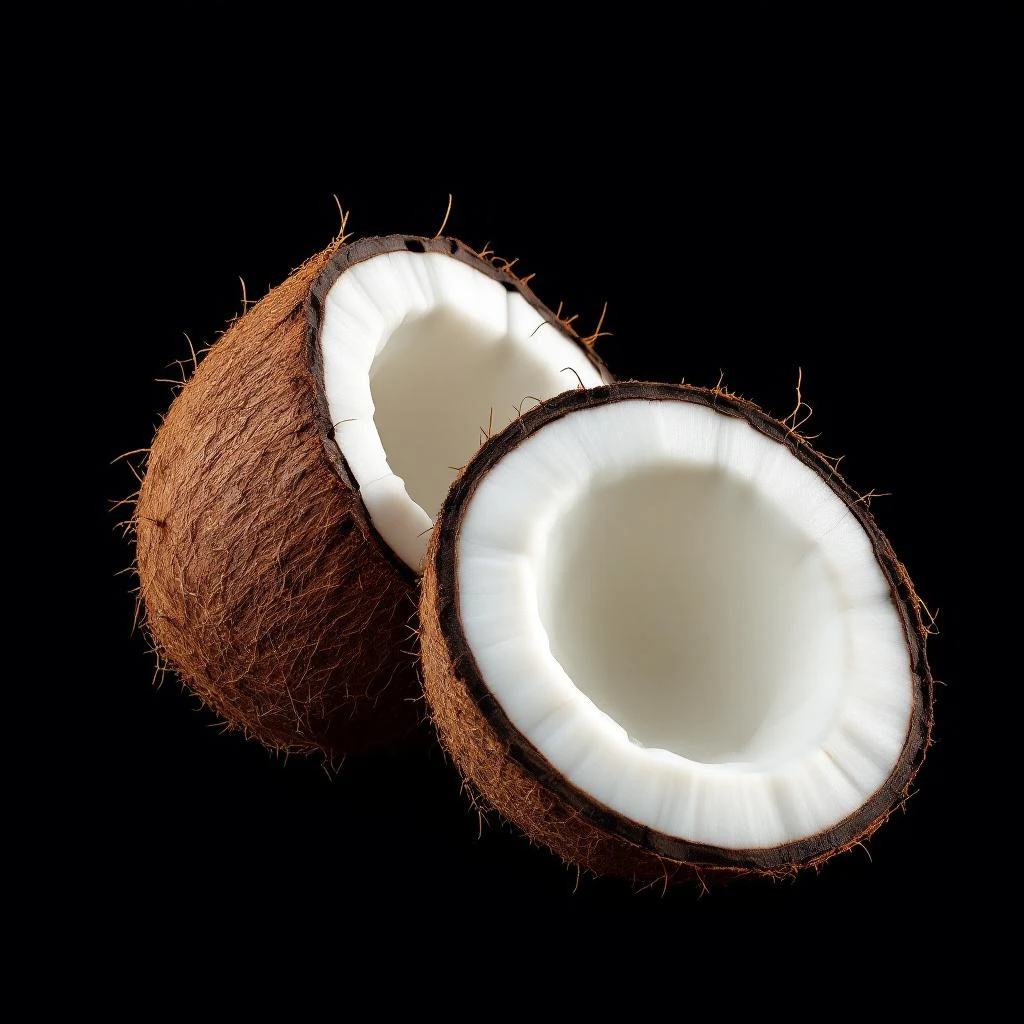
Mango milk pairs excellently with coconut, vanilla, sandalwood, jasmine, and amber. These companions either reinforce the tropical creamy character or provide contrast through woody or floral elements. Oriental and fresh fruity-floral compositions benefit most from this note.
How is Mango milk extracted?
Mango milk cannot be extracted from actual mangoes due to impractical yields. Perfumers build the note synthetically by combining terpene alcohols, aldehydes, and lactones. The mango facet comes from compounds like those found in the fruit's volatile profile, while milk notes derive from synthetic lactones and vanillin derivatives.
Is Mango milk used in men's or women's fragrances?
Mango milk appears across genders in modern perfumery. While traditionally coded as feminine in classic contexts, contemporary gender-fluid fragrance trends have embraced the note broadly. The creamy tropical character suits summer scents for all profiles regardless of marketing classification.