Mandarin meringue
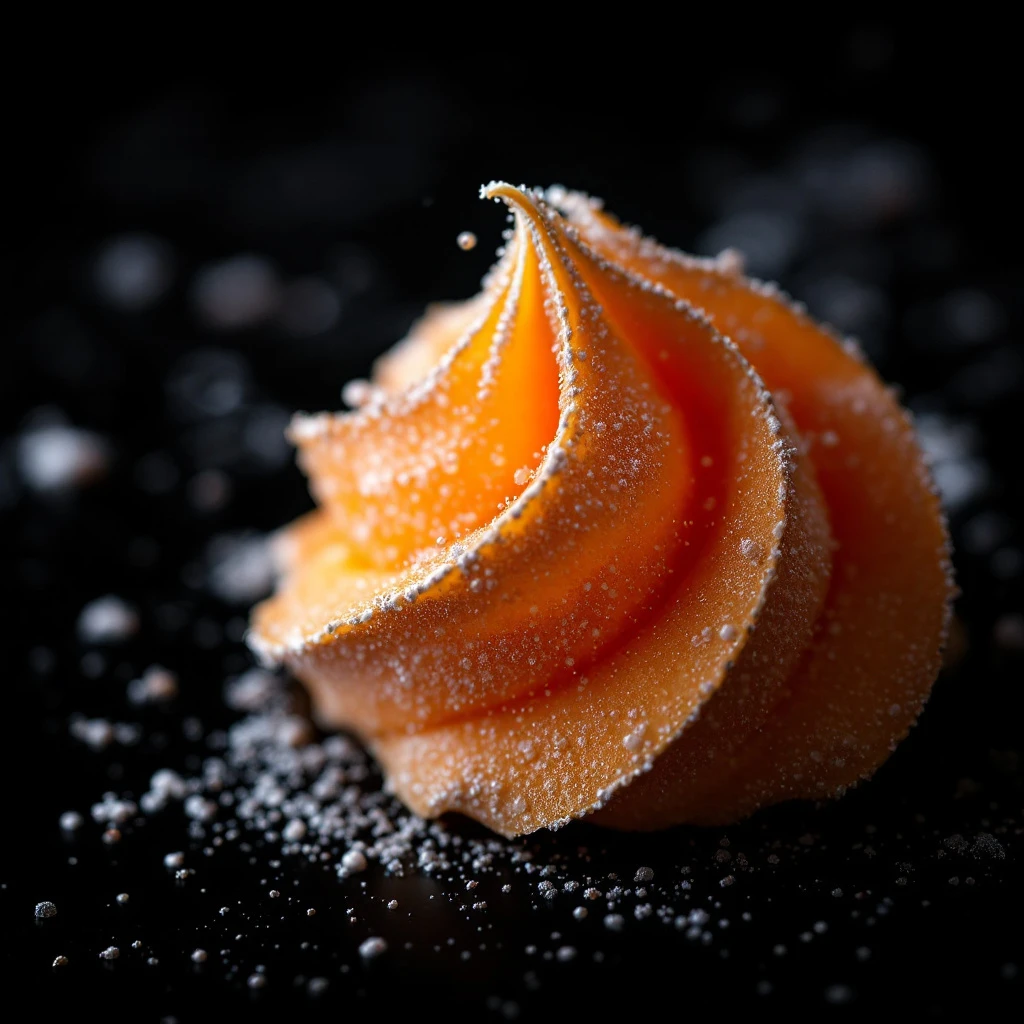
Mandarin meringue captures the bright, sun-drenched zest of mandarin peel intertwined with the sweet, warm character of vanilla-kissed meringue. This combined accord delivers immediate citrus radiance followed by a soft, gourmand sweetness that lingers pleasantly. It functions as both an uplifting opening and a bridge toward more intimate, edible drydown moments.
Character
How it smells
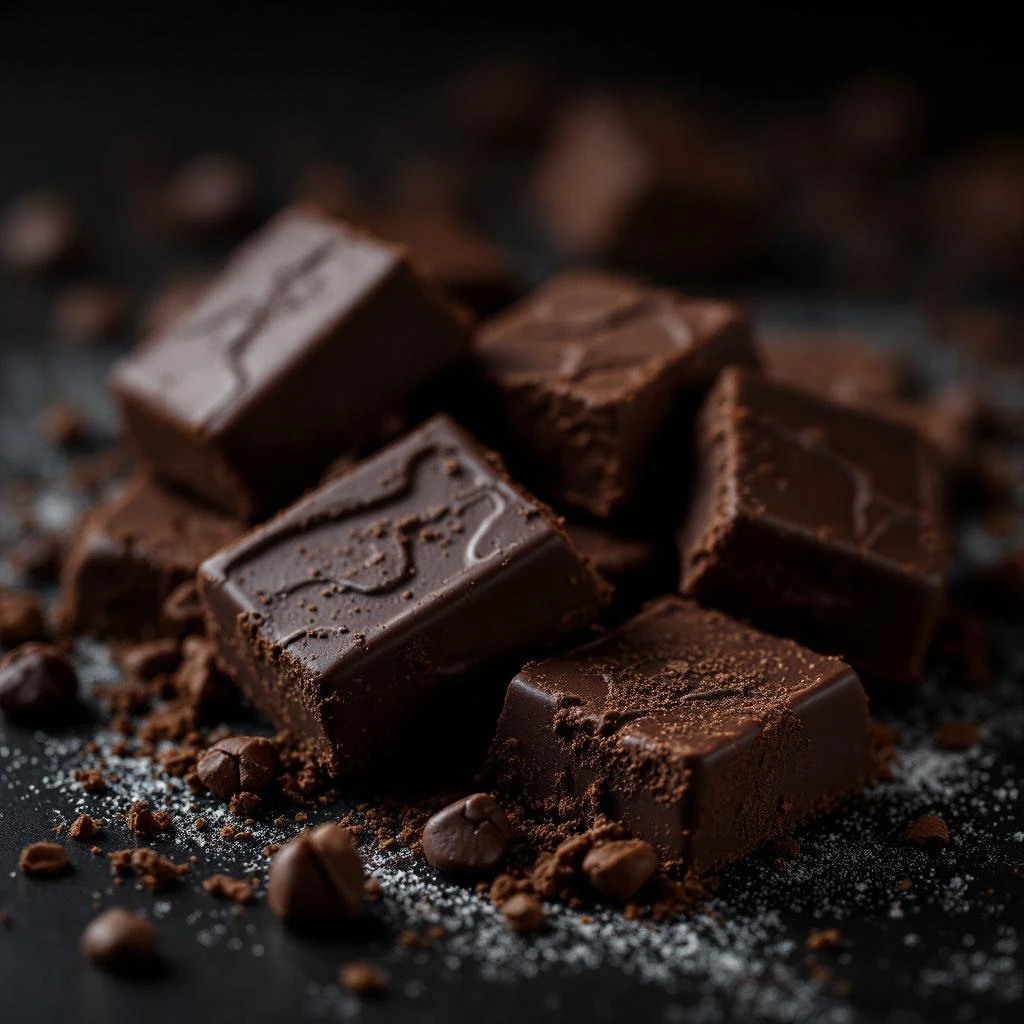
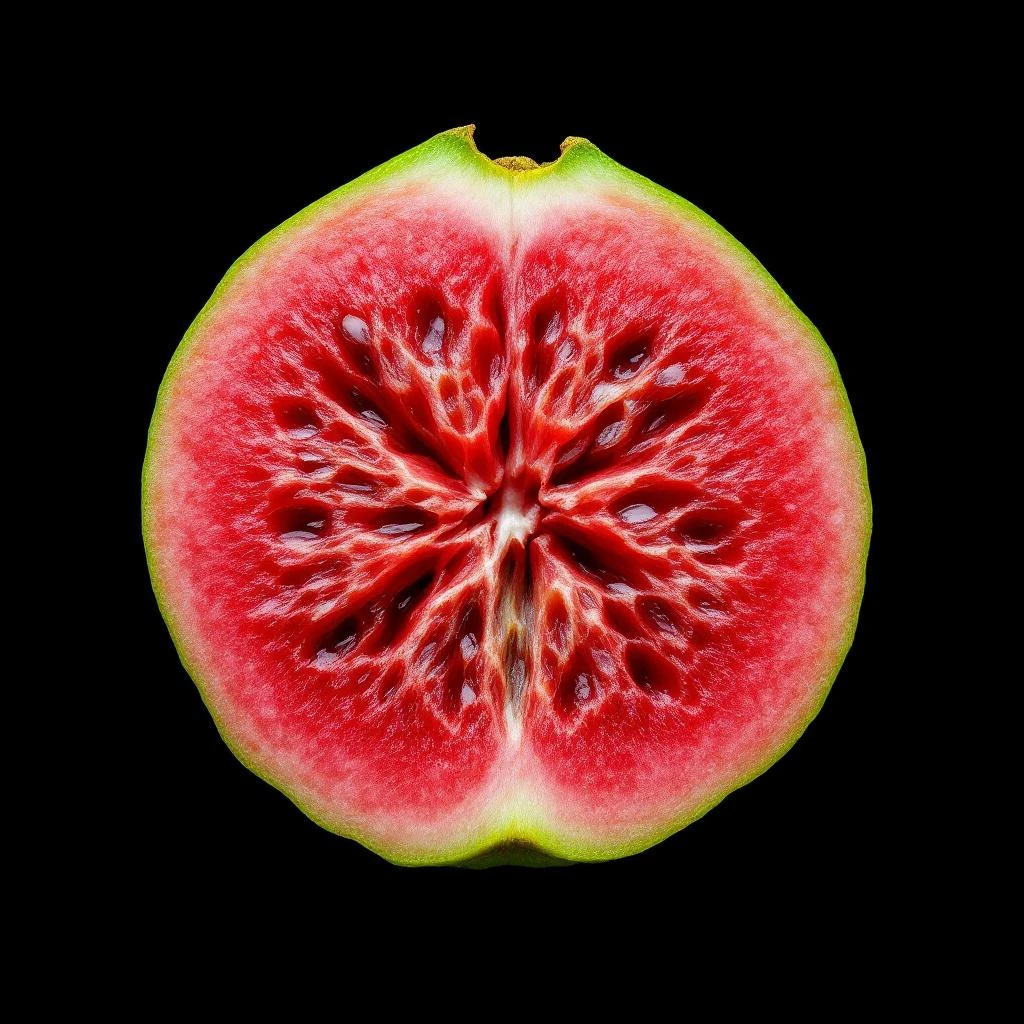
Sunny citrus brightened by whispers of vanilla cream
The word mandarin comes from the fruit being gifted to Chinese officials during festivals, a tradition that gave the entire citrus species its botanical identity.

Origin
Italy
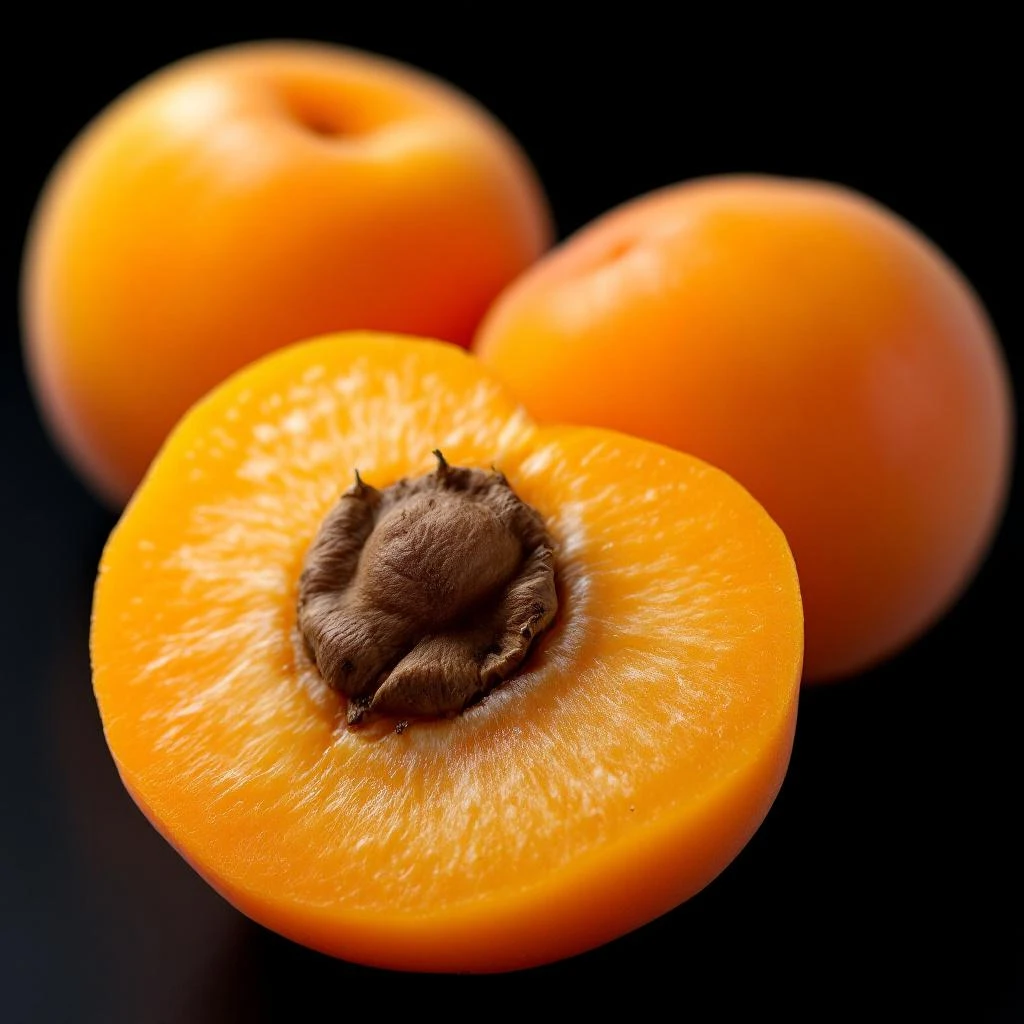
Mandarin citrus carries a name steeped in diplomatic history. The fruit originated in China and was traditionally presented as tribute to imperial officials known as mandarins during important festivals.
European traders encountered the fruit in the 19th century and brought it westward, where it found fertile ground in the Mediterranean climate of Sicily. The Italian expression technique, developed in the sun-drenched orchards of Palermo and Messina, remains the most artisanal method for extracting mandarin's precious oil.
Meringue, by contrast, traces its fragrant history to the evolution of perfumery's gourmand category, which emerged prominently in the late 20th century when perfumers began exploring edible, comforting scent profiles. Together, these two elements represent a meeting of ancient citrus traditions and modern olfactory artistry.
Wears it best
Fragrances featuring Mandarin meringue
Brands
Brands known for Mandarin meringue
Good to know
Questions, answered
The essentials on Mandarin meringue in perfumery: how it smells, where it comes from, and how it behaves on skin.
What does Mandarin meringue smell like in perfume?
Mandarin meringue smells like bright citrus zest softened by warm, sweet vanilla undertones. The mandarin provides immediate solar freshness while the meringue element adds a comforting, edible sweetness that rounds the sharp edges. Expect a clean yet indulgent impression reminiscent of candied citrus peel alongside freshly baked dessert.
Why is Mandarin meringue used in perfumery?
Perfumers use mandarin meringue to create an immediately appealing, accessible opening that projects joy and warmth. The combination bridges fresh citrus with gourmand sweetness, making fragrances feel both natural and comfortingly familiar. It performs exceptionally well in top positions, capturing attention before deeper notes emerge.
Is Mandarin meringue in perfume natural or synthetic?
Mandarin meringue is a hybrid material. The mandarin component is typically natural, extracted via cold expression from citrus peel. The meringue character comes from aroma chemicals like ethyl vanillin and heliotropin, which replicate vanilla and sweet powder notes. This blend leverages nature's brightness with chemistry's precision.
What famous perfumes contain Mandarin meringue?
Several contemporary fragrances feature mandarin combined with sweet, vanillic elements reminiscent of meringue. Known examples include Chanel Chance Eau Tendre, which pairs grapefruit and jasmine with a musky, sweet drydown, and Marc Jacobs Daisy Eau So Fresh, where mandarin opens into raspberry and rose with a sugary finish.
Is Mandarin meringue a top note, heart note, or base note?
Mandarin meringue functions primarily as a top note, projecting its bright citrus character in the first 15 to 30 minutes of wear. The sweet meringue elements can linger into the heart phase, creating a smooth transition. Longevity varies by concentration, typically remaining noticeable for 1 to 3 hours depending on fragrance concentration.
What notes pair well with Mandarin meringue in perfume?
Mandarin meringue pairs beautifully with floral notes like jasmine, peony, and magnolia, which complement its sweetness without overpowering. Woody bases such as cedar and white musk extend the gourmand character. For contrast, vetiver, cardamom, and green tea add depth and prevent excessive sweetness.
How is Mandarin meringue extracted?
Mandarin peel undergoes cold expression, a mechanical process that ruptures oil glands in the fruit rind. The meringue component is not extracted but rather composed using aromatic molecules like vanillin and heliotropin. Natural mandarin yields approximately 0.2 to 0.5 percent essential oil by weight from fresh peel, making it relatively precious.
Is Mandarin meringue used in men's or women's fragrances?
Mandarin meringue appears across gender categories due to its universal appeal. It dominates many women's fragrances emphasizing freshness and sweetness but also features prominently in modern masculine and unisex compositions. Designers frequently deploy it to soften more assertively masculine bases, creating accessible elegance.