Magnolia bud
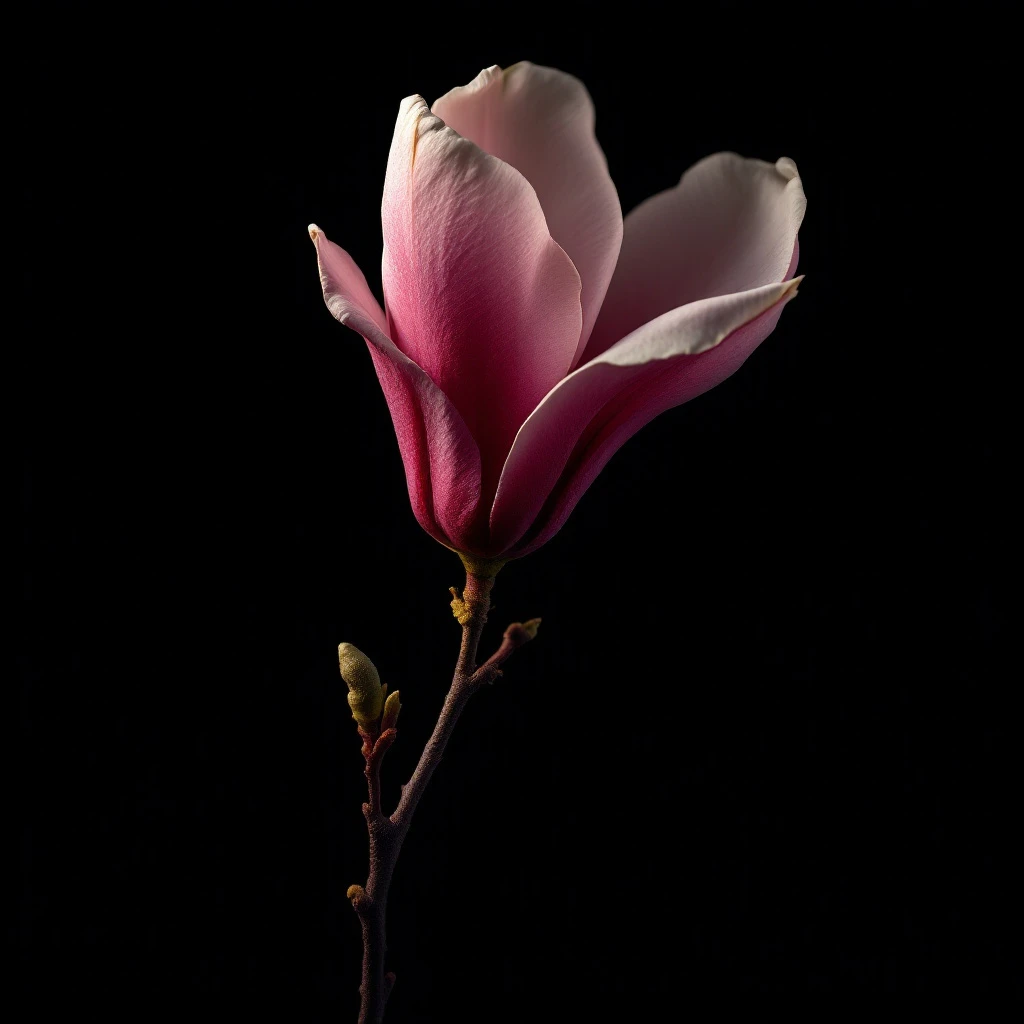
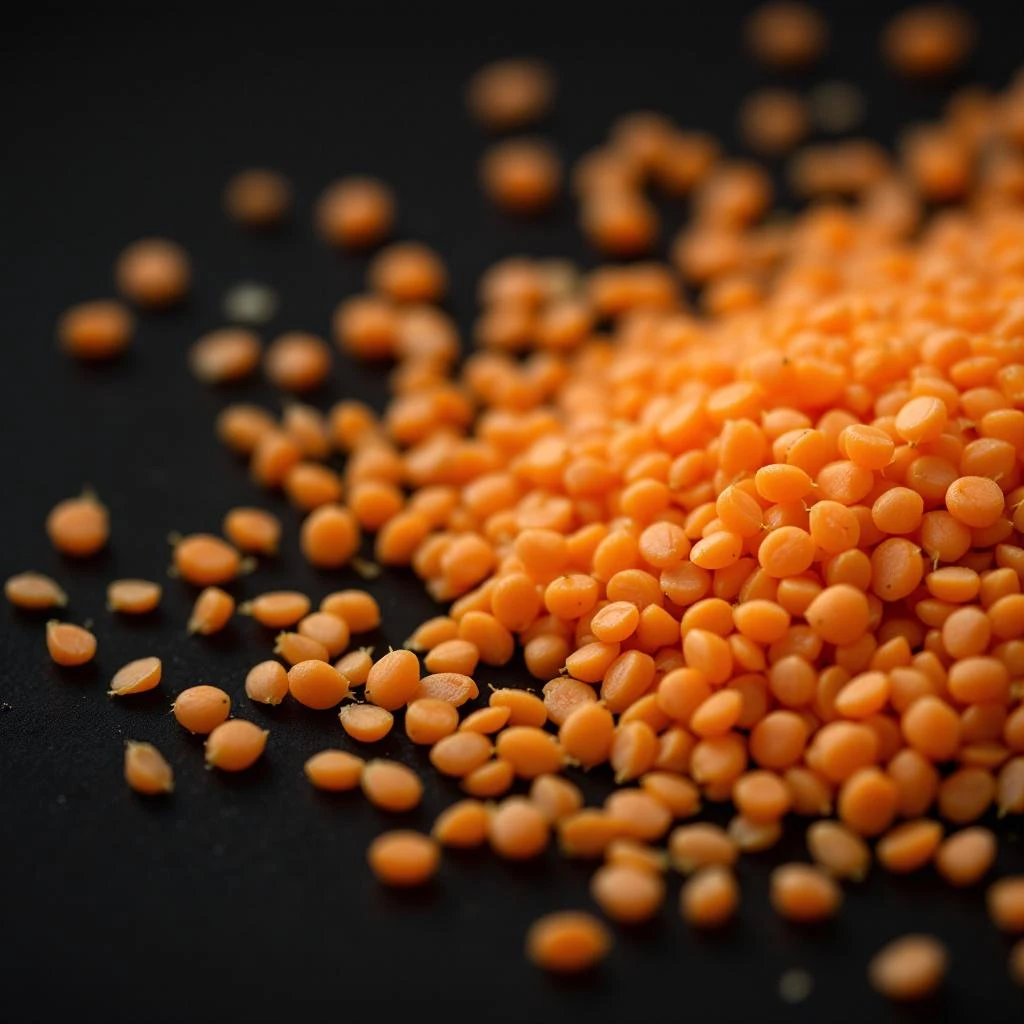
Magnolia bud delivers a buttery, lactonic floral scent tinged with green freshness. Less intense than the full bloom, the bud captures magnolia's tender signature before it opens fully.
Character
How it smells
Tender floral with a creamy, green edge.
Magnolia bud oil does not exist as a commercial product. Perfumers work almost exclusively with Magnolia leaf oil or recreate the note synthetically.





Origin
China
The magnolia genus takes its name from Pierre Magnol, a 17th-century French botanist who pioneered the classification of plants into family groups. This naming connects the flower directly to the origins of modern botany.
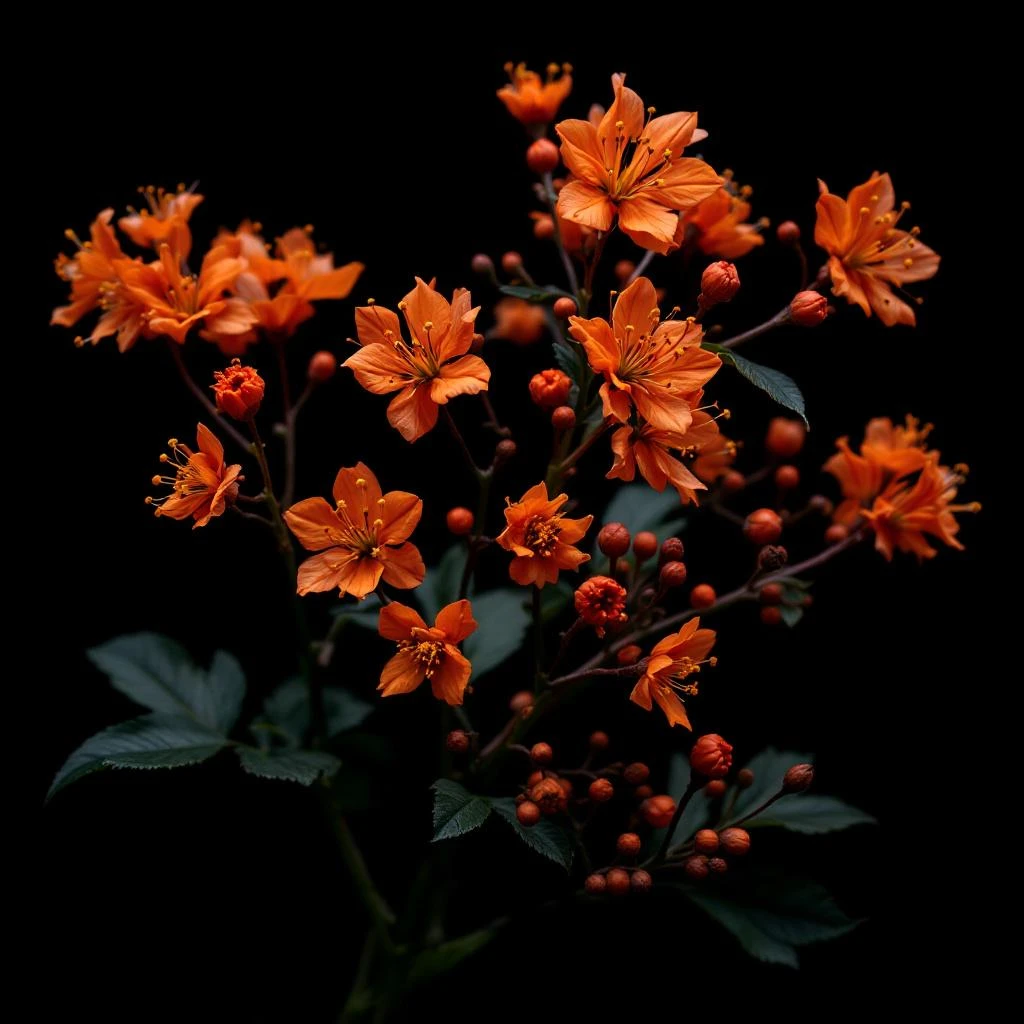
Magnolia grandiflora, native to the southeastern United States, and Michelia alba, found across Asia, are the two species most valued by perfumers. In Chinese tradition, the magnolia flower held symbolic meaning tied to purity and dignity.
European botanical illustration traditions began documenting magnolia species by the 1700s, and the flower's lush, creamy scent profile made it a natural candidate for perfumery once fragrance chemistry matured enough to capture its nuance. Today, magnolia remains a staple in the floral heart of fine fragrances, though its commercial extraction remains limited, making the scent one that many perfumers must build rather than distill.
Wears it best
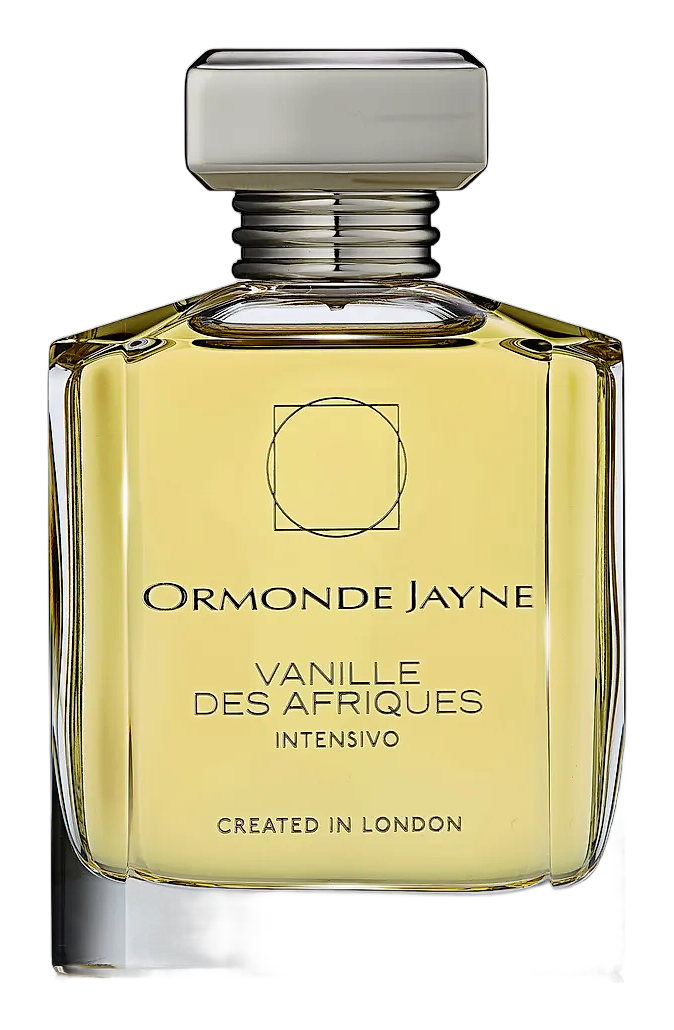
Fragrances featuring Magnolia bud
Brands
Brands known for Magnolia bud
Good to know
Questions, answered
The essentials on Magnolia bud in perfumery: how it smells, where it comes from, and how it behaves on skin.
Is magnolia oil extracted from the flower or the bud?
Neither is commercially viable. Magnolia flower oil is not produced industrially, so perfumers primarily use Magnolia leaf oil, with the bud note recreated through synthetic accord.
What compounds give magnolia its signature scent?
The creamy, buttery character comes from lactones and phenylethyl alcohol. The fresher, greener notes trace to pinenes and linalool present in both leaf and flower tissue.
Can magnolia scent be extracted directly from the bud?
In practice, no. Because commercial magnolia flower oil does not exist, the bud note must be built using isolated aromatic molecules or derived from Magnolia leaf oil.
What does magnolia bud smell like compared to the open flower?
The bud reads as greener and more restrained, with a waxy freshness. The open flower reveals deeper lactonic, creamy sweetness typical of magnolia's signature warmth.
Which magnolia species are used in perfumery?
Magnolia grandiflora from North America and Michelia alba from Asia contribute the most widely used aroma materials, particularly in fine fragrance.
Is Magnolia leaf oil a good proxy for magnolia bud?
It provides the fresh, fruity-floral base. Perfumers layer additional materials to approximate the tender, almost waxy quality of the unopened bud.
Why is magnolia flower oil not commercially available?
The yield is too low for industrial extraction. Steam distillation of Magnolia leaf in China remains the only routinely sourced natural material from the magnolia plant.
How do perfumers recreate magnolia bud when natural materials fall short?
They construct an accord blending linalool, phenylethyl alcohol, and green notes like cis-3-hexenol to evoke the bud's fresh, slightly sweet, lactonic character.