Madagascan Elemi
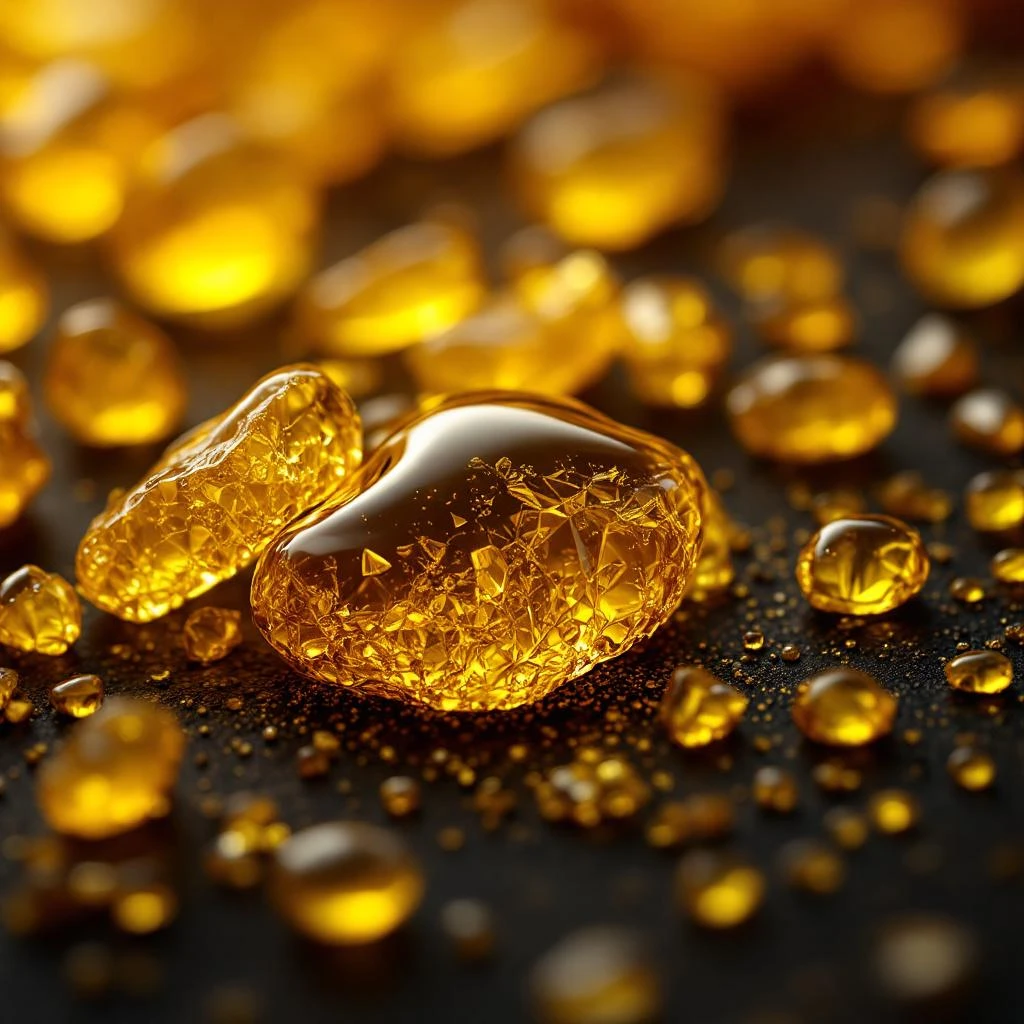
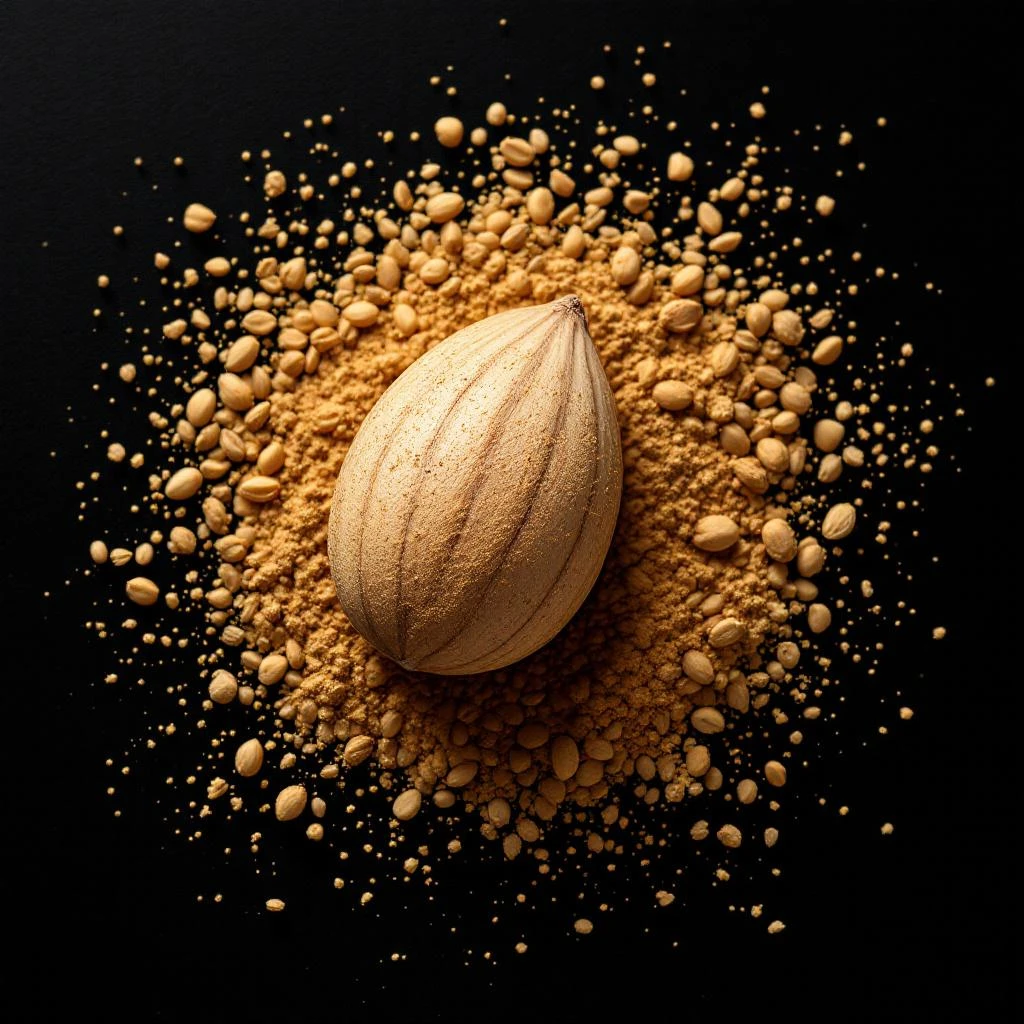
A luminous resin from the island's ancient forests, Madagascan elemi brings a crystalline citrus-resin warmth that elevates fragrances from within. Native to the island's humid interiors, this oleoresin has quietly shaped perfumery for centuries.

Character
How it smells
Madagascar's luminous citrus-resin treasure
Ancient Egyptian embalmers incorporated elemi resin in mummy wrappings—traces of elemicin have been identified in wrappings from the 18th Dynasty, circa 1550 BCE.



Origin
Madagascar
Elemi has traveled through millennia. Archaeological evidence shows ancient Egyptian embalmers used elemi resin in their preparations—traces of elemicin appear in mummy wrappings from the 18th Dynasty, roughly 1550 BCE. Arabic physicians later prescribed it for respiratory ailments, establishing it in the Mediterranean pharmacopeia.
The resin arrived in European perfumery through spice trade routes, though the Philippines long dominated supply. Madagascar now emerges as a significant source, its Canarium species producing resin with distinct regional character. Local communities harvest elemi using traditional methods passed through generations, maintaining a living link between ancient aromatic practices and contemporary perfumery.
The island's isolation has produced endemic Canarium varieties found nowhere else on earth.
Wears it best
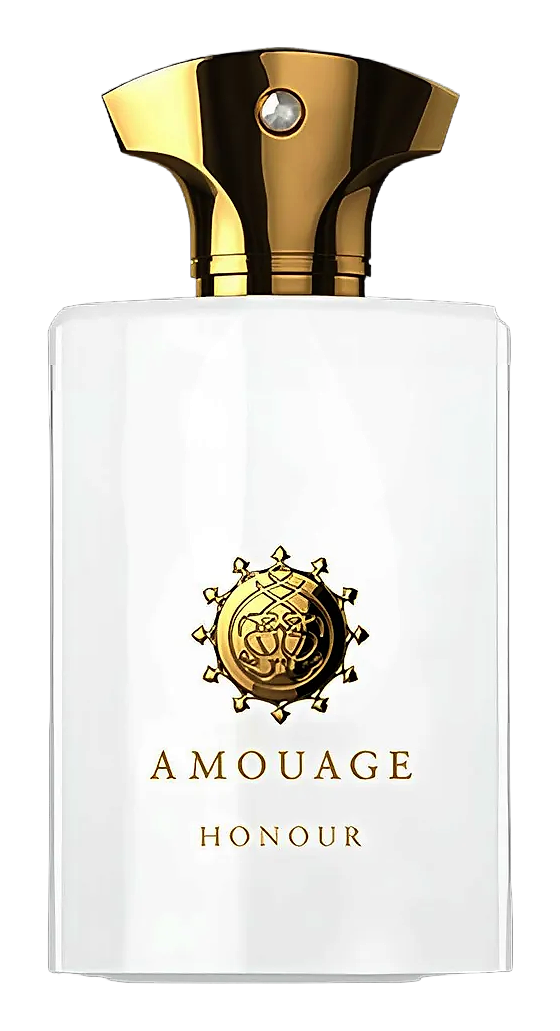
Fragrances featuring Madagascan Elemi
Brands
Brands known for Madagascan Elemi
Good to know
Questions, answered
The essentials on Madagascan Elemi in perfumery: how it smells, where it comes from, and how it behaves on skin.
What does Madagascan elemi smell like?
Elemi opens with bright, sharp citrus—imagine fresh lemon zest mixed with subtle frankincense warmth. The drydown reveals a balsamic, slightly piney character that lingers softly.
How is Madagascan elemi harvested?
Harvesters tap Canarium trees by making careful incisions in the bark. The trees slowly weep a pale resin, which collectors gather in bamboo tubes or clay dishes positioned beneath the cuts.
Is Madagascan elemi resin sustainable?
Yes. Tapping the bark causes no lasting damage, and the same trees produce resin for decades. Madagascar's community-based harvesting helps ensure long-term forest stewardship.
How does elemi function in fragrance composition?
Elemi acts as a bridge note, connecting bright citrus top notes with deeper woody or resinous base materials. It adds warmth, diffusion, and a natural complexity that reads as both fresh and grounded.
What distinguishes Madagascan elemi from other sources?
Regional terroir creates subtle variations in aroma profile. While Philippine Manila elemi set the industry standard, Madagascan elemi offers comparable quality with distinctive island character.
How long has elemi been used in perfumery?
European perfumers adopted elemi during the colonial era, though its aromatic use dates far earlier. Egyptian embalmers incorporated elemicin in mummy preparations by 1550 BCE, roughly 3,500 years ago.
Which fragrance families pair best with elemi?
Elemi works beautifully in fougères, woody-aromatic, and citrus-resinous compositions. It appears in men's and women's fragrances alike, particularly in designs seeking a natural, forest-floor quality.
Can elemi replace citrus in a formula?
Elemi provides citrus-like brightness but with added resinous depth that pure citrus oils lack. It works synergistically with actual citrus notes, amplifying and rounding their character.