Madagascan black pepper
The fiery berry that defined ancient trade routes. Madagascan black pepper carries the planet's oldest spice in a form that perfumers call one of the most electric top notes in modern fragrance.

Character
How it smells
The ancient spice that fires modern fragrance
Madagascar produces over 30,000 tonnes of black pepper annually, yet only a fraction enters perfumery as premium essential oil.



Origin
Madagascar
Piper nigrum originated in the Western Ghats mountain range of southwest India, where tribal communities used pepper as food preservation, medicine, and currency for thousands of years. The spice's universal appeal sparked maritime competition among Greeks, Romans, Arabs, and eventually Europeans. Arab traders concealed their sources for centuries, feeding European fascination with overland routes that would later motivate geopolitical expansion.
Portuguese explorer Vasco da Gama's 1498 arrival in Kerala marked the beginning of European direct access to pepper's origin, dramatically reducing prices in Mediterranean markets. Colonial powers soon scattered Piper nigrum across tropical regions worldwide, and Madagascar entered the global trade during the 19th century under French administration.
Colonial administrators established plantations along the island's eastern rainforest fringe, where humid, equable conditions proved ideal. Local farmers refined propagation techniques, growing vines from stem cuttings rather than seed to preserve desirable traits. By the mid-20th century, Madagascan black pepper had developed a reputation among European spice traders for its bold, consistent warmth.
The fragrance industry's interest in Madagascan black pepper emerged more recently, as natural perfumers sought ingredients that could convey warmth and energy without sweetness. Piper nigrum oil became a staple in men's and unisex compositions during the 1990s, valued for its ability to lift heavier base materials. Today, Madagascan pepper remains a reference point for quality among fragrance ingredient buyers.
Wears it best
Fragrances featuring Madagascan black pepper
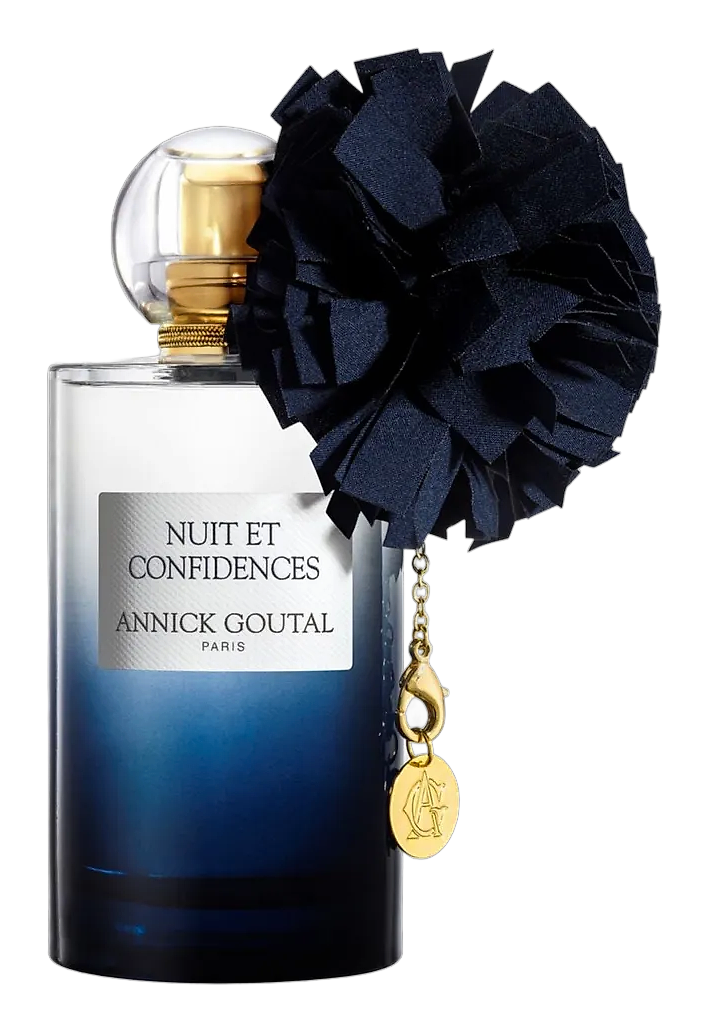
Brands
Brands known for Madagascan black pepper
Good to know
Questions, answered
The essentials on Madagascan black pepper in perfumery: how it smells, where it comes from, and how it behaves on skin.
What does Madagascan black pepper smell like in fragrance?
It smells sharp, warm, and woody with immediate辣 that settles into a clean, dry finish. The oil carries subtle camphoraceous undertones from its beta-caryophyllene content. Perfumers use it when they want a spice note that energizes a composition without adding sweetness.
What makes Madagascan black pepper distinct from other origins?
Madagascar's humid climate and volcanic soil produce berries with particularly high concentrations of certain sesquiterpenes. This gives the oil a notably warm, almost camphoraceous base note beneath the sharp, spicy punch. Ingredient buyers specifically request Madagascan origin when they want that characteristic deep warmth.
How does black pepper essential oil differ from culinary pepper?
Steam distillation extracts only the volatile aromatic molecules, concentrating them into a potent oil. Cooking pepper contains non-volatile plant material like starches and fibers. The fragrance version projects further and faster, capturing only what your nose perceives without the tactile bulk that registers on your tongue.
Why is steam distillation preferred for black pepper extraction?
Steam distillation works at temperatures below the boiling point of water, which protects delicate monoterpenes from thermal breakdown. Pepper's key scent compounds are volatile enough to evaporate with gentle heat but stable enough to survive the process intact. Solvent extraction would pull unwanted plant material, while cold-pressing could damage heat-sensitive constituents.
What role does beta-caryophyllene play in black pepper oil?
Beta-caryophyllene adds a subtle woody, slightly balsamic quality that rounds out pepper's sharp bite. It acts as a bridge between the initial spicy punch and the longer-lasting woody base notes. It registers as warmth rather than additional heat, giving the oil more dimension and persistence in finished fragrances.
How much black pepper oil comes from a single plant?
A mature Piper nigrum vine yields approximately 3 to 5 kilograms of dried berries annually. Each kilogram produces only 10 to 15 milliliters of essential oil through steam distillation. A single plant therefore generates roughly 30 to 75 milliliters of oil per year, though quality varies with growing conditions and harvest timing.
Which fragrance families pair well with black pepper?
Black pepper integrates naturally with citrus, woods, leather, and other spices. It amplifies the brightness of bergamot and grapefruit while enriching the depth of sandalwood and cedar. It works equally well in fresh colognes and smoky evening compositions, making it versatile across gender categories.
Can synthetic alternatives fully replace natural black pepper oil?
Synthetic pepper molecules exist, but natural oil retains advantages in complexity. Natural black pepper contains trace compounds beyond the primary aromatic constituents that add depth synthetics cannot fully replicate. Many natural perfumers prefer the real material when available and budget allows.