Litchi Blossom
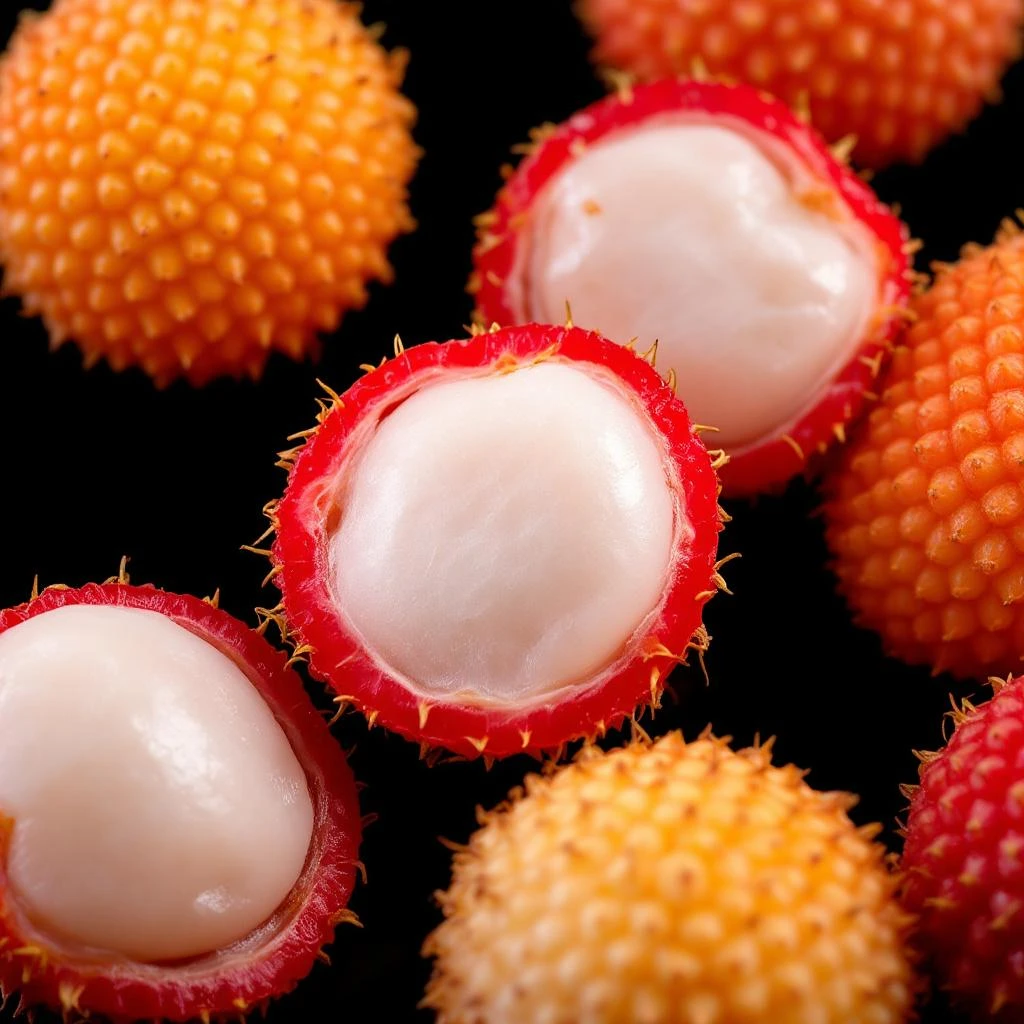
Litchi Blossom captures the ephemeral scent of a fruit Chinese emperors once reserved for royalty. This translucent, shimmering note blends rosy sweetness with a watery, tropical freshness. Modern perfumery reconstructs its delicate aroma from precise aromatic molecules, creating a sparkling top note that evokes sunlit orchards and pearl-like fruit.
Character
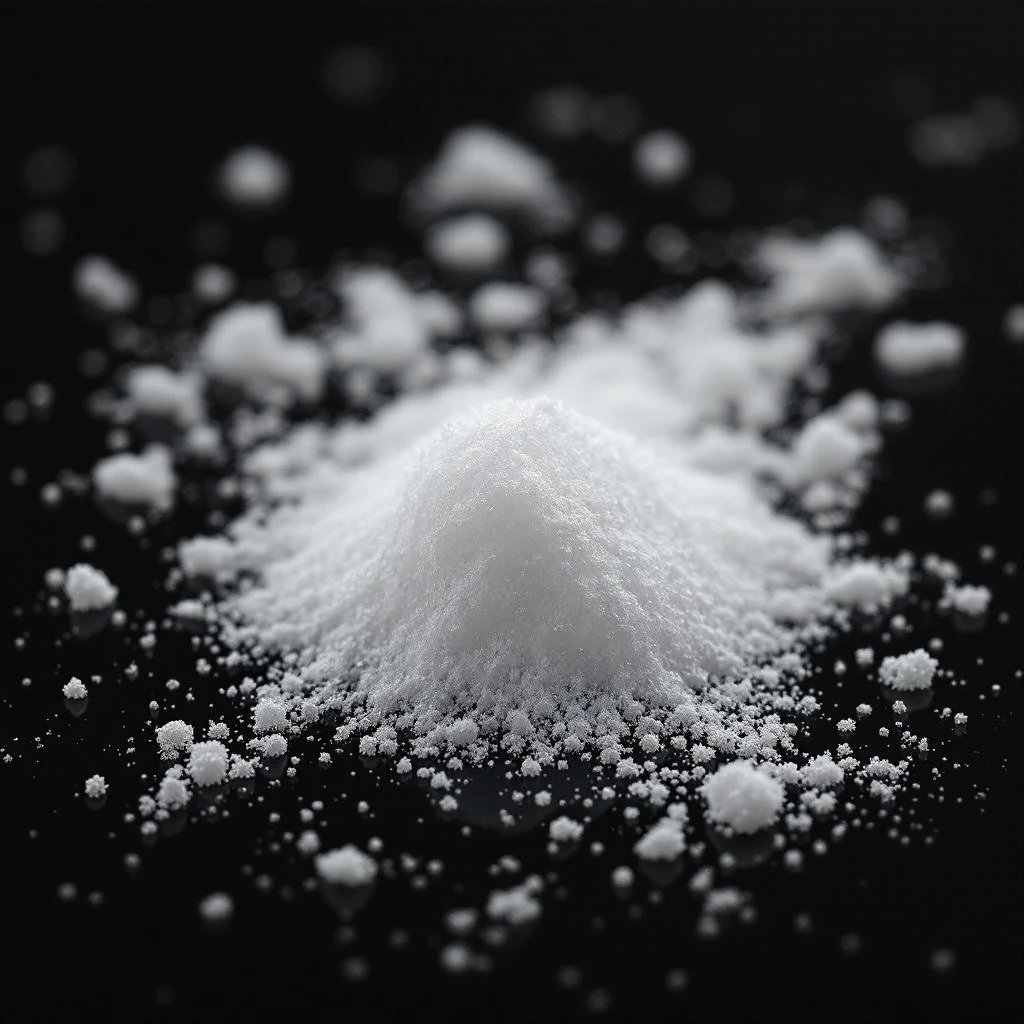
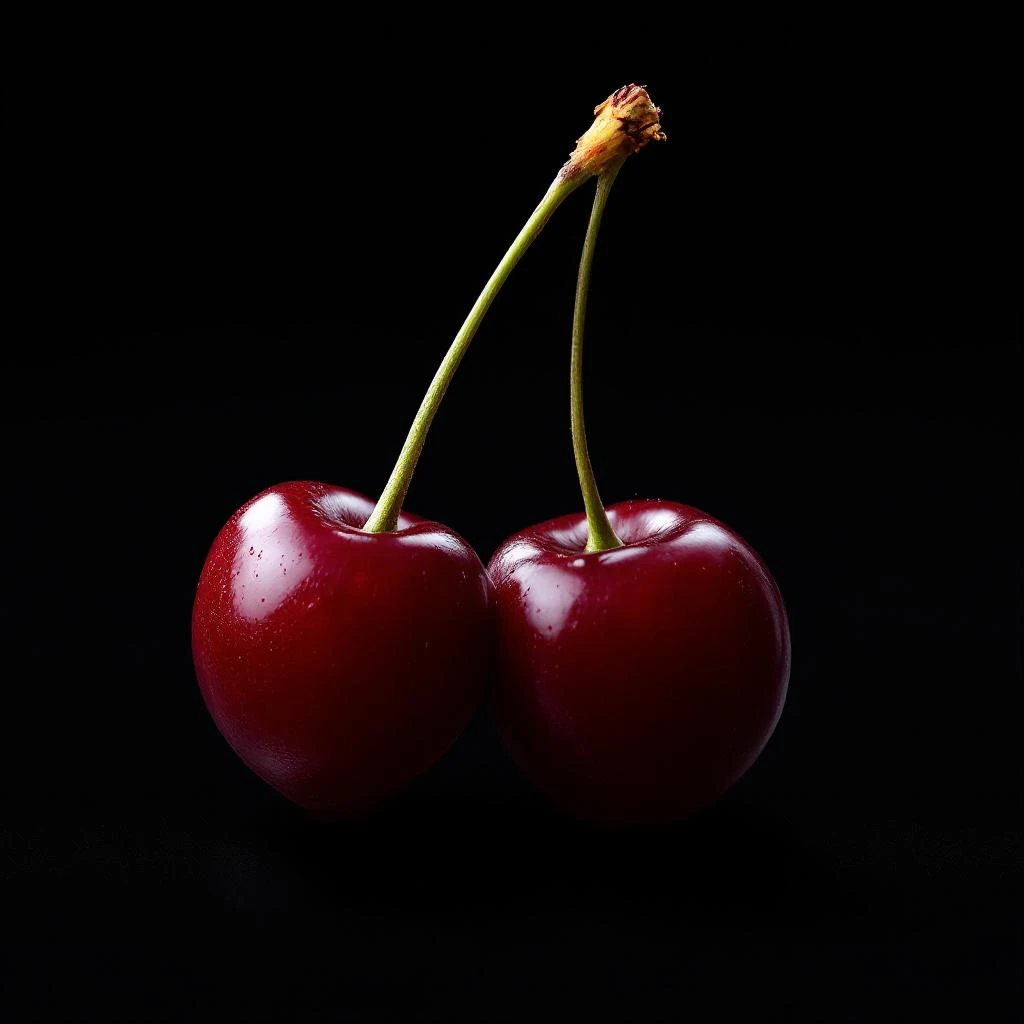
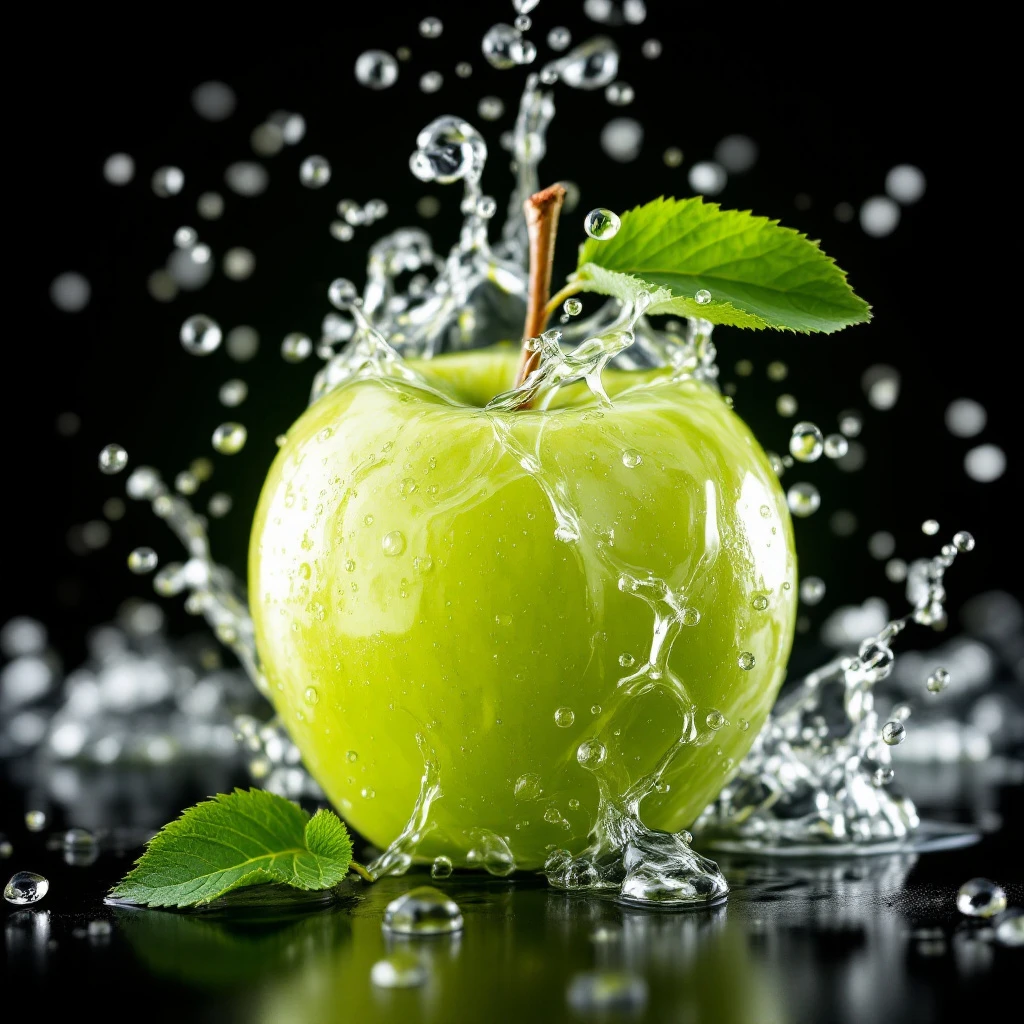
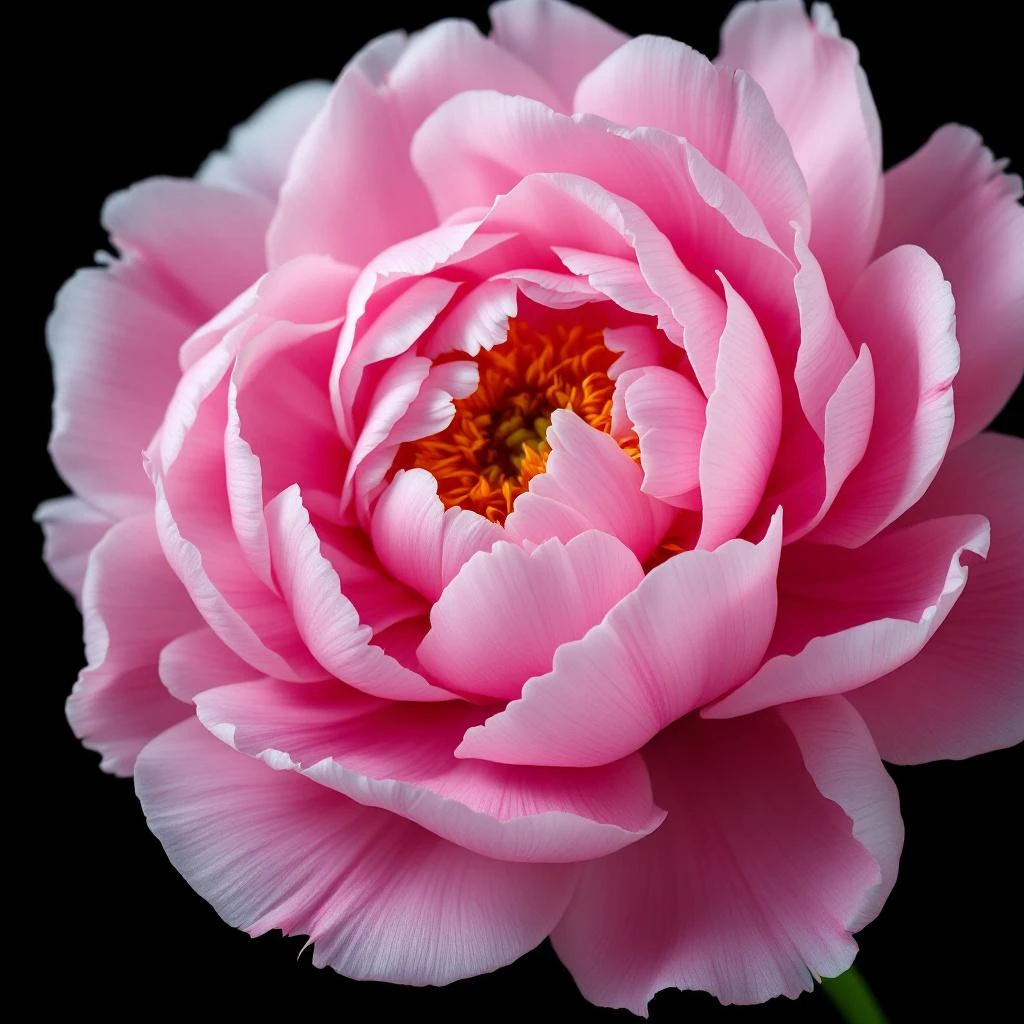
How it smells
A shimmering tropical bloom with pearlescent sweetness.
Chinese records from 111 B.C. document lychee cultivation for Emperor Han Wudi, making it one of perfumery's oldest documented fruit notes.


Origin
China
Litchi originated in southern China, with cultivation documented as early as 111 B. C. in records from Emperor Han Wudi's court.
The fruit held prestigious status in Chinese culture, appearing in imperial records and symbolizing wealth and good fortune. During the Tang Dynasty, lychee became synonymous with imperial luxury, famously linked to Emperor Xuanzong and his consort Yang Guifei, who craved the delicate fruit despite its perishability. Cultivation spread gradually through Southeast Asia, reaching India, Thailand, Vietnam, and eventually Madagascar and South Africa.
Today, around 20 countries produce litchi commercially, though Guangdong, Fujian, and Hainan provinces in China remain the historical heartland. As a perfumery material, litchi emerged as a recognized note only in recent decades, gaining popularity as synthetic chemistry enabled accurate reconstruction of its complex, ephemeral scent profile.
Wears it best
Fragrances featuring Litchi Blossom
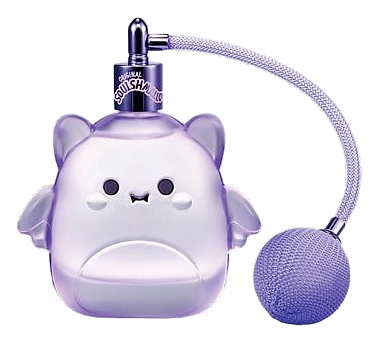
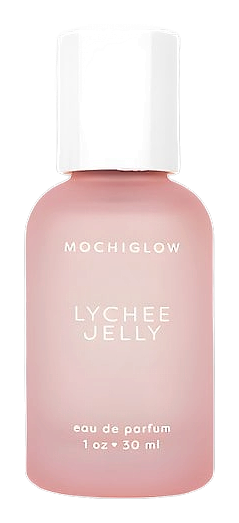
Brands
Brands known for Litchi Blossom
Good to know
Questions, answered
The essentials on Litchi Blossom in perfumery: how it smells, where it comes from, and how it behaves on skin.
What does litchi smell like in perfume?
Litchi combines floral sweetness with watery freshness and tropical undertones. Its scent profile features rosy, pear-like nuances with a translucent, sparkling quality. The note reads as both floral and fruity, creating an impression of sunlit fruit at peak ripeness. Perfumery synthetics capture this delicate balance precisely.
Is litchi a natural perfume ingredient?
No pure natural litchi absolute exists at commercial scale. The characteristic scent comes from specific aromatic molecules like cis-rose oxide, which perfumers synthesize or derive from other natural sources. This synthetic approach enables consistent reproduction of the delicate litchi character across fragrance batches.
How do perfumers create the litchi note?
Perfumers build litchi accords from synthetic aroma compounds including cis-rose oxide and cyclamen aldehydes. They layer these materials to reconstruct the fruit's watery-floral scent profile. Modern aroma chemistry allows precise tuning from light and transparent to rich and concentrated effects.
Why does litchi have historical significance in perfumery?
Litchi cultivation first appeared in Chinese records from 111 B.C., during Emperor Han Wudi's reign. The fruit held imperial status for centuries before reaching perfumery. This ancient heritage gives litchi a sense of historical depth uncommon among modern fragrance materials.
Where does litchi grow naturally?
Litchi thrives in subtropical climates, primarily in southern China where cultivation began. Guangdong, Fujian, and Hainan provinces remain primary production zones. India, Thailand, Vietnam, Madagascar, and South Africa now share global cultivation across approximately 20 countries.
What makes litchi distinctive among fragrance notes?
Litchi offers a rare combination of floral sweetness and watery freshness. Its scent profile bridges fruit and flower categories, creating a translucent, sparkling impression. Few natural materials match this specific balance, making litchi a distinctive choice for bright, modern fragrances.
Which fragrance notes pair well with litchi?
Litchi harmonizes naturally with rose, peony, jasmine, and magnolia for classic floral compositions. It pairs equally well with marine notes, musk, and white woods for contemporary effects. The note adapts easily across fragrance families from romantic to sporty.
How common is litchi in modern perfumery?
Litchi became a recognized perfumery material only in recent decades. Synthetic versions emerged in the late 20th century, enabling broader use. Today, litchi appears frequently in feminine and unisex fragrances, particularly in bright summer compositions and modern florals.