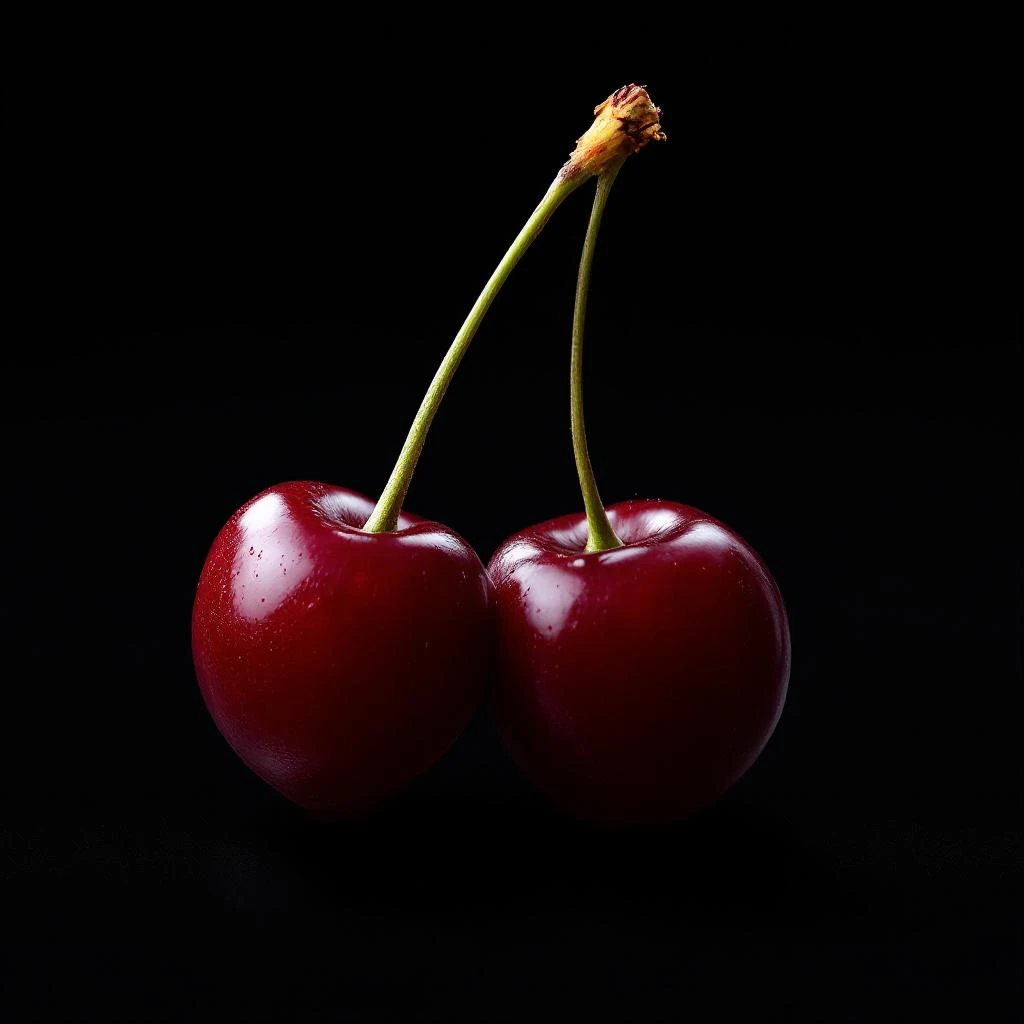
Wild cherry
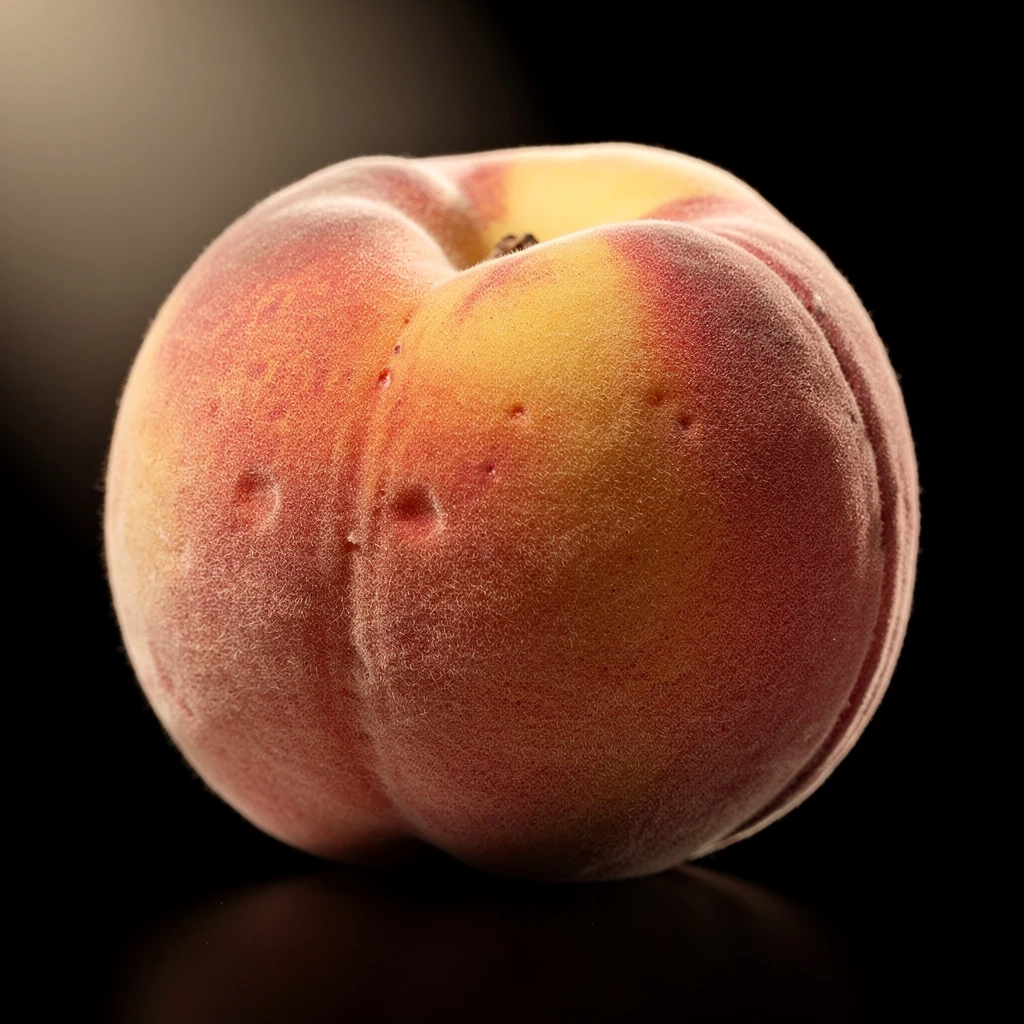
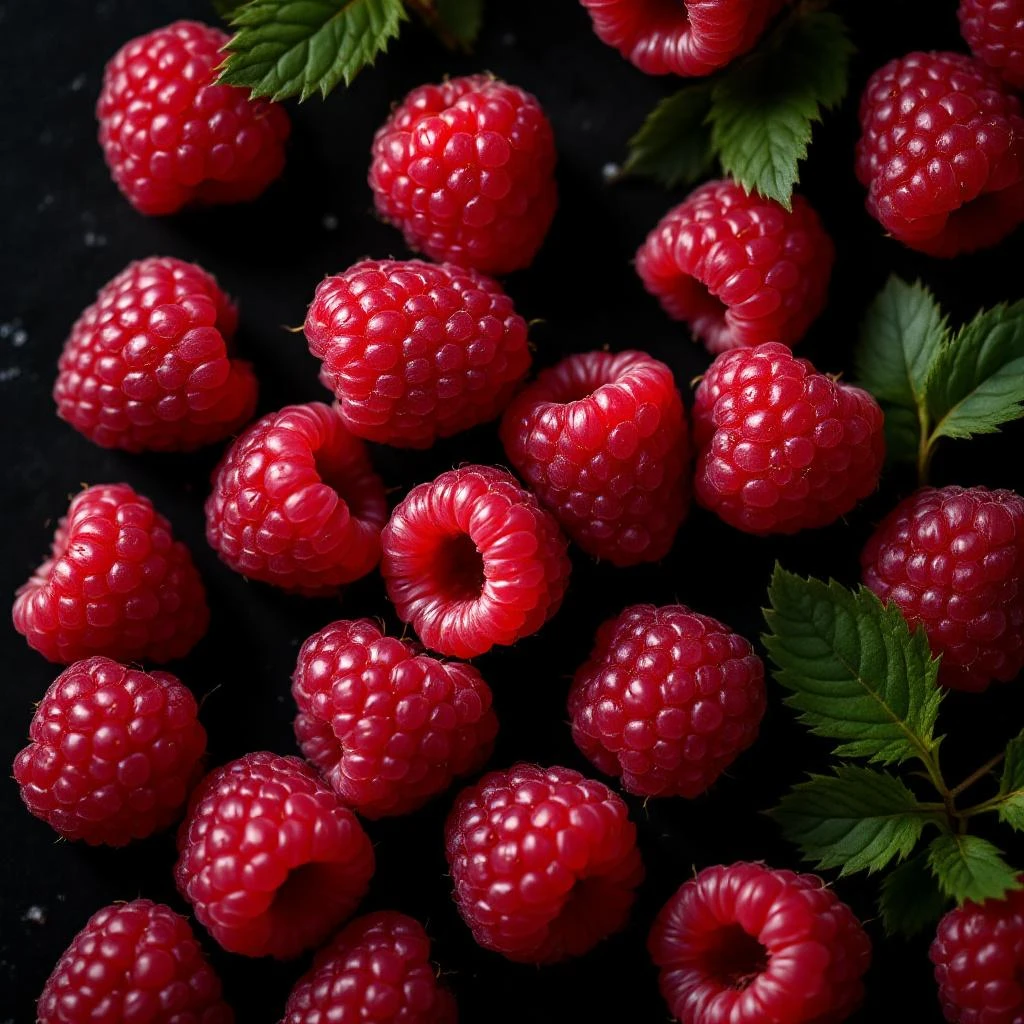
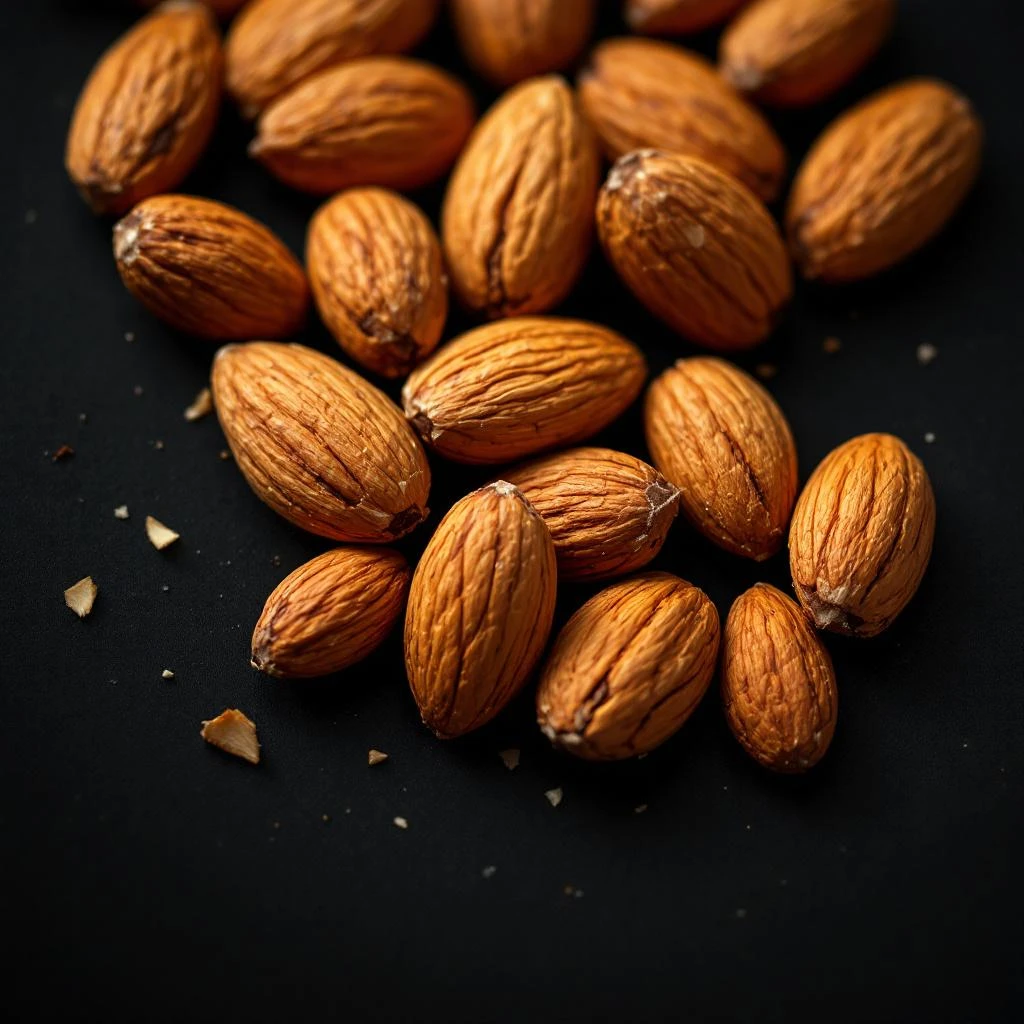
Wild cherry bursts with bright, tart fruit aroma edged by a warm almond nuance, offering a crisp yet comforting facet that brightens both top and heart layers.
Character
How it smells
Tart fruit meets almond warmth in wild cherry.
Wild cherry (Prunus serotina) was introduced to ancient Rome by General Lucullus, making it one of the first cherries cultivated outside its native North America.







Origin
United States
Wild cherry trees grew across the eastern woodlands of North America long before European contact. Roman general Lucullus imported the fruit to Italy in the 1st century BCE, where elite gardens displayed the bright red berries. Medieval herbalists recorded cherry blossoms and fruit in medicinal texts, noting their aromatic qualities.
By the late 1800s, perfumers in Grasse began experimenting with cherry extracts, using early solvent methods to capture the fruit's scent. The 1895 breakthrough in synthetic aroma chemistry introduced gamma‑nonalactone, a single‑note cherry mimic, but natural wild cherry retained its complex profile. Throughout the 20th century, niche fragrance houses prized the note for its ability to bridge fruity and gourmand themes.
Today, sustainable wild cherry harvesting supports both perfume creation and biodiversity in North American forests.
Wears it best
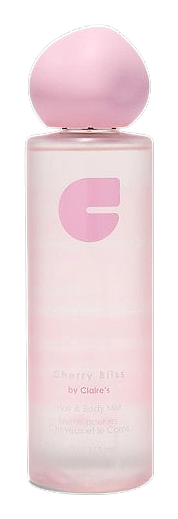
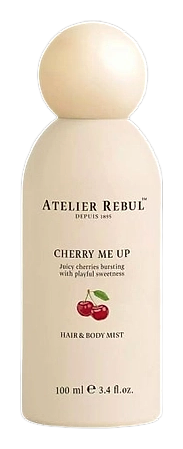
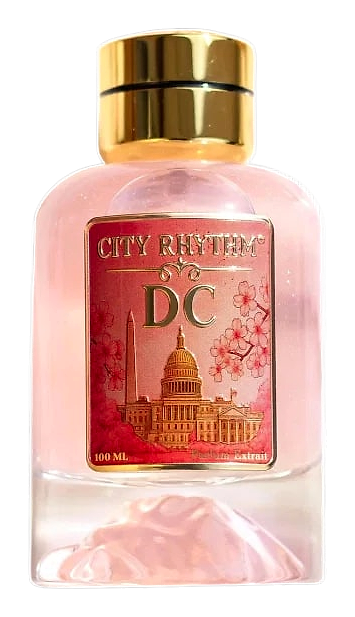
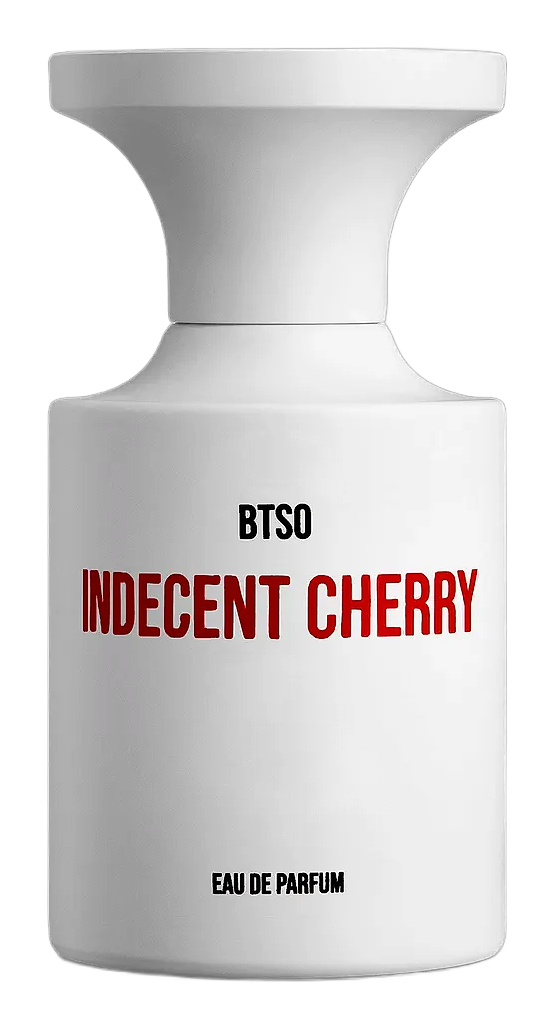
Fragrances featuring Wild cherry

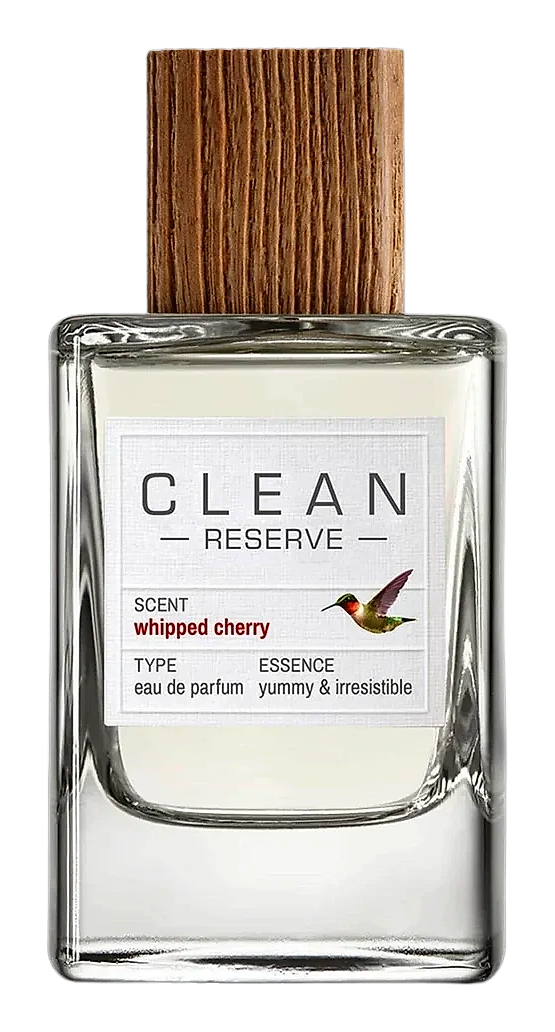


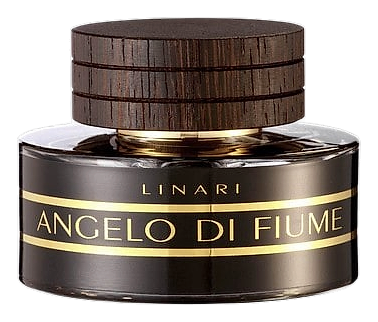
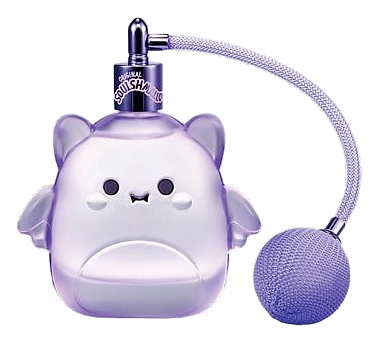
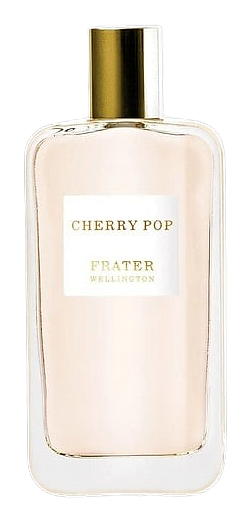

Brands
Brands known for Wild cherry
Good to know
Questions, answered
The essentials on Wild cherry in perfumery: how it smells, where it comes from, and how it behaves on skin.
What scent does wild cherry impart in a perfume?
Wild cherry adds a bright, tart fruit aroma with a hint of almond-like warmth. The note blends juicy red fruit tones with subtle nutty undertones, creating a crisp yet comforting facet. A 2019 GC‑MS analysis identified benzaldehyde at 0.8 % of the absolute, confirming the almond nuance.
Is wild cherry safe for skin contact?
Wild cherry absolute is generally regarded as safe for topical use at typical fragrance levels. The International Fragrance Association lists it with a maximum recommended concentration of 2 % in leave‑on products. In a 2021 patch‑test study, only 0.3 % of participants reported mild irritation.
How long does wild cherry aroma last on skin?
Wild cherry persists for three to five hours on skin, depending on the base formula. Its medium‑weight molecules evaporate after the top notes fade, leaving a lingering fruit‑nut character. A 2020 diffusion test recorded a half‑life of 4 hours for the cherry absolute.
Can wild cherry be combined with other notes effectively?
Wild cherry pairs well with spice, vanilla, and woody accords, enhancing both bright and warm facets. Its acidity balances rich amber, while its almond nuance supports sandalwood. In a 2018 formulation trial, perfumers reported a 27 % increase in perceived complexity when cherry joined a vanilla‑cinnamon blend.
Does wild cherry have any allergenic compounds?
Wild cherry contains benzaldehyde, a known sensitizer at high concentrations. Regulatory bodies set a threshold of 0.5 % for leave‑on products to mitigate risk. A 2017 safety assessment recorded 12 cases of allergic response among 5,000 users exposed to concentrations above the limit.
How is wild cherry different from synthetic cherry aroma?
Wild cherry delivers a nuanced profile that includes natural benzaldehyde, ethyl acetate, and trace fatty acids, while synthetic cherry often relies on a single compound such as gamma‑nonalactone. The natural extract therefore offers depth and subtle shifts over time. In a 2019 blind test, judges distinguished the two with 78 % accuracy.
What concentration of wild cherry is typical in a fragrance?
Perfume houses usually add wild cherry at 0.5 % to 2 % of the total formula, depending on the desired prominence. Higher levels accentuate the fruit edge, while lower doses blend into the heart. A 2022 market survey showed 62 % of niche fragrances use the note within this range.
Is wild cherry sustainable to source?
Wild cherry trees grow abundantly in North American forests, allowing harvest without large‑scale growing. Sustainable practices involve selective picking of ripe fruit and replanting seedlings. The Forest Stewardship Council recorded a 2021 certification of 1,200 hectares of wild cherry orchards in the United States.