Licorice liqueur
From ancient Egyptian remedies to modern niche perfumery, licorice root brings an unmistakable depth: sweet, warm, and quietly medicinal. Its characteristic anisic warmth adds complexity that intrigues rather than dominates, making it a secret weapon in the perfumer's palette.
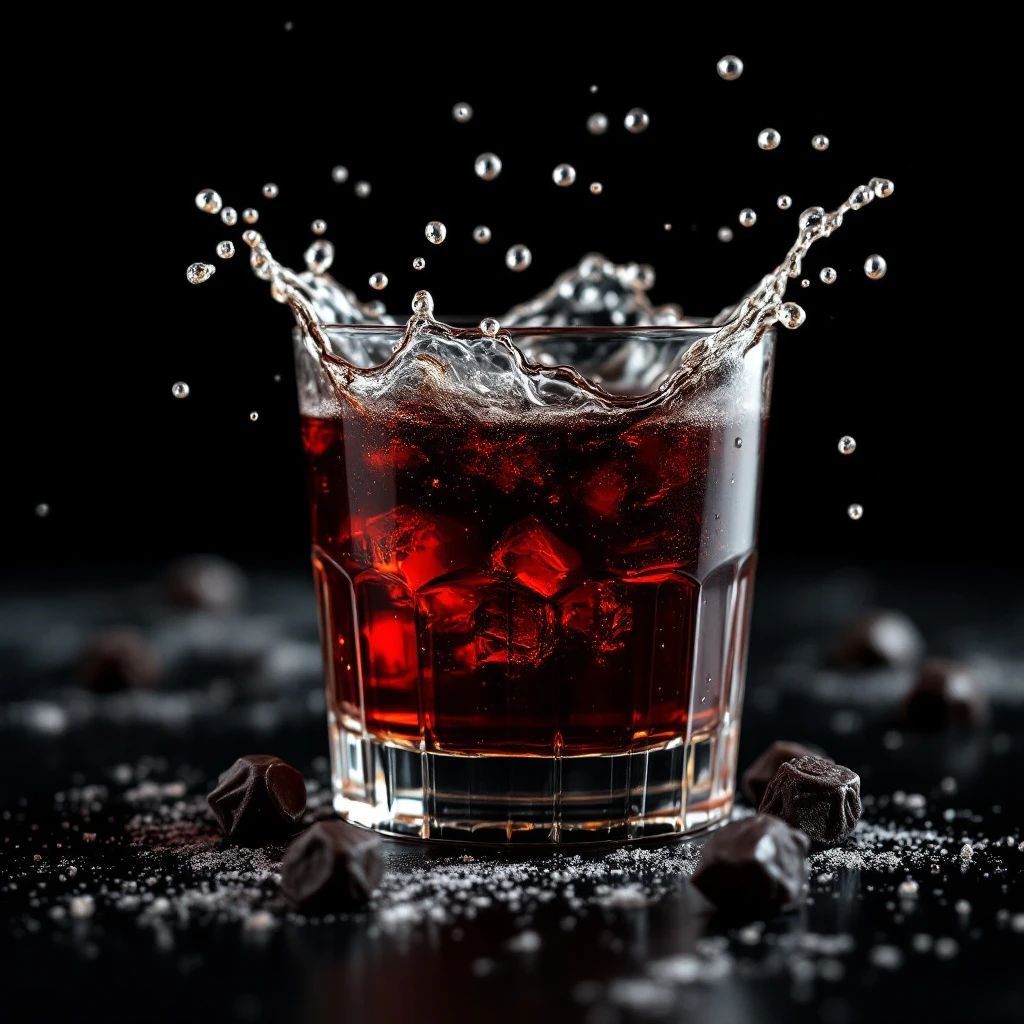
Character
How it smells
Sweet, warm, and quietly medicinal.
The name 'licorice' comes from Greek roots meaning 'sweet root' — the root glycyrrhizin tastes roughly 50 times sweeter than sugar.




Origin
Turkey
Licorice's role in fragrance stretches back thousands of years, evolving from medicinal applications to a prized perfumery ingredient. Ancient Egyptians documented licorice in tomb hieroglyphs and used it as a healing remedy, while Hippocrates referenced its therapeutic uses. The Greeks and Romans equally valued the root for its sweetness and supposed health benefits.
Traditional Chinese medicine also incorporated licorice, where it remains a foundational ingredient called gan cao. As perfumery developed from artisanal craft into an organized industry, licorice transitioned from apothecary shelves into fragrance laboratories. The 19th century brought systematic extraction methods that allowed perfumers to isolate and study licorice's aromatic properties.
Today, licorice appears across fragrance families, from oriental compositions to fresh fougeres, valued for its ability to bridge bright top notes with deeper base register warmth.
Wears it best
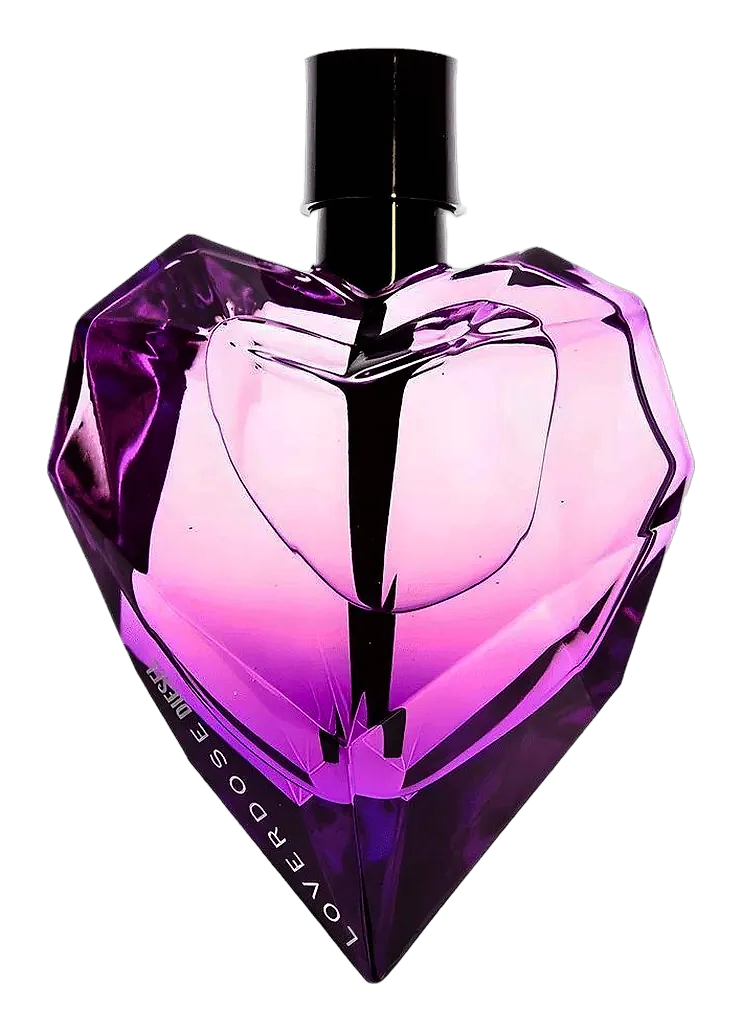
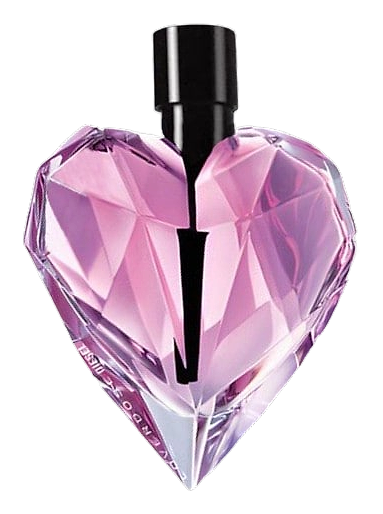
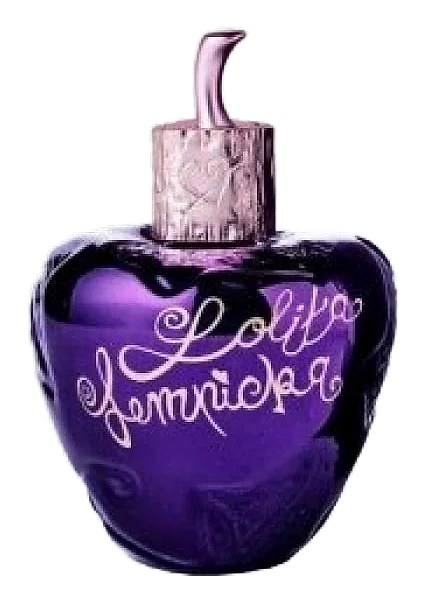
Fragrances featuring Licorice liqueur
Brands
Brands known for Licorice liqueur
Good to know
Questions, answered
The essentials on Licorice liqueur in perfumery: how it smells, where it comes from, and how it behaves on skin.
What does licorice smell like in perfumery?
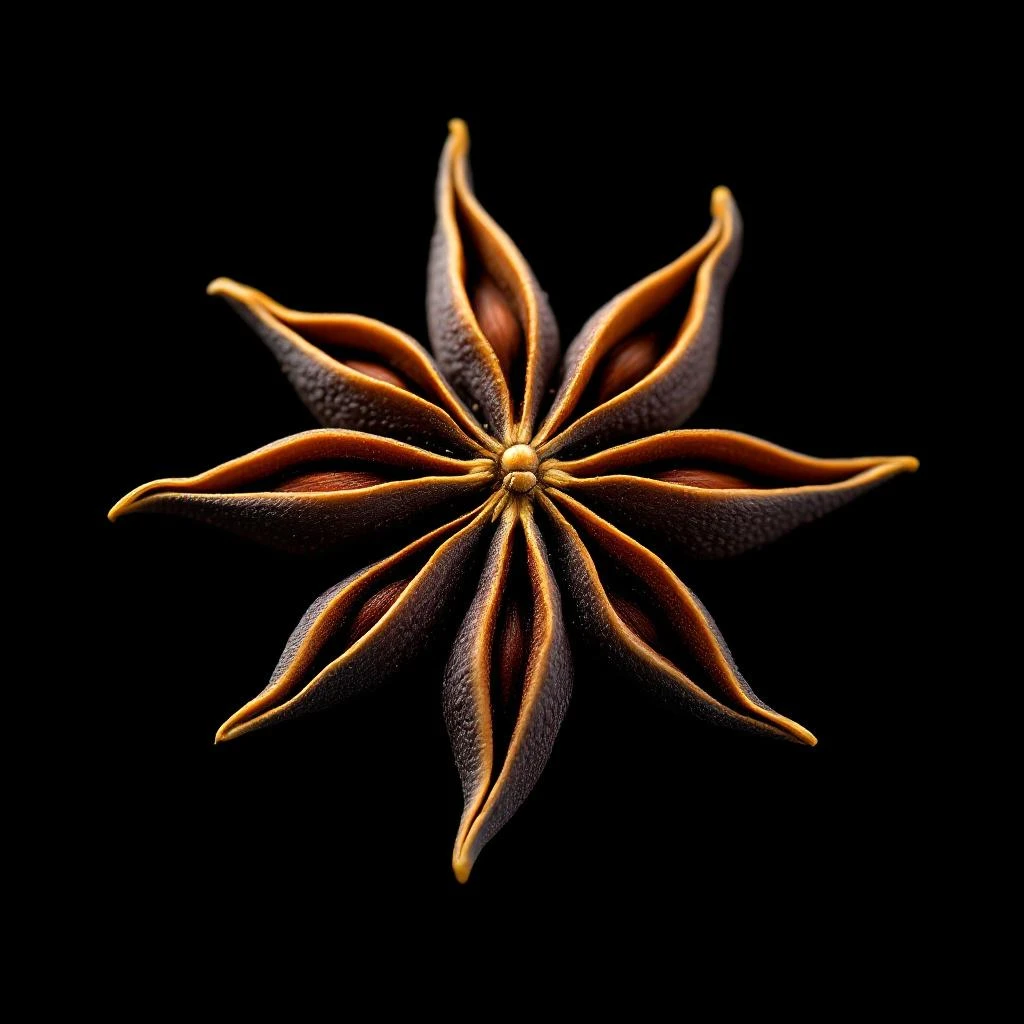
Licorice delivers a sweet, warm, and slightly medicinal scent profile. Its characteristic anisic quality creates an impression similar to star anise but softer and more nuanced, with subtle dry, almost woody undertones. The effect is comfortingly familiar yet distinctive enough to intrigue.
How is licorice used in fragrance composition?
Licorice works as both a bridge and a base note. Perfumers use it to add depth and sweetness without heaviness, often layering it with vanilla, tonka, or benzoin. Its tenacity means it lingers in the dry-down, anchoring lighter top notes and providing lasting warmth.
What ingredients pair well with licorice?
Licorice harmonizes naturally with vanillin-rich materials like vanilla and tonka. It also complements resins such as benzoin and styrax, as well as aromatic herbs like thyme and lavender. In oriental compositions, it pairs beautifully with amber and sandalwood.
Is licorice a natural or synthetic perfumery ingredient?
Licorice exists in both forms. Natural licorice absolute comes from Glycyrrhiza glabra roots via solvent extraction. Synthetic versions typically use trans-anethole or specially formulated accord bases that replicate the sweet, anisic character. Many fragrances use synthetic options for consistency and cost efficiency.
What is the historical significance of licorice in perfumery?
Licorice has ancient roots in Egyptian medicine, Greek healing traditions, and Traditional Chinese Medicine. It moved from therapeutic applications into perfumery during the 19th century as extraction techniques improved. This transition from medicine to luxury fragrance reflects a broader pattern in perfumery history.
Which fragrance families feature licorice most prominently?
Oriental fragrances showcase licorice most frequently, using its warmth to enhance amber and vanilla compositions. It also appears in fougeres, where its sweet-anisic quality balances herbal and mossy elements. Certain gourmand fragrances feature licorice prominently as a distinctive character note.
Are there safety considerations when using licorice in perfumery?
Licorice absolute appears on IFRA compliance lists with specific usage restrictions depending on the application. These guidelines ensure consumer safety in finished products. Professional perfumers follow established standards, and certified natural absolutes undergo purity testing before formulation.
What countries produce the best licorice for perfumery?
Turkey leads global licorice production, followed by China, Uzbekistan, and Iran. The Mediterranean climate and soil conditions in these regions produce Glycyrrhiza glabra roots with optimal glycyrrhizin content. Spanish licorice also has a historical reputation for quality in both culinary and aromatic applications.