Latakia tobacco
Latakia tobacco delivers a distinctive smoky-leathery character prized in perfumery. Originally from Syria, this fermented leaf ingredient now hails from Cyprus, bringing warm, resinous depth to men's fragrances and beyond.
Character
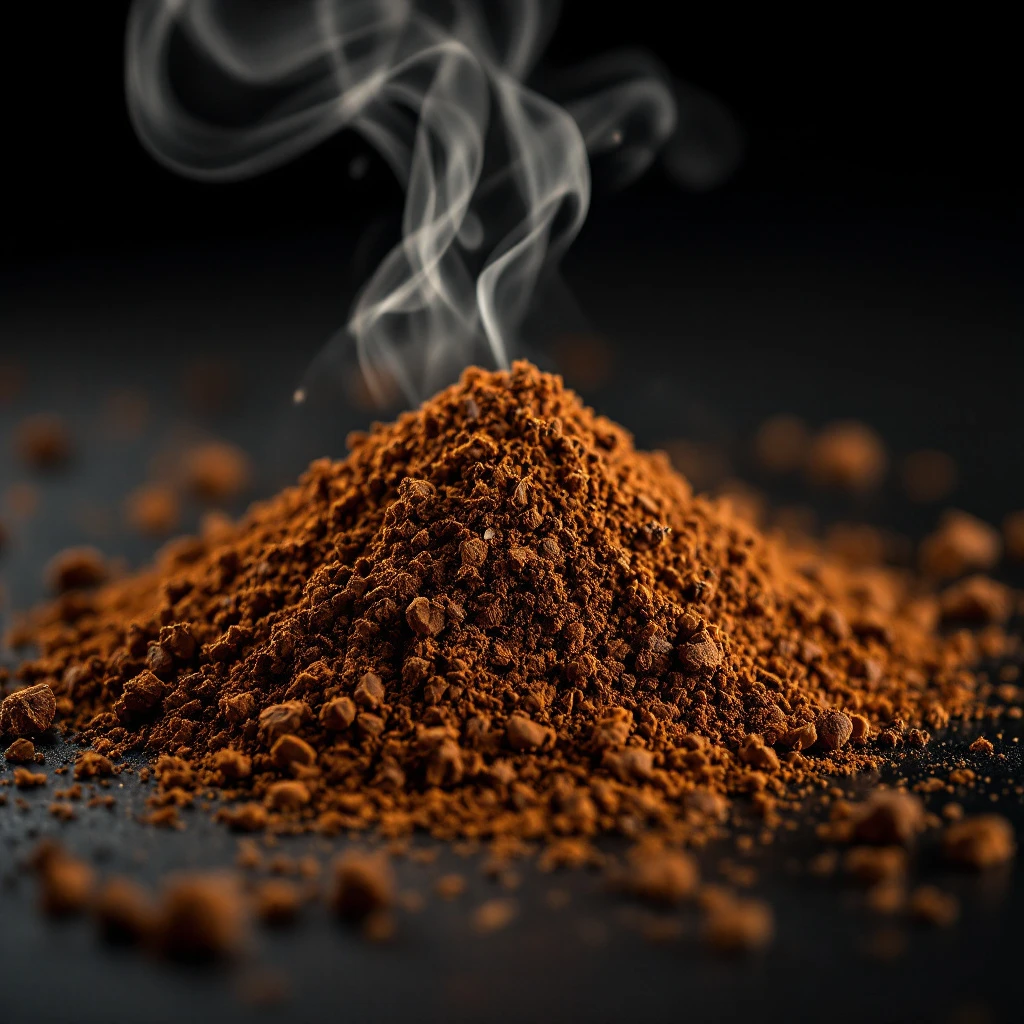
How it smells
Smoky, leathery, and unforgettable.
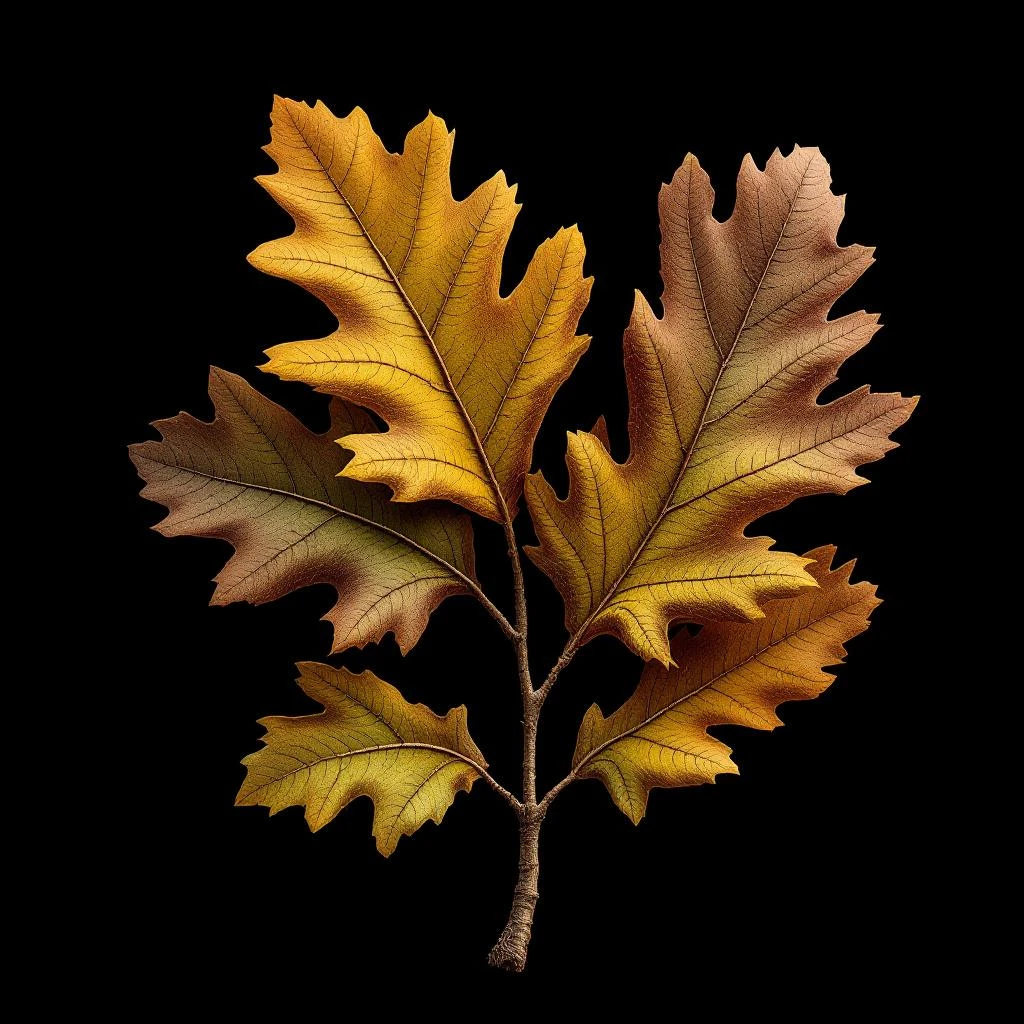
This Syrian-born tobacco gets its signature smoky note from centuries-old fermentation techniques, originally popularized by UK pipe tobacco blenders, giving rise to the term English blend.





Origin
Syria
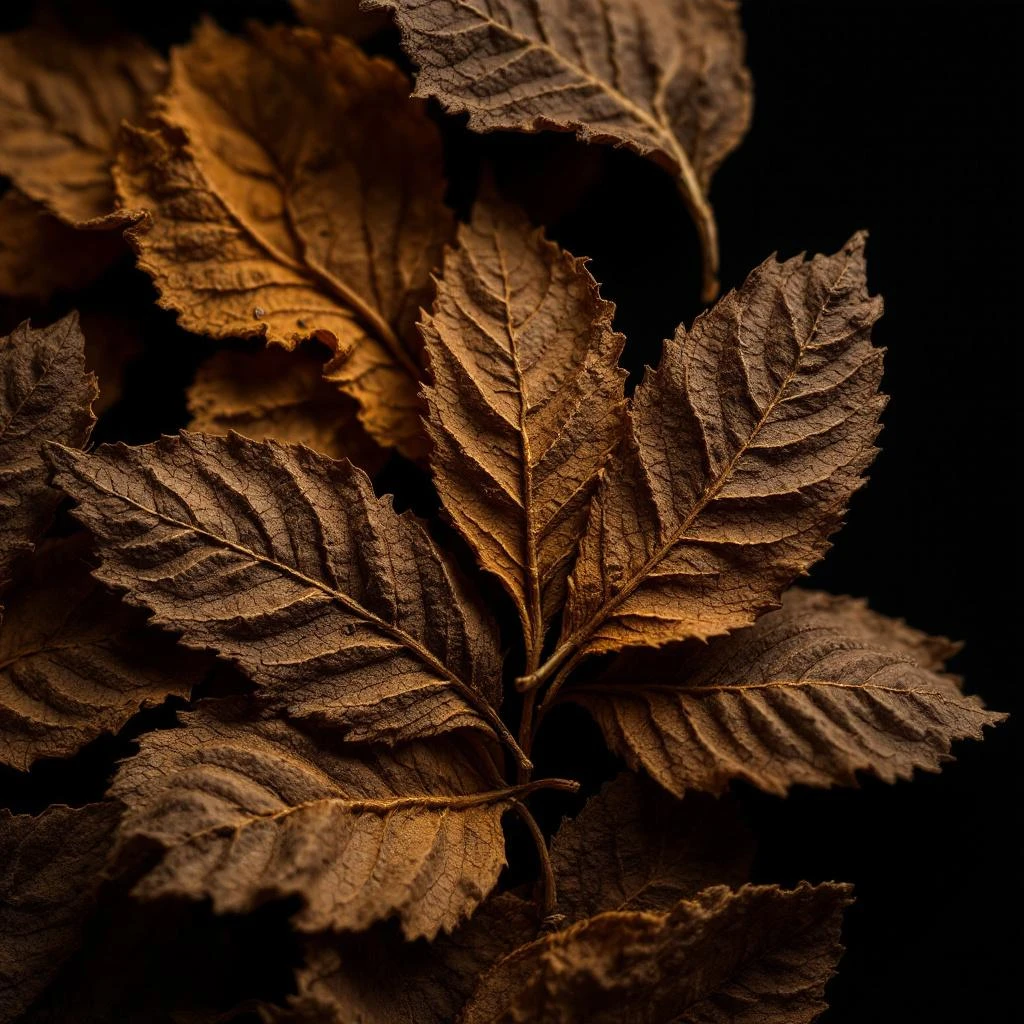
Named after the ancient Syrian port city of Latakia, this tobacco variety emerged as a premium blending component in the Ottoman-era Mediterranean during the 19th century. Early English pipe tobacco manufacturers adopted it heavily, which explains why blends featuring Latakia became known as English mixtures.
The city served as the primary trading hub for centuries. However, Syrian conflict forced large-scale production to relocate permanently to Cyprus, where growers have maintained traditional methods using local sun and clay pit fermentation.
Cypriot-grown Latakia now represents the primary source for perfumers worldwide. The ingredient endures as a marker of warmth, comfort, and artisanal craft in modern fragrance composition.
Wears it best
Fragrances featuring Latakia tobacco

Brands
Brands known for Latakia tobacco
Good to know
Questions, answered
The essentials on Latakia tobacco in perfumery: how it smells, where it comes from, and how it behaves on skin.
What does Latakia tobacco smell like?
Latakia tobacco delivers smoky, leathery, and slightly sweet aromas. The leaf develops characteristic bonfire-like warmth during fermentation, paired with resinous depth and earthy undertones that feel both bold and comforting.
Where does Latakia tobacco come from?
Latakia originated in Syria near the city of Latakia. Large-scale production relocated permanently to Cyprus following Syrian conflict, though the traditional name and methods persist. Cypriot Latakia now dominates the perfumery supply.
How is Latakia tobacco used in perfumery?
Perfumers use Latakia tobacco absolute in base notes for warmth and depth. It appears most often in men's fragrances, particularly fougeres, chypres, and orientals. It pairs naturally with vanilla, coumarin, and woody materials.
What makes Latakia tobacco different from other tobacco notes?
Unlike Virginia or Oriental tobaccos that offer sweet hay or spice, Latakia carries a distinctive smoky-leathery signature. This comes from the unique fermentation process using clay pits and prolonged sun-curing unique to this variety.
Is Latakia tobacco natural or synthetic?
Natural Latakia tobacco absolute comes from fermented Nicotiana tabacum leaves via solvent extraction. Some perfumers also reconstruct its key odorants synthetically for cost consistency, though the natural material remains prized.
Why is Latakia associated with English blends?
British pipe tobacco manufacturers adopted Latakia heavily in the 19th century as a key blending component. Blends containing significant Latakia became classified as English mixtures, a naming convention that persists in both tobacco and perfume contexts.
What fragrances feature Latakia tobacco prominently?
Classic men's fragrances from houses like Caron, Guerlain, and Penhaligon's have featured Latakia for decades. Contemporary interpretations continue this tradition in masculine orientals and aromatic fougeres where its smoky character anchors the drydown.
Does Latakia tobacco contain vanillin?
Latakia tobacco contains naturally occurring vanillin among its many constituents, contributing to the sweet-creamy undertones that balance its smoky character. Synthetic vanillin is often added in perfumery to emphasize this facet.