Kyoto rose
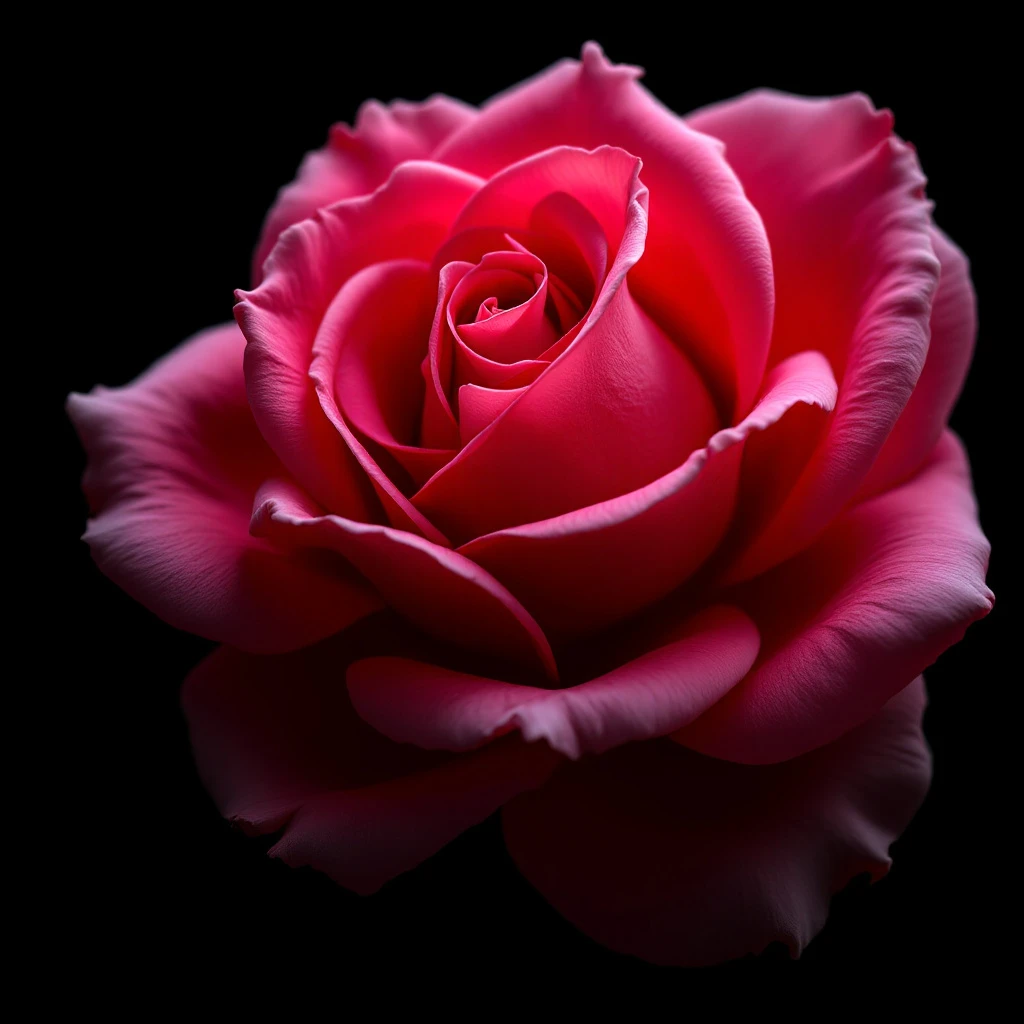
Kyoto rose distills the quiet elegance of Japanese perfumery. Cultivated from Rosa rugosa in the ancient capital's gardens, it offers a sharper, greener, more contemplative rose than its Opoponax-rich Middle Eastern cousins.
Character
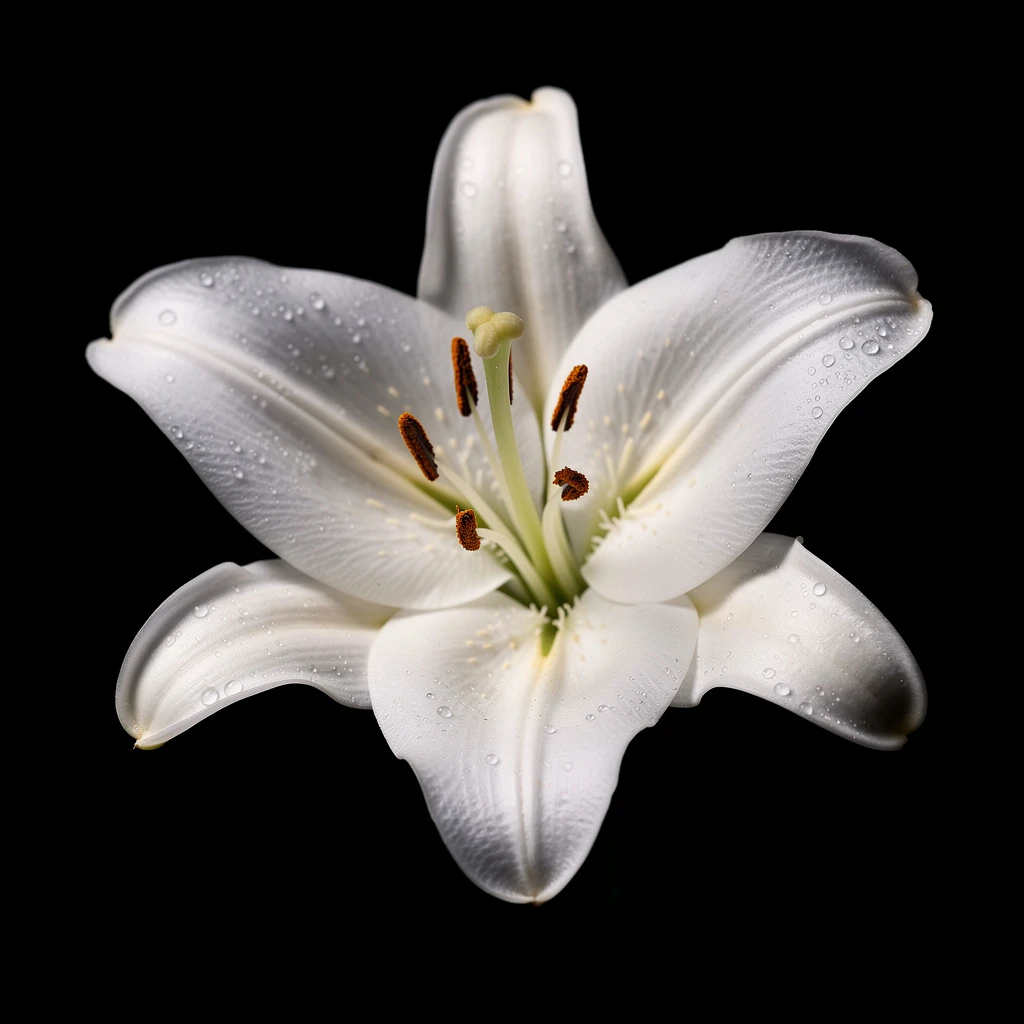
How it smells
Where Japanese restraint meets the depth of rose.
Kyoto's geisha districts once planted roses in their gardens, using them as living air fresheners for guests.




Origin
Japan
Rose cultivation arrived in Japan centuries after the flower had already shaped Mediterranean perfumery. Japanese nobility admired roses as ornamental garden plants throughout the Heian period, appreciating their visual beauty without yet extracting their scent. The relationship deepened during the Edo period, when botanical knowledge expanded and Rosa rugosa became established as Japan's dominant rose species.
Unlike European traditions that prized explosive floral richness, Japanese aesthetics demanded something quieter and more complex. This cultural context shaped how Kyoto's gardens approached rose cultivation, favoring subtlety over saturation. Modern Japanese perfumery absorbed Western techniques in the Meiji era while maintaining distinctly Japanese sensibilities about fragrance.
Kyoto rose represents this synthesis, a material that carries both Rosa rugosa's natural character and the Japanese preference for restraint. Today it appears in niche fragrances that seek an alternative to the honeyed abundance of Damask rose, offering instead a sharper, greener, more contemplative rose voice rooted in Japanese garden philosophy.
Wears it best
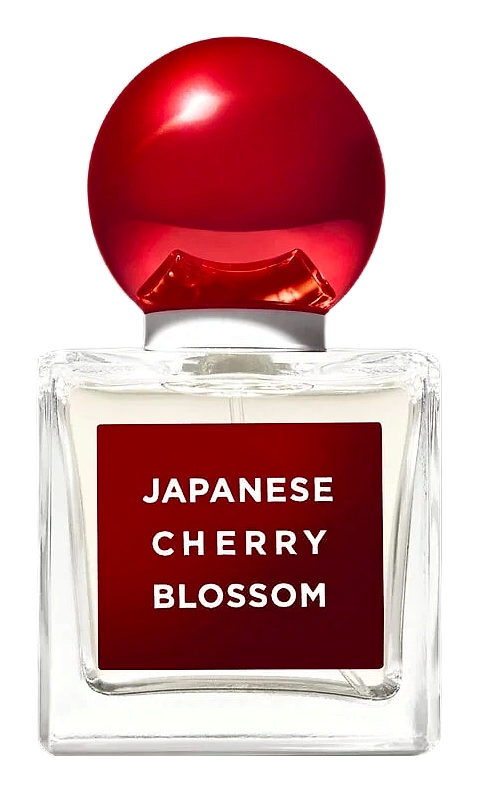
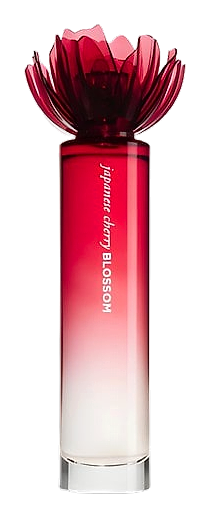
Fragrances featuring Kyoto rose
Brands
Brands known for Kyoto rose
Good to know
Questions, answered
The essentials on Kyoto rose in perfumery: how it smells, where it comes from, and how it behaves on skin.
What exactly is Kyoto rose in perfumery?
Kyoto rose refers to rose aromatic material derived from roses cultivated in Japan's Kyoto region, typically from Rosa rugosa. It differs from mainstream perfumery roses by offering a sharper, greener, more austere rose character reflecting Japanese aesthetic preferences for subtlety over saturation.
How does Kyoto rose differ from Bulgarian rose oil?
Bulgarian rose oil from Rosa damascena delivers deep honeyed sweetness and classic rosy warmth. Kyoto rose, by contrast, presents a leaner profile with distinct spicy and citrus notes, giving fragrance compositions a more contemplative quality tied to Japanese garden aesthetics.
Which aromatic compounds define rose's scent profile?
Natural rose contains citronellol, geraniol, and nerol as primary scent compounds, along with phenyl ethyl alcohol for softness. Rose oxide contributes a distinctive metallic freshness. These compounds also became foundational for synthetic rose molecules that expanded perfumery's creative range.
Is Kyoto rose a natural or synthetic ingredient?
Kyoto rose is a natural aromatic material produced through steam distillation of rose petals. It joins Bulgarian, Turkish, and Moroccan rose oils as one of several natural rose materials used in fine perfumery to achieve specific regional or stylistic characteristics.
Why does rose have such deep historical roots in fragrance?
Rose essential oil traces to ancient civilizations including Egypt, Persia, Greece, and Rome, where it symbolized luxury and ritual. The systematic cultivation of roses for perfumery began around the 16th century, establishing a fragrance tradition that spans millennia and multiple cultures.
What concentration of rose is typical in fine fragrances?
Rose typically appears between 1-5% concentration in fragrance formulations, though premium niche products use higher amounts. The concentration affects whether rose reads as a subtle background accord or a commanding centerpiece note in the final composition.
Which types of fragrances feature Kyoto rose most prominently?
Kyoto rose appears most often in niche and artisanal fragrances that explore Japanese aesthetic themes. Mainstream Western perfumes more commonly feature Bulgarian or Turkish rose oils as their primary rose material due to established supply chains and cost considerations.
How should rose absolute be stored to preserve its quality?
Rose absolute oxidizes quickly when exposed to light and air, degrading its scent within months at room temperature. Storage in a refrigerator with an airtight seal extends usability to several years. Cold, dark conditions protect the aromatic compounds responsible for rose's signature profile.