Kiwi Nectar
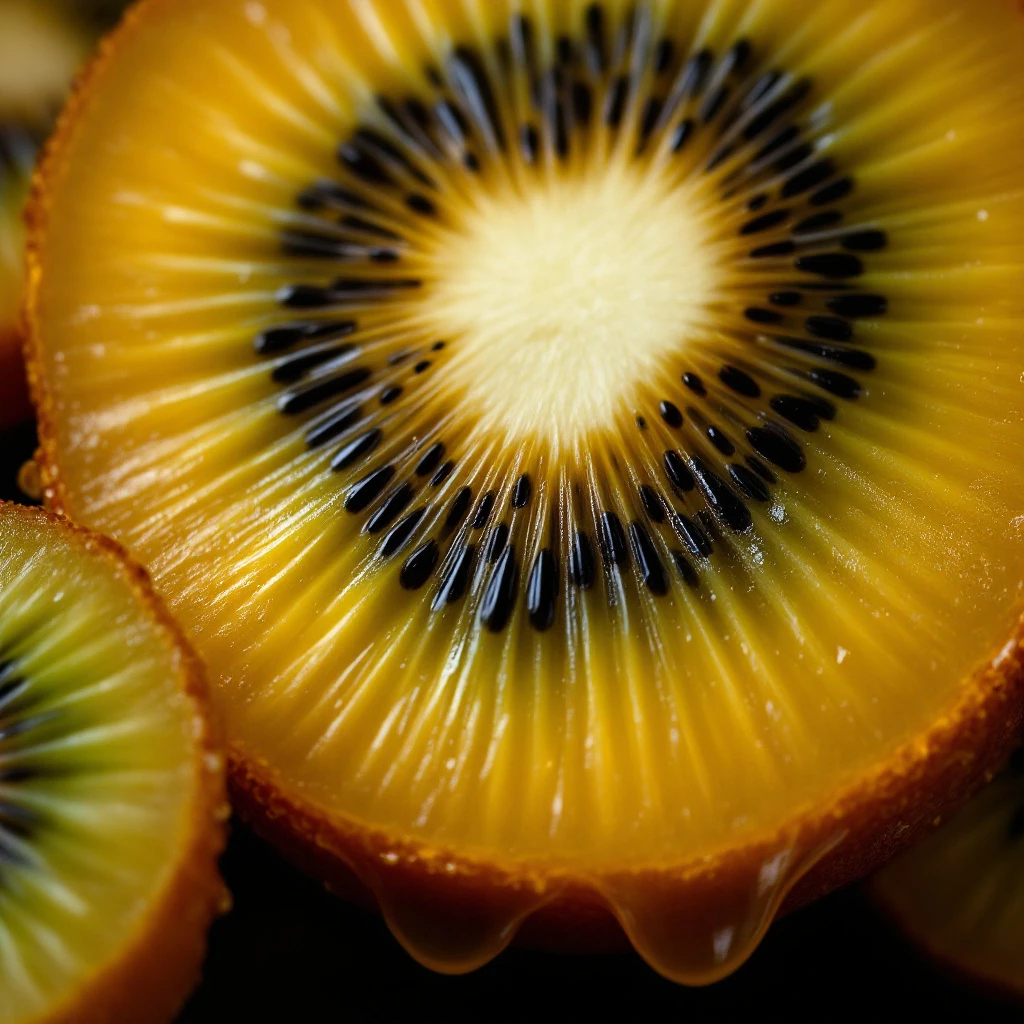
Bright, tangy-sweet nectar captured from the fuzzy fruit. Kiwi adds an effervescent, playful quality to modern fruity compositions. This modern accord brings green, slightly tart energy that lifts entire fragrance pyramids.
Character
How it smells
Effervescent tropical sweetness with a tangy green edge.
Despite being a kitchen staple, natural kiwi essence rarely makes it to perfume. Most 'kiwi' notes are lab-crafted to capture its signature tangy-sweet character.
Pairs beautifully with

Origin
China
Kiwi traces its origins to the Yangtze River Valley in China, where it grew wild for centuries under the name yang tao. Missionaries brought seeds to New Zealand in 1904, where growers cultivated the fruit and renamed it 'kiwi' after their national bird. By the late twentieth century, commercial kiwi production spread globally, with New Zealand, Italy, Chile, and China leading harvests.
Yet despite this ubiquity in groceries, kiwi remained largely absent from perfumery until recent decades. The modern fruity fragrance movement emerged in the late 1970s and 1980s as synthetic aromachemicals became sophisticated enough to recreate tropical scents. Specific fruit identifications, including kiwi, gained traction in the 1990s when consumers began seeking more precise olfactory experiences.
Today, kiwi nectar represents a distinctly modern perfumery material: a lab-crafted accord that brings the fresh, green-tangy character of a globalized fruit into compositions without relying on natural extraction.
Wears it best
Fragrances featuring Kiwi Nectar
Brands
Brands known for Kiwi Nectar
Good to know
Questions, answered
The essentials on Kiwi Nectar in perfumery: how it smells, where it comes from, and how it behaves on skin.
What does kiwi nectar smell like in perfume?
Kiwi nectar smells bright, tangy-sweet with green undertones. It brings an effervescent, slightly tart energy that feels fresh and tropical. The accord captures the balance between sweetness and the fruit's characteristic tangy bite.
Is kiwi nectar a natural or synthetic ingredient?
Kiwi nectar in perfumery is almost always synthetic. Fresh kiwi yields very little usable aromatic material, so perfumers recreate its scent using lab-crafted molecular accords that precisely mirror the fruit's green, fruity character.
What extraction method creates kiwi nectar?
Perfumery uses solvent extraction and supercritical CO2 methods to isolate aromatic compounds for kiwi accords. These techniques pull precise aromatic molecules from related botanical sources, which chemists then combine to replicate kiwi's distinctive scent profile.
What fragrance families use kiwi nectar?
Kiwi nectar appears mainly in fruity and tropical fragrance families. Perfumers use it to brighten floral compositions, add freshness to aquatic blends, and create playful top notes in modernchypre and floriental formulations.
How long has kiwi been used in perfumery?
Kiwi notes emerged in perfumery during the 1990s. The specific fruit identification trend followed the broader fruity fragrance movement of the late 1980s, when consumers began seeking precise, recognizable fruit scents over generic fruity accords.
What parts of the kiwi plant are used?
Kiwi nectar uses no botanical material directly. Chemists analyze the fruit's aromatic profile, then construct the accord from individual aromatic molecules that together recreate the fresh, tangy-sweet character of ripe kiwi.
What countries produce kiwi for commercial use?
Major kiwi producers include New Zealand, Italy, Chile, and China. However, perfumery sources its kiwi accord from laboratories rather than these agricultural regions, since the ingredient is molecularly constructed rather than extracted from fruit.
How does kiwi nectar function in a fragrance pyramid?
Kiwi nectar works as a top to heart note, lending immediate brightness and tropical freshness. Its effervescent quality makes it an excellent top layer that draws attention, while the sweet-tang balance helps bridge floral and fruity elements in the heart of a composition.