Jasmine nectar
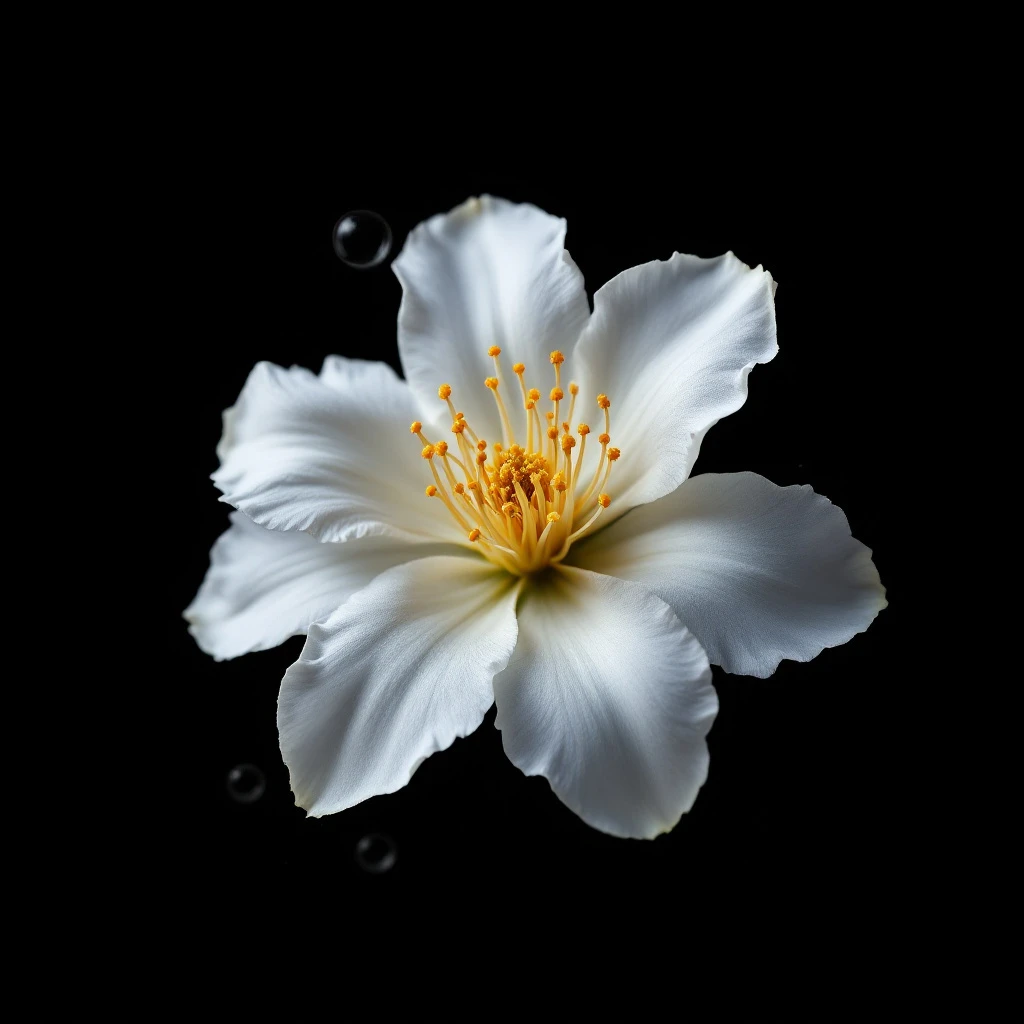
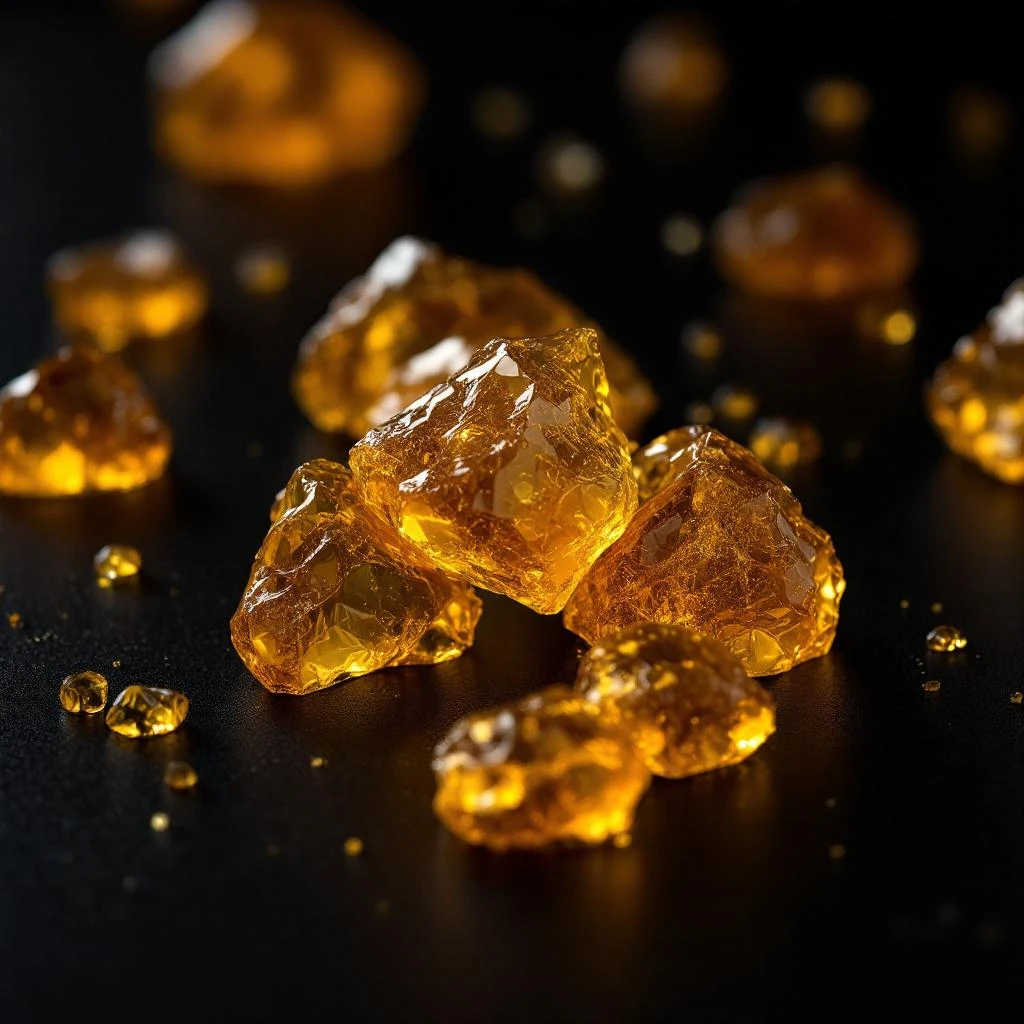
Jasmine nectar captures the intoxicating heart of night-blooming jasmine flowers. This precious absolute distills the flower's sensual, indolic warmth into a liquid that has defined luxury perfumery for centuries.
Character
How it smells
Queen of the night-blooming florals
It takes roughly 8,000 hand-picked blossoms to yield a single gram of jasmine absolute.




Origin
India
Jasmine traces its roots to the eastern Himalayas, spreading through Southeast Asia where it became the national flower of the Philippines. The flower's name derives from the Persian 'yasmin,' meaning gift from God. Indian perfumers cultivated jasmine for millennia, using the blossoms in religious ceremonies and early aromatic preparations.
During the 1600s, the Moors introduced jasmine cultivation to Spain, from where it spread rapidly to Italy and France. Grasse emerged as the heart of European jasmine production in the 1850s, developing specialized cultivation techniques suited to the Mediterranean climate. Egyptian jasmine cultivation centered around the village of Shubra Baloula eventually supplied 60% of global production.
Today, jasmine grows for the fragrance industry across India, Egypt, Morocco, Algeria, Spain, and France. Each hand-picked blossom carries centuries of human devotion to capturing its fleeting, intoxicating scent.
Wears it best
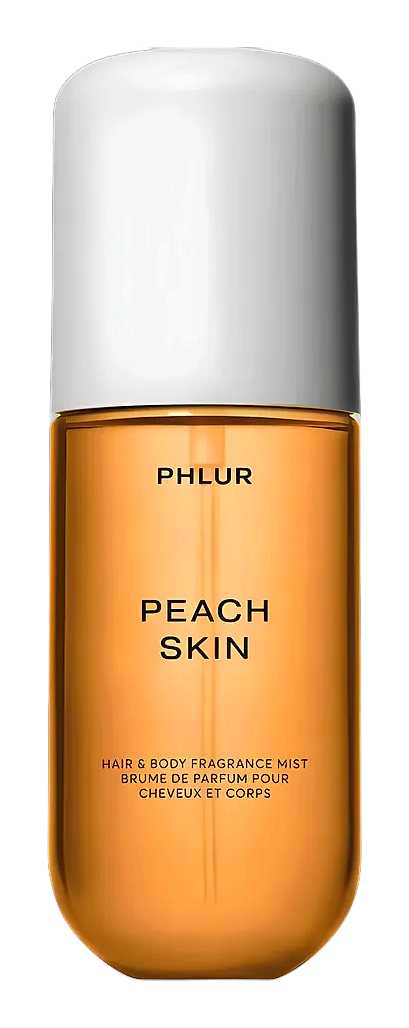
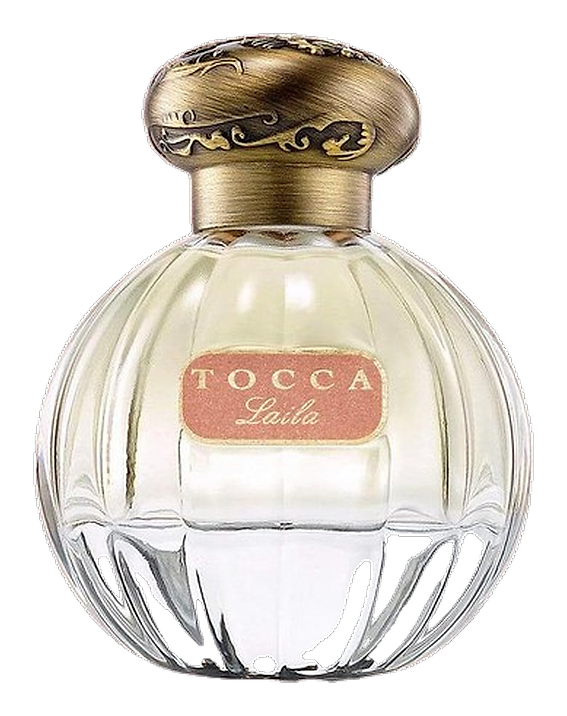
Fragrances featuring Jasmine nectar
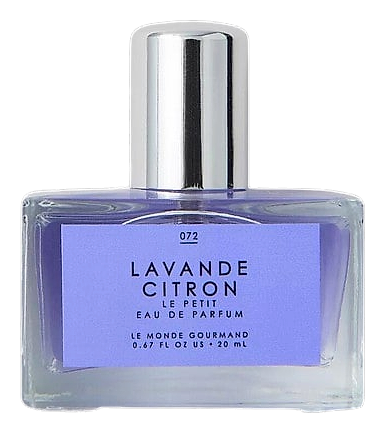
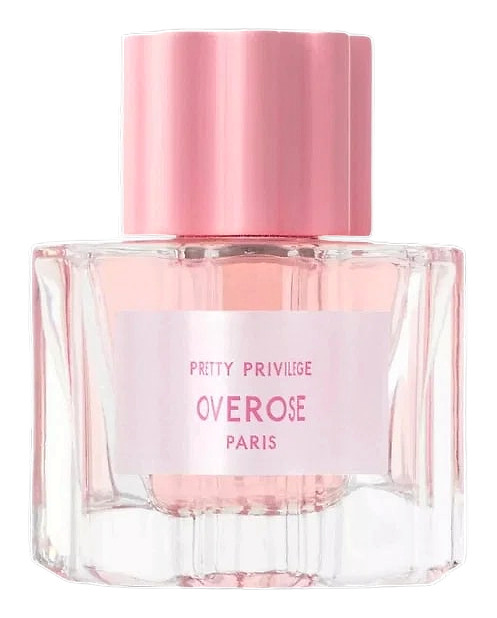
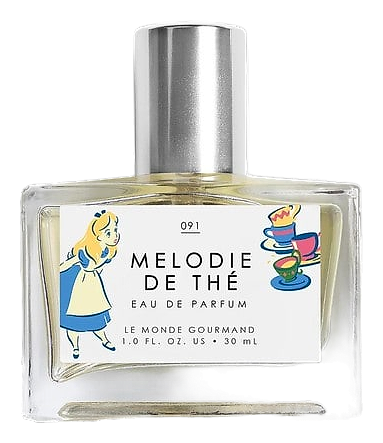
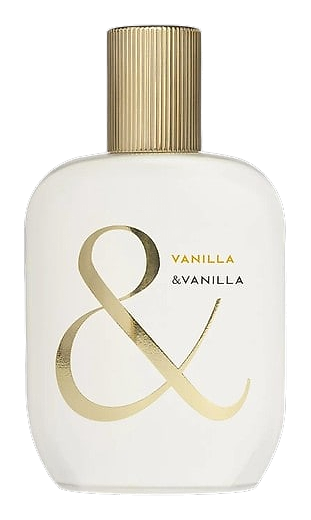
Brands
Brands known for Jasmine nectar
Good to know
Questions, answered
The essentials on Jasmine nectar in perfumery: how it smells, where it comes from, and how it behaves on skin.
What is jasmine nectar in perfumery?
Jasmine nectar is a solvent-extracted absolute from Jasminium officinale flowers. It captures the complete aromatic profile of fresh jasmine, producing an intensely concentrated, richly floral material prized in fine fragrance.
Why is jasmine absolute so expensive?
Jasmine requires hand-harvesting at dawn when flowers first open, and extraction demands roughly 8 million blossoms for one kilogram of absolute. The delicate flowers lose fragrance quickly, making rapid processing essential.
What does jasmine nectar smell like?
Jasmine nectar offers a complex floral scent combining sweet, fruity notes with animalic indole and a creamy, lingering warmth. The nectar version emphasizes the flower's deep, honeyed sensuality.
Where does the best jasmine absolute come from?
Egypt produces 60% of the world's jasmine absolute, centered in the village of Shubra Baloula. Grasse, France also produces highly prized jasmine absolute since the 1850s.
How is jasmine nectar different from jasmine essential oil?
Jasmine absolute is solvent-extracted and contains the complete aromatic profile including heavy molecules lost in steam distillation. Jasmine essential oil captures only the volatile compounds that survive the distillation process.
What extraction methods are used for jasmine?
Solvent extraction dominates, accounting for over 98% of production. Historically, enfleurage on fatty substances captured jasmine's scent, but this labor-intensive method became economically impractical.
Where did jasmine originate?
Jasmine originated in the eastern Himalayas and spread through Southeast Asia to India. Ancient Indian cultures incorporated jasmine into religious ceremonies and early perfumery traditions.
What fragrances pair well with jasmine nectar?
Jasmine nectar blends harmoniously with rose, ylang-ylang, sandalwood, and bergamot. It serves as a heart note in florals and adds warmth to woody or oriental compositions.