Jasmin de Grasse
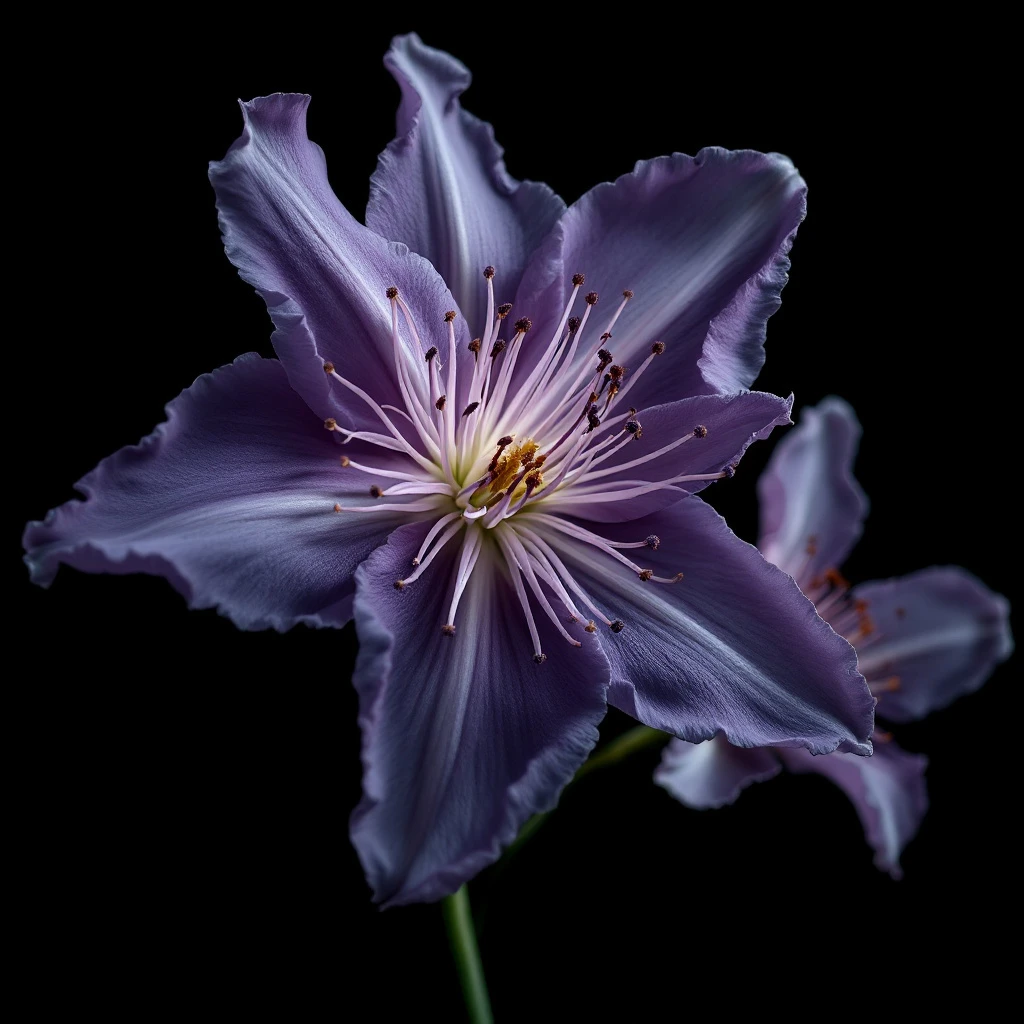
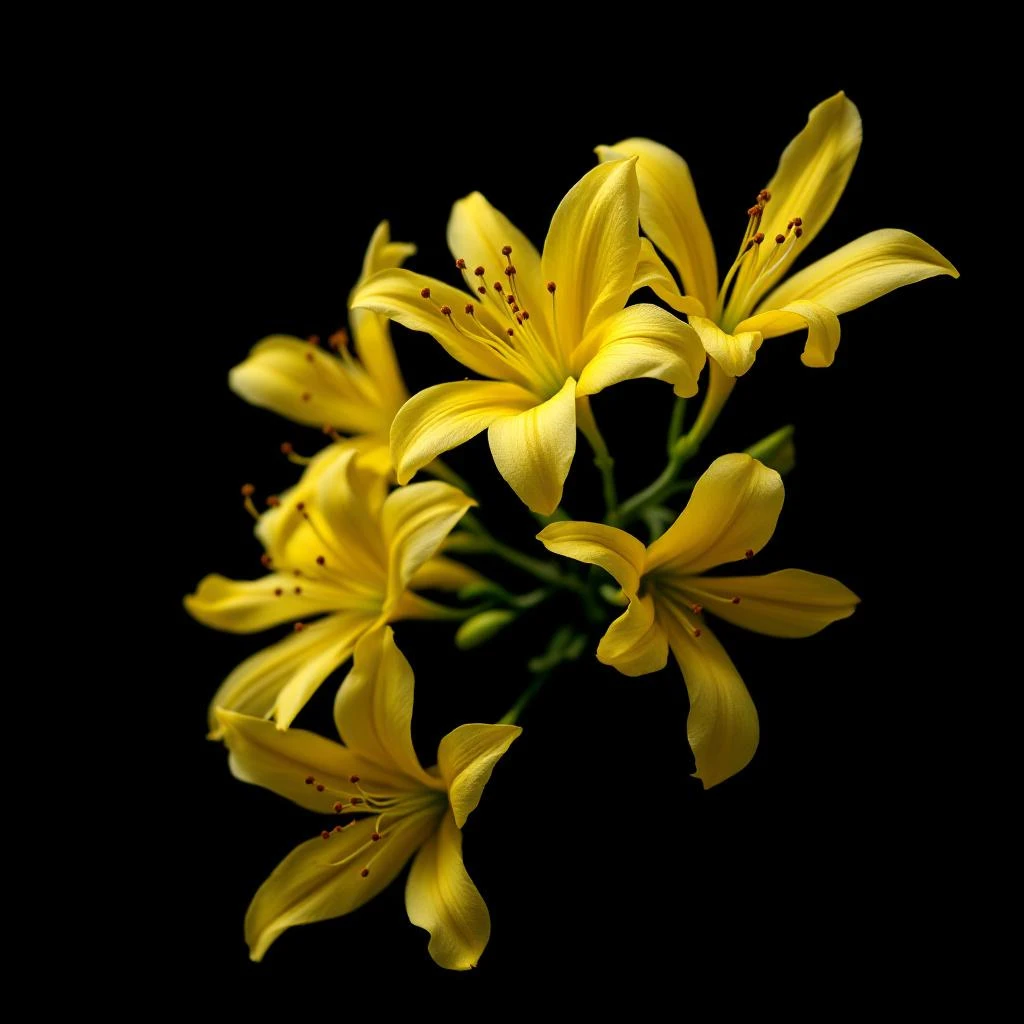
Jasmine absolute that built Grasse's perfume legacy. Hand-harvested at dawn in the French Riviera hills, this is the rare, luxurious flower note that made a town synonymous with fine fragrance.
Character
How it smells
Where Grasse jasmine reigns supreme.
Production fell from 2,000 tons annually in the early 1900s to under 15 tons today, making true Jasmin de Grasse extraordinarily rare.




Origin
France
Grasse transformed itself in the 17th century. The town moved beyond leather tanning, embracing flower cultivation as its new identity. By the late 18th century, it had become France's perfume capital.
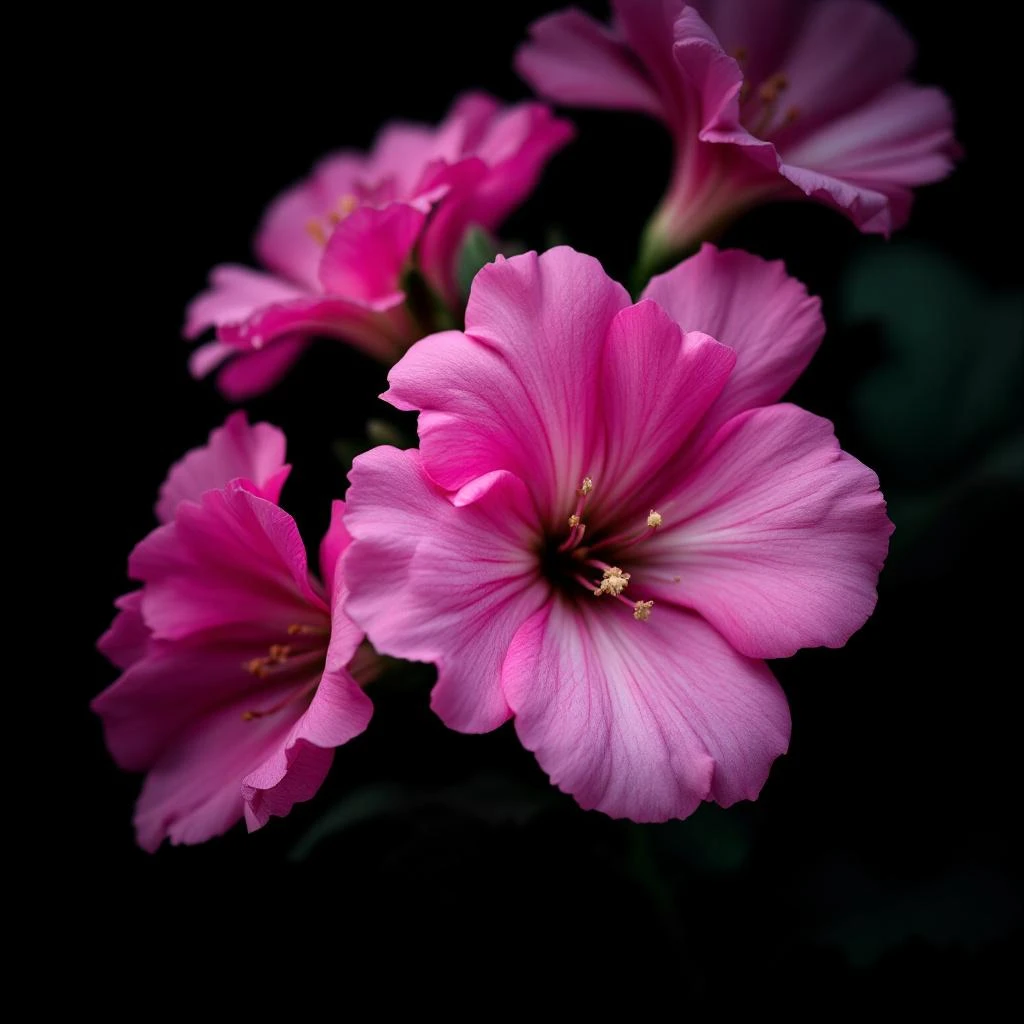
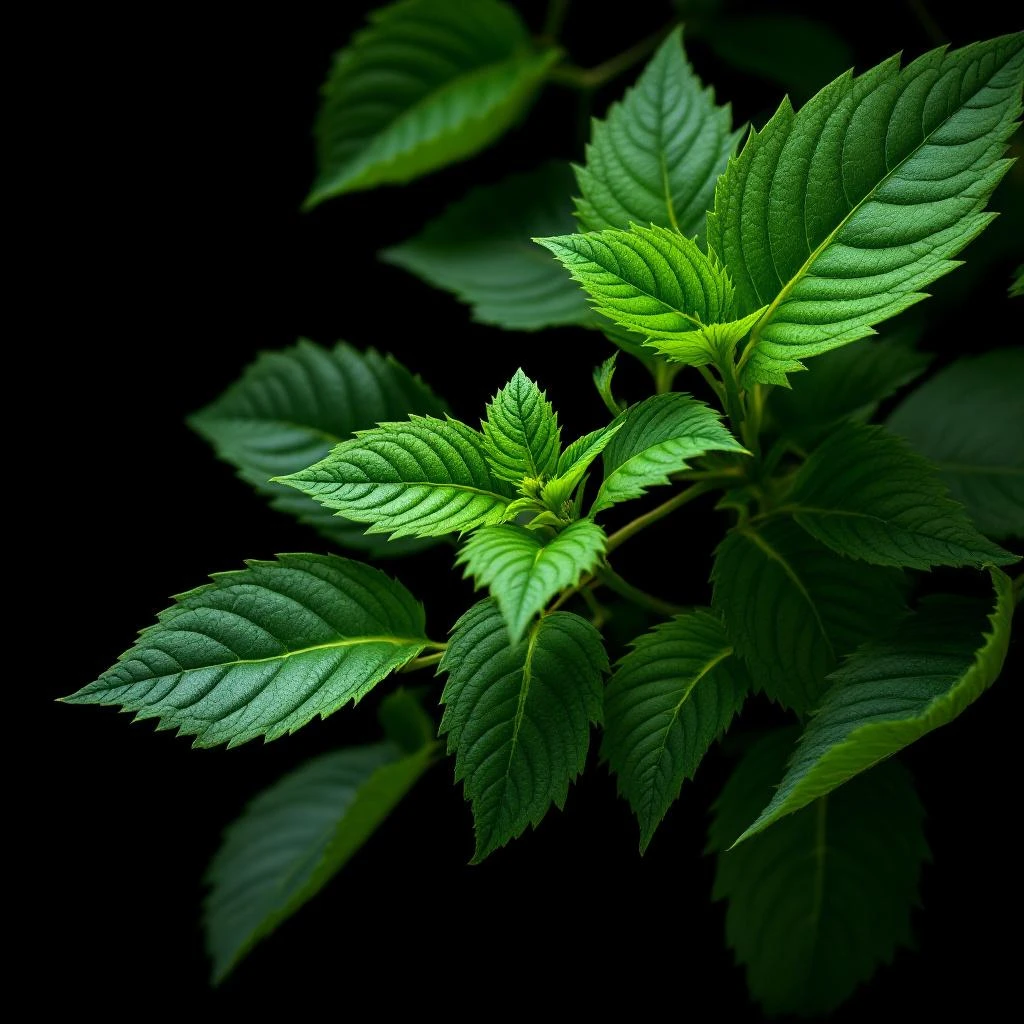
Jasmine arrived via Italy, adapted to the Provençal microclimate after originating in Mexico. The flower found its perfect home in Grasse's limestone soil and Mediterranean warmth. By the 1850s, jasmine had become one of the region's flagship crops.
In the early 1900s, Grasse dedicated approximately 12,000 acres to flower cultivation. Jasmine harvests reached nearly 2,000 tons annually. This abundance supplied perfume houses across Europe.
Today, fewer than 15 tons of jasmine are produced each year in Grasse. A single family, the Muls, supplies most of the remaining harvest. This dramatic decline reflects changing agricultural economics and urbanization.
The jasmine blossom remains tattooed on Grasse's identity, much as one appears in the emblem of the town's perfume museum. This flower connects the town's modern perfumers to centuries of unbroken cultivation tradition, a living link to when Grasse first proved that France could grow flowers as beautiful as its fragrances.
Wears it best
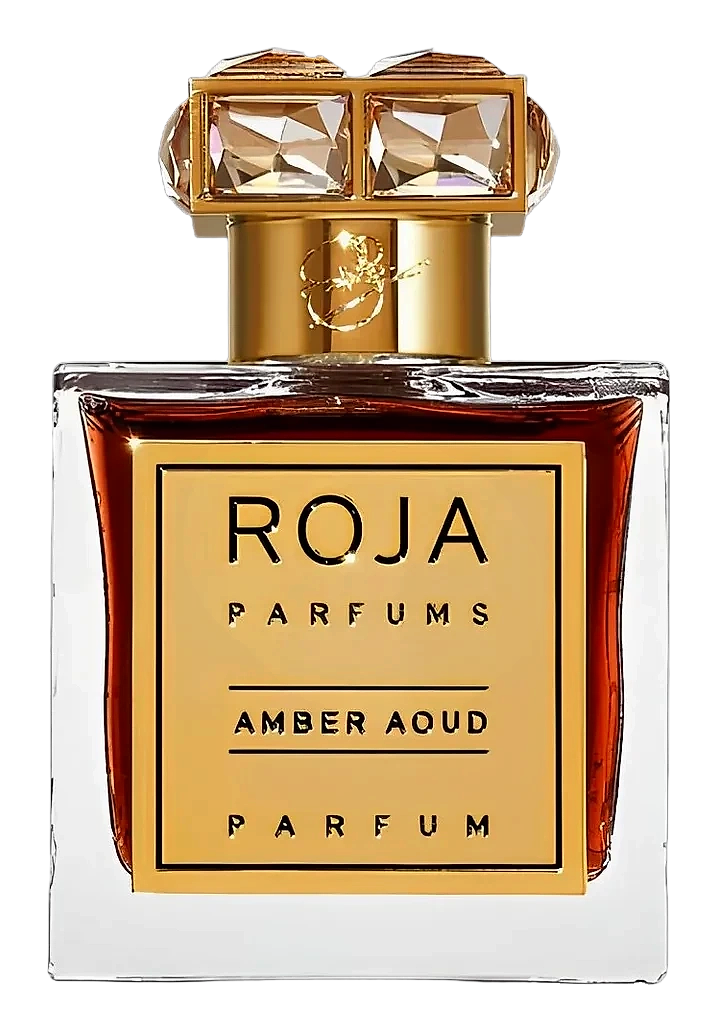
Fragrances featuring Jasmin de Grasse
Brands
Brands known for Jasmin de Grasse
Good to know
Questions, answered
The essentials on Jasmin de Grasse in perfumery: how it smells, where it comes from, and how it behaves on skin.
What makes Jasmin de Grasse different from other jasmine absolutes?
Grasse jasmine benefits from specific terroir and microclimate conditions developed since the 1850s. The limestone soil and Mediterranean warmth create a distinct aromatic profile prized by fine perfumers.
Why is jasmine harvested before sunrise?
Flowers are picked at dawn to capture maximum scent compounds. Cooler temperatures prevent delicate aromatics from evaporating, preserving the flower's full olfactory character during extraction.
How much jasmine is needed to produce jasmine absolute?
Approximately one ton of fresh jasmine blossoms yields just three kilograms of absolute. This extreme concentration makes jasmine one of the most precious natural materials in perfumery.
Why is Jasmin de Grasse considered rare?
Annual production dropped from 2,000 tons in the early 1900s to fewer than 15 tons today, as urbanization and agricultural shifts reduced cultivation in the Grasse region.
What fragrance families commonly use Jasmin de Grasse?
It serves as a versatile heart note in florals, orientals, chypres, and white florals. The absolute adds warmth and sensuality across diverse fragrance constructions.
What does jasmine absolute smell like?
The absolute presents as intensely floral with honeyed facets, sweet undertones, and indolic nuances that develop complexity as the fragrance settles on skin.
How does Grasse jasmine support local traditions?
The harvest maintains a family tradition spanning generations. The Muls family, which still cultivates most of Grasse's jasmine, represents living heritage connecting modern perfumery to its 19th-century roots.
Is jasmine always extracted using solvents?
Enfleurage was once standard in Grasse, using cold fat to absorb scent. Supercritical CO2 extraction also exists. Solvent extraction remains preferred for jasmine absolute because it best preserves the flower's complex aromatic profile.