Japanese osmanthus absolute
A rare floral absolute with an unmistakable apricot-suade character, osmanthus brings autumn's quiet elegance to fragrance. Grown in southern China and Japan, this underutilized treasure delivers warmth and depth that few ingredients can match.
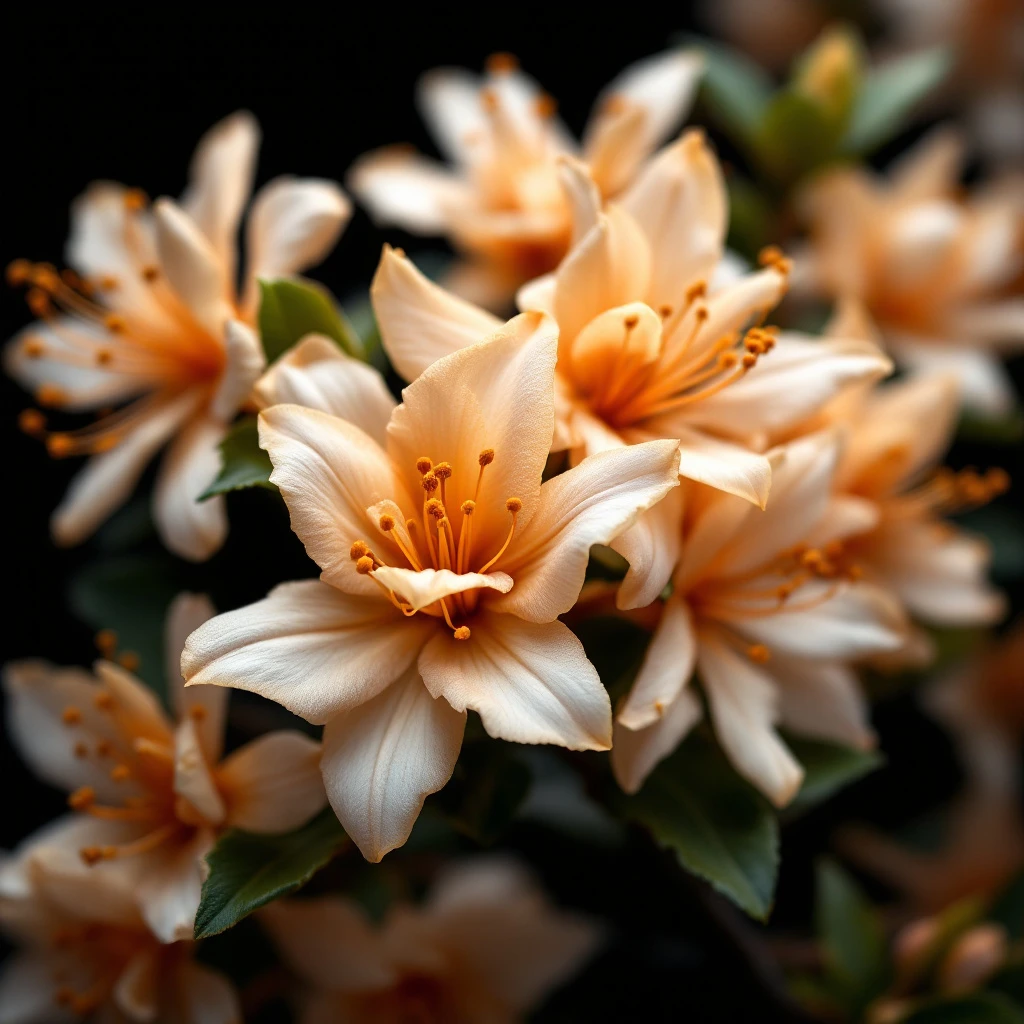
Character
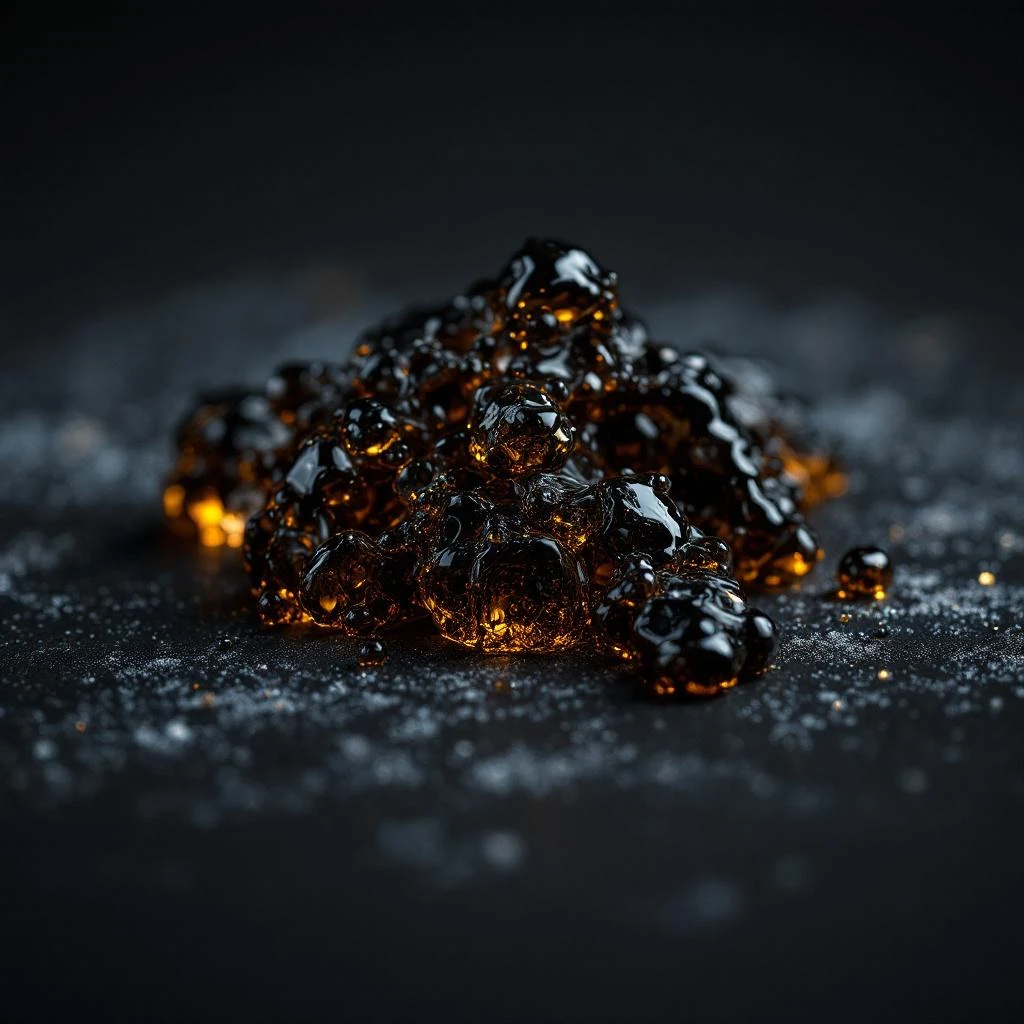
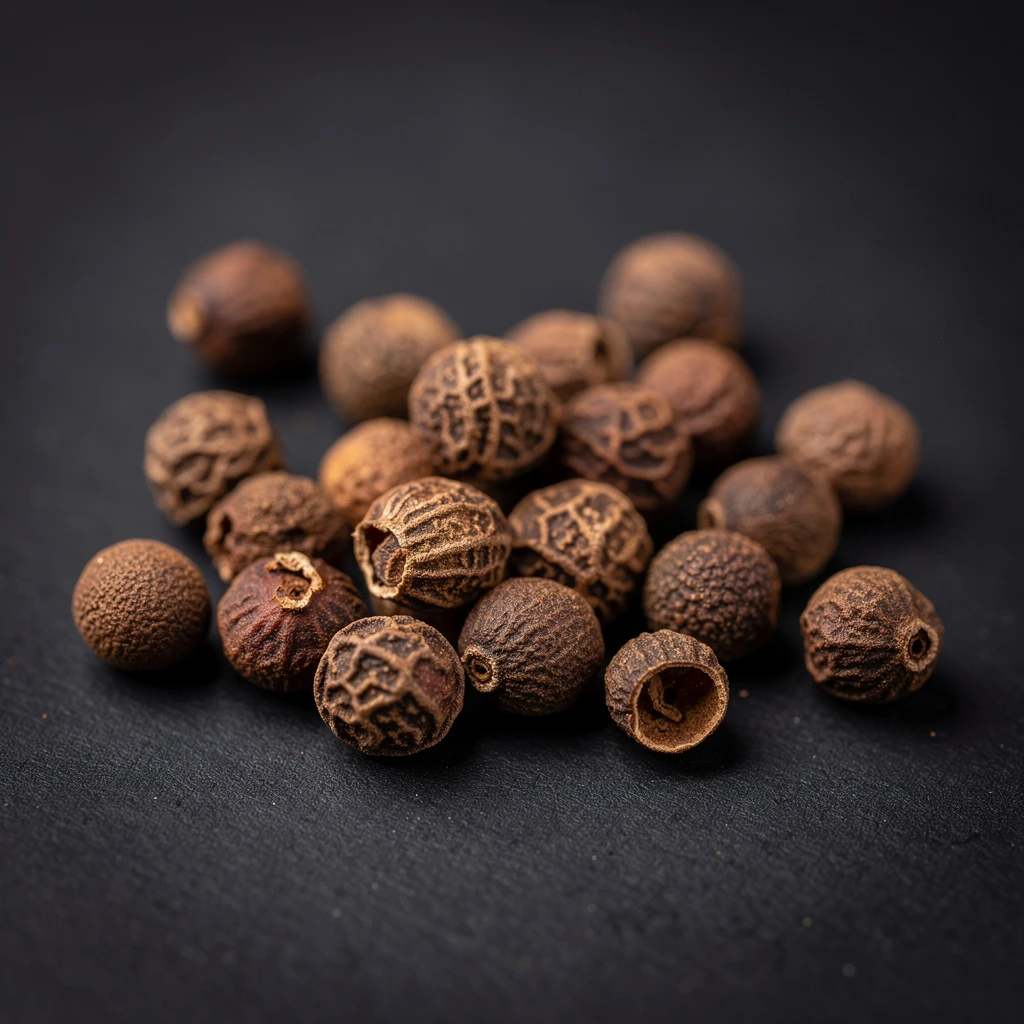
How it smells
The apricot-floral that smells like autumn itself.
Osmanthus flowers bloom for only two weeks each autumn, making every harvest a race against time.



Origin
China
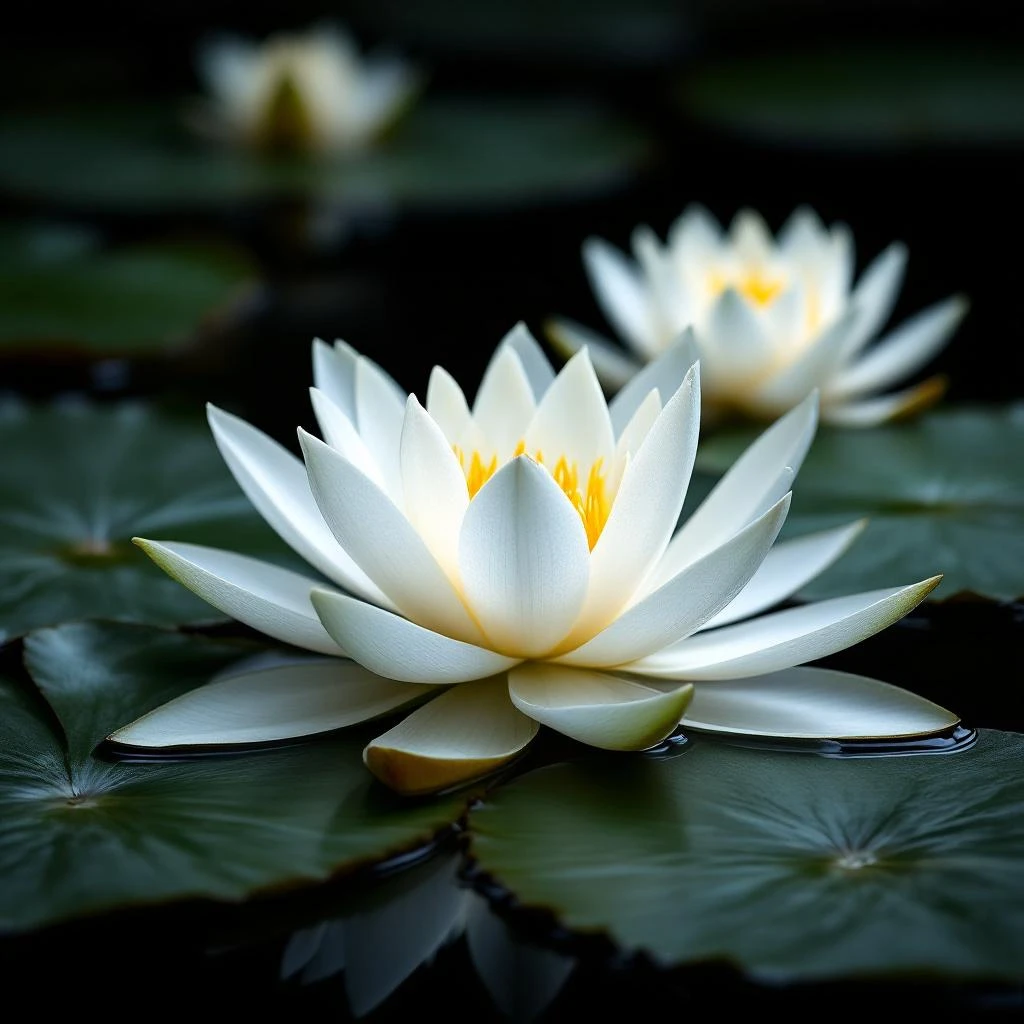
Osmanthus originated in the mountain forests of southern China, where ancient perfumers and tea masters first discovered its intoxicating fragrance. Chinese tradition holds that osmanthus accompanies moon-viewing celebrations during the Mid-Autumn Festival, where its sweet scent mingles with jasmine and chrysanthemum offerings.
Buddhist monks carried the shrub along trade routes, introducing it to Japan during the Edo period (1603-1868). Japanese artisans embraced the flower, incorporating it into traditional kodo incense ceremonies and naming it kinmokusei, meaning golden olive.
Western perfumers encountered osmanthus only in the late twentieth century, when niche houses began exploring East Asian botanical traditions. Today, the flower remains relatively obscure in Western perfumery despite its remarkable depth, a quiet treasure waiting to be discovered.
Wears it best
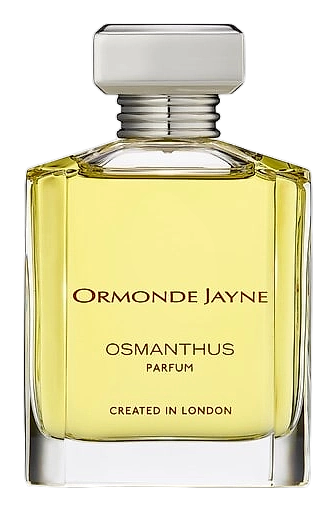
Fragrances featuring Japanese osmanthus absolute
Good to know
Questions, answered
The essentials on Japanese osmanthus absolute in perfumery: how it smells, where it comes from, and how it behaves on skin.
What does osmanthus absolute smell like?
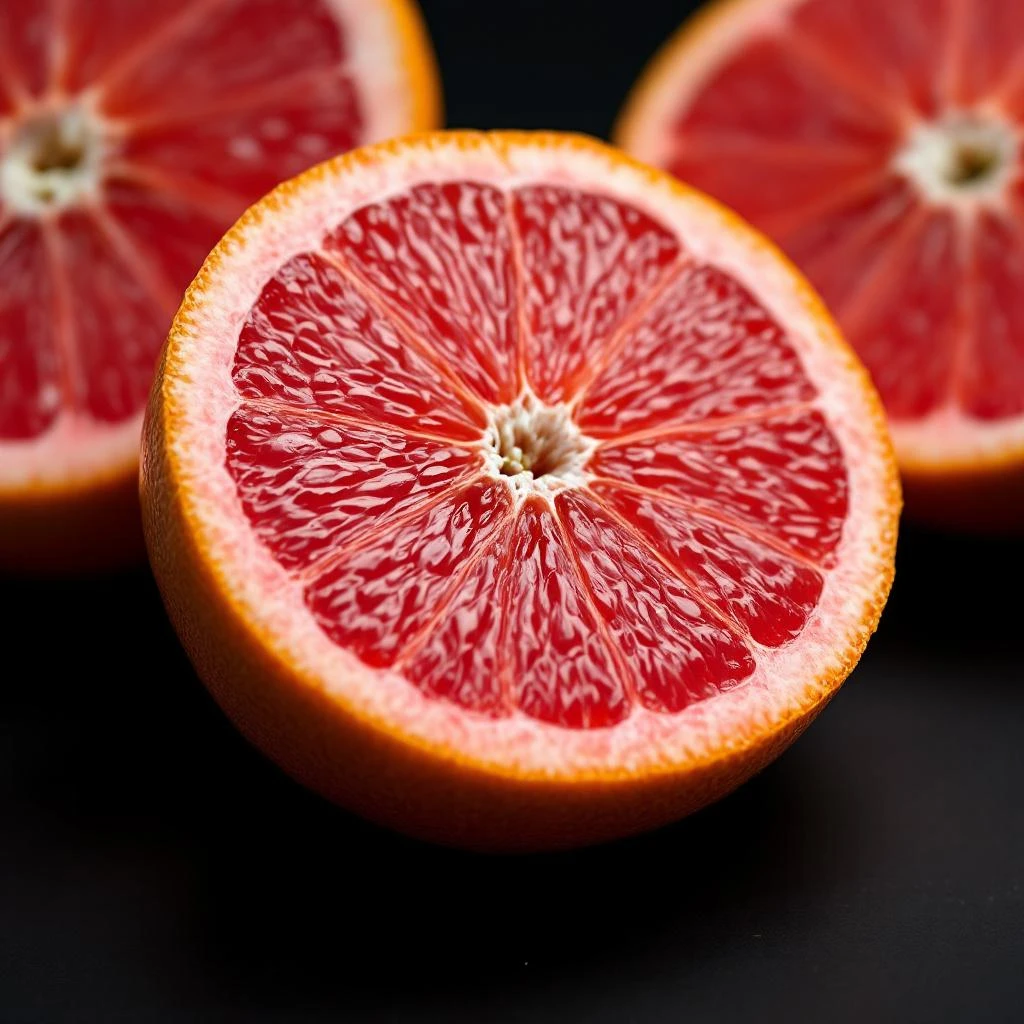
Osmanthus combines apricot-like fruity notes with soft suede and a distinctly autumnal floralcy. The suede aspect distinguishes it from typical florals, giving the absolute a warm, sophisticated character that reads almost like a worn leather note underlaid with ripe fruit.
Where does osmanthus grow?
The primary source is southern China, particularly Guangxi and Sichuan provinces, where Osmanthus fragrans thrives in mountain forests. Japan also produces limited quantities, though Chinese cultivation remains dominant for perfumery use.
Is osmanthus absolute natural?
Yes. True osmanthus absolute comes exclusively from natural solvent extraction of Osmanthus fragrans flowers. Reconstructed or synthetic versions exist for cost reasons, but authentic absolute captures the full complexity that makes this ingredient prized by niche perfumers.
What blends well with osmanthus?
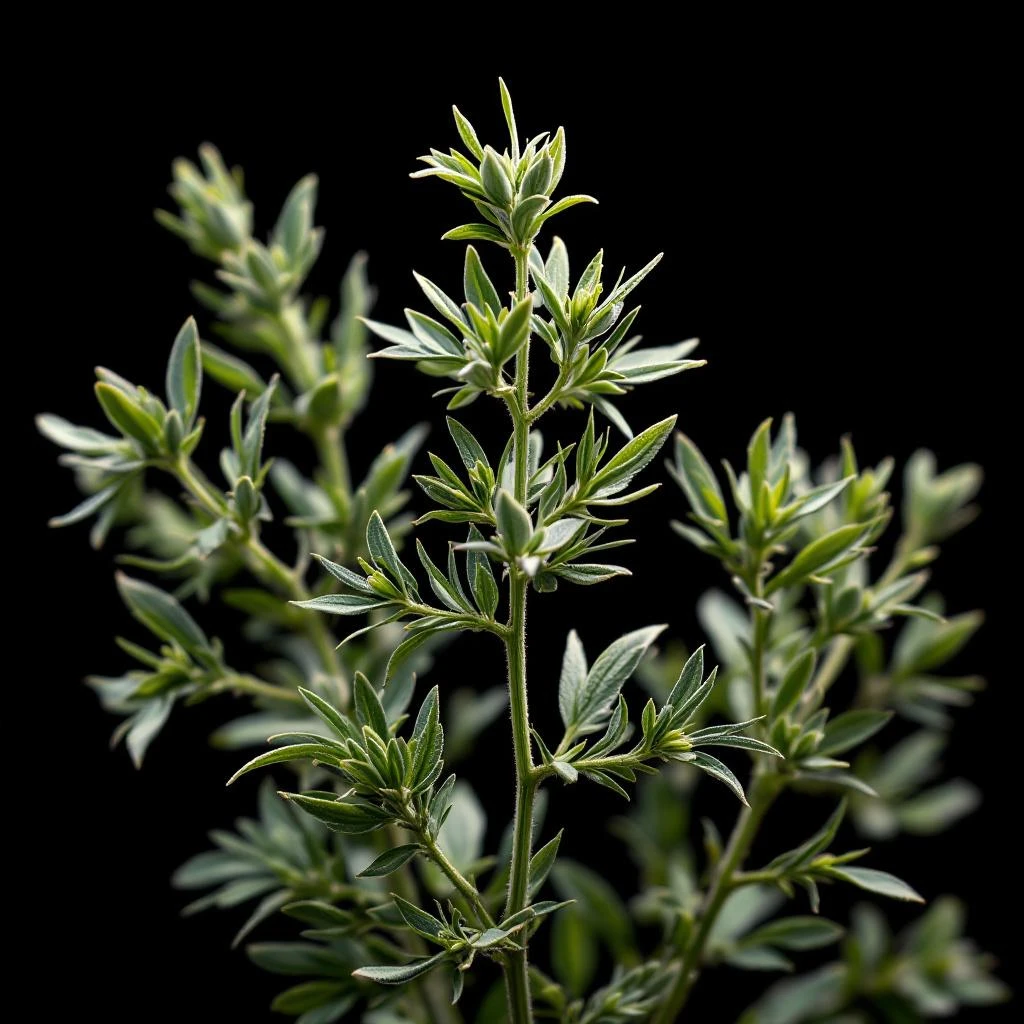
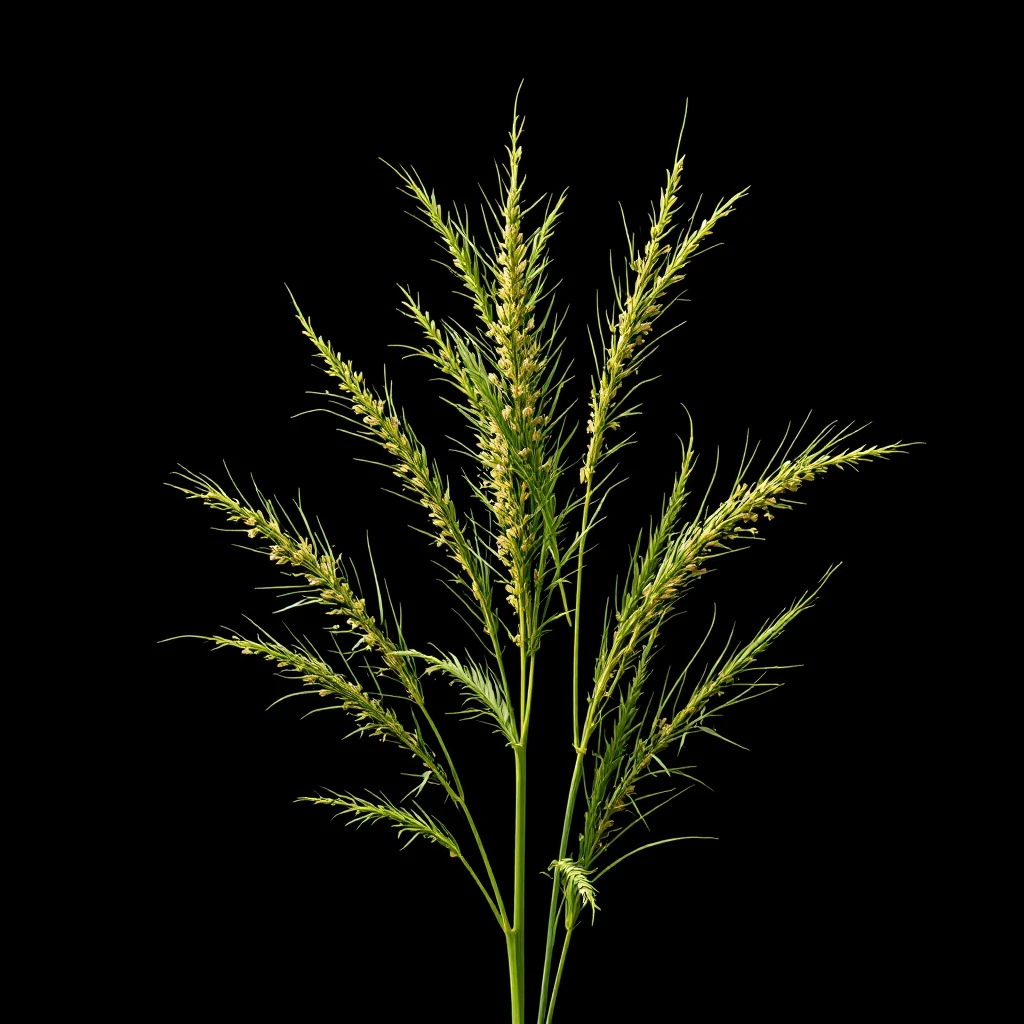
Osmanthus pairs naturally with other oriental florals like jasmine and neroli, yet excels alongside woody materials such as sandalwood and cypress. Its fruity dimension harmonizes with apricot and plum notes, while the suede facet makes it unexpectedly compatible with leather and tobacco accords.
Why is osmanthus so rare in perfumery?
Two factors limit osmanthus availability: a harvest window of roughly two weeks per year, and low absolute yield from each flower. These constraints make quality osmanthus absolute expensive, discouraging mass-market adoption despite growing interest from niche perfumers.
How much osmanthus is used in fragrance formulas?
Perfumers typically employ osmanthus at 0.1 to 2 percent of a formula. The absolute is potent enough that even small quantities create measurable impact. High-end fragrances targeting autumn and winter seasons most commonly feature this material.
When did Western perfumers start using osmanthus?
Western perfumery only adopted osmanthus in the late twentieth century. Early niche houses explored East Asian botanical traditions and began incorporating osmanthus as an alternative to more familiar florals. The ingredient remains underrepresented in mainstream fragrances.
Does osmanthus have cultural significance?
In China, osmanthus symbolizes nobility and auspiciousness, featured prominently in Mid-Autumn Festival celebrations. Japanese tradition associates it with autumn moon viewing. Both cultures value the flower for its seasonal significance and sweet fragrance that perfumes entire gardens during its brief bloom.